Wenzhou AIOU Optical Communication Co., Ltd.



Leave Your Message
-
 Get Your Quote
-
 Email
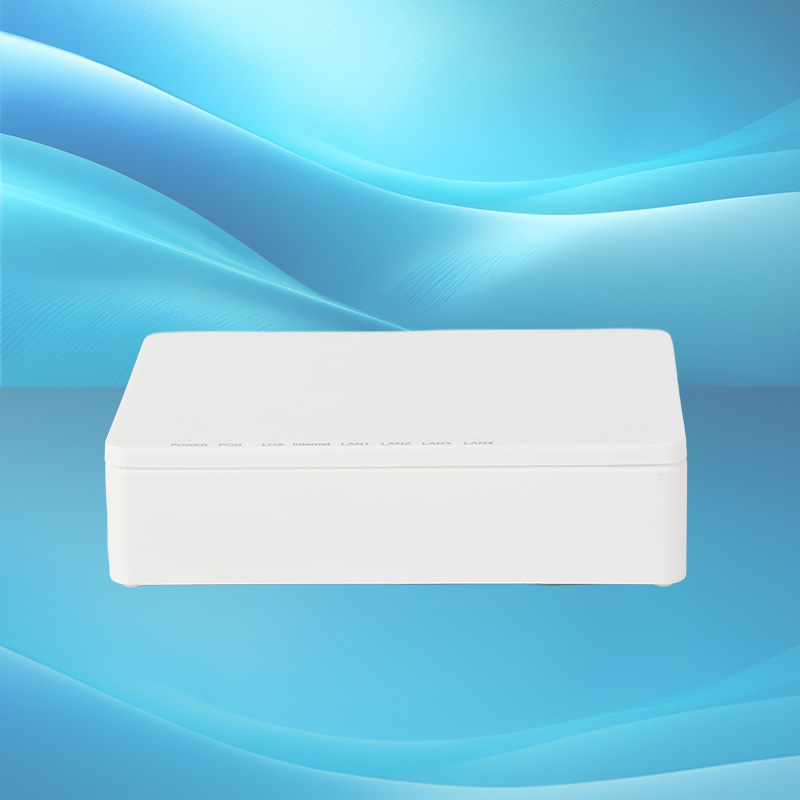
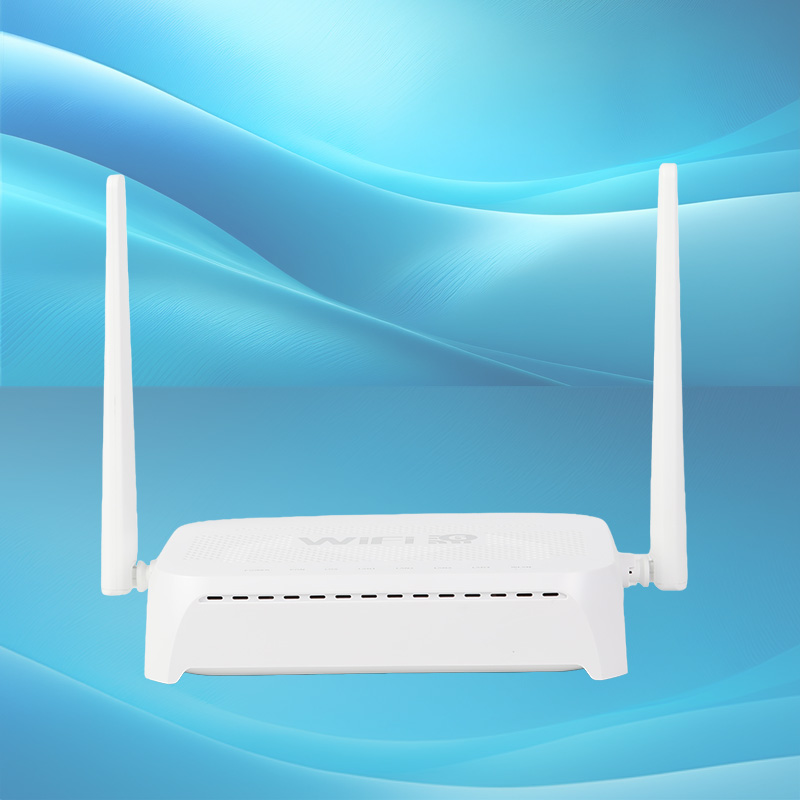
High-efficiency optical network units optimized for smooth integration with Optical Line Terminal (OLT) platforms.
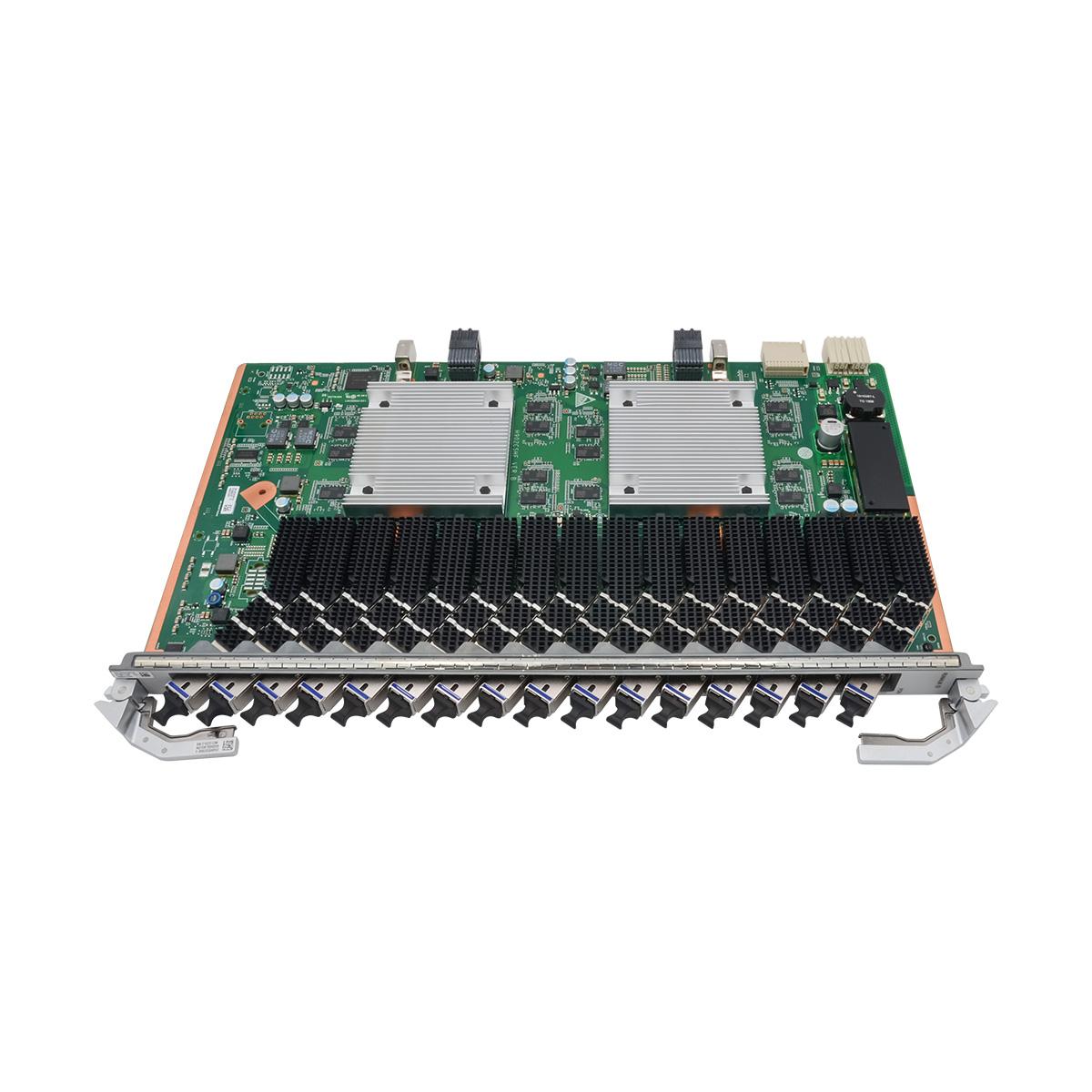
As global data demands continue to surge, telecommunications operators, internet service providers (ISPs), and enterprise network architects face the constant challenge of scaling their broadband infrastructures. At the heart of this scaling effort are Optical Line Terminal (OLT) expansion projects. Expanding an OLT's capacity is not merely about adding more line cards at the central office; it requires a highly compatible, reliable, and intelligent fleet of Optical Network Units (ONUs) at the subscriber end. Among the industry-leading solutions, the integration of ZTE ONU hardware has emerged as a cornerstone strategy for seamless infrastructure upgrades.
ZTE ONUs are engineered to interface flawlessly with modern high-density OLT platforms. When network operators initiate expansion projects to transit from legacy GPON or EPON structures to next-generation 10G-PON (including XG-PON and XGS-PON) technologies, selecting the right terminal equipment is paramount. A mismatched or low-quality ONU can lead to severe packet drops, increased latency, and management bottlenecks. By leveraging robust chipsets and standardized OMCI (ONT Management and Control Interface) protocols, ZTE ONUs ensure that as OLT chassis are populated with additional subscriber line cards, the provisioning, activation, and performance monitoring of thousands of new endpoints remain streamlined and error-free.
The telecommunications industry is undergoing a massive paradigm shift. Symmetrical gigabit services are transitioning from a luxury enterprise offering to a standard residential expectation. In this commercial landscape, OLT expansion projects are driven by several key factors:
Upgrading existing GPON architectures to XGS-PON to support symmetrical 10 Gbps downstream and upstream bandwidth requirements.
Integrating millions of smart sensors, high-definition security cameras, and edge computing nodes into urban fiber networks.
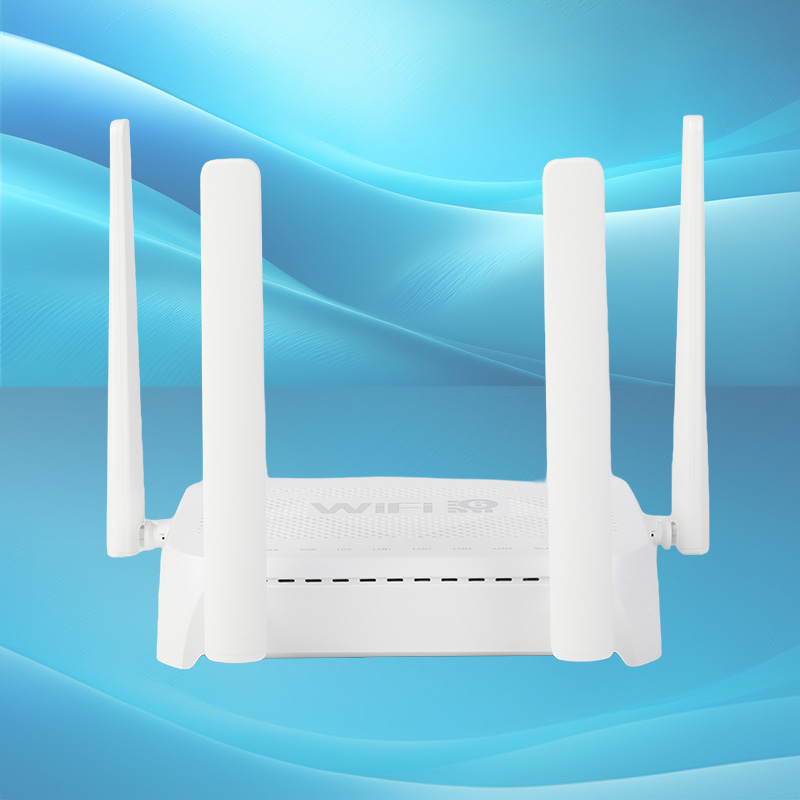
Delivering high-speed wireless coverage directly from the optical terminal to eliminate indoor bottlenecks.
Commercially, operators must balance capital expenditure (CAPEX) with operational expenditure (OPEX). Deploying ZTE ONUs during OLT expansions offers a highly optimized total cost of ownership (TCO). Because these devices feature dual-mode XPON (GPON and EPON auto-sensing) capabilities, operators can deploy them in legacy networks today and seamlessly transition to upgraded OLT environments tomorrow without replacing the customer-premises equipment (CPE). This forward compatibility drastically reduces truck rolls and hardware replacement costs, maximizing the lifetime value of the network investment.
To fully appreciate the technical value of ZTE ONUs within OLT expansion projects, we must explore their deployment across diverse, demanding real-world scenarios. These applications span from dense residential zones to high-security industrial complexes.
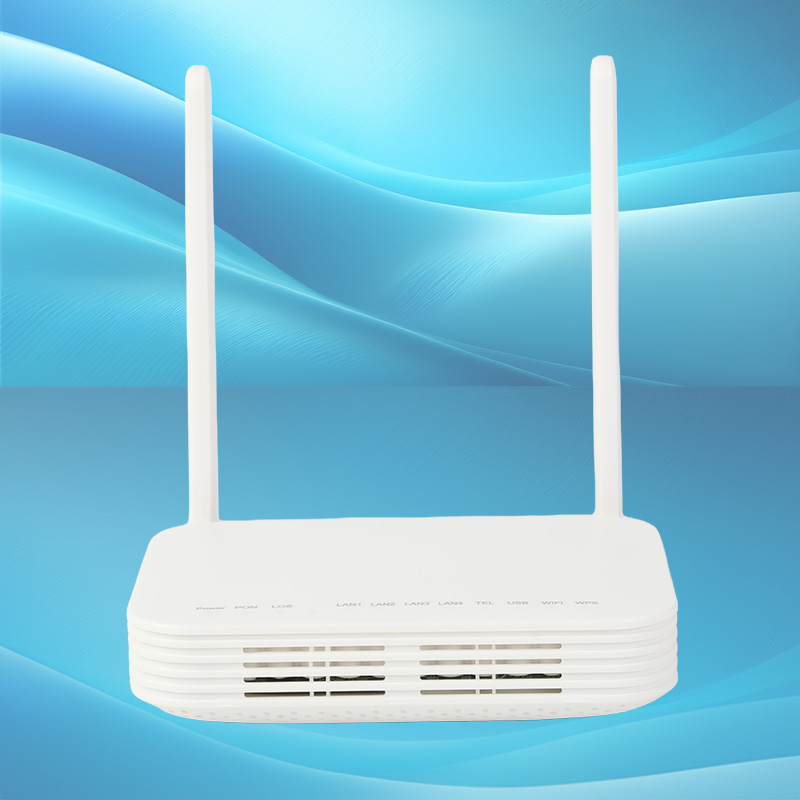
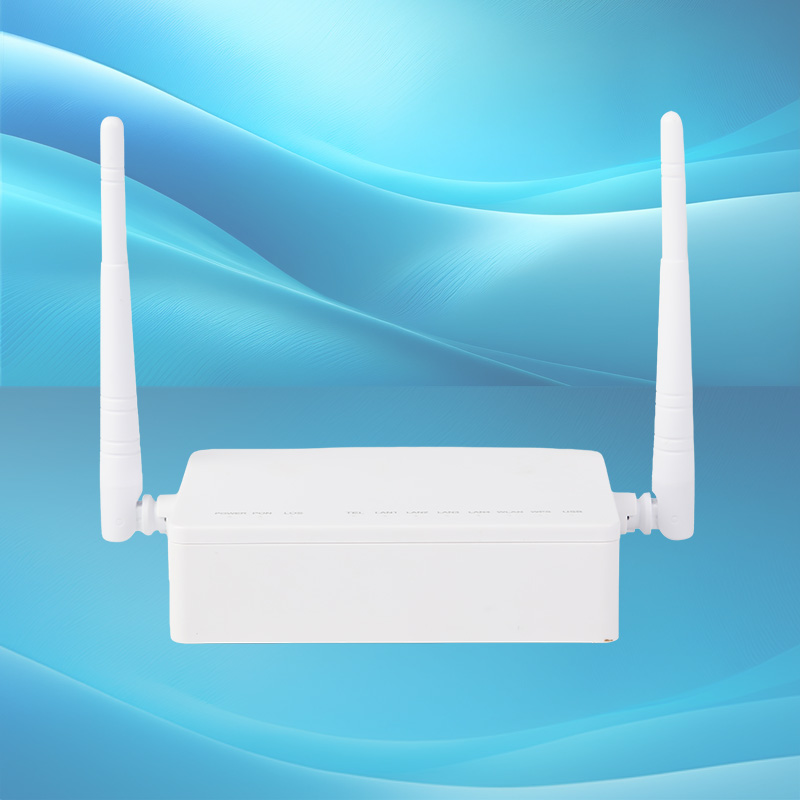
In modern metropolitan high-rises and dense suburban developments, thousands of subscribers are aggregated back to a single centralized OLT node. During expansion projects, network administrators add high-density PON cards to the OLT. To match this capacity, ZTE ONUs (such as the F663AV9 or H3-1S series) are deployed at the subscriber side. These terminals handle concurrent high-bandwidth applications like 8K video streaming, online gaming, and remote cloud storage. Features like Quality of Service (QoS) prioritization and dynamic bandwidth allocation (DBA) ensure that critical traffic remains unaffected even during peak usage hours, preventing network congestion at the OLT uplink.
Modern corporate offices are moving away from traditional copper-based Ethernet switches in favor of Passive Optical LAN (POL) architectures. POL uses single-mode fiber to bring high-speed connectivity directly to work areas. When enterprises expand their campuses or add new departments, OLT expansion becomes necessary. ZTE ONUs serve as the desktop or workgroup switch, providing multiple gigabit Ethernet ports, voice (POTS) ports, and robust Wi-Fi 6 wireless connectivity. By utilizing high-quality internal circuit designs like the CGHF Rigid PCB Board, these devices guarantee 24/7 operational stability, low heat generation, and immunity to electromagnetic interference—crucial requirements for modern enterprise environments.
In smart manufacturing and industrial IoT (IIoT), reliability is non-negotiable. Industrial OLT expansion projects require ONUs that can operate reliably under harsh environmental conditions, including wide temperature fluctuations, dust, and vibration. ZTE ONUs designed for industrial access networks provide deterministic low-latency communication, which is essential for real-time robotic control, machine-to-machine (M2M) synchronization, and automated optical inspection (AOI). The integration of robust hardware components ensures that communication between the factory floor and the central control server remains uninterrupted, avoiding costly production downtime.
Municipalities worldwide are rolling out extensive optical networks to connect traffic monitoring cameras, public Wi-Fi hotspots, environmental sensors, and smart street lighting. As the sensor density increases, the backhaul OLT must expand its port capacity. ZTE ONUs act as the reliable bridge between outdoor edge devices and the central OLT. Supporting robust security features like MAC address binding, loop detection, and hardware-level encryption (AES-128), these ONUs protect sensitive public data from unauthorized access and cyber threats, ensuring the integrity of smart city infrastructures.
The roadmap for optical access networks points toward unprecedented speeds and smarter management. As OLT systems prepare for the transition to 50G-PON and eventually 100G-PON, ONUs must evolve accordingly. The industry is focusing heavily on the integration of Artificial Intelligence (AI) and Machine Learning (ML) directly into network management layers. This allows for predictive maintenance, where the OLT can detect slight degradation in the optical signal of a specific ZTE ONU and schedule corrective actions before the subscriber experiences any service disruption.
Furthermore, green technology is becoming a central focus. Next-generation ZTE ONUs are incorporating advanced energy-saving modes (such as sleep mode and power shedding) that dynamically adjust power consumption based on active user traffic. This not only reduces the carbon footprint of large-scale FTTH deployments but also lowers utility costs for operators managing millions of active lines. The combination of high-density integration, multi-gigabit throughput, and eco-friendly engineering positions these optical terminals at the forefront of global broadband evolution.
Established in 2006, Wenzhou AIOU Optical Communication Co., Ltd. is a professional high-tech enterprise dedicated to the full industrial chain of optical network access solutions, covering research and development, manufacturing, sales, and after-sales service. We focus on delivering cutting-edge passive optical network (PON) products, including EPON, GPON, and XPON series, which are carefully tailored to meet the diverse needs of global customers in different regions and industries. With a firm commitment to independent innovation, we have built a strong R&D team composed of senior engineers with years of industry experience, holding multiple core technology patents and forming a comprehensive industrial chain, thus effectively serving various sectors such as operator networks, government and enterprise information systems, smart parks, and home broadband access.
Our complete product line covers OLT (Optical Line Terminal), ONU (Optical Network Unit), high-performance optical modules, and network switching equipment, supporting access rates ranging from 10/100M to 10G. These solutions are characterized by high performance, stable reliability, low latency, and easy deployment, perfectly aligning with customers’ demands for secure, stable, and high-speed communication networks. All our products have passed strict CE certification, as well as other international quality certifications, and are exported to more than 20 countries and regions across South America, Africa, Eastern Europe, Southeast Asia, and the Middle East, winning wide recognition from global partners for their superior quality and cost-effectiveness.
We operate a standardized 2,000-square-meter production zone equipped with advanced automated production and testing equipment, where we strictly adhere to ISO9001 quality management systems, CCC, and CE standards to ensure the consistency and reliability of each product. Our core mission is to exceed customer expectations by providing premium quality products, efficient and thoughtful after-sales services, and industry-leading technical support, continuously driving technological innovation and development in the global optical network infrastructure field.
Explore our full range of high-performance ONUs and core components engineered for seamless scalability and compatibility.