Wenzhou AIOU Optical Communication Co., Ltd.



Leave Your Message
-
 Get Your Quote
-
 Email
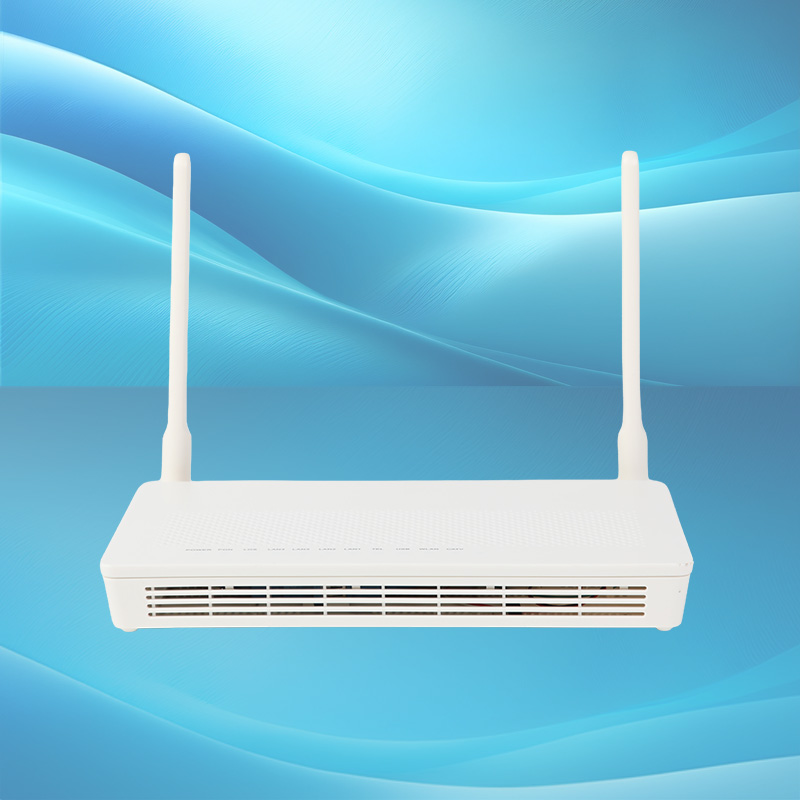
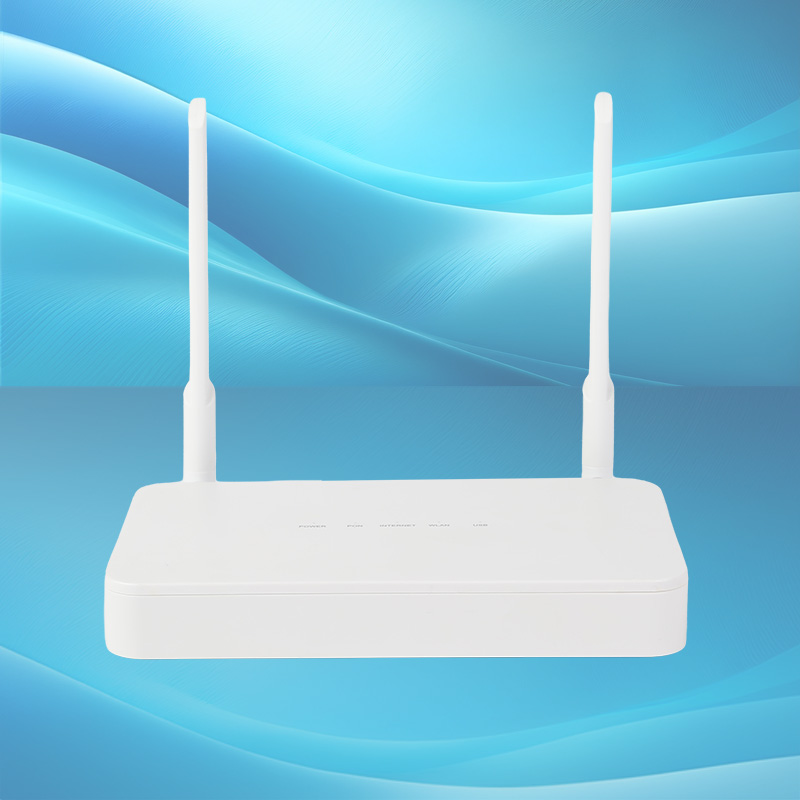
Explore our core optical line terminals and high-performance ONU devices optimized for FTTR and FTTH network deployment.
For over a decade, Fiber to the Home (FTTH) has been the cornerstone of global broadband infrastructure. However, as residential and commercial bandwidth demands shift from megabits to gigabits, traditional FTTH exhibits significant limitations. When optical fiber terminates at a single gateway near the entrance of a building, the distribution of high-speed internet relies on Ethernet cabling or wireless Wi-Fi routers. Wi-Fi signals suffer severe attenuation when traversing concrete walls, glass, and metal structures, resulting in "dead zones" and high latency in distant rooms. This is where Fiber to the Room (FTTR) emerges as the ultimate solution.
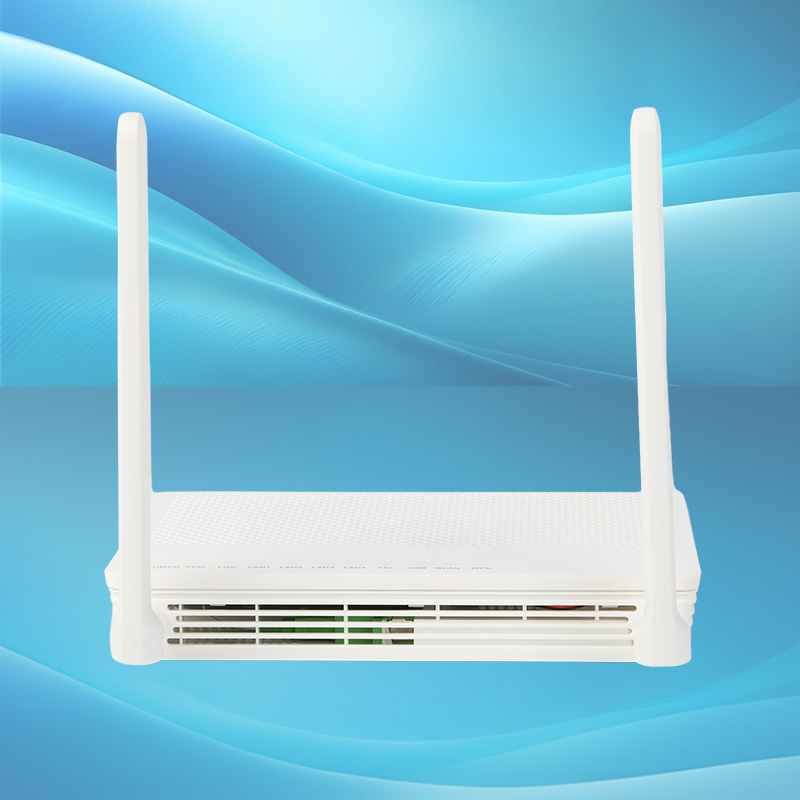
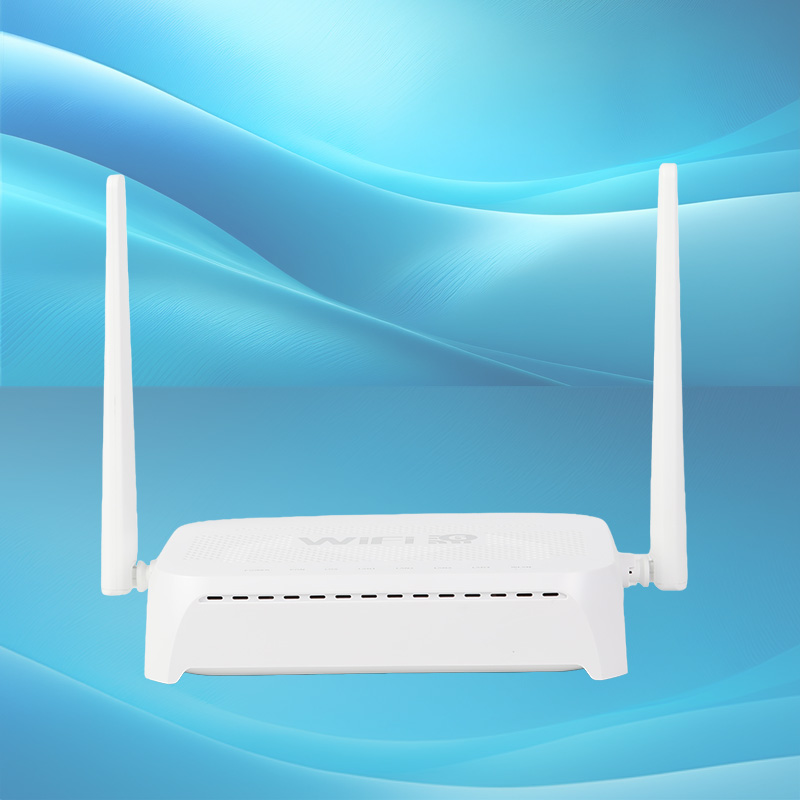
FTTR extends the optical fiber interface directly to individual rooms, replacing copper cables with ultra-thin, transparent optical fibers that are virtually invisible. By utilizing a ZTE GPON ONU for FTTR Gigabit Wi-Fi 6 Networking, network architectures transition from a single centralized access point to a co-ordinated multi-room optical network. The master ONU links to the Optical Line Terminal (OLT) at the central office, while slave ONUs installed in various rooms connect via optical splitters, ensuring latency-free, gigabit-level fiber connectivity throughout the entire premises.
Traditional Wi-Fi extenders degrade bandwidth by up to 50% per hop. FTTR uses optical backhaul, guaranteeing 100% throughput to every node.
Glass fibers have virtually unlimited bandwidth potential, allowing seamless upgrades to 10G-PON and beyond without rewiring.
The integration of GPON (Gigabit Passive Optical Network) technology with the Wi-Fi 6 standard on ZTE ONUs creates a highly efficient access ecosystem. Wi-Fi 6 introduces key features such as Orthogonal Frequency-Division Multiple Access (OFDMA), Multi-User Multiple-Input Multiple-Output (MU-MIMO), and Target Wake Time (TWT). When paired with the raw speed of a GPON uplink, the ZTE GPON ONU can distribute gigabit speeds wirelessly without congestion.
OFDMA allows the ONU to divide a single wireless channel into multiple sub-channels, transmitting data to dozens of connected devices simultaneously rather than sequentially. This is crucial in modern smart homes and IoT-dense office environments. Furthermore, ZTE’s advanced beamforming algorithms dynamically focus wireless energy toward active client devices, enhancing penetration and maintaining stable gigabit throughput even through structural obstacles.
Globally, telecom operators are actively shifting their focus from selling bandwidth to selling experience. In regions like East Asia, Europe, and the Middle East, Tier-1 operators have launched premium FTTR subscriptions. The hardware foundation of these deployments hinges on robust, cost-effective GPON and XG-PON ONUs. By offering FTTR packages, operators can increase Average Revenue Per User (ARPU), reduce churn rates, and minimize customer service requests related to poor Wi-Fi coverage.
From an industrial perspective, real estate developers and smart home installers are increasingly pre-installing optical fiber micro-ducts and FTTR-compatible outlets during the construction phase. The ZTE GPON ONU series provides the versatility required for these commercial deployments, offering compact form factors, low power consumption, and seamless interoperability with third-party OLTs. This standardization accelerates deployment timelines and lowers capital expenditure (CAPEX) for service providers.
Modern residences are filled with high-bandwidth, low-latency applications such as 8K UHD streaming, cloud gaming, and virtual reality (VR) headsets. A single central router cannot handle these loads when multiple family members stream simultaneously from different rooms. A ZTE GPON ONU FTTR network ensures that each room has a dedicated optical node. With seamless roaming protocols (802.11k/v/r), users can move from the living room to the bedroom during a video call or gaming session without experiencing packet loss or disconnection, as handovers occur in under 50 milliseconds.
Small offices and home offices (SOHOs) demand enterprise-grade network stability. Video conferencing, large cloud backups, and collaborative design tools require symmetrical high-speed access. Deploying a ZTE GPON ONU as the master gateway allows businesses to partition network traffic using VLANs, prioritize critical business applications via Quality of Service (QoS) engines, and connect high-definition IP cameras and VoIP phones directly to localized slave ONUs without overloading the central network switch.
Hotels and schools face unique challenges regarding high user density and physical layout constraints. Thick walls in guest rooms and large classroom spaces often block traditional Wi-Fi signals. By deploying FTTR architectures with ZTE GPON ONUs, hotels can provide dedicated gigabit nodes in every suite, supporting smart room controls, IPTV, and high-speed guest Wi-Fi. In educational institutions, this setup supports digital classrooms, online testing, and interactive smartboards without network lag.
To deliver true gigabit speeds, the internal architecture of the ZTE GPON ONU utilizes high-performance network processors capable of hardware-based forwarding. Unlike software-forwarding architectures that suffer from CPU bottlenecks under heavy loads, these dedicated chipsets handle NAT, firewall, and QoS processes at line rate. The optical transceivers conform to ITU-T G.984 standards, featuring high receiver sensitivity (typically Class B+ or C+) to maintain stable connections even over long optical distribution network (ODN) paths with high attenuation.
Furthermore, ZTE's FTTR management software integrates with TR-069 and OMCI protocols, enabling telecom operators to perform remote diagnostics, firmware upgrades, and Wi-Fi optimization without dispatching technicians to the site. Features like automatic channel selection, neighbor interference mitigation, and real-time link monitoring significantly reduce operational expenditure (OPEX).
As broadband demands continue to double every few years, the underlying optical infrastructure must remain adaptable. While GPON (2.5 Gbps downstream / 1.25 Gbps upstream) remains the dominant technology today, the industry is transitioning toward 10G-PON (XG-PON / XGS-PON) and Wi-Fi 7. ZTE GPON ONUs for FTTR are designed with this migration path in mind. Many master ONUs feature auto-sensing WAN ports that can interface with either GPON or 10G-PON uplinks, allowing operators to upgrade central office OLTs without replacing the customer premises equipment (CPE) in every room, protecting long-term capital investments.
Wenzhou AIOU Optical Communication Co., Ltd. – Leading the World in Optical Access Solutions
Established in 2006, Wenzhou AIOU Optical Communication Co., Ltd. is a professional high-tech enterprise dedicated to the full industrial chain of optical network access solutions, covering research and development, manufacturing, sales, and after-sales service. We focus on delivering cutting-edge passive optical network (PON) products, including EPON, GPON, and XPON series, which are carefully tailored to meet the diverse needs of global customers in different regions and industries. With a firm commitment to independent innovation, we have built a strong R&D team composed of senior engineers with years of industry experience, holding multiple core technology patents and forming a comprehensive industrial chain, thus effectively serving various sectors such as operator networks, government and enterprise information systems, smart parks, and home broadband access.
Our complete product line covers OLT (Optical Line Terminal), ONU (Optical Network Unit), high-performance optical modules, and network switching equipment, supporting access rates ranging from 10/100M to 10G. These solutions are characterized by high performance, stable reliability, low latency, and easy deployment, perfectly aligning with customers’ demands for secure, stable, and high-speed communication networks. All our products have passed strict CE certification, as well as other international quality certifications, and are exported to more than 20 countries and regions across South America, Africa, Eastern Europe, Southeast Asia, and the Middle East, winning wide recognition from global partners for their superior quality and cost-effectiveness.
We operate a standardized 2,000-square-meter production zone equipped with advanced automated production and testing equipment, where we strictly adhere to ISO9001 quality management systems, CCC, and CE standards to ensure the consistency and reliability of each product. Our core mission is to exceed customer expectations by providing premium quality products, efficient and thoughtful after-sales services, and industry-leading technical support, continuously driving technological innovation and development in the global optical network infrastructure field.
Explore our complete catalog of high-performance optical interface boards, optical transceivers, and ONUs designed for next-generation network infrastructures.