Wenzhou AIOU Optical Communication Co., Ltd.



Leave Your Message
-
 Get Your Quote
-
 Email
Premium GPON & EPON carrier-class central office solutions engineered for robust American telecommunications infrastructures.
The telecommunications landscape in the United States is undergoing a monumental shift. With the federal government committing historic funding through the Broadband Equity, Access, and Deployment (BEAD) program, local internet service providers (ISPs), electric cooperatives, and municipal utilities are racing to deploy fiber-to-the-home (FTTH) networks. In this deployment surge, choosing the right Optical Network Unit (ONU) and Optical Line Terminal (OLT) architecture is vital to balances capital expenditure (CAPEX) with long-term operational efficiency (OPEX).
While GPON and XGS-PON remain dominant in Tier 1 carrier networks, EPON (Ethernet Passive Optical Network) continues to hold a strategic foothold in municipal utility networks and rural enterprise setups across states like Texas, Ohio, and North Carolina. The inherent compatibility of EPON with native Ethernet protocols simplifies integration for power companies and local cooperatives transitioning into broadband service providers. As US networks scale, finding a reliable wholesale factory partner that provides flexible, cost-efficient, and compliant EPON/GPON/XPON hardware is essential for staying competitive.
American network architectures are highly diverse, spanning dense urban high-rises to sprawling midwestern farmlands. A one-size-fits-all hardware approach does not work. Here is how EPON and GPON solutions are being deployed across key US sectors:
Across the American Midwest and Southern regions, electric cooperatives are utilizing their existing utility pole infrastructure to run fiber. Because these cooperatives already manage Ethernet-based systems for smart grid monitoring, EPON technology provides a seamless fit. Using cost-effective EPON ONUs, they can deliver reliable VoIP and high-speed broadband to rural homes that were previously limited to sluggish satellite or DSL connections.
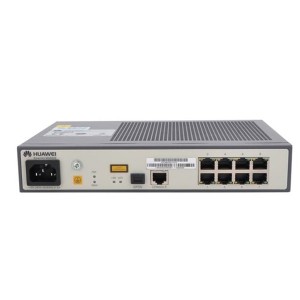
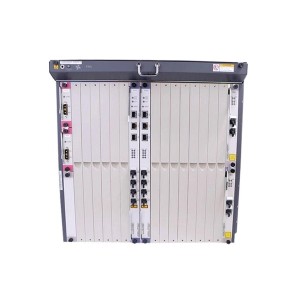
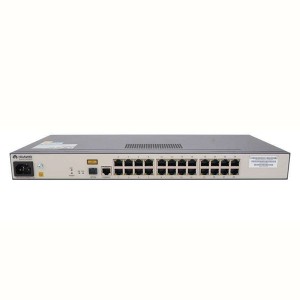
In major metropolitan areas such as New York, Chicago, and Los Angeles, retrofitting older apartment buildings with fiber can be structurally challenging. Operators frequently use high-density OLTs (such as the MA5620 series with 8 or 16 ports) located in the basement, combined with copper or coaxial distribution inside the building. This hybrid fiber-to-the-building (FTTB) setup allows ISPs to deliver near-gigabit speeds without drilling through historic walls.
US corporations, universities, and military bases are increasingly replacing traditional copper-based Local Area Networks (LANs) with Passive Optical LANs. By utilizing EPON or GPON ONUs at each desk or workstation, enterprises drastically reduce power consumption, eliminate closet space required for active switches, and future-proof their campus networks with secure, long-distance optical links.
American municipalities are investing heavily in smart city infrastructure, including IP security cameras, smart traffic signaling, and public Wi-Fi hotspots. Hardened, compact ONUs are installed in outdoor utility enclosures to connect these devices back to a central OLT, ensuring low-latency data transmission for emergency response systems.
Learn about Wenzhou AIOU Optical Communication Co., Ltd., a leader in optical network access solutions.
Established in 2006, Wenzhou AIOU Optical Communication Co., Ltd. is a professional high-tech enterprise dedicated to the full industrial chain of optical network access solutions, covering research and development, manufacturing, sales, and after-sales service. We focus on delivering cutting-edge passive optical network (PON) products, including EPON, GPON, and XPON series, which are carefully tailored to meet the diverse needs of global customers in different regions and industries. With a firm commitment to independent innovation, we have built a strong R&D team composed of senior engineers with years of industry experience, holding multiple core technology patents and forming a comprehensive industrial chain, thus effectively serving various sectors such as operator networks, government and enterprise information systems, smart parks, and home broadband access.
Our complete product line covers OLT (Optical Line Terminal), ONU (Optical Network Unit), high-performance optical modules, and network switching equipment, supporting access rates ranging from 10/100M to 10G. These solutions are characterized by high performance, stable reliability, low latency, and easy deployment, perfectly aligning with customers’ demands for secure, stable, and high-speed communication networks. All our products have passed strict CE certification, as well as other international quality certifications, and are exported to more than 20 countries and regions across South America, Africa, Eastern Europe, Southeast Asia, and the Middle East, winning wide recognition from global partners for their superior quality and cost-effectiveness.
We operate a standardized 2,000-square-meter production zone equipped with advanced automated production and testing equipment, where we strictly adhere to ISO9001 quality management systems, CCC, and CE standards to ensure the consistency and reliability of each product. Our core mission is to exceed customer expectations by providing premium quality products, efficient and thoughtful after-sales services, and industry-leading technical support, continuously driving technological innovation and development in the global optical network infrastructure field.
As bandwidth demand continues to grow, the US fiber market is transitioning from legacy GPON (2.5G Down/1.25G Up) and EPON (1.25G symmetrical) architectures toward next-generation technologies. Hardware flexibility is critical to this transition.
To simplify inventory management for wholesale distributors and ISPs, manufacturers have developed XPON ONUs. These devices automatically detect whether they are connected to an EPON or GPON OLT line card and adjust their firmware protocol accordingly. This flexibility reduces configuration errors and allows operators to upgrade their central office OLTs without replacing customer premises equipment (CPE).
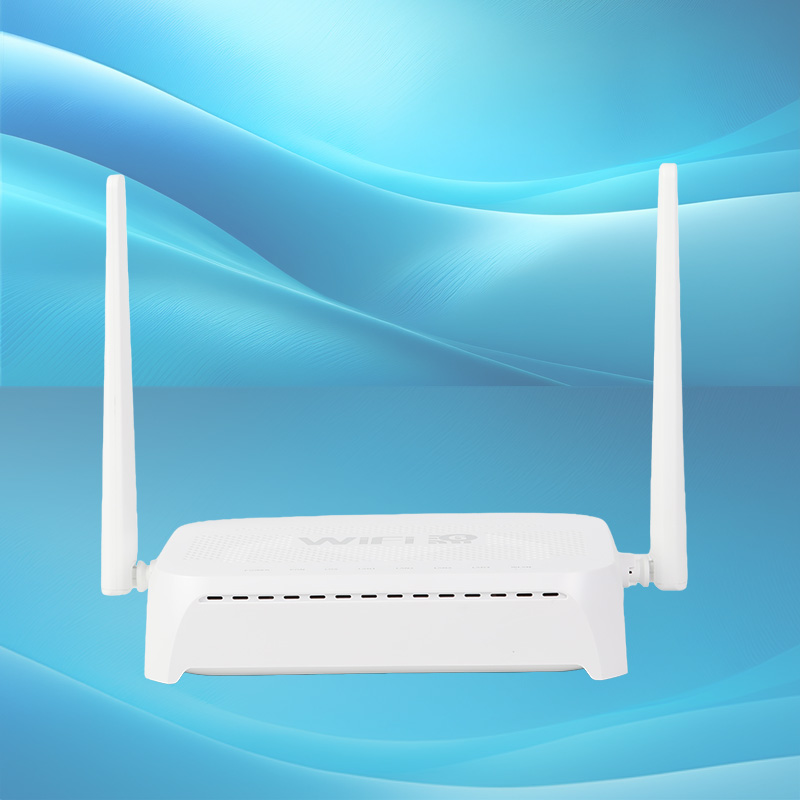
Historically, ISPs deployed simple bridge-mode ONUs connected to a standalone home router. Today, the trend points toward integrated gateways. Products like the H3-1S 4GE AX1800 Wi-Fi 6 XPON ONU combine the optical receiver, network switch, and high-speed wireless router into a single unit. This reduces clutter for the end-user, minimizes points of failure, and allows ISPs to manage the entire home network remotely via TR-069 protocols.
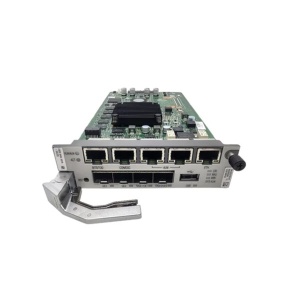
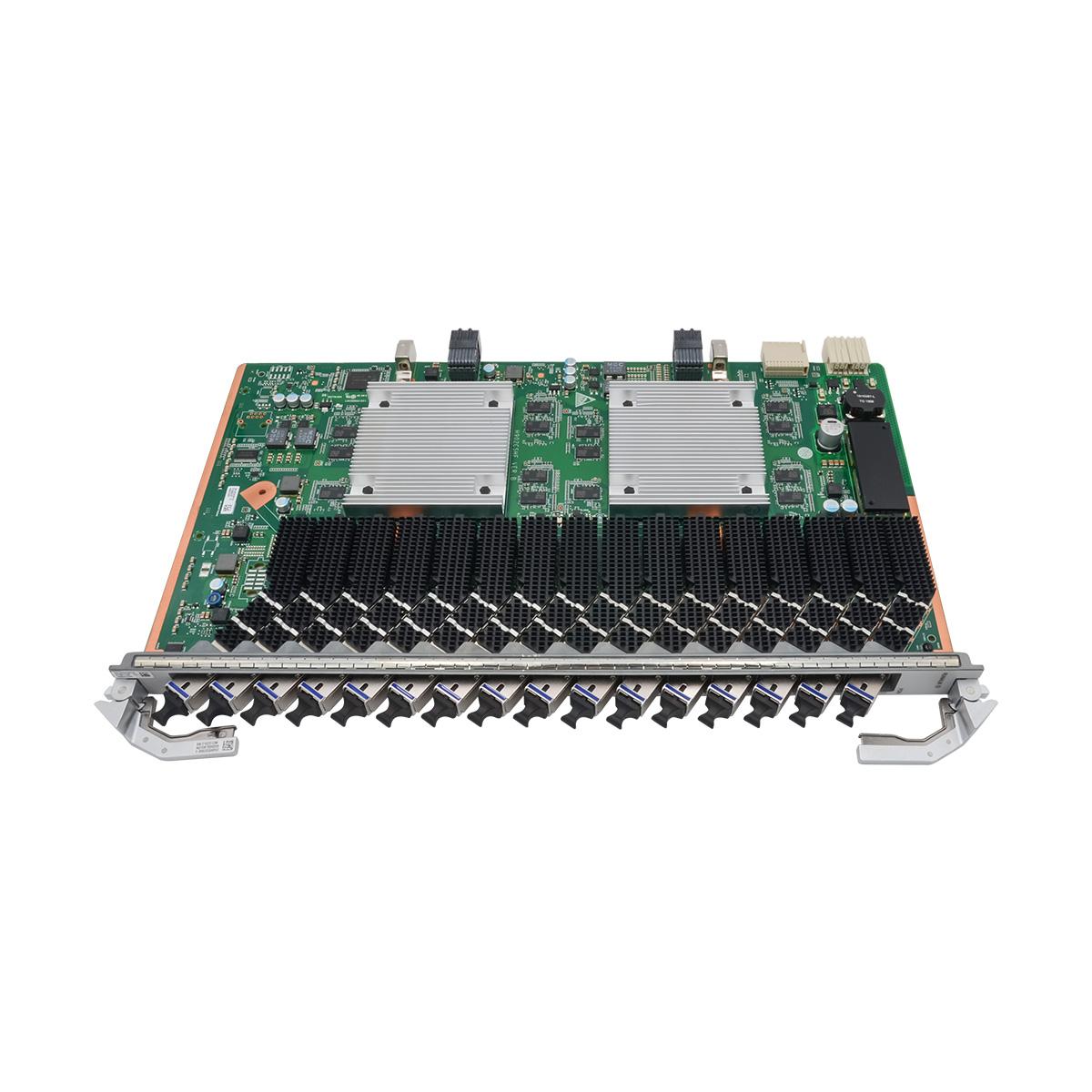
With multi-gigabit plans becoming a major selling point in competitive US markets, operators are deploying hybrid OLTs. By utilizing service boards like the MPSA 10G OLT Service Board, network operators can run legacy GPON and ultra-fast 10G services over the same physical optical distribution network (ODN), facilitating a gradual, cost-effective upgrade path.
Navigating the wholesale procurement process from a global factory requires a clear understanding of pricing variables, compliance standards, and logistics. When requesting a pricelist for the United States, consider the following key factors:
Before importing optical network equipment into the United States, compliance with FCC (Federal Communications Commission) regulations for electromagnetic interference must be verified. Additionally, power adapters must carry UL (Underwriters Laboratories) or equivalent safety certifications to ensure safe operation within American homes and businesses.
Answers to common questions from US network operators, engineering firms, and broadband distributors.
Explore our full range of optical network terminals, line cards, and accessories available for wholesale export to the US.