Wenzhou AIOU Optical Communication Co., Ltd.



Leave Your Message
-
 Get Your Quote
-
 Email
High-performance transceivers and interface boards engineered for seamless compatibility and rapid integration across major US telecommunications systems.
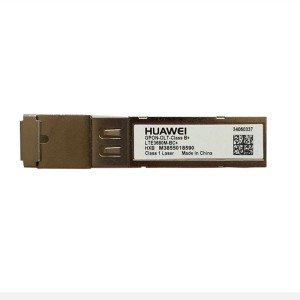



The telecommunications infrastructure in the United States is undergoing a massive, multi-billion-dollar transformation. Driven by the rapid expansion of 5G cellular networks, hyperscale data center deployments, and aggressive Fiber-to-the-Home (FTTH) initiatives, the demand for reliable optical transceivers has escalated dramatically. Among these components, the SFP Module 10G remains a critical workhorse for enterprise networks, metropolitan area networks (MANs), and access nodes across the nation.
In the United States, technology hubs such as Silicon Valley in California, the Northern Virginia data center corridor (Ashburn), and emerging tech clusters in Texas and Oregon require high-density, low-latency interconnection solutions. The 10G SFP+ (Small Form-factor Pluggable Plus) interface offers the optimal balance of cost, power efficiency, and bandwidth capacity for these environments. As US enterprises transition from legacy copper infrastructure to fiber-optic systems, optical transceivers act as the vital bridge, ensuring seamless data transmission over short-reach (SR) and long-reach (LR) distances.
Optimized for high-frequency trading and real-time cloud computing applications across US metropolitan hubs.
Enables seamless network maintenance and expansion without interrupting critical enterprise data flows.
Strict adherence to Multi-Source Agreements guarantees multi-vendor interoperability in complex US networks.
Furthermore, federal funding programs like the Broadband Equity, Access, and Deployment (BEAD) program are injecting billions of dollars into rural broadband infrastructure. This initiative requires high-quality network components, including GPON, XG-PON, and 10G EPON systems, to bridge the digital divide. As a leading SFP Module 10g exporter and factory for United States, we supply certified, carrier-grade optical hardware designed to meet the stringent requirements of US network operators, regional ISPs, and municipal utility networks.
Focused on the research, development, and manufacturing of optical network access solutions tailored for the North American market.


The landscape of optical networking in North America is evolving rapidly. Key technological trends are reshaping how internet service providers (ISPs) and enterprise data centers design their fiber architectures. Understanding these trends is vital for procurement managers and system integrators looking to source components from a reliable SFP Module 10g factory.
While traditional GPON (Gigabit Passive Optical Network) technology has served broadband networks well, the demand for symmetrical upload and download speeds has accelerated the transition to XGS-PON. XGS-PON operates at nominal rates of 10 Gbps downstream and upstream. This migration directly impacts the demand for 10G SFP transceivers and high-speed OLT service boards, which serve as the backbone interfaces for central office terminals in US networks.
To reduce latency for artificial intelligence (AI) applications, autonomous vehicles, and IoT processing, US cloud providers are building micro-data centers at the edge of the network. These distributed nodes require robust, compact, and high-temperature-tolerant 10G SFP+ modules. Operating in non-temperature-controlled outdoor cabinets, these modules must feature industrial-grade operating temperature ranges (-40°C to 85°C) to withstand the diverse climatic conditions across the United States.
Historically, US network operators were locked into proprietary hardware ecosystems. However, the modern trend leans heavily toward open networking and white-box switches. This shift highlights the importance of sourcing transceivers that offer broad interoperability. As an experienced exporter, our 10G SFP modules are programmed with custom EEPROM configurations to ensure 100% compatibility with major US networking brands, including Cisco, Juniper, Arista, and Ciena.
To understand the utility of 10G optical infrastructure, it is helpful to look at real-world deployments across various industries in the United States. High-speed optical modules are the unseen engines powering modern digital life.
Major academic institutions across the US demand massive bandwidth to support research facilities, online learning platforms, and thousands of connected student devices. By utilizing 10G SFP+ transceivers in their core switches, universities can aggregate traffic from multiple department buildings back to the central server room, ensuring uninterrupted high-speed access for research and learning.
In data center hubs like Northern Virginia and Silicon Valley, hyperscale operators deploy 10G and 100G optical modules to link neighboring facilities. Using dense wavelength division multiplexing (DWDM) over 10G SFP+ modules allows operators to maximize fiber efficiency, transmitting multiple data channels over a single fiber pair to handle massive inter-facility traffic.
Faced with limited connectivity from major telecoms, many municipal governments in states like Colorado, Tennessee, and Utah are building their own public fiber networks. Utilizing high-power GPON OLT C++ optical modules and high-speed 10G OLT service boards, these municipal networks provide reliable, gigabit-speed internet access to rural homes, schools, and local businesses, driving economic growth.
AIOU Fiber Communication Technology focuses on providing comprehensive electronic technology products optimized for US telecom and enterprise standards.
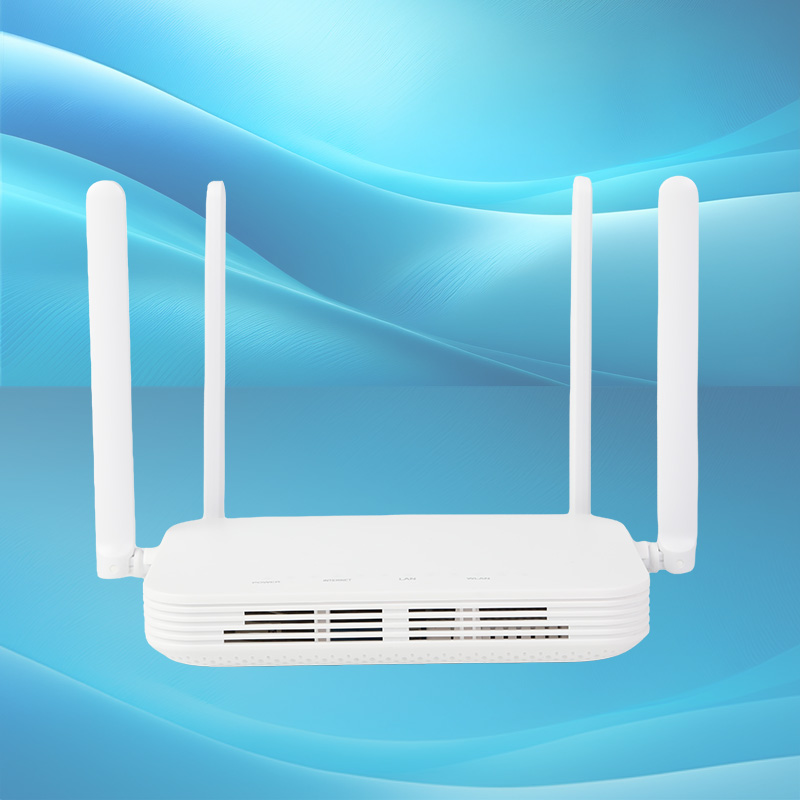
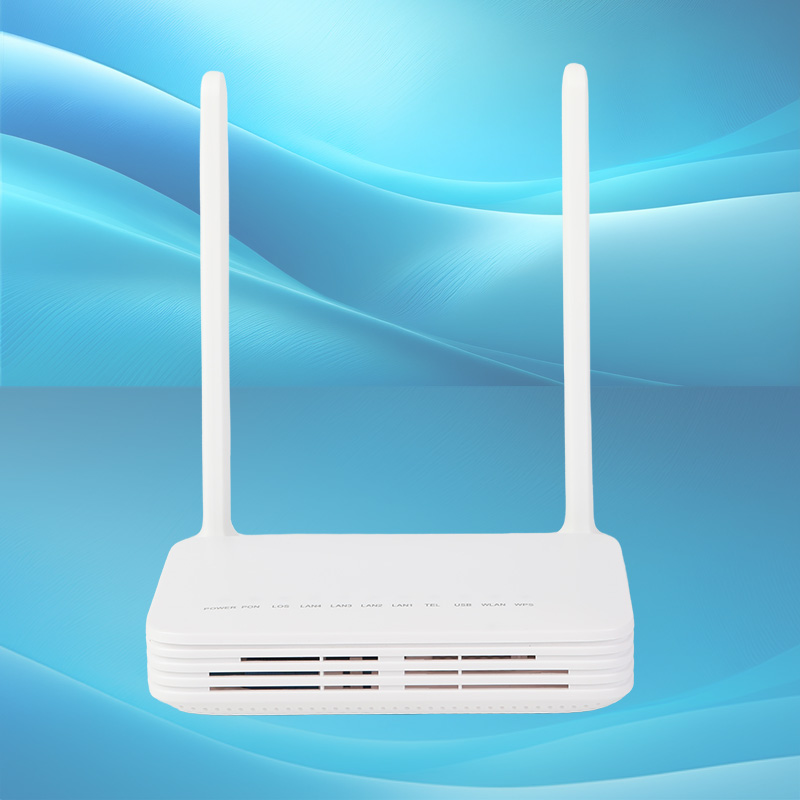
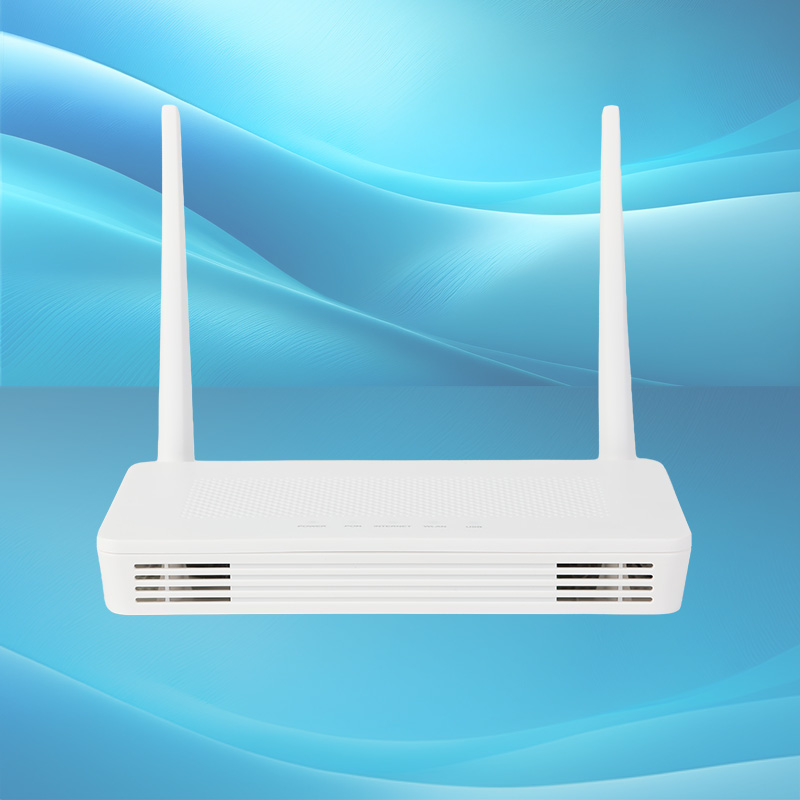
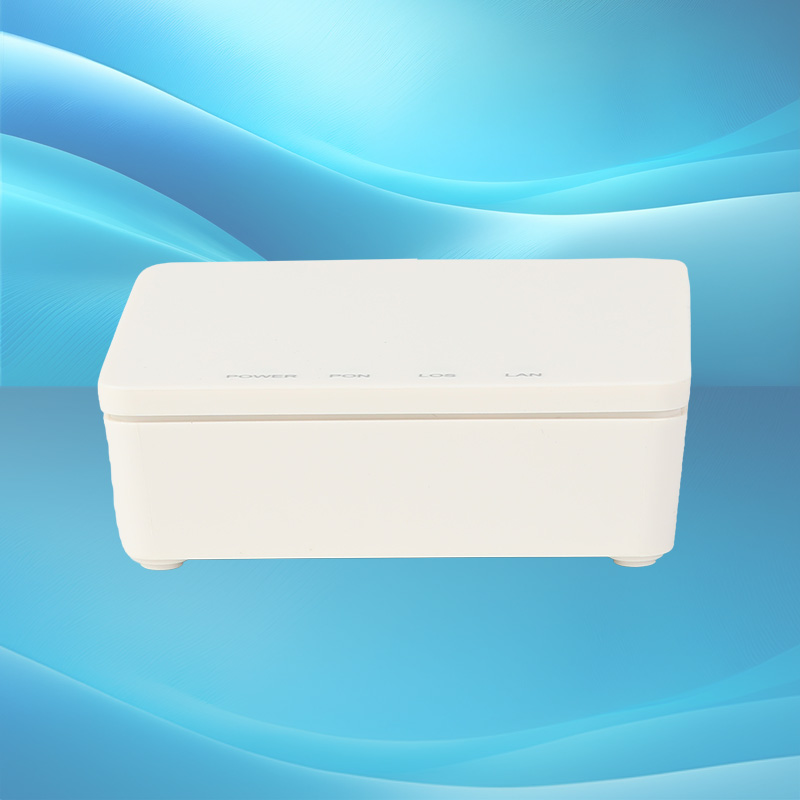
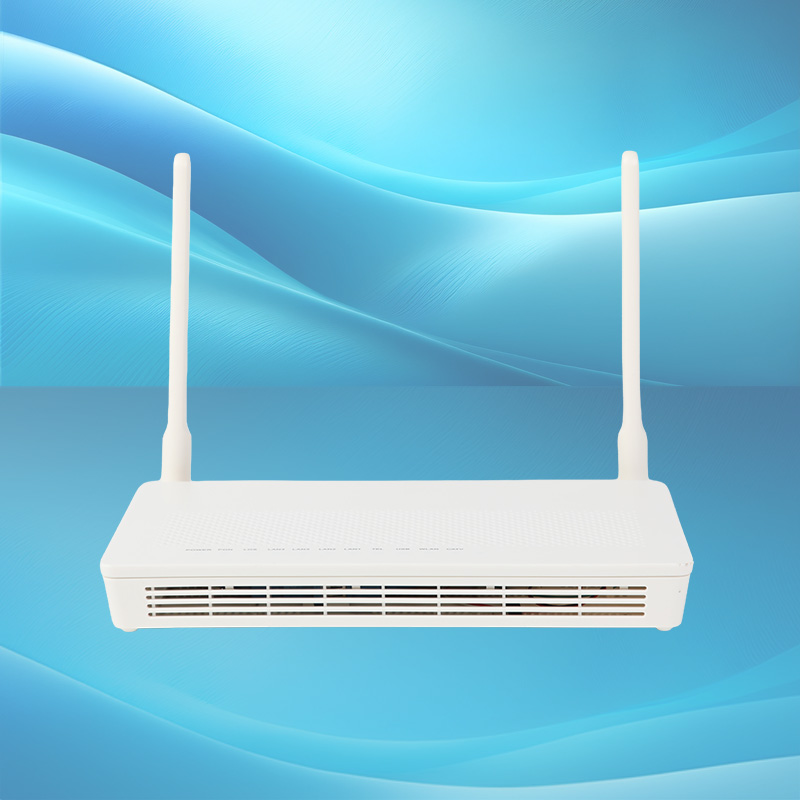

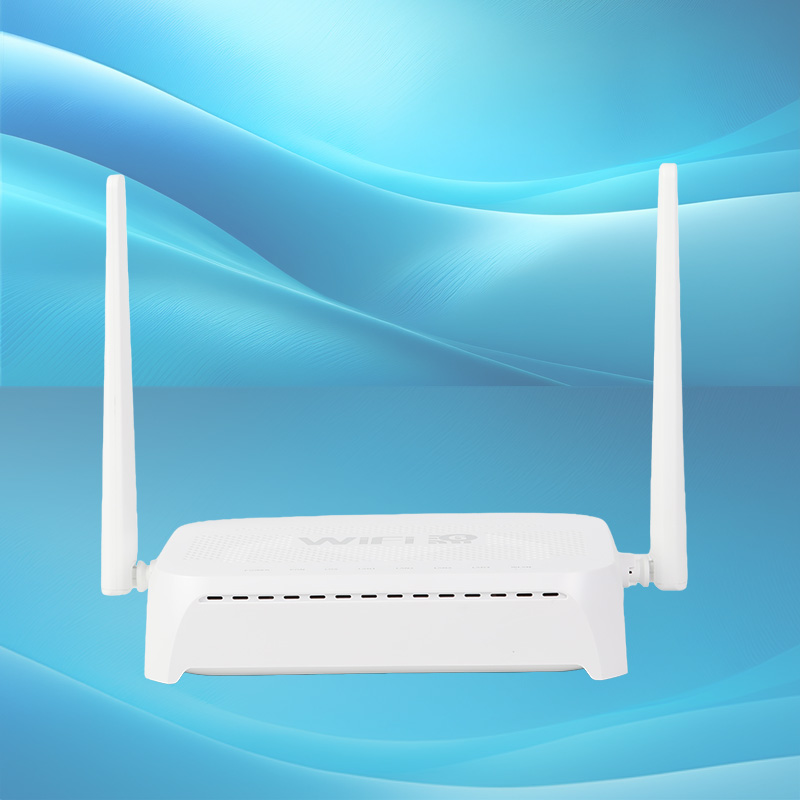

Choosing the right hardware supplier is critical for maintaining network uptime and operational efficiency. As a dedicated SFP Module 10g exporter and factory, we prioritize quality, compliance, and rapid delivery to meet the demanding requirements of our clients in the United States.
Our manufacturing facility utilizes advanced, automated production lines to produce optical transceivers and network interface boards. Every 10G SFP module undergoes rigorous testing, including eye diagram analysis, spectral testing, and temperature cycling, to guarantee long-term reliability. We ensure our components perform flawlessly in demanding data center environments.
We understand the regulatory environment in the United States. All optical products exported to the US market comply with key industry standards, including FCC, CE, RoHS, and FDA laser safety regulations. Additionally, our transceivers adhere to Multi-Source Agreements (MSA), guaranteeing physical and electrical compatibility with standard network switches and routers.
Time-to-market is crucial for network deployments. We have optimized our global supply chain and logistics pathways to ensure fast shipping to major ports and distribution centers across the US. Our technical support team is available to assist with custom coding, compatibility questions, and post-installation troubleshooting, ensuring a seamless integration experience.
Every network has unique requirements. Whether you need custom labeling, specific transmission distances (ranging from 300m over multi-mode fiber to 80km over single-mode fiber), or specialized EEPROM programming for legacy systems, our engineering team can design and manufacture tailored solutions to meet your exact specifications.