Wenzhou AIOU Optical Communication Co., Ltd.



Leave Your Message
-
 Get Your Quote
-
 Email
High-performance interface boards and transceiver modules tailored for seamless smart campus backbones.
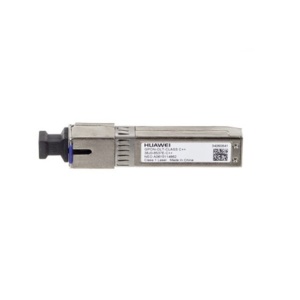
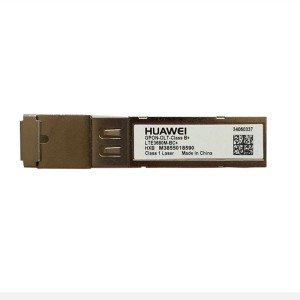
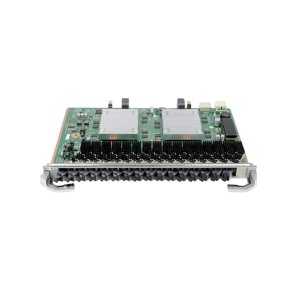
Modern campuses, including universities, corporate parks, and government complexes, are undergoing rapid digital transformations. The integration of high-definition video surveillance, cloud computing, IoT sensors, and high-density Wi-Fi 6/7 access points has put unprecedented strain on legacy copper-based infrastructures. To address these bandwidth-hungry and latency-sensitive demands, network operators are turning to all-optical networks (AON) and Passive Optical LAN (POL) topologies.
At the heart of this optical revolution is the SFP Module 10G 10km. This specific class of optical transceivers, running at 10 Gigabits per second over a distance of up to 10 kilometers, serves as the ultimate workhorse for smart campus backbones. By utilizing single-mode fiber (SMF) links, these transceivers eliminate the distance limitations of copper cables (which are restricted to 100 meters) and bypass the high attenuation rates of multi-mode fibers, providing a future-proof foundation for digital campus ecosystems.
Transitioning to an all-optical campus layout using 10G 10km SFP modules reduces power consumption by up to 50%, slashes cabling space requirements by 80%, and guarantees a lifespan of over 15 to 20 years for the underlying physical media.
The global market for optical transceivers is experiencing exponential growth, driven by the rollout of 5G enterprise private networks and smart city initiatives. Industry statistics show that the 10G SFP+ LR (Long Range) module remains one of the most widely shipped form factors globally. Its commercial dominance is attributed to its optimal balance between manufacturing maturity, cost-efficiency, and performance reliability.
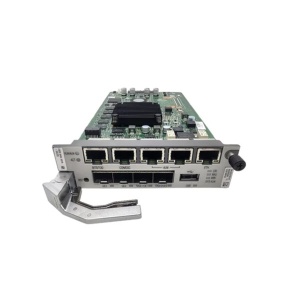
From a commercial perspective, smart campus deployments require highly interoperable hardware. Legacy systems often featured proprietary locking mechanisms, but today's market demands open, multi-vendor compatible transceivers. Modern SFP modules are designed to conform strictly to MSA (Multi-Source Agreement) standards, ensuring that an SFP module 10g 10km can be plugged into switches, routers, and OLT (Optical Line Terminal) service boards from various manufacturers without compatibility issues. This interoperability has driven down capital expenditures (CAPEX) for enterprises, allowing them to scale their networks flexibly.
In a typical smart campus hierarchy, the central data center houses the core switches, while separate buildings (dormitories, administrative offices, laboratories) act as aggregation nodes. Connecting these buildings requires reliable, high-bandwidth links that span across the campus grounds. The 10G 10km SFP module is ideal for these inter-building links. Its 10-kilometer reach ensures that even large-scale campuses can be fully interconnected without the need for intermediate optical repeaters, minimizing point-of-failure risks.
Wireless access points (APs) in modern campuses are no longer just for basic web browsing. They support virtual reality classrooms, online examinations, and live-streamed lectures. A single Wi-Fi 7 AP can exceed 10 Gbps in peak data rates. To prevent the physical network from becoming a bottleneck, the backhaul link from the PoE switch in the building to the central server room must be upgraded to 10G. Deploying 10G SFP+ modules ensures that the massive wireless traffic is aggregated and routed back to the core network without packet drops or micro-congestions.
Security is a paramount concern for campus management. Modern smart campuses deploy thousands of 4K/8K IP cameras equipped with edge-AI analytics for facial recognition, perimeter security, and crowd control. The continuous, high-definition video streams generate immense uplink traffic. An all-optical network powered by 10G transceivers provides the dedicated, symmetric bandwidth needed to transport these video feeds to central storage arrays and AI processing servers in real-time.
Smart campuses are living laboratories for IoT. From smart lighting and HVAC controls to automated access gates and environmental sensors, thousands of endpoints require internet connectivity. Through GPON/EPON technologies integrated with high-speed OLT service boards, campuses can run multiple virtual networks over a single physical fiber infrastructure. The 10G uplink modules handle the combined load of administrative data, student traffic, and IoT control signals, ensuring complete isolation and security through VLAN tagging and quality of service (QoS) protocols.
Focused on the research, development, and manufacturing of optical network access solutions

Streamlined supply chains and automated manufacturing lines ensure quick turnaround times for bulk orders.

Continuous innovation in silicon photonics and optical packaging to deliver industry-leading efficiency.

Customized labeling, firmware tuning, and hardware optimization tailored to specific network environments.

Strict MSA compliance testing guarantees compatibility with all major global network equipment brands.

Comprehensive technical support, device replacement programs, and lifetime maintenance guidance.

Strong raw material partnerships ensure consistent output even during global component shortages.
Understanding the underlying technology of the 10G 10km SFP+ transceiver helps network architects design more robust systems. Known technically as the 10GBASE-LR module, it operates under the IEEE 802.3ae standard. Key specifications include:
As we look towards the next decade, several key trends are shaping the future of campus optical networks:
While 10G is currently the sweet spot for campus backbones, the transition to 25G and 50G PON is already underway in research-intensive universities and high-tech corporate parks. The optical infrastructure deployed today must support smooth spectral upgrades. Using high-quality 10G SFP modules ensures that the physical fiber plant remains compatible with next-generation wavelengths without requiring costly recabling.
Green initiatives are forcing enterprises to reduce their carbon footprint. Silicon photonics integrates optical components onto a single silicon chip, drastically reducing the power consumption of SFP modules. Lower power consumption translate to reduced heat generation, lowering the cooling requirements of campus server rooms and distribution closets.
Integrating AI into network management software allows for automated fault detection. By analyzing DDM telemetry data from thousands of SFP modules across a campus, the management platform can detect deteriorating fiber links and automatically reroute traffic to redundant paths, ensuring 99.999% uptime for critical campus operations.
Fiber optic communication equipment is widely used in 5G, data centers and smart cities to enable high-speed transmission.
Providing low-latency front-haul and back-haul optical connections for high-density campus small cells.
Enabling high-speed leaf-spine interconnects and efficient switch-to-switch data transmission inside enterprise hubs.
Forming the backbone of municipal fiber rings, bridging traffic from public utilities, cameras, and IoT sensors.
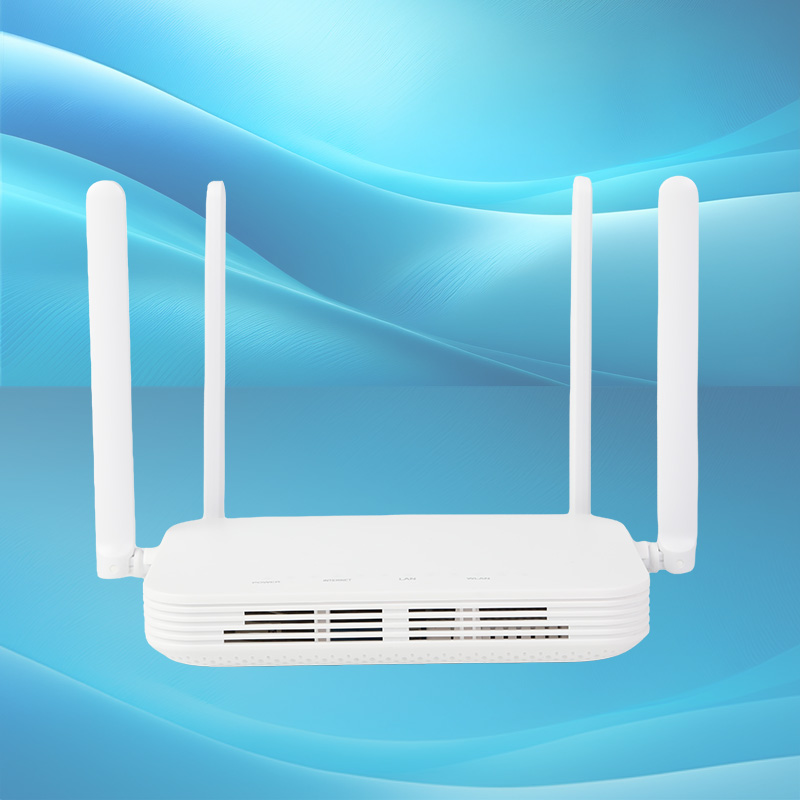
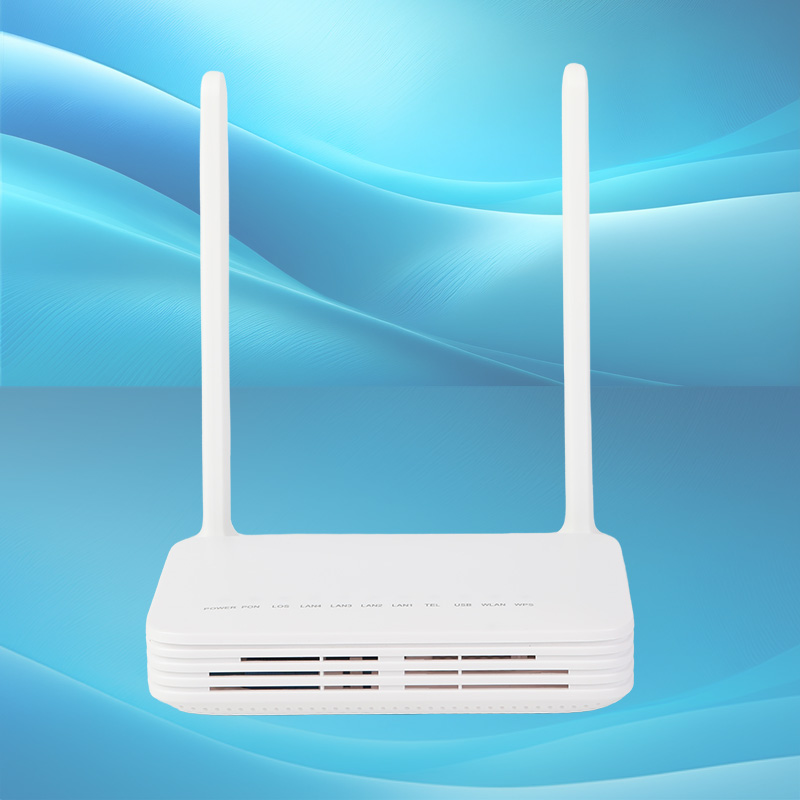
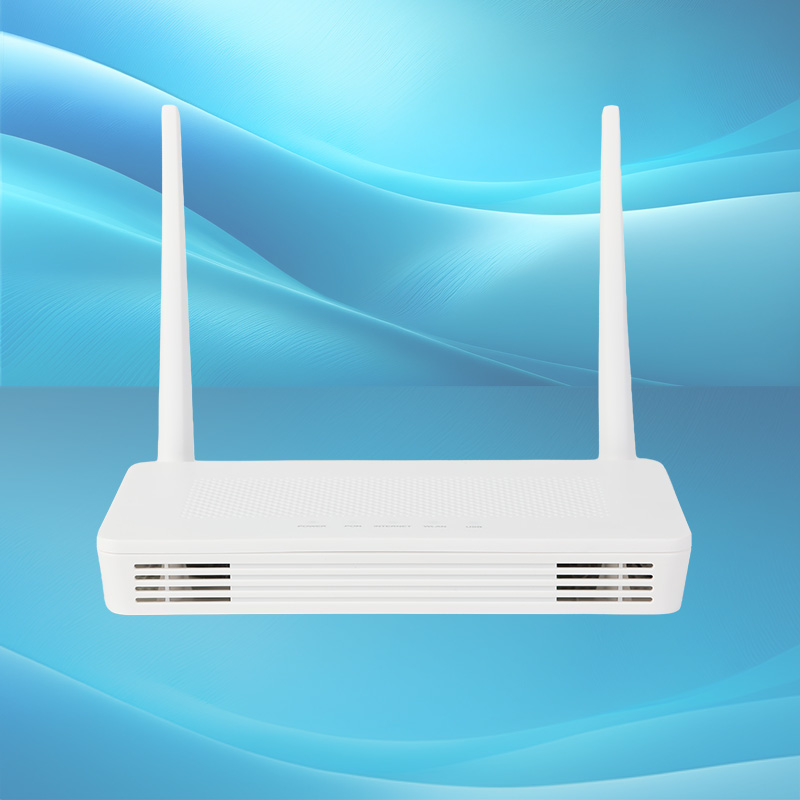
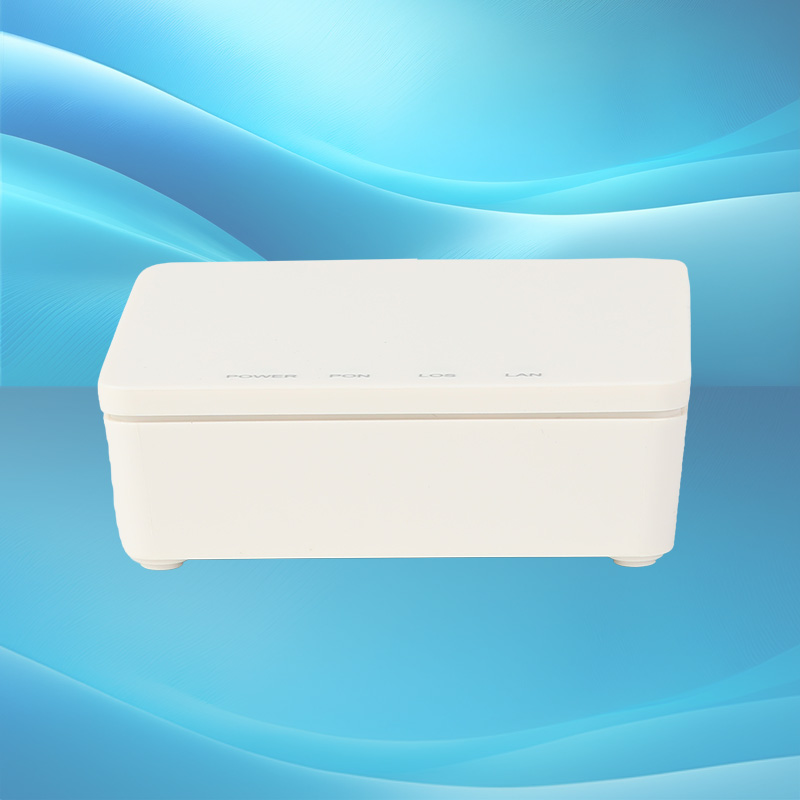
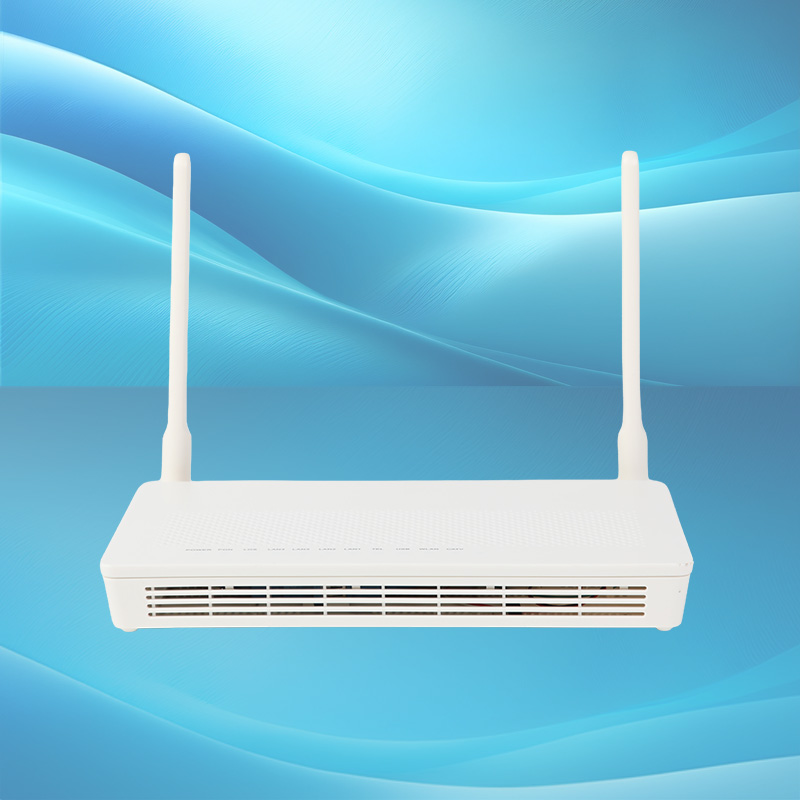
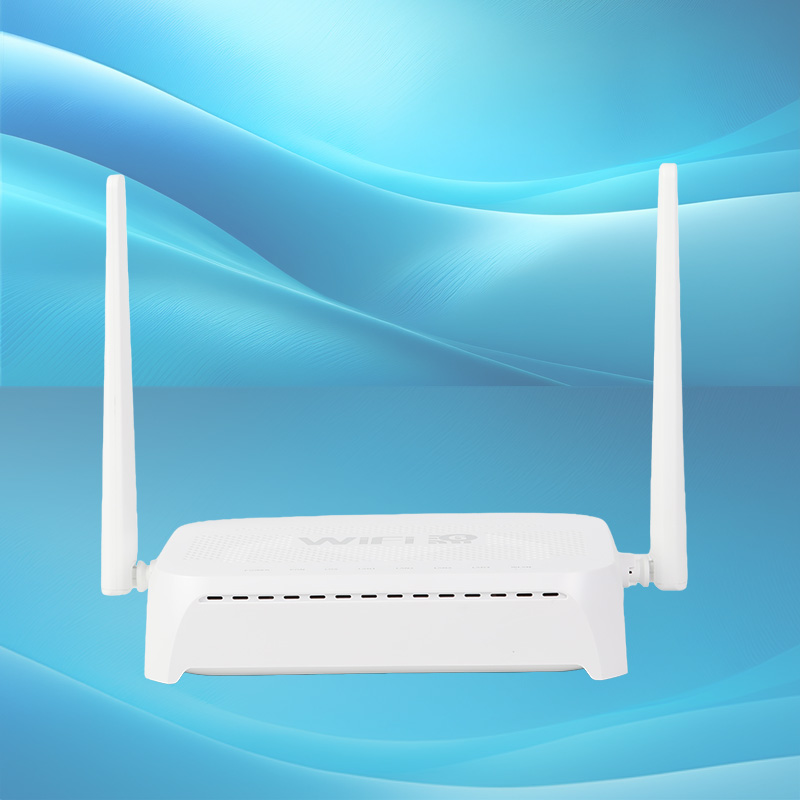
Explore our full range of high-efficiency GPON/XPON ONTs and ONUs designed for smart campus endpoints.