Wenzhou AIOU Optical Communication Co., Ltd.



Leave Your Message
-
 Get Your Quote
-
 Email
Engineered for seamless interoperability with major North American networking switch architectures, including high-power GPON and 10G service boards.
In the vast telecommunications landscape of the United States, linking distant metropolitan nodes, regional data centers, and suburban hub sites requires robust, long-range optical transceivers. The SFP 10G 80km optical module, commonly referred to as the 10G SFP+ ZR, operates at a nominal wavelength of 1550nm over single-mode fiber (SMF). It serves as the backbone for middle-mile transport and long-haul enterprise networks without requiring expensive inline optical amplification.
As US telecom operators rapidly expand fiber-to-the-home (FTTH) networks and municipal broadband schemes, the requirement for cost-efficient, high-reliability long-reach optics has hit an all-time high. From the hyperscale data center corridors of Northern Virginia to the sprawling municipal networks in the Midwest, SFP 10G 80km modules are vital components in maintaining reliable transmission over extended geographical spans.
The practical application of SFP 10G 80km transceivers varies significantly across different US industries. Understanding these scenarios helps network architects select the correct specifications and obtain accurate quotes from manufacturers.
Major tech hubs such as Northern Virginia (Ashburn), Silicon Valley (Santa Clara), and the Dallas-Fort Worth metroplex host dense clusters of data centers. To sync databases and share computing loads, these facilities must connect directly. The SFP 10G 80km transceiver allows operators to bridge these sites over dark fiber networks. By operating at the 1550nm wavelength with an Avalanche Photodiode (APD) receiver, these modules overcome high fiber attenuation over long distances, ensuring zero packet loss during critical data replication tasks.
US utility companies, such as Pacific Gas and Electric (PG&E) or Duke Energy, manage vast physical infrastructures that span thousands of square miles. They utilize private fiber networks run along high-voltage transmission lines to monitor substation health, distribute smart grid data, and maintain internal communications. SFP 10G 80km transceivers provide the necessary power budget (typically 23dB or higher) to traverse long rural stretches between substations without the need for active repeater stations, reducing maintenance costs and point-of-failure risks.
For US critical infrastructure, always ensure your SFP 10G 80km modules support DDM/DOM. This allows network administrators to monitor real-time parameters such as optical output power, receiver sensitivity, temperature, and transceiver supply voltage from a centralized management platform, enabling predictive maintenance before a link failure occurs.
Wireless Internet Service Providers (WISPs) and regional telecom cooperatives in states like Montana, Texas, and Kansas rely heavily on long-distance optical backhauls. They aggregate traffic from multiple rural tower locations and transport it back to the nearest Tier 1 carrier Point of Presence (PoP). Using 10G 80km ZR modules in their edge routers allows these operators to establish high-speed links over long, unamplified fiber runs, keeping rural communities connected with minimal infrastructure overhead.
Focused on the research, development, and manufacturing of optical network access solutions tailored for high-demand global markets.

Our streamlined manufacturing processes and stock management ensure rapid turnaround times, helping US network operators meet tight project schedules.

Our dedicated R&D division continuously refines optical performance, developing cutting-edge transceivers compatible with major switch OEMs.

We offer fully customized optical transceiver solutions, including custom EEPROM coding, labeling, and packaging to match your brand specifications.

All transceivers undergo rigorous multi-platform testing to guarantee 100% compatibility with Cisco, Juniper, Arista, and other leading hardware.

We provide comprehensive technical support, long-term warranties, and responsive customer service to ensure peace of mind post-deployment.

Through strategic material sourcing and multi-factory coordination, we secure a steady supply chain free from geopolitical bottlenecks.
Procuring optical transceivers in the United States involves balancing budget constraints, compatibility requirements, and lead times. When requesting a Sfp 10g 80 Km quote, several key variables dictate the final price per unit:
When sourcing directly from global factories supplying the US market, vetting their production standards is critical. A reputable factory should possess the following credentials:
While 100G, 400G, and even 800G coherent optics dominate discussions in core data center environments, the 10G SFP+ 80km remains a highly relevant, stable, and cost-effective workhorse for edge networks. Several trends are shaping the future of this technology:
As fiber availability becomes constrained, operators are migrating from standard 1550nm gray optics to 10G DWDM SFP+ 80km transceivers. DWDM technology allows network operators to multiplex up to 80 different channels onto a single fiber pair. This effectively multiplies fiber capacity by 80 times without laying new cables, making it a highly cost-efficient upgrade path for regional service providers in the US.
Many 10G 80km modules are deployed in unconditioned outdoor cabinets, such as cellular base stations or roadside traffic control boxes. Standard commercial-grade modules (0°C to 70°C) often fail under extreme weather conditions. US network designers are increasingly specifying industrial temperature rated modules (-40°C to 85°C) to ensure uninterrupted service in regions experiencing extreme seasonal temperature variations, such as the Northeast or the Southwest desert.
With sustainability and energy efficiency becoming major corporate mandates for US telecom companies, modern factories are redesigning transceiver circuitry. Newer generations of 10G SFP+ ZR modules consume less than 1.5W of power, representing a significant reduction in heat dissipation. This lower thermal output extends the lifespan of both the transceiver and the host switch ports, contributing to lower overall cooling costs in data centers.
Fiber optic communication equipment is widely used in 5G, data centers and smart cities to enable high-speed transmission.
Connecting high-density 5G cell sites to centralized baseband units (BBUs) requires high-bandwidth, low-latency links. 10G SFP+ modules facilitate rapid data flow, accommodating the strict latency demands of 5G applications across metropolitan and suburban areas.
Modern cloud environments require seamless connectivity between servers and storage arrays. High-density fiber switches utilize specialized optical transceivers to manage massive East-West traffic flows while keeping energy footprints minimal.
Smart city initiatives leverage fiber backbones to connect traffic management systems, public Wi-Fi grids, security cameras, and environmental sensors. Reliable transceivers ensure continuous data transmission back to central control rooms.
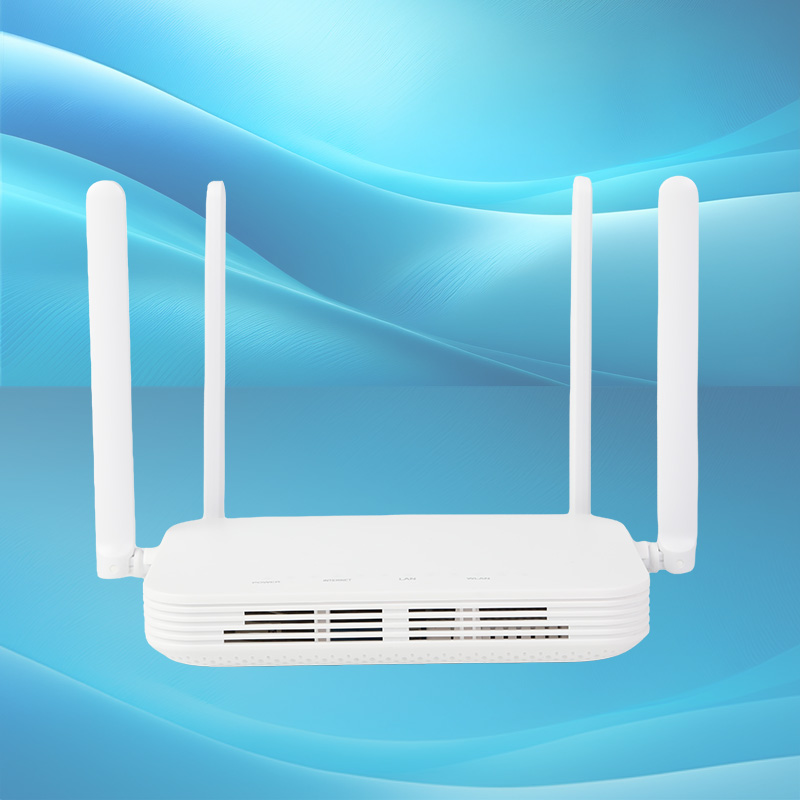
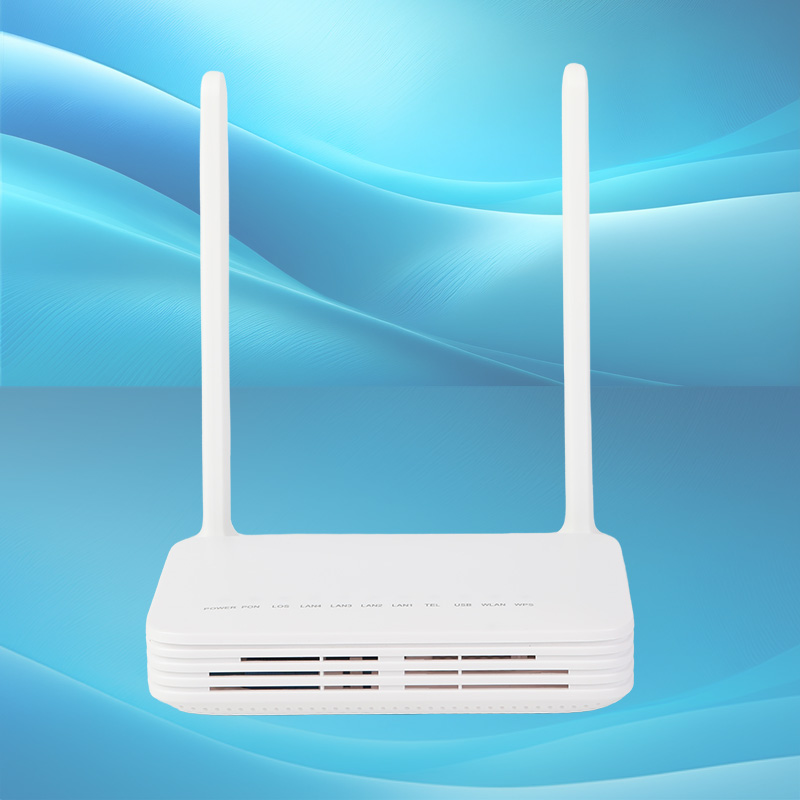
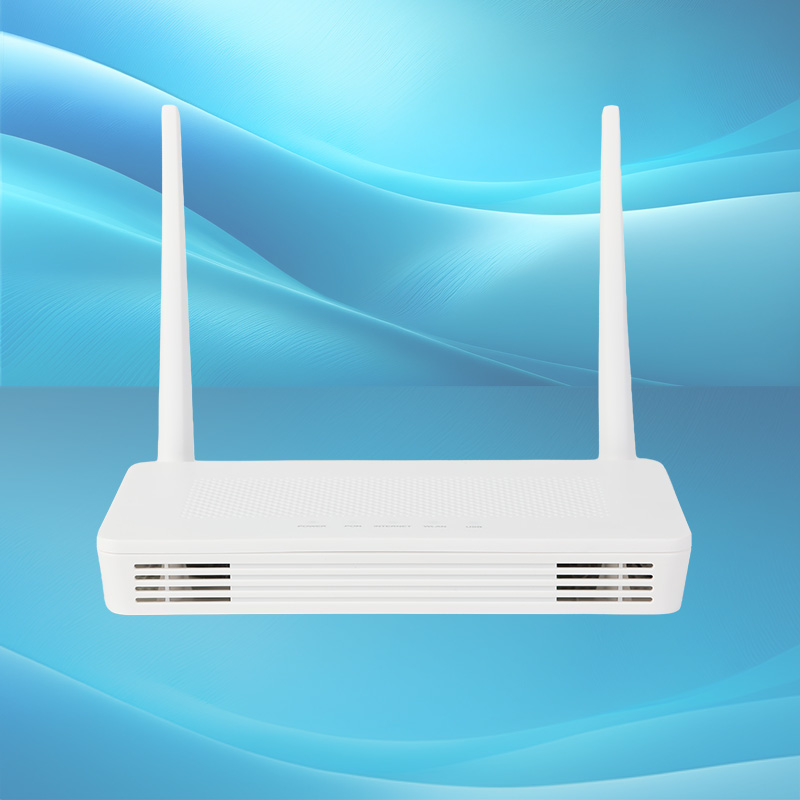
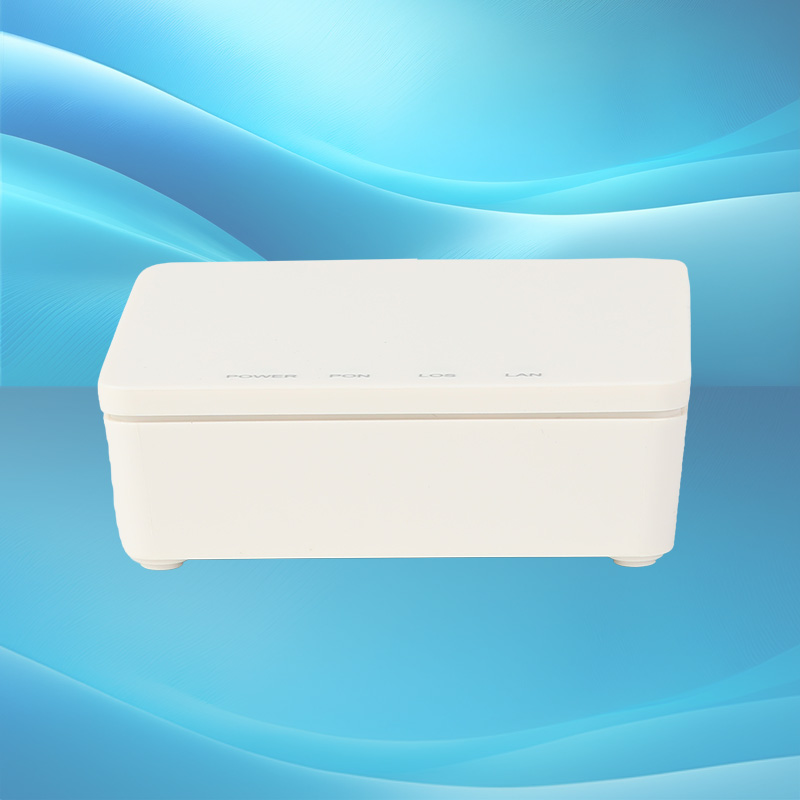
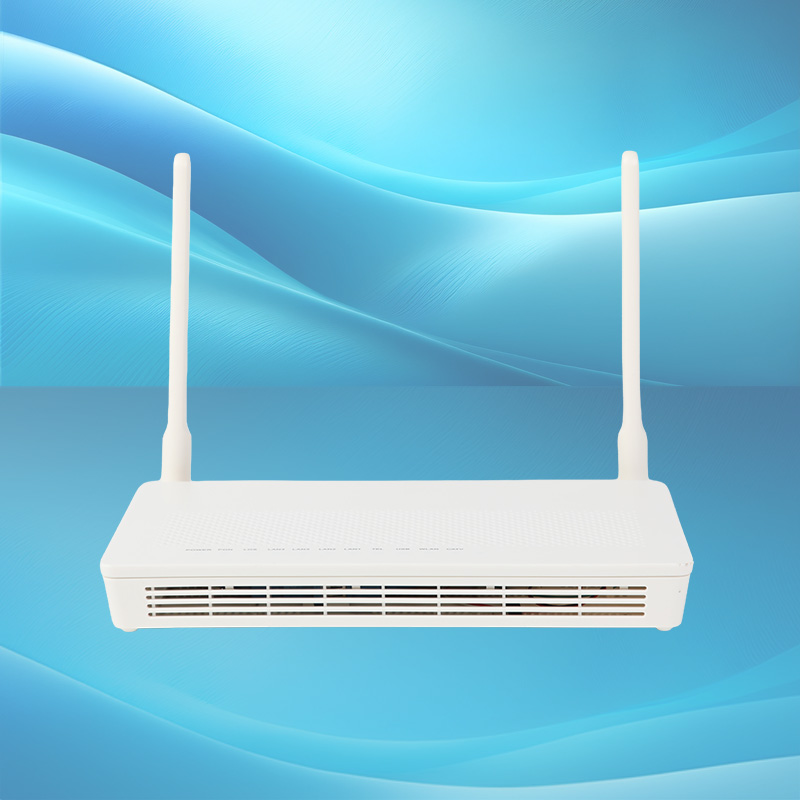
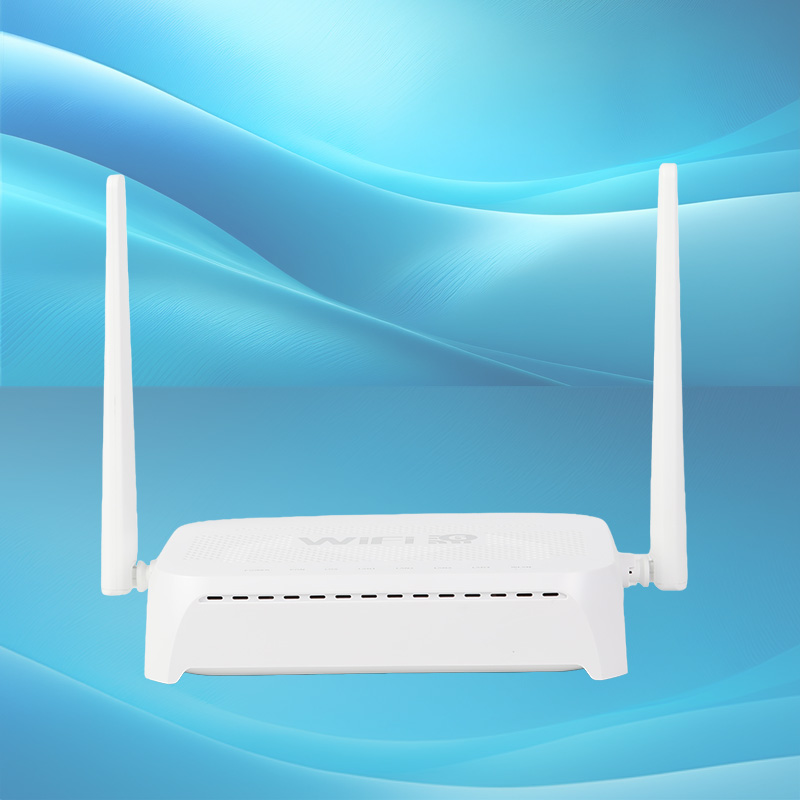
Browse our top-rated GPON ONTs, Wi-Fi 6 Edge Terminals, and Optical Network Units designed for high-speed residential and commercial broadband access.