Wenzhou AIOU Optical Communication Co., Ltd.



Leave Your Message
-
 Get Your Quote
-
 Email
Explore our high-performance optical network terminals designed to integrate seamless RF overlay and gigabit data delivery across American broadband infrastructures.
The telecommunications infrastructure in the United States is undergoing a rapid, historic transformation. As the demand for symmetrical multi-gigabit speeds, low latency, and high-reliability connection points surges, traditional copper networks are being phased out in favor of end-to-end fiber optics. However, the United States presents a unique architectural challenge: the deep-rooted legacy of Hybrid Fiber-Coaxial (HFC) networks. Large Multiple System Operators (MSOs) like Comcast, Charter (Spectrum), and Cox Communications have historically relied on coaxial cables to deliver television and broadband services to millions of suburban homes and commercial buildings.
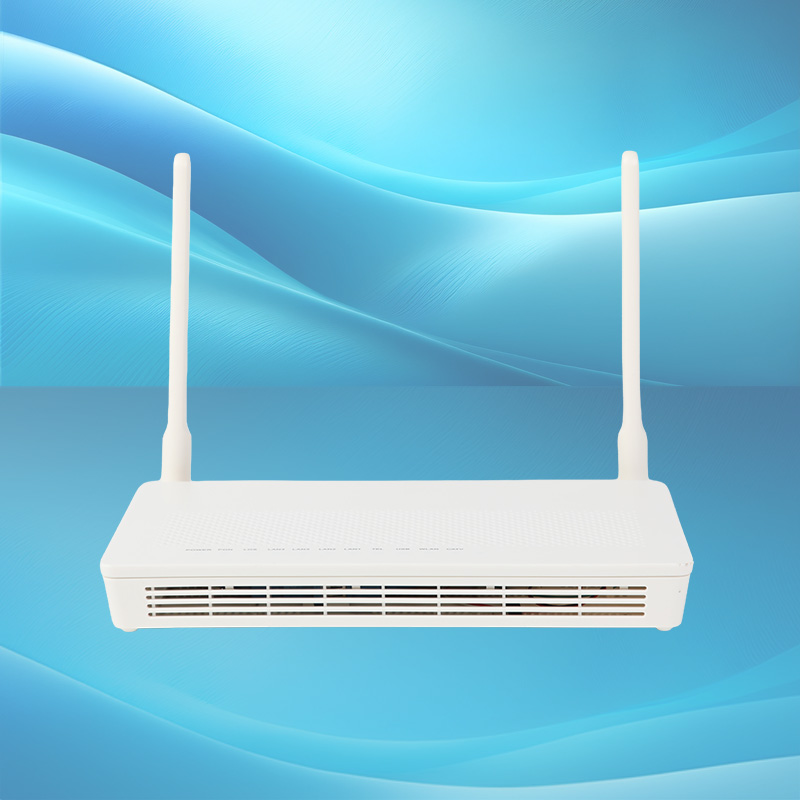
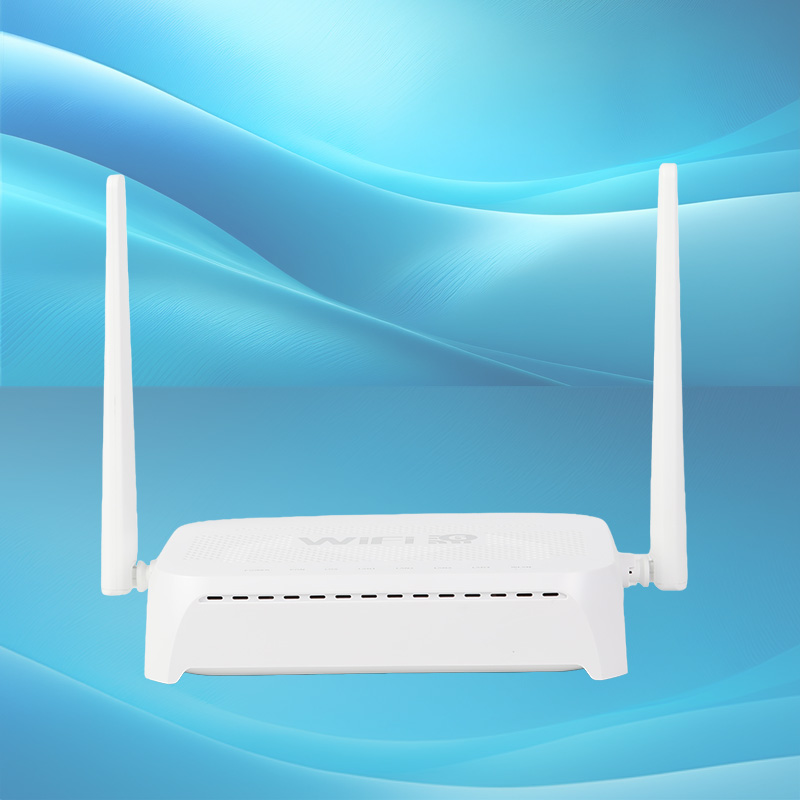
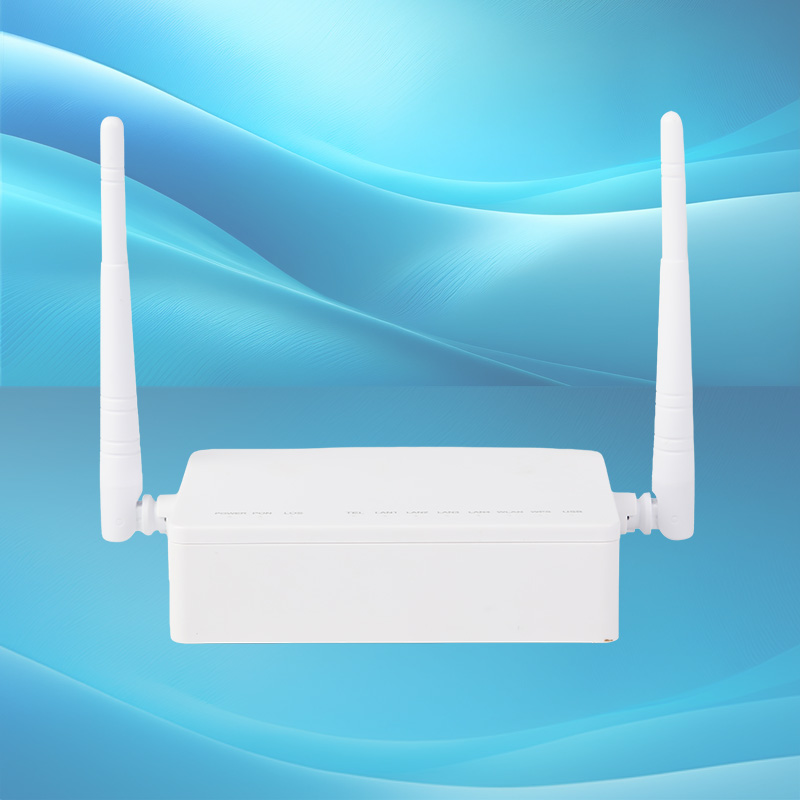
This is where the ONU with RF (Optical Network Unit with Radio Frequency) becomes a vital technological bridge. Instead of forcing consumers to discard their existing television set-top boxes and analog equipment, US service providers deploy ONUs equipped with integrated RF ports. By utilizing RF over Glass (RFoG) or GPON/XGS-PON with a dedicated RF overlay (typically transmitting CATV signals on the 1550nm wavelength), operators can deliver ultra-fast broadband alongside traditional video broadcast services over a single fiber strand. This hybrid approach significantly reduces capital expenditure (CAPEX) for network upgrades while preserving the user experience for customers who still prefer QAM-based television services.
Federal Funding and the Fiber Push: With the rollout of the Broadband Equity, Access, and Deployment (BEAD) program—a $42.45 billion federal initiative—and the Rural Digital Opportunity Fund (RDOF), US ISPs are aggressively extending fiber networks to rural and underserved regions. Incorporating RF-capable ONUs allows local co-ops and municipal networks to offer familiar, bundled television packages to older demographics in these newly connected areas.
To understand the utility of an ONU with RF in the United States, it is essential to examine its underlying architecture. In a standard Gigabit Passive Optical Network (GPON) or 10G-capable symmetric PON (XGS-PON) system, data transmission occurs over two primary wavelengths: 1490nm for downstream data and 1310nm for upstream data. In an RF overlay network, a third wavelength—specifically 1550nm—is introduced at the central office or headend using an optical transmitter. This 1550nm wavelength carries the traditional analog or digital RF cable television signals.
When this combined optical signal reaches the customer's premises, the ONU with RF performs a critical demultiplexing process. Internal filters route the 1310/1490nm wavelengths to the data processing chipset (delivering Wi-Fi and Ethernet connectivity), while the 1550nm wavelength is routed to an integrated optical receiver. This receiver converts the light pulses back into electrical RF signals, which are outputted through a standard F-connector (coaxial port) on the ONU. The subscriber can then connect this port directly to their existing home coaxial distribution network, powering TVs, cable boxes, and legacy tuners without any loss in signal quality.
Focused on the research, development, and manufacturing of optical network access solutions tailored for global standards.


As the United States transitions toward a fully digital economy, several key trends are driving the adoption of advanced ONU with RF technologies:
In states like Ohio, Kentucky, and Indiana, rural electric cooperatives and local municipalities are utilizing federal funding to build fiber networks from scratch. Many residents in these areas are elderly or accustomed to traditional cable TV setups. By deploying GPON ONUs with RF output, these local operators can offer high-speed internet packages alongside local broadcast television over the same fiber line, ensuring a smooth transition and high adoption rates among rural communities.
In cities like Chicago and Los Angeles, retrofitting high-rise apartment complexes with fiber is a major logistical challenge. Operators install fiber-to-the-basement (FTTB) and use high-output RF ONUs to deliver video signals over the building's existing coaxial cables, while using copper or fiber extensions for high-speed data. This hybrid fiber-coaxial approach minimizes structural disruption and accelerates deployment timelines.
The US hospitality and healthcare sectors require robust, high-capacity networks. In Las Vegas resorts and large-scale retirement communities in Florida, ONUs with RF are widely used to deliver high-speed guest Wi-Fi, internal medical data systems, and linear HD television programming to thousands of rooms. A single fiber backbone simplifies cable management, reduces energy consumption, and provides a future-proof network infrastructure.
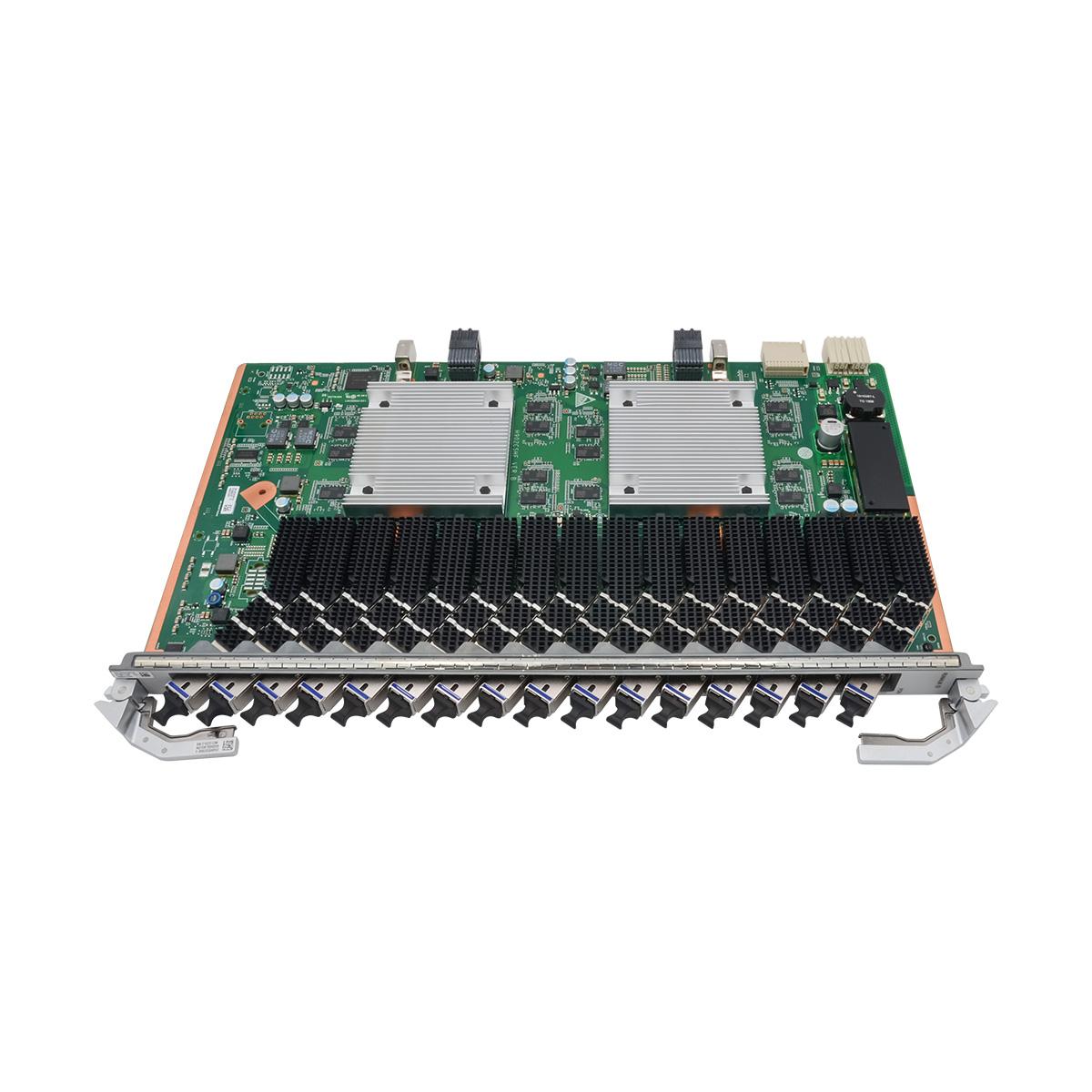
Fiber optic communication equipment is widely used in 5G networks, enterprise data centers, and smart cities to enable secure, high-speed, and low-latency transmission across the United States.
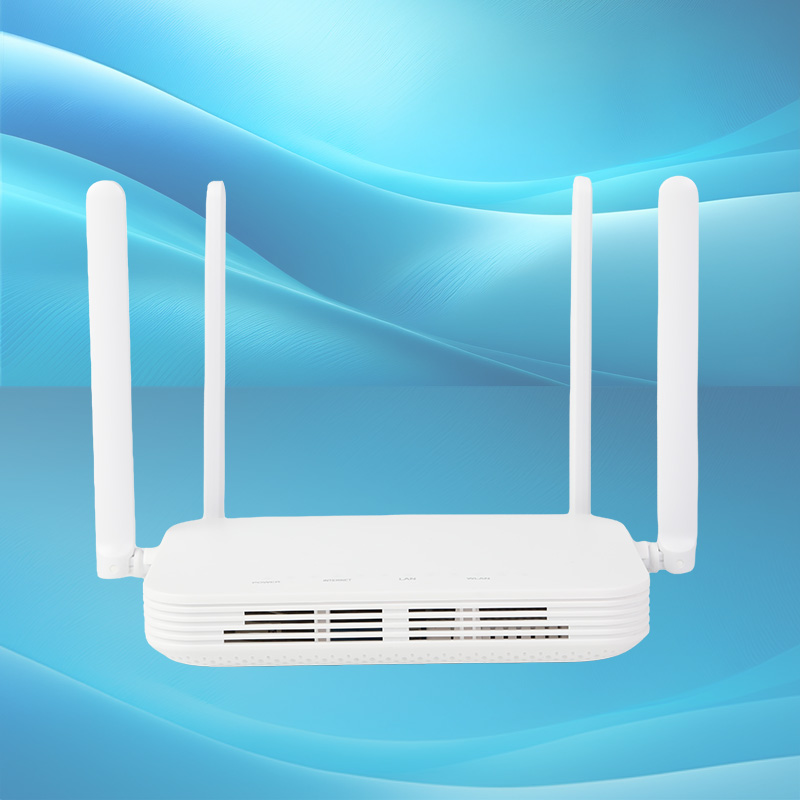
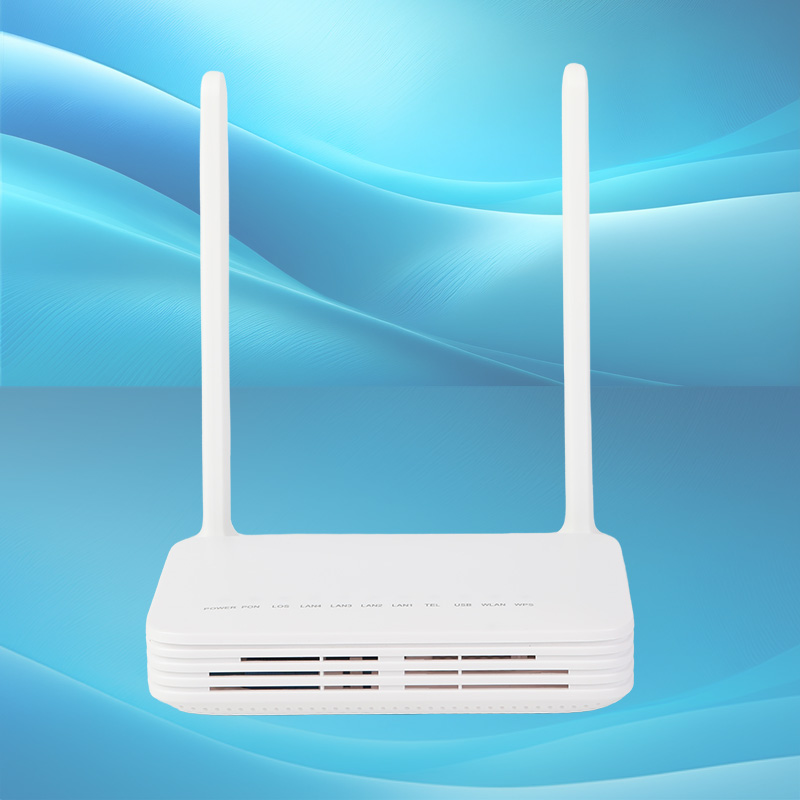
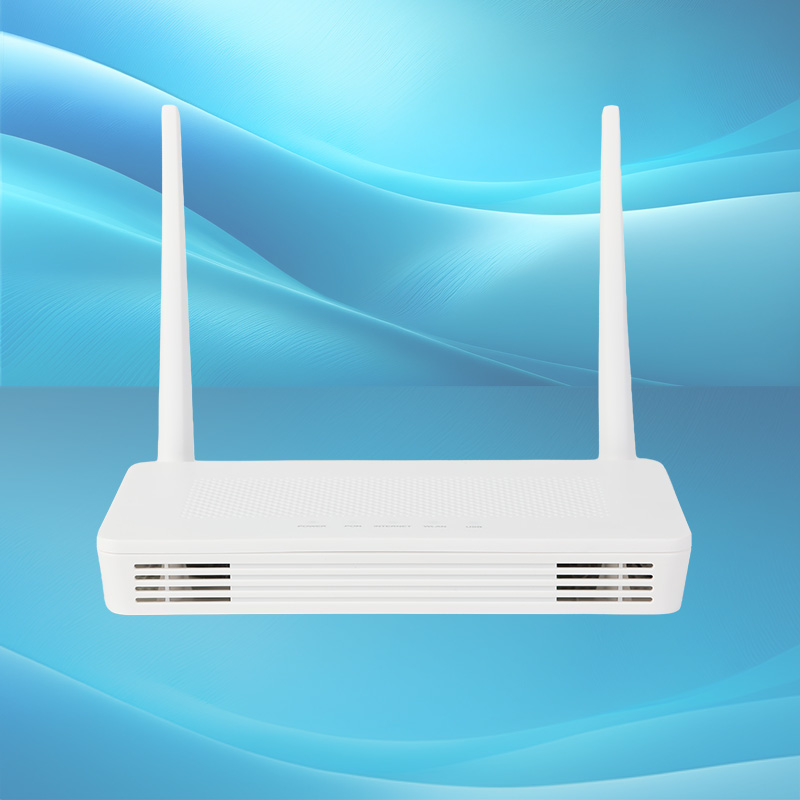
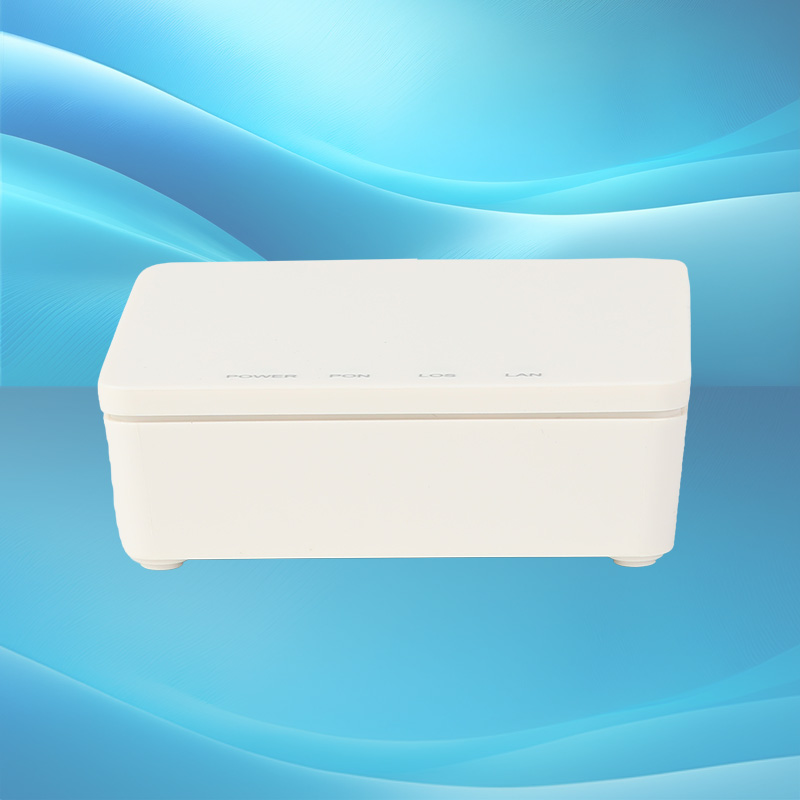
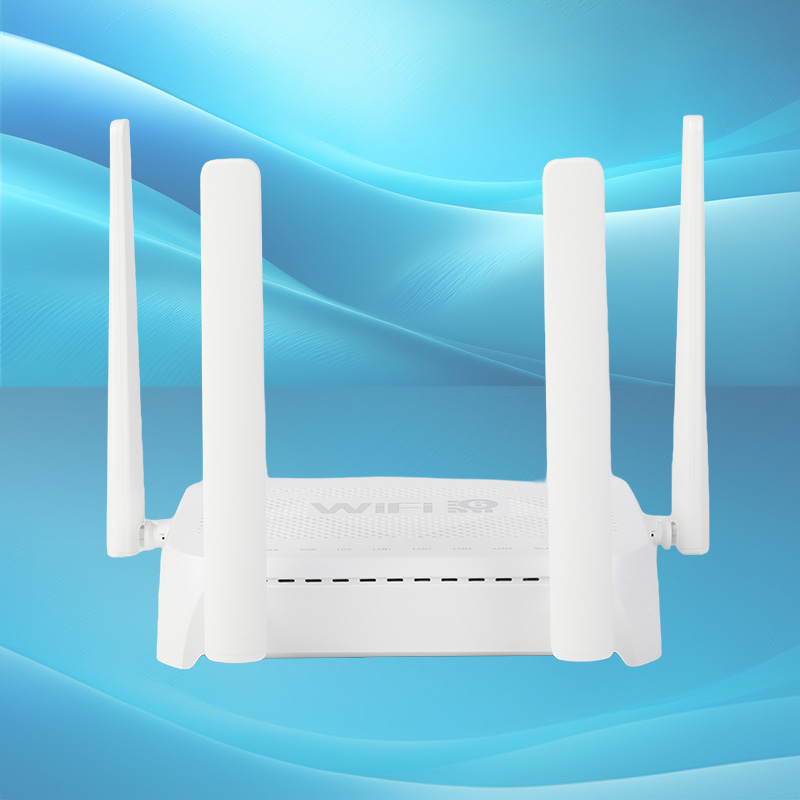
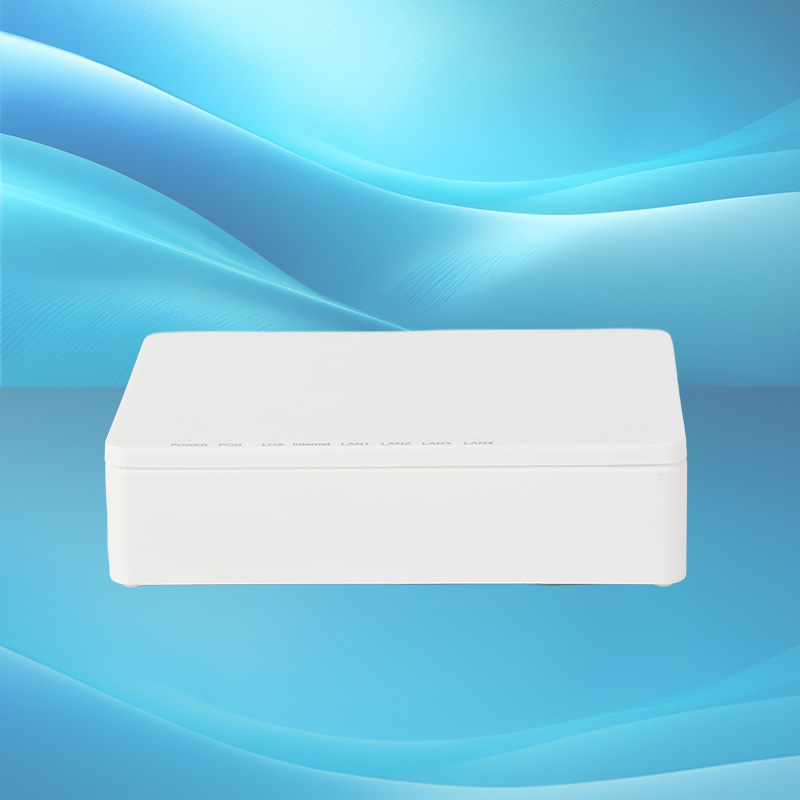
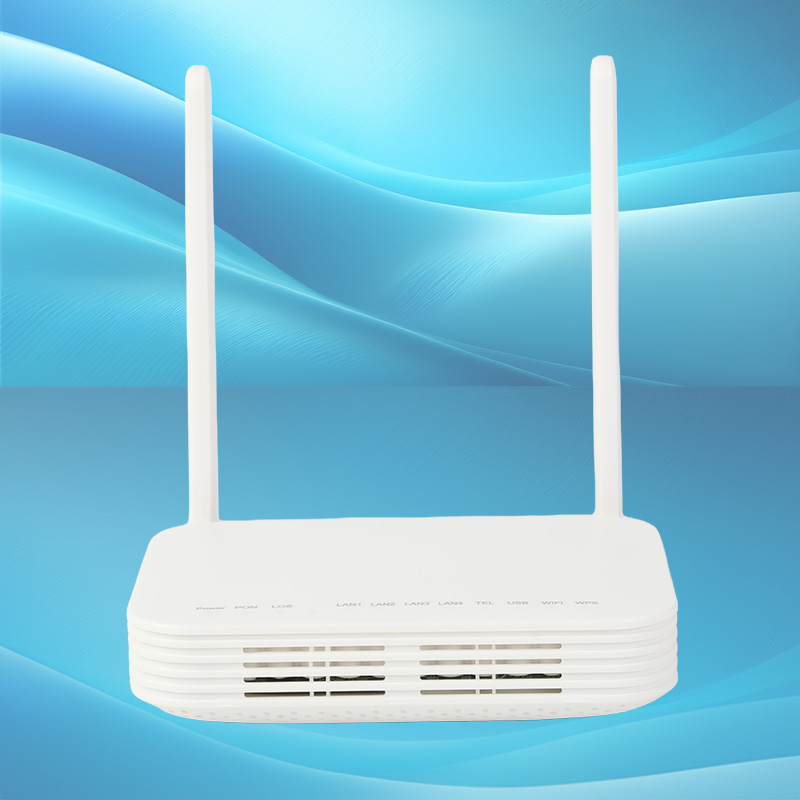
Our advanced GPON and XPON ONUs with RF capabilities are engineered to meet the stringent demands of modern telecom operators, private enterprises, and municipal networks. Whether deployed in suburban residential zones, high-density commercial hubs, or critical public infrastructure, our hardware ensures seamless interoperability and consistent performance under heavy workloads.
AIOU Fiber Communication Technology focuses on providing comprehensive electronic technology products tailored for global telecommunications standards.