Wenzhou AIOU Optical Communication Co., Ltd.



Leave Your Message
-
 Get Your Quote
-
 Email
Explore our top-performing ONU WiFi routers engineered to deliver gigabit speeds and seamless wireless coverage for US residential and enterprise networks.
The telecommunications landscape in the United States is undergoing a monumental transition. Driven by the critical need for symmetrical gigabit speeds to support remote work, telehealth, cloud computing, and smart home ecosystems, traditional coaxial cable and DSL networks are quickly being replaced by fiber-to-the-home (FTTH) infrastructure. At the heart of this transition is the Optical Network Unit (ONU) WiFi Router, the essential gateway that bridges optical distribution networks (ODN) with home and business local area networks.
Federal funding programs, most notably the Broadband Equity, Access, and Deployment (BEAD) program with its $42.45 billion budget, are accelerating fiber deployments across rural, suburban, and urban communities. Independent Internet Service Providers (ISPs), regional utility cooperatives, and municipal networks are actively seeking reliable ONU WiFi router manufacturers and suppliers that can provide hardware that is compliant with US telecommunications standards, including FCC certifications, TR-069 remote management standards, and strict cybersecurity guidelines.
How technological advancements and shifting consumer behaviors are redefining optical access terminals in the United States.
As bandwidth demand grows, US service providers are transitioning from GPON (2.5G/1.25G) to XGS-PON, which offers symmetrical 10 Gbps speeds. ONU manufacturers must provide flexible dual-mode or native 10G solutions to future-proof network infrastructure.
US consumers expect their wireless networks to match their fiber line speeds. Modern ONU routers integrate Wi-Fi 6 (and increasingly Wi-Fi 7) with features like OFDMA and MU-MIMO to handle congested smart home environments containing dozens of connected devices.
ISPs are moving away from single-vendor lock-in. The demand is surging for ONU WiFi routers that seamlessly interface with OLT (Optical Line Terminal) hardware from third-party manufacturers, allowing operators to optimize their supply chains.
From rural cooperatives to high-density urban developments, our ONU solutions are built for diverse American deployments.
In states like Texas, Montana, Ohio, and Alaska, rural electric cooperatives and local Wireless ISPs (WISPs) are leveraging federal grants to lay fiber. Our XPON and GPON ONUs, designed for wide operating temperatures and high reliability, are ideal for these challenging environments, ensuring rural communities receive the same high-speed access as urban hubs. These devices feature long-range Wi-Fi coverage to penetrate larger American suburban and rural homes.
In densely populated metropolitan areas like New York, Chicago, and San Francisco, fiber-to-the-building (FTTB) setups utilize high-density ONUs to distribute gigabit internet to hundreds of apartments. Our compact, wall-mountable GPON ONUs fit perfectly into structured media enclosures inside modern apartments, providing high-speed Ethernet and Wi-Fi 6 connectivity without cluttering living spaces.
American businesses rely heavily on cloud-based SaaS tools like Salesforce, Microsoft 365, and Zoom. Symmetrical fiber connections powered by high-reliability ONUs ensure uninterrupted operations. Features like dual-band Wi-Fi, robust firewalls, and multiple Gigabit Ethernet ports cater to the security and performance needs of small-to-medium businesses (SMBs).
Municipalities across the US are deploying fiber networks to monitor public utilities, traffic systems, and public safety cameras. Industrial-grade ONU boards and components provide the ruggedized connectivity required for outdoor enclosures and municipal control systems, ensuring high uptime under extreme weather conditions.
Established in 2006, Wenzhou AIOU Optical Communication Co., Ltd. is a professional high-tech enterprise dedicated to the full industrial chain of optical network access solutions, covering research and development, manufacturing, sales, and after-sales service. We focus on delivering cutting-edge passive optical network (PON) products, including EPON, GPON, and XPON series, which are carefully tailored to meet the diverse needs of global customers in different regions and industries. With a firm commitment to independent innovation, we have built a strong R&D team composed of senior engineers with years of industry experience, holding multiple core technology patents and forming a comprehensive industrial chain, thus effectively serving various sectors such as operator networks, government and enterprise information systems, smart parks, and home broadband access.
As a leading supplier to global markets, including the demanding United States telecommunications sector, we have continuously optimized our products to align with American standards. Our dedicated engineering team works closely with US regional ISPs and network integrators to customize firmware, implement advanced TR-069 auto-provisioning protocols, and ensure compatibility with mainstream OLT systems deployed across North America.
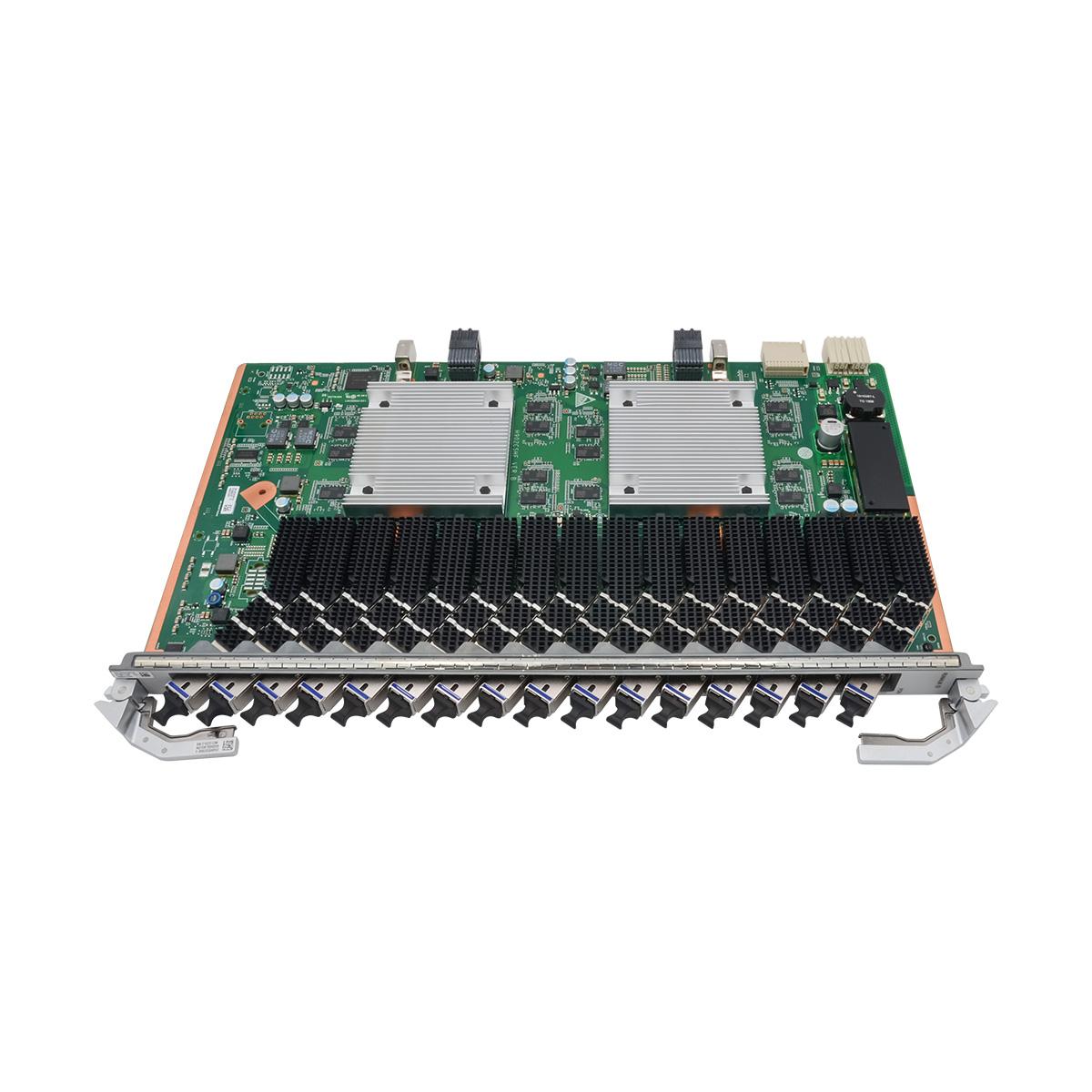
Our complete product line covers OLT (Optical Line Terminal), ONU (Optical Network Unit), high-performance optical modules, and network switching equipment, supporting access rates ranging from 10/100M to 10G. These solutions are characterized by high performance, stable reliability, low latency, and easy deployment, perfectly aligning with customers’ demands for secure, stable, and high-speed communication networks. All our products have passed strict CE certification, as well as other international quality certifications, and are exported to more than 20 countries and regions across South America, Africa, Eastern Europe, Southeast Asia, and the Middle East, winning wide recognition from global partners for their superior quality and cost-effectiveness.
We operate a standardized 2,000-square-meter production zone equipped with advanced automated production and testing equipment, where we strictly adhere to ISO9001 quality management systems, CCC, and CE standards to ensure the consistency and reliability of each product. Our core mission is to exceed customer expectations by providing premium quality products, efficient and thoughtful after-sales services, and industry-leading technical support, continuously driving technological innovation and development in the global optical network infrastructure field.
A comparative look at EPON, GPON, and XPON to guide your procurement strategy.
For US network architects and purchasing managers, selecting the appropriate ONU architecture is critical for long-term operational efficiency. Below is an overview of how these protocols compare in typical US deployments:
GPON remains the dominant standard for major US carriers like AT&T and Verizon. It offers a downstream rate of 2.488 Gbps and an upstream rate of 1.244 Gbps. GPON uses ATM encapsulation, making it highly efficient for carrying voice, data, and video traffic with robust Quality of Service (QoS) mechanisms.
EPON is based on the IEEE 802.3ah standard and is native to Ethernet packets. Offering symmetrical 1.25 Gbps rates, EPON is frequently used by cable operators (MSOs) deploying fiber overlays, as it integrates seamlessly with existing Ethernet-based backoffice systems and is generally more cost-effective to implement.
XPON ONUs are the modern solution for mixed-vendor or transitioning networks. An XPON ONU automatically detects the type of central office OLT (GPON or EPON) and switches its operating mode instantly. This versatility significantly simplifies inventory management for US ISPs who operate mixed networks or are upgrading their systems over time.
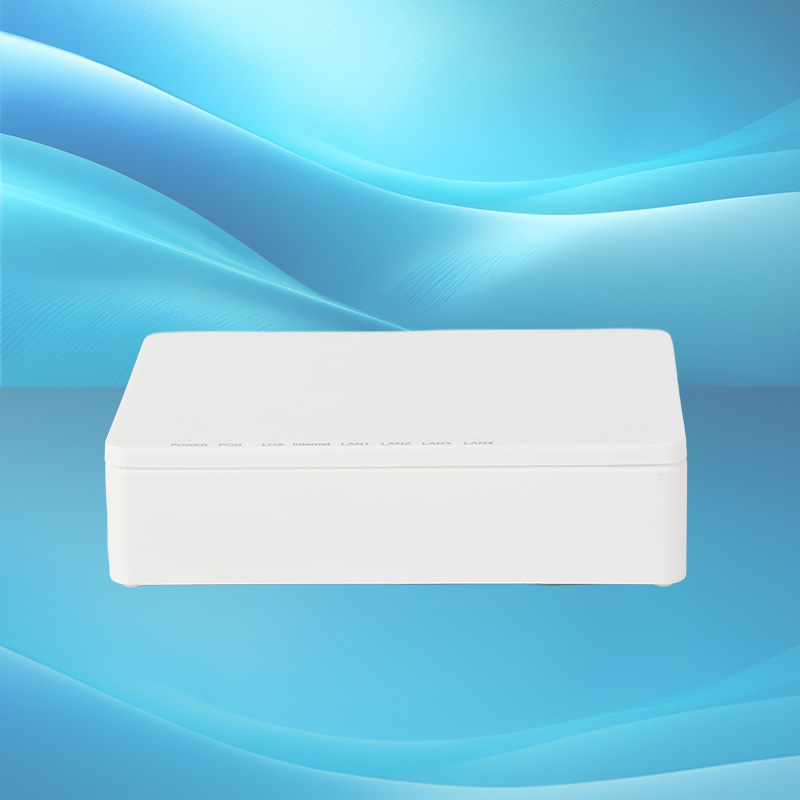
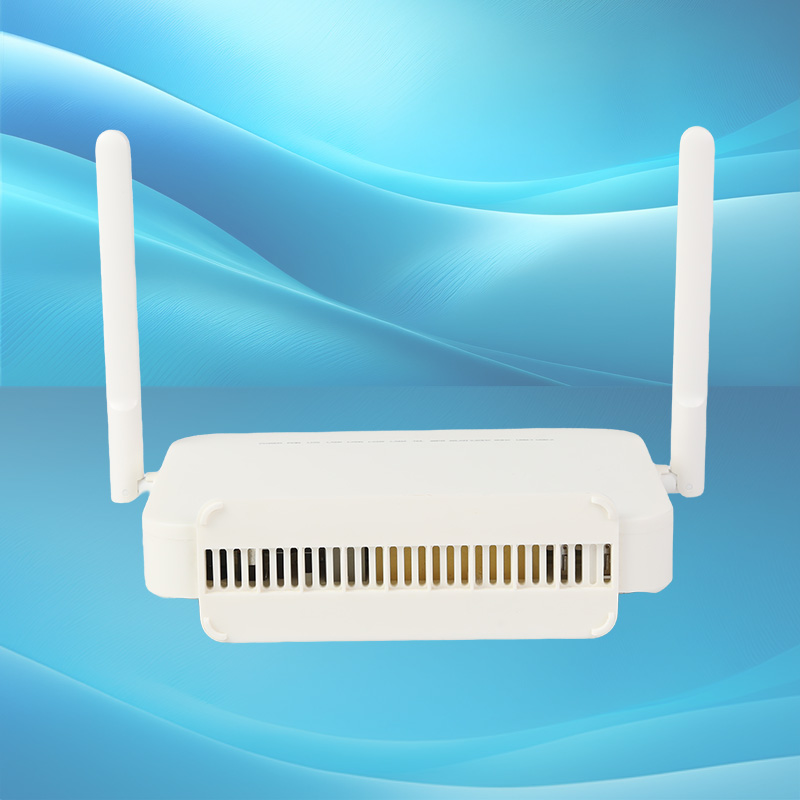
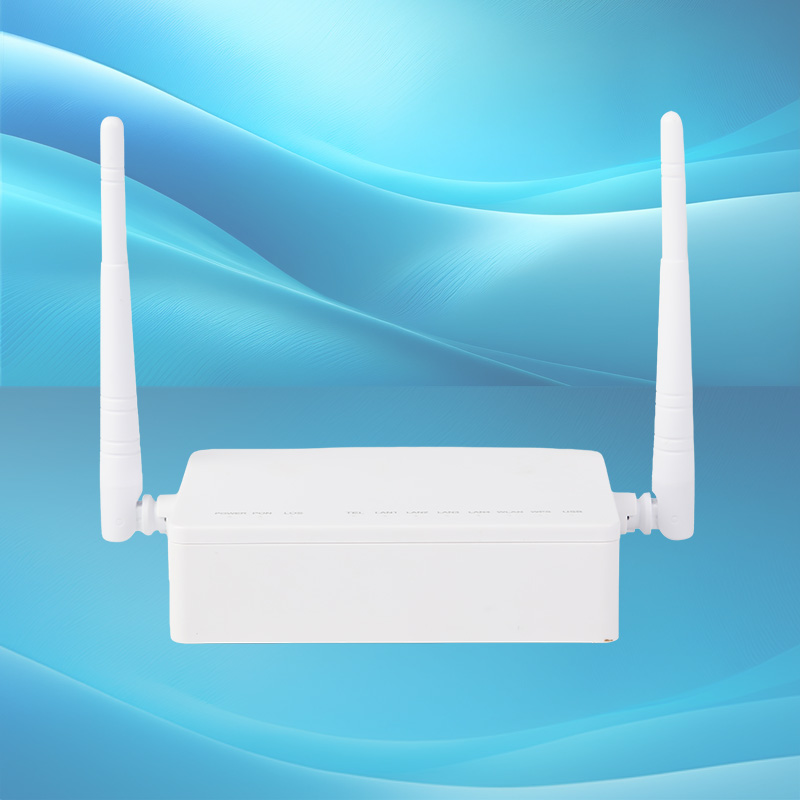
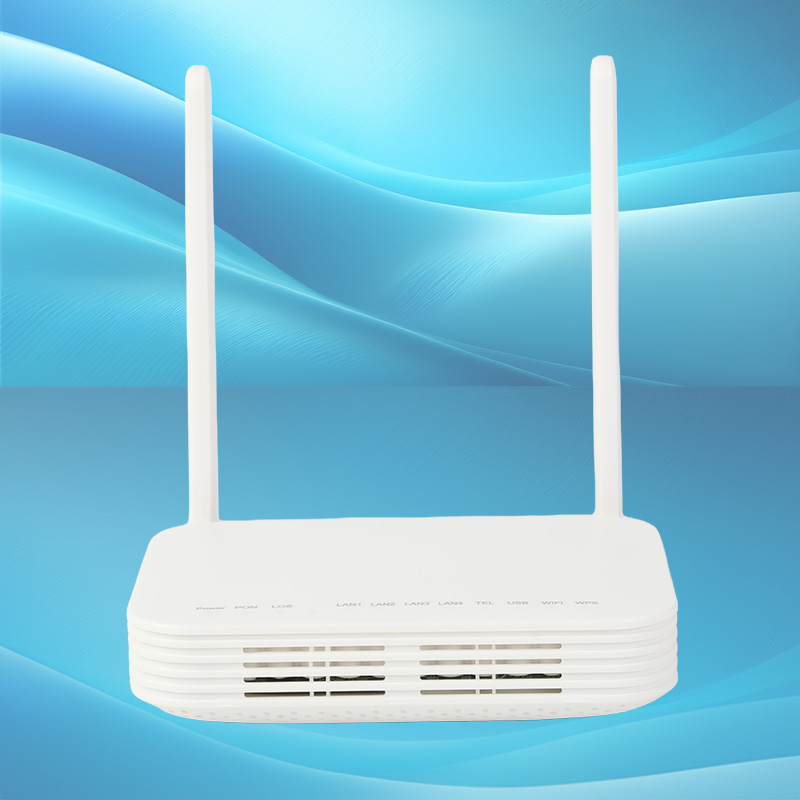
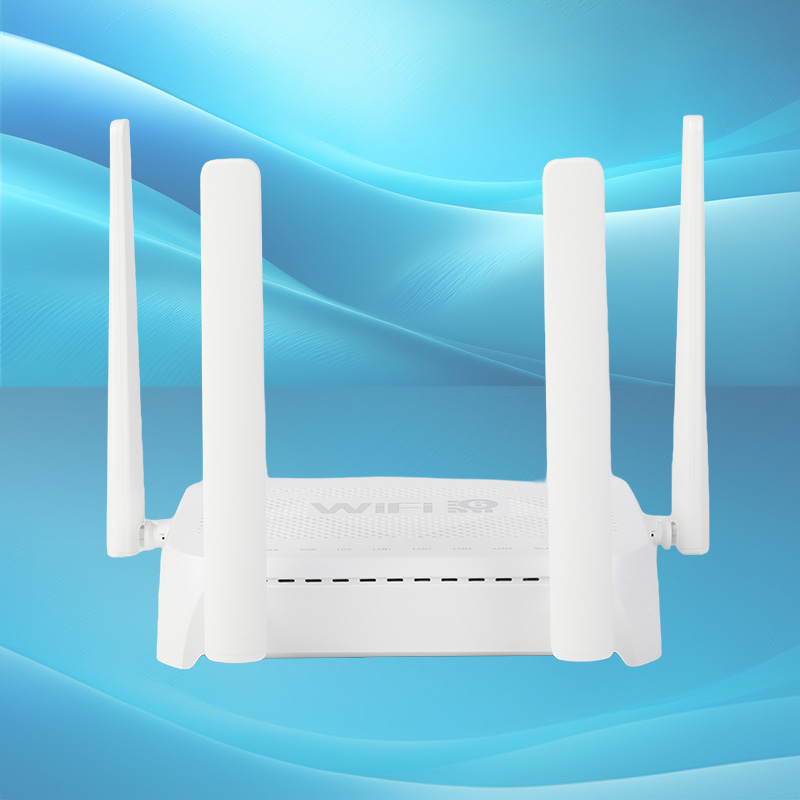
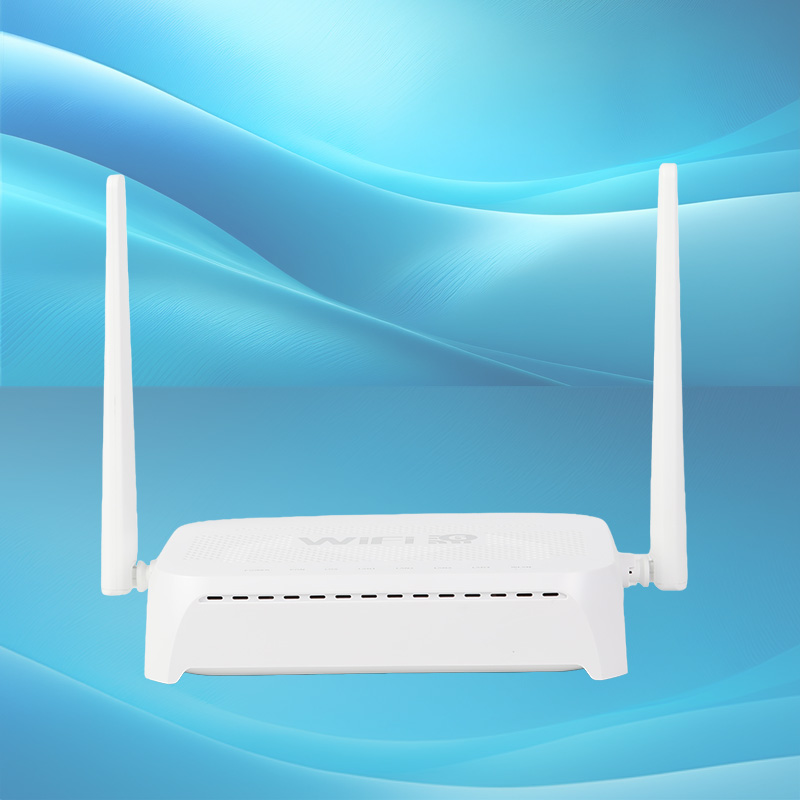
Browse our complete selection of optical network terminals, high-performance routers, and core components optimized for the United States market.
Important information for network operators, distributors, and procurement managers in the United States.
Yes. Our GPON and XPON ONUs are designed according to ITU-T and IEEE standards, ensuring excellent interoperability. They have been successfully deployed and tested with major OLT systems widely used in North America, including those from Nokia, Calix, Adtran, and Huawei.
Absolutely. We ensure that all products shipped to the US market comply with FCC Part 15 regulations for electromagnetic interference, alongside CE and ISO9001 quality certifications, guaranteeing safety, reliability, and legality for US deployments.
Yes. Remote management is crucial for US ISPs to minimize operational costs (truck rolls). Our ONUs fully support TR-069 (CWMP) protocols, enabling automated provisioning, remote firmware upgrades, and real-time troubleshooting from your network operations center (NOC).
For standard configurations, the lead time is approximately 2 to 4 weeks. Custom OEM/ODM orders (such as custom branding, localized packaging, or specialized firmware) may require additional time. We offer flexible shipping methods (air/sea freight) to match your rollout schedules.