Wenzhou AIOU Optical Communication Co., Ltd.



Leave Your Message
-
 Get Your Quote
-
 Email
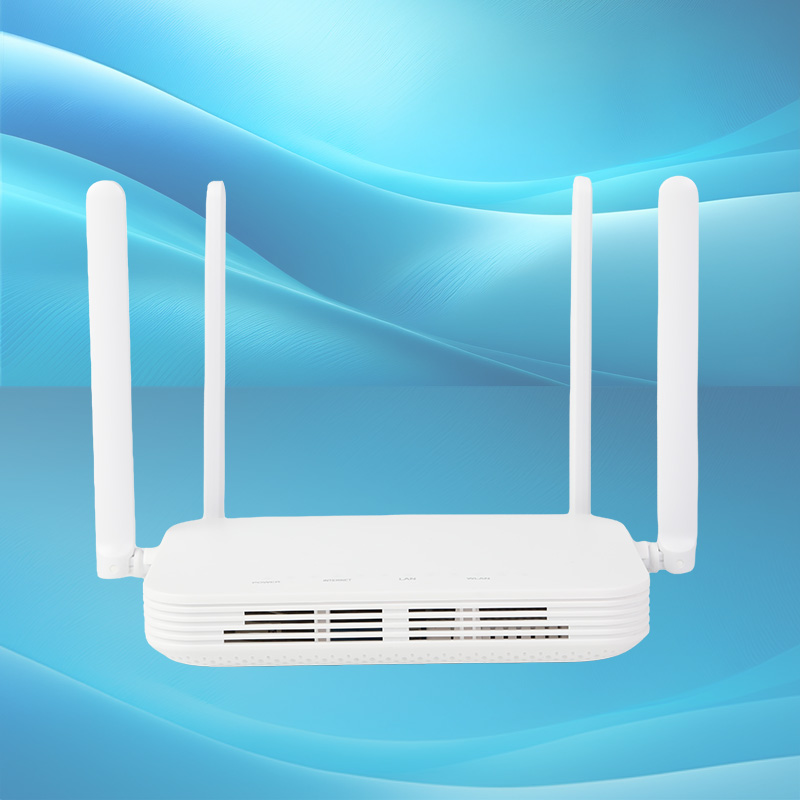
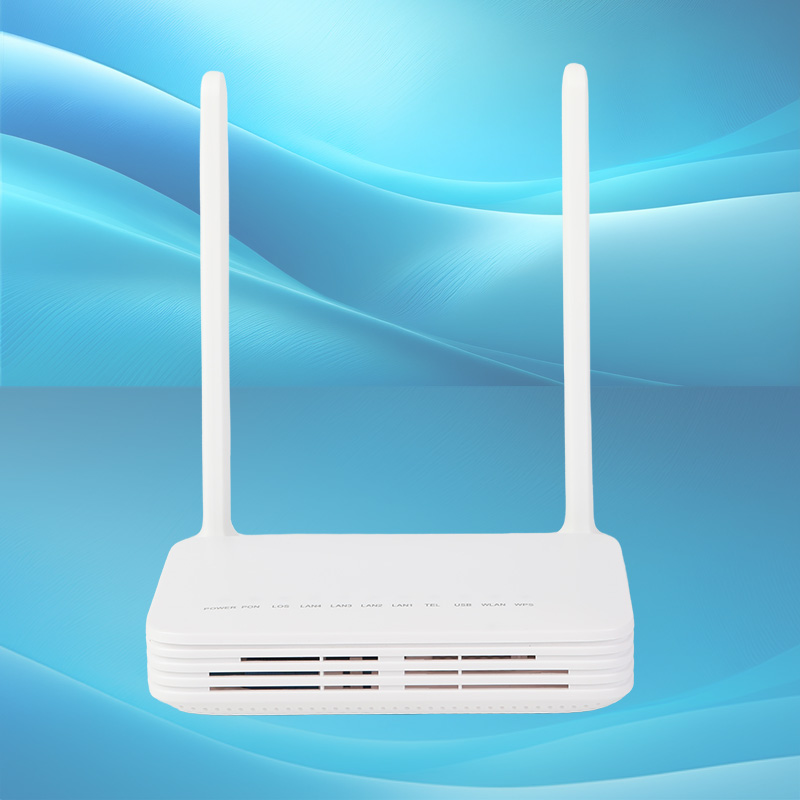
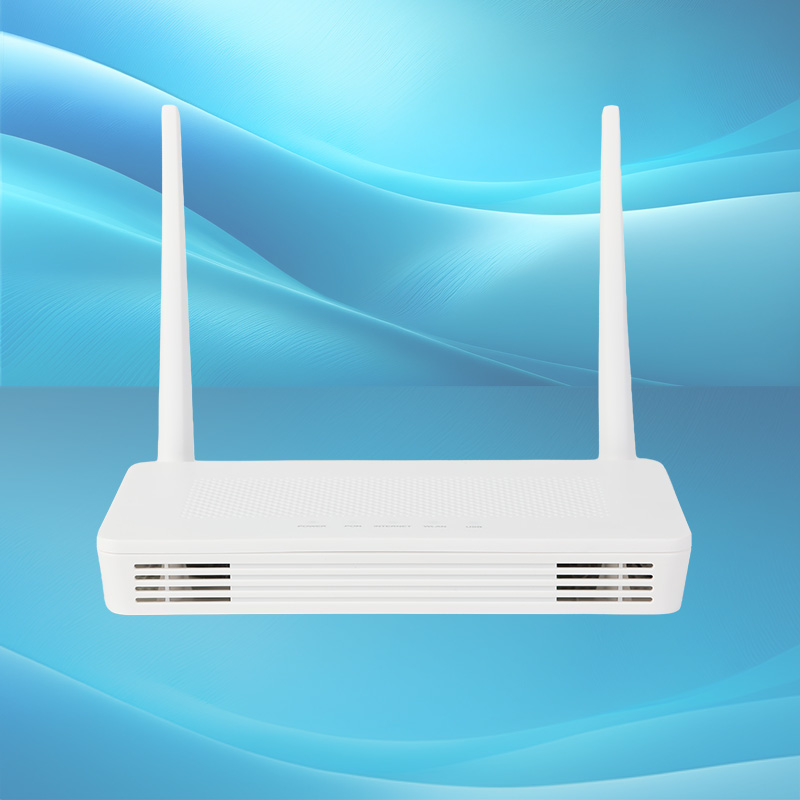
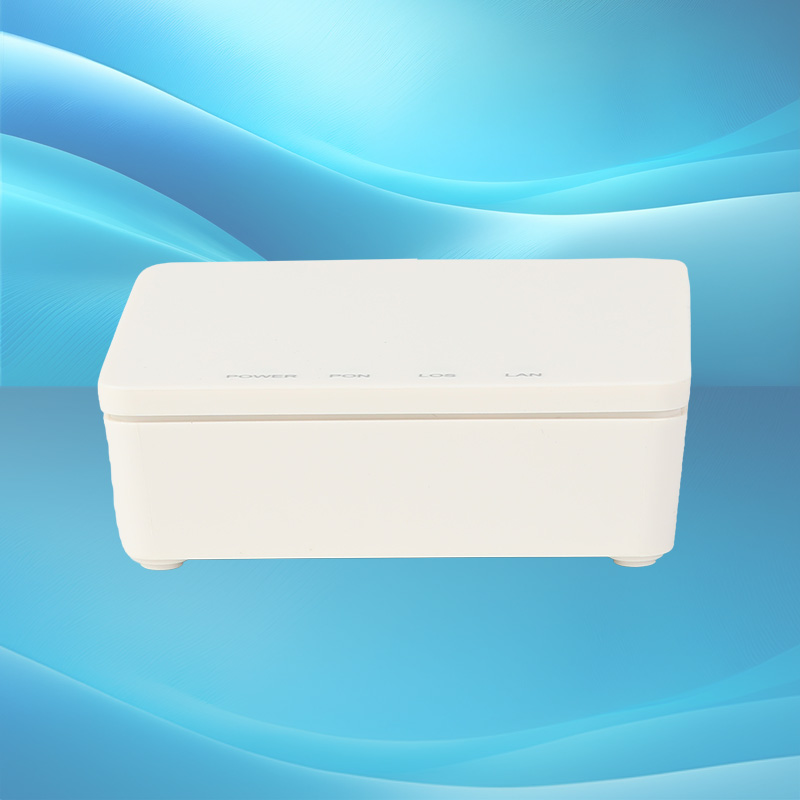
Modern workplaces are transforming at an unprecedented pace. The rise of hybrid work models, cloud-based software-as-a-service (SaaS) platforms, high-definition video conferencing, and the Internet of Things (IoT) has fundamentally changed how offices operate. Traditional copper-based local area networks (LANs) are no longer sufficient to handle the bandwidth demands, low latency requirements, and massive device density of today's smart offices. To resolve these networking bottlenecks, global enterprises are turning toward fiber-to-the-office (FTTO) architectures powered by Passive Optical Network (PON) technologies. Specifically, ONU GPON ZTE for Smart Office Broadband Access Solutions has emerged as a gold standard for reliable, high-performance enterprise connectivity.
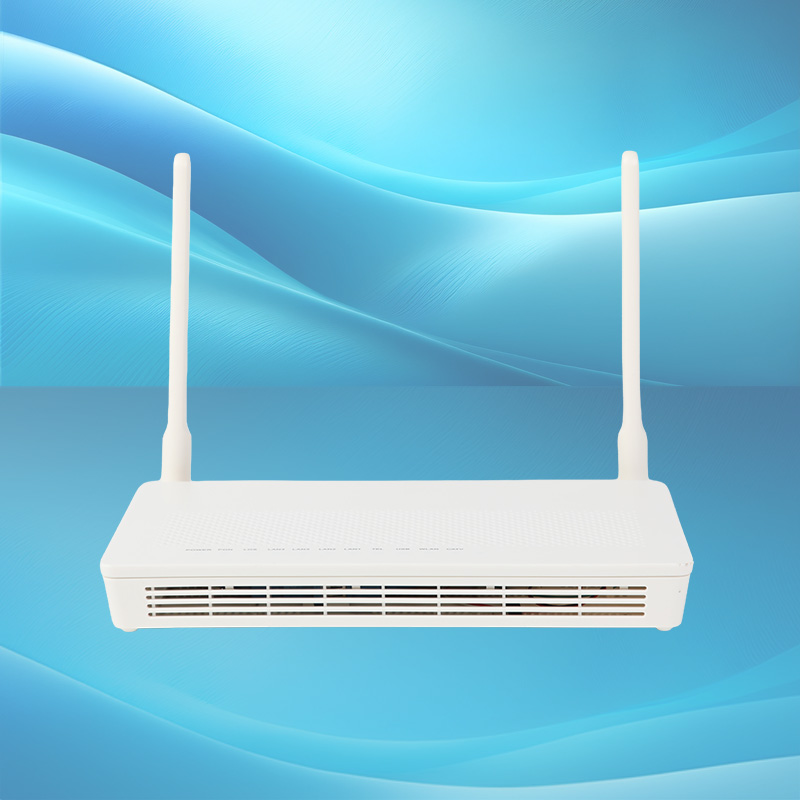
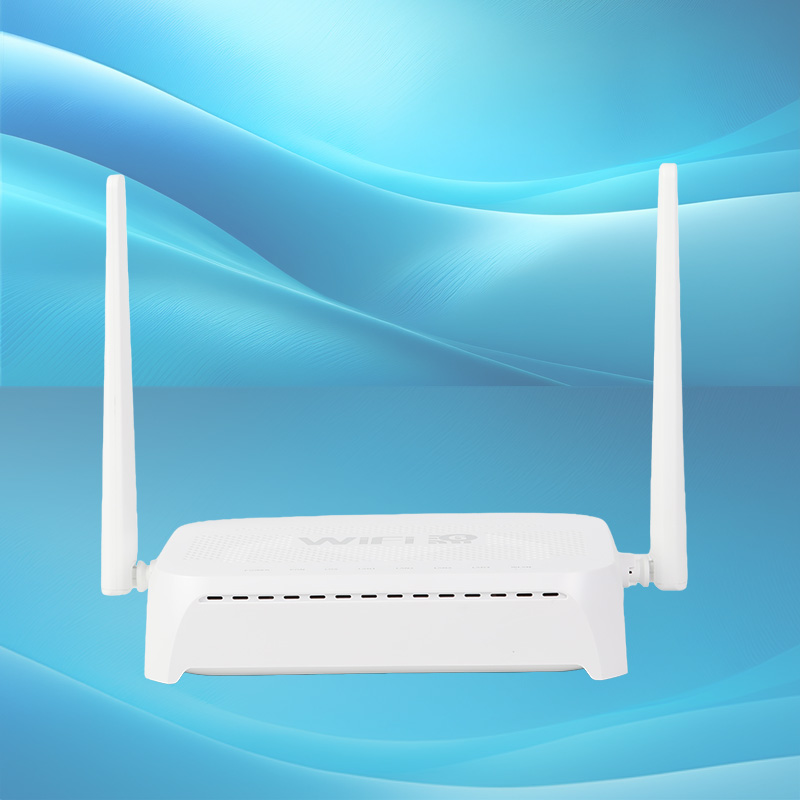
ZTE's Optical Network Unit (ONU) and Optical Network Terminal (ONT) devices are designed to translate high-speed optical signals from the service provider's backbone into usable ethernet, voice, and wireless connections within the office. By leveraging Gigabit Passive Optical Network (GPON) technology, businesses can deploy a single optical fiber to distribute voice, data, video, and smart building controls, drastically simplifying network architectures while boosting performance.
According to industry analyst reports, the global enterprise PON market is projected to expand significantly, driven by the demand for energy-efficient green networks (POL - Passive Optical LAN) and the continuous integration of Wi-Fi 6 and 10G-PON standards in smart office structures.
In the commercial real estate and corporate sectors, connectivity is now treated as a critical utility, comparable to electricity and water. Tenants and corporate owners expect seamless, high-speed internet access. GPON technology addresses this need by offering a point-to-multipoint optical access architecture. This allows a single optical fiber line to serve multiple end-user devices using passive splitters, which require no electrical power.
For ZTE, a leading global provider of telecommunications and information technology solutions, this market represents a major focus. ZTE GPON ONUs are engineered to offer high interoperability, allowing them to interface smoothly with various OLTs (Optical Line Terminals) from different manufacturers. This interoperability is a significant commercial advantage, reducing vendor lock-in and allowing enterprises to build flexible, cost-effective hybrid infrastructures. Furthermore, the shift toward green building certifications (such as LEED) has pushed enterprises to adopt GPON, as passive optical networks consume up to 50% less power and require 80% less cabling space than traditional copper-based Ethernet switches.
ZTE's GPON ONU solutions are built around advanced chipsets that ensure stable data throughput, exceptional Quality of Service (QoS) management, and robust security protocols. Here is a closer look at the key technical parameters that make them ideal for smart office environments:


The implementation of ZTE GPON ONUs extends far beyond basic internet connectivity. In a modern smart office, these devices act as the central communication gateways for various complex systems. Below are the primary application scenarios:
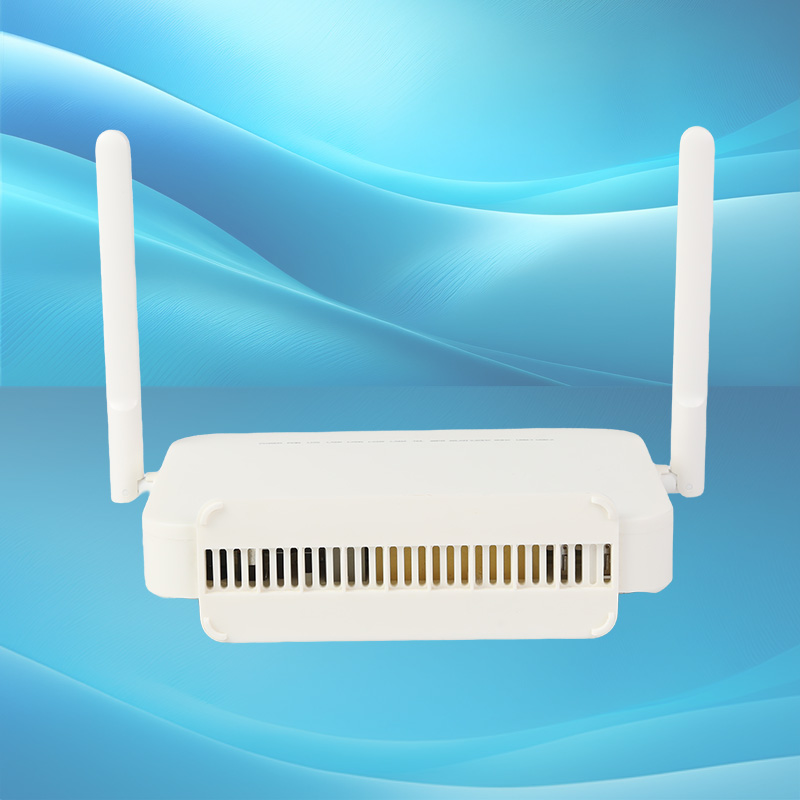
In open-plan offices, co-working spaces, and large corporate headquarters, hundreds of employees and visitors access the wireless network simultaneously. ZTE ONUs integrated with Wi-Fi 6 (such as the AIK662C AX3000) use MU-MIMO and OFDMA technologies to communicate with multiple devices at once. This avoids latency spikes and bandwidth congestion, allowing employees to move freely throughout the office while maintaining stable, high-speed connections for their laptops, tablets, and smartphones.
Video conferencing has become the primary medium for business operations. Latency, jitter, and packet loss can disrupt meetings and affect professional communication. ZTE GPON ONUs utilize strict QoS mapping (such as 802.1p and DiffServ) to prioritize real-time voice and video packets over standard web traffic. This ensures that video systems in boardroom conference rooms operate smoothly at 4K resolutions, providing clear, lag-free communication.
Modern offices are equipped with smart lighting, automated HVAC (Heating, Ventilation, and Air Conditioning) systems, IP-based surveillance cameras, and smart access control systems. Connecting these devices to a copper-based network requires extensive cabling and power infrastructure. By deploying ZTE GPON ONUs, enterprises can utilize a Passive Optical LAN (POL) architecture. Fiber optic cables run directly to local ONUs positioned on different floors or zones, which then connect to IoT devices via short copper patch cords, simplifying cabling and centralizing management.
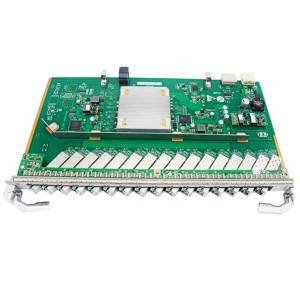
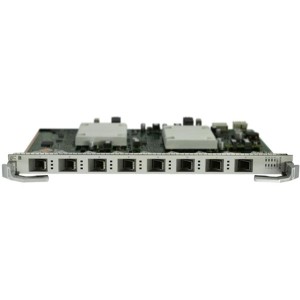
As enterprises migrate local servers to cloud platforms (like AWS, Microsoft Azure, or Google Cloud), the local network's reliability directly impacts productivity. ZTE GPON ONUs, combined with high-performance OLT service boards (such as the GPSF and OXHD), establish high-speed, secure tunnels to cloud datacenters. With built-in firewall rules, VPN pass-through, and VLAN isolation, these ONUs protect corporate data from external threats while maintaining fast access to cloud-based ERP and CRM applications.
As technology continues to evolve, several key trends are shaping the future of smart office broadband access solutions:
Supporting high-speed mobile data transport by connecting cellular base stations to core networks with ultra-low latency optical links.
Facilitating massive data throughput and server interconnection using high-performance optical interface boards and fiber terminals.
Powering municipal security cameras, traffic management systems, and public Wi-Fi networks through robust, weather-resistant GPON solutions.
Replacing bulky copper wires in office buildings with micro-optical fibers, leading to cleaner, more efficient, and future-proof corporate LANs.
Connecting heavy machinery, manufacturing execution systems (MES), and smart sensors in harsh industrial environments with EMI-immune fiber links.
Enabling real-time sharing of high-resolution medical imaging and reliable remote consultations through dedicated high-bandwidth fiber channels.