Wenzhou AIOU Optical Communication Co., Ltd.



Leave Your Message
-
 Get Your Quote
-
 Email
High-performance GPON/XPON devices optimized for ZTE-compatible Passive Optical Network (PON) infrastructures.
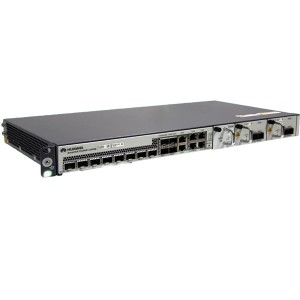
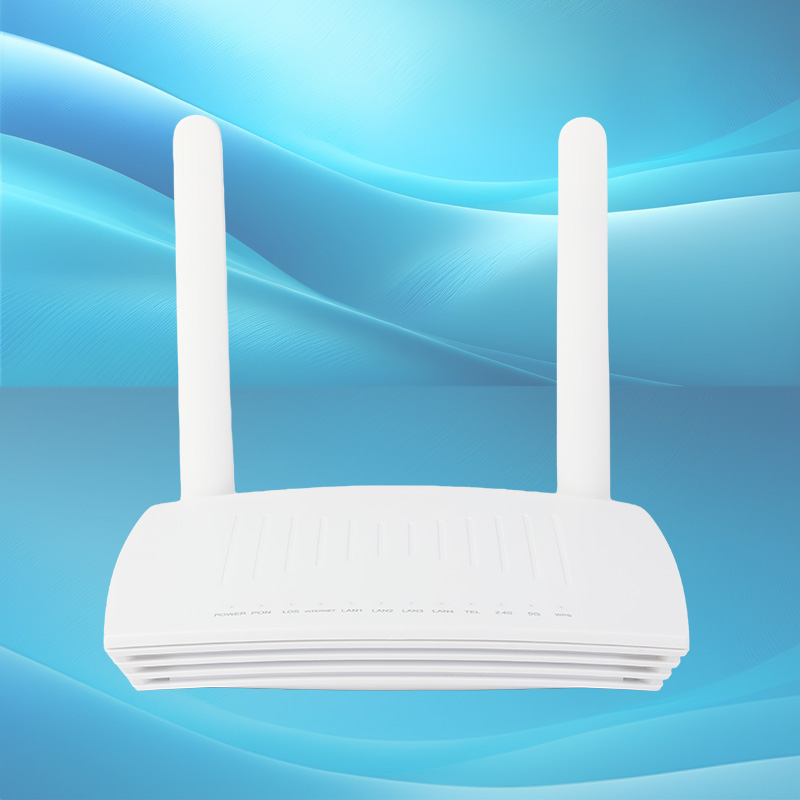
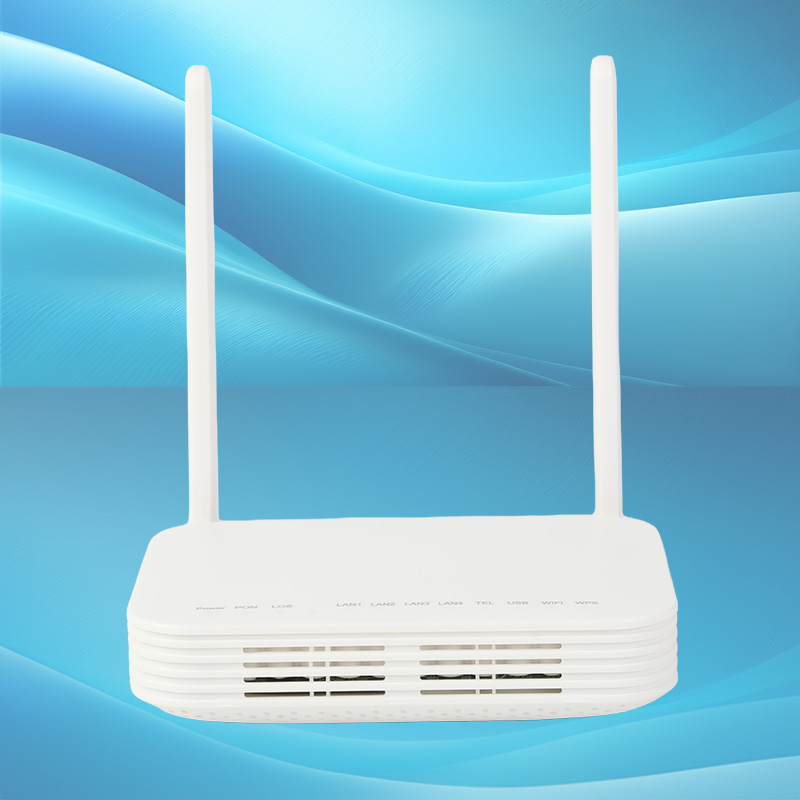
As the demand for gigabit-level bandwidth continues to soar globally, network operators and enterprises are looking for robust, scalable, and cost-effective optical access solutions. At the core of this transition is the Passive Optical Network (PON) infrastructure. Within this ecosystem, the ZTE GPON ONU (Optical Network Unit) stands out as a critical terminal device that bridges the optical distribution network (ODN) with the end-user's local area network (LAN).
ZTE's GPON ONUs are engineered to support a wide range of services including high-speed internet access, IPTV, Voice over IP (VoIP), and enterprise private line connections. By utilizing passive optical splitters, these devices eliminate the need for active, power-consuming components in the field, dramatically reducing operational expenditure (OPEX) and enhancing system reliability. In this comprehensive analysis, we explore the commercial landscape, technological architecture, and future deployment trends of ZTE GPON ONUs in modern optical infrastructures.
An ODN consists of optical fibers, passive splitters, and connectors that link the Central Office's Optical Line Terminal (OLT) to the customer-premises ONU. ZTE GPON ONUs utilize wavelength division multiplexing (WDM) technology to receive downstream data at 1490nm and transmit upstream data at 1310nm over a single strand of single-mode fiber. This bidirectional transmission maximizes fiber efficiency.
Furthermore, ZTE's implementation of the GPON Encapsulation Method (GEM) ensures that Ethernet frames, TDM traffic, and VoIP packets are encapsulated efficiently with minimal overhead. The integration of advanced Dynamic Bandwidth Allocation (DBA) algorithms allows the OLT to dynamically distribute upstream bandwidth to various ONUs in real-time, preventing network congestion and ensuring guaranteed Quality of Service (QoS) for latency-sensitive applications like video conferencing and online gaming.
The global market for optical access equipment is experiencing a massive growth phase, driven by national broadband initiatives, 5G backhaul requirements, and the digital transformation of enterprises. ZTE has established itself as a leading provider of optical access hardware, competing and cooperating with global operators to deliver high-density, high-reliability solutions.
From a commercial perspective, deploying ZTE GPON ONUs within a passive optical network infrastructure offers unmatched return on investment (ROI). Because the distribution network is completely passive, it requires no electricity, heating, cooling, or active maintenance between the central office and the subscriber. This minimizes the risk of lightning strikes, power outages, and equipment failures in the field. Additionally, ZTE's robust management software (NetNumen U31) allows network administrators to perform remote provisioning, firmware upgrades, and diagnostic troubleshooting, reducing the need for costly on-site technician visits.
To fully appreciate the versatility of ZTE GPON ONUs, we must analyze their implementation across different vertical markets and network topologies.
In residential deployments, the ZTE GPON ONT/ONU acts as the home gateway. It decodes the incoming optical signal and splits it into multiple physical interfaces: Gigabit Ethernet ports for smart TVs and PCs, RJ-11 POTS ports for traditional analog telephones, and dual-band Wi-Fi (Wi-Fi 5 or Wi-Fi 6) for wireless devices. Through IGMP snooping and multicast support, these ONUs deliver smooth, jitter-free 4K/8K IPTV streams alongside high-speed internet browsing, isolating different traffic flows to maintain service quality.
In traditional local area networks, copper cables must run from a central server room to active switches on every floor, requiring dedicated telecom closets with UPS power and cooling. A Passive Optical LAN (POL) replaces this structure. Single-mode fiber runs from the main equipment room directly to ZTE GPON ONUs located at desk clusters or wall outlets. This architecture saves up to 70% of space, reduces power consumption by 50%, and extends the network's lifecycle to decades, as optical fiber does not degrade or become obsolete like copper cabling.
Industrial environments present harsh conditions including extreme temperatures, electromagnetic interference (EMI), and dust. Industrial-grade ZTE ONUs are designed with hardened enclosures, wide operating temperature tolerances (-40°C to +85°C), and surge protection. These units are deployed in power distribution substations, wind farms, and smart factories to transmit real-time telemetry data, control signals, and HD surveillance feeds back to central monitoring stations, ensuring continuous operation under demanding conditions.
As applications like virtual reality (VR), cloud computing, and AI-driven automation become mainstream, the bandwidth requirements per user are projected to exceed the limits of standard GPON (2.5G down / 1.25G up). The optical industry is rapidly transitioning toward 10G-PON technologies, specifically XG-PON and XGS-PON (which offers symmetrical 10 Gbps speeds).
ZTE has anticipated this evolution by developing dual-mode and multi-mode ONUs/ONTs that support smooth migration paths. Through Wavelength Division Multiplexing (WDM) coexistence elements, operators can run GPON and XGS-PON services simultaneously over the same physical fiber infrastructure. This allows service providers to upgrade high-value enterprise clients to 10G-PON while keeping residential users on standard GPON, protecting their initial capital investment in the ODN.
Looking further ahead, research and standardization are already progressing toward 50G-PON and coherent PON technologies. ZTE remains at the forefront of these innovations, ensuring that passive optical network infrastructures deployed today are ready to support the ultra-broadband demands of tomorrow.
Your Trusted Partner in Global Passive Optical Network Solutions
Established in 2006, Wenzhou AIOU Optical Communication Co., Ltd. is a professional high-tech enterprise dedicated to the full industrial chain of optical network access solutions, covering research and development, manufacturing, sales, and after-sales service. We focus on delivering cutting-edge passive optical network (PON) products, including EPON, GPON, and XPON series, which are carefully tailored to meet the diverse needs of global customers in different regions and industries. With a firm commitment to independent innovation, we have built a strong R&D team composed of senior engineers with years of industry experience, holding multiple core technology patents and forming a comprehensive industrial chain, thus effectively serving various sectors such as operator networks, government and enterprise information systems, smart parks, and home broadband access.
Our complete product line covers OLT (Optical Line Terminal), ONU (Optical Network Unit), high-performance optical modules, and network switching equipment, supporting access rates ranging from 10/100M to 10G. These solutions are characterized by high performance, stable reliability, low latency, and easy deployment, perfectly aligning with customers’ demands for secure, stable, and high-speed communication networks. All our products have passed strict CE certification, as well as other international quality certifications, and are exported to more than 20 countries and regions across South America, Africa, Eastern Europe, Southeast Asia, and the Middle East, winning wide recognition from global partners for their superior quality and cost-effectiveness.
We operate a standardized 2,000-square-meter production zone equipped with advanced automated production and testing equipment, where we strictly adhere to ISO9001 quality management systems, CCC, and CE standards to ensure the consistency and reliability of each product. Our core mission is to exceed customer expectations by providing premium quality products, efficient and thoughtful after-sales services, and industry-leading technical support, continuously driving technological innovation and development in the global optical network infrastructure field.
Explore our full range of GPON/XPON OLTs, ONUs, and key network accessories for high-performance optical infrastructures.