Wenzhou AIOU Optical Communication Co., Ltd.



Leave Your Message
-
 Get Your Quote
-
 Email
High-stability optical line terminals and interface boards engineered for enterprise-grade fiber network upgrades.
High-performance client-side ONUs and carrier-class chassis solutions for complex enterprise topologies.
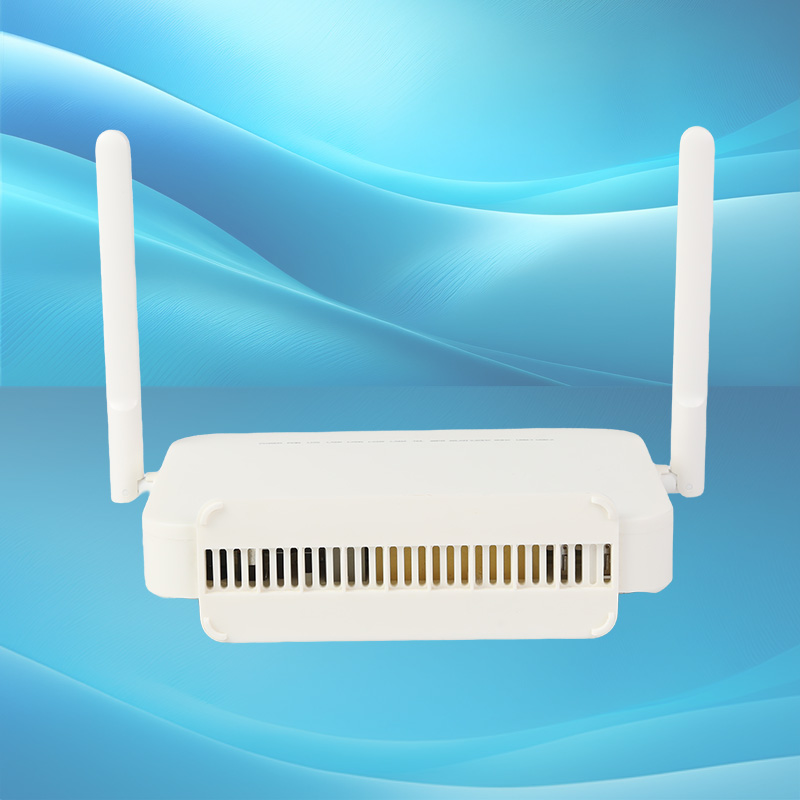
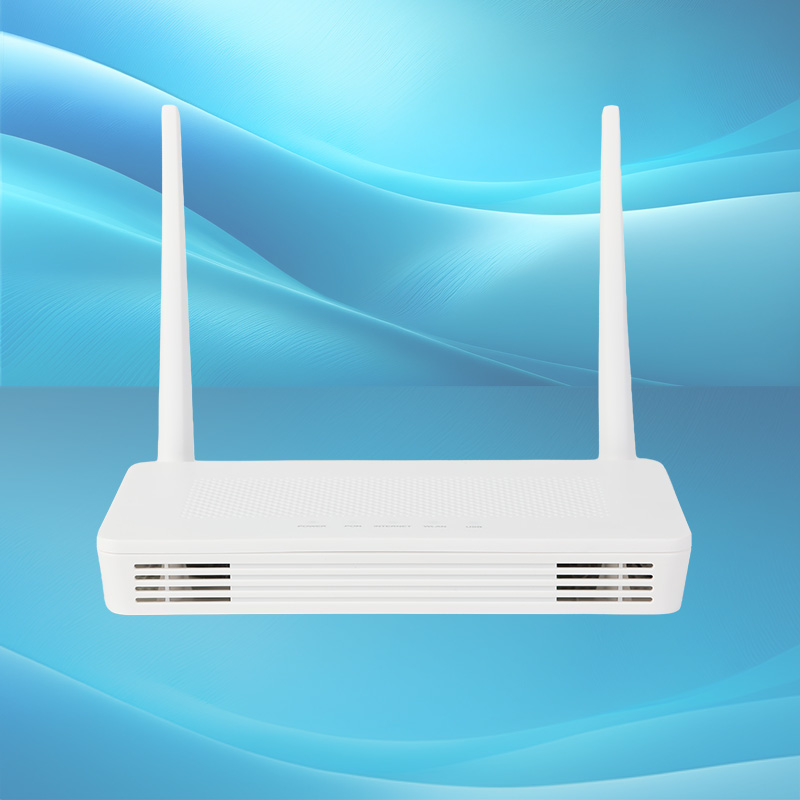
As enterprises undergo digital transformation, their reliance on robust, high-speed, and secure network infrastructures has grown exponentially. Standard copper-based networks are no longer sufficient to handle the bandwidth requirements of modern cloud computing, big data analytics, high-definition video conferencing, and IoT ecosystems. To address these demands, organizations are increasingly turning to Passive Optical Networks (PON), with ONU GPON ZTE solutions leading the charge in enterprise high-speed network upgrades.
GPON (Gigabit Passive Optical Network) technology offers a point-to-multipoint access mechanism that utilizes passive optical splitters, enabling a single optical fiber to serve multiple endpoints. ZTE's Optical Network Units (ONUs) act as the vital terminal interface, translating optical signals into Ethernet, voice, and wireless services at the customer premises. By leveraging ZTE's carrier-grade hardware, enterprises can build scalable, future-proof, and highly reliable network topologies that significantly reduce operational costs and energy consumption.
The global telecommunications and enterprise networking landscape is experiencing a massive shift toward all-optical infrastructure. Key trends driving this transition include:
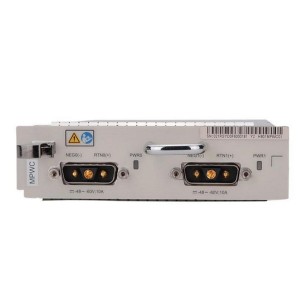
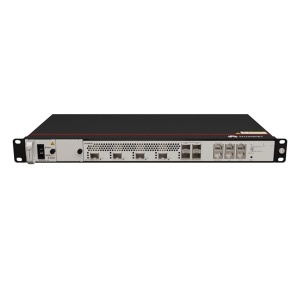
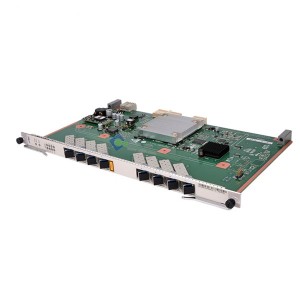
To understand the value of ZTE GPON ONUs in enterprise upgrades, it is essential to analyze how they interface with the broader optical distribution network (ODN). The central hub of any PON network is the Optical Line Terminal (OLT), such as the MA5680T IEC OLT or the compact MA5801-FL04-H1 OLT. These OLTs house high-density service boards like the MPWC or GPBH, which host the GPON transceivers.
A single GPON port on an OLT service board can support split ratios of up to 1:128. This means one fiber run from the server room can connect up to 128 ZTE ONUs distributed throughout a multi-story building or campus. ZTE ONUs employ advanced Dynamic Bandwidth Allocation (DBA) algorithms to dynamically distribute bandwidth among users based on real-time traffic demands and pre-defined Quality of Service (QoS) profiles. This ensures that mission-critical applications, such as VoIP and ERP systems, receive dedicated bandwidth even during peak network utilization periods.
Furthermore, interoperability is a crucial factor for enterprise network design. ZTE GPON ONUs are designed to comply with ITU-T G.984 standards, allowing them to achieve excellent interoperability with OLTs from other leading manufacturers. This flexibility prevents vendor lock-in and allows network architects to choose the best-of-breed hardware for both the core central office and the edge user terminals.
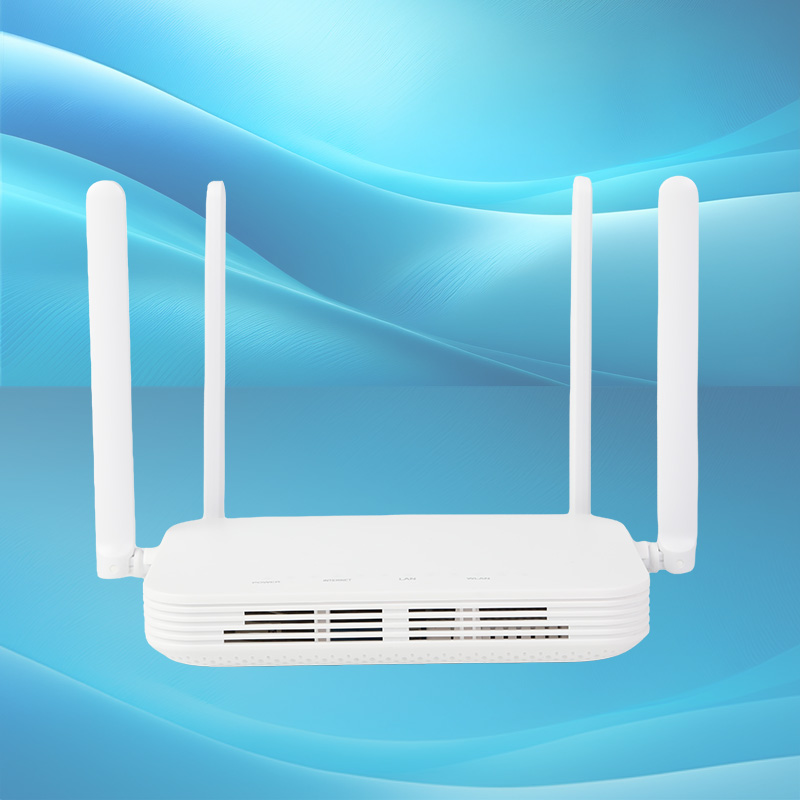
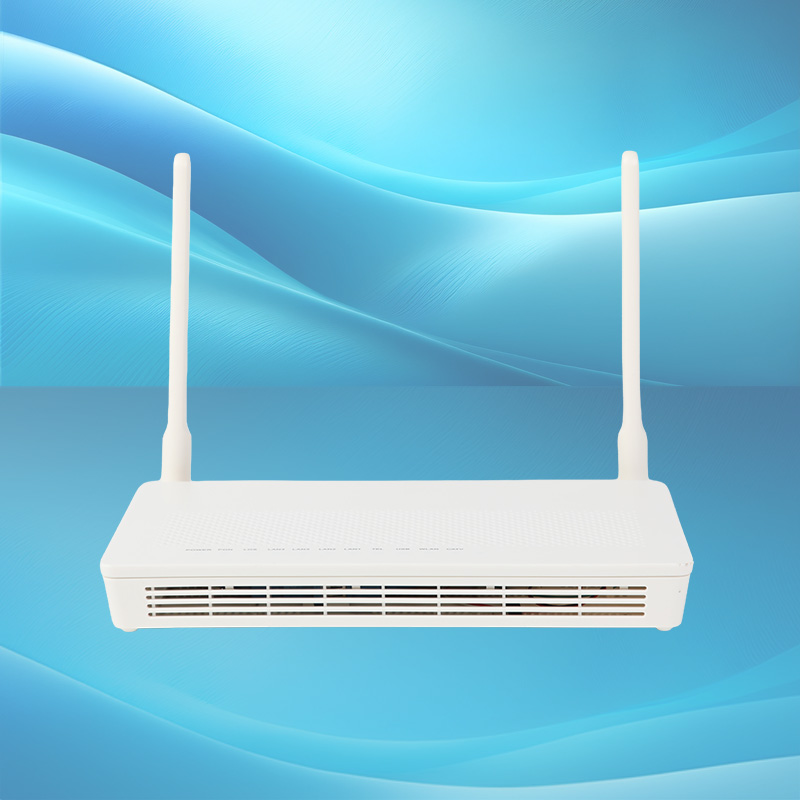
In modern corporate offices, employees utilize multiple connected devices simultaneously, ranging from laptops and smartphones to smart screens and IoT sensors. Standard copper networks suffer from electromagnetic interference, signal degradation, and cable congestion in ceilings and risers. By deploying a ZTE GPON ONU network, enterprises can run thin, lightweight fiber cables throughout the building. Each department or work cluster is equipped with a high-capacity ONU, such as the Ai-1426-MA WiFi 6 GPON ONT, providing multi-gigabit wired backhaul and seamless Wi-Fi 6 coverage. This eliminates bottlenecks and ensures lag-free video conferencing, rapid cloud database access, and secure guest network isolation.
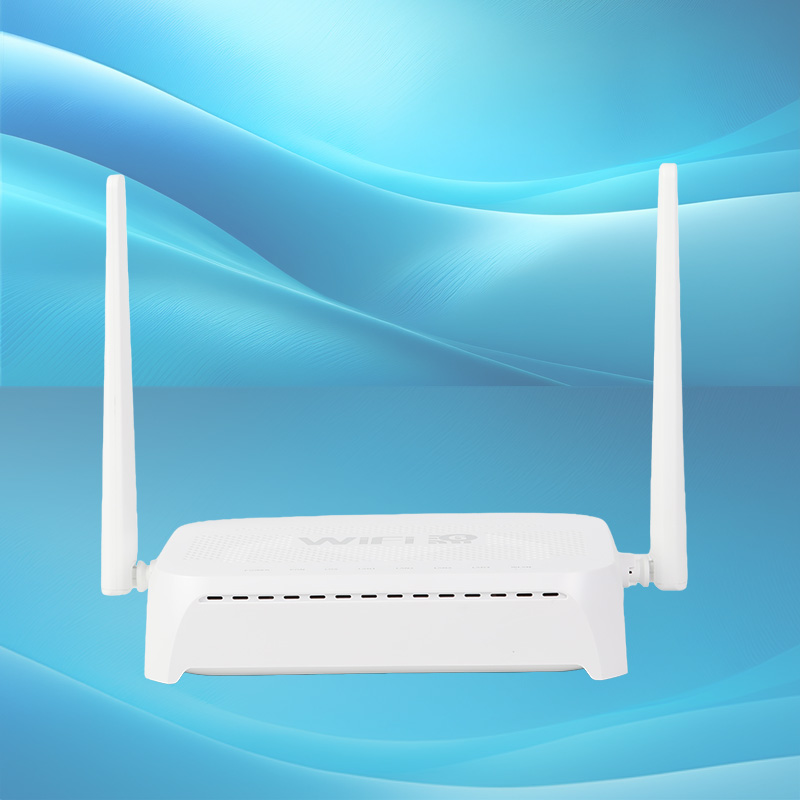
Hotels, resorts, and residential campuses require a single network infrastructure capable of delivering high-speed internet, IP television (IPTV), and voice services (VoIP) to every room. Traditional setups require separate coax, twisted-pair, and Ethernet networks. A GPON solution streamlines this into a single optical fiber per room. At the guest room, a compact ONT like the HG8247H5 / AI8247H5 GPON ONT is installed. This unit features multiple Gigabit Ethernet ports, an RJ11 voice port, and a coaxial RF port for legacy television services. This "triple-play" capability reduces installation costs, simplifies troubleshooting, and provides guests with an uncompromised connectivity experience.
Industrial environments present unique challenges for network infrastructure, including extreme temperatures, dust, vibration, and electromagnetic noise from heavy machinery. In these settings, copper Ethernet cables perform poorly and are susceptible to electrical surges. GPON fiber is inherently immune to electromagnetic interference (EMI) and radio frequency interference (RFI). By utilizing industrial-grade OLT interface boards like the GPBH OLT Service Board and ruggedized ONUs, manufacturers can reliably connect automated guided vehicles (AGVs), programmable logic controllers (PLCs), high-definition security cameras, and inventory scanners across massive warehouse floors. The centralized management capabilities of GPON allow IT administrators to monitor the status of every connected node from a single dashboard, minimizing downtime in critical production environments.
Large campuses, such as universities and hospitals, require high-bandwidth connectivity across geographically dispersed buildings. Laying multi-core copper cables over long distances is cost-prohibitive and technically unfeasible due to distance limitations. A GPON network, powered by a carrier-class OLT like the MA5680T IEC OLT, can transmit data up to 20 kilometers without requiring active repeaters or switches. ONUs located in different campus buildings or hospital wards can handle local traffic distribution, supporting high-resolution medical imaging transfers, telemedicine systems, campus-wide online learning platforms, and secure administrative databases with sub-millisecond latency.
When selecting hardware for an enterprise network upgrade, ZTE ONUs offer several distinct technical advantages:
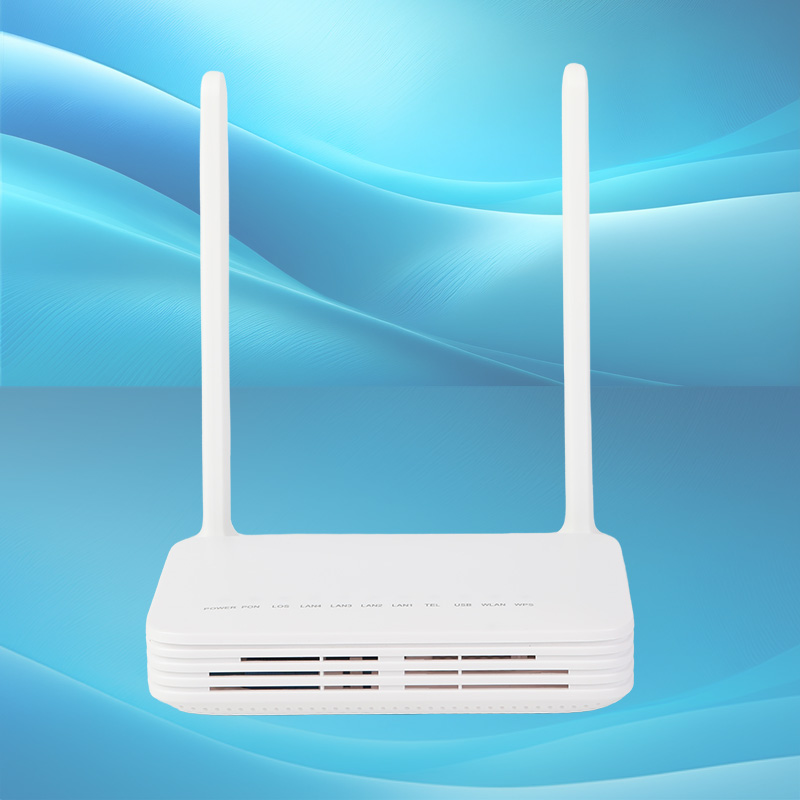
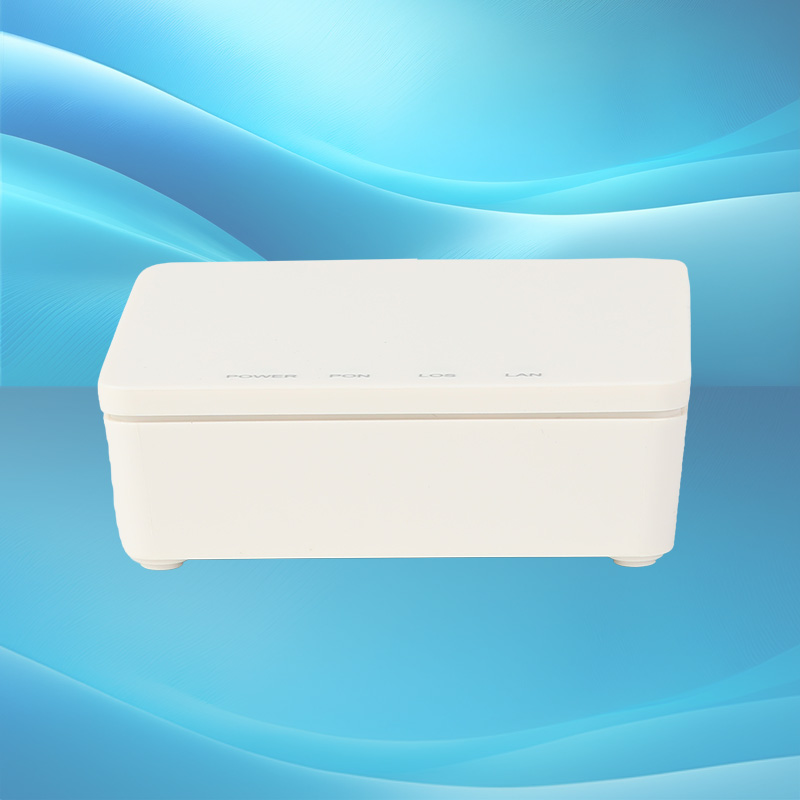
A successful GPON deployment requires careful matching of OLT capacity with ONU capabilities. For instance, a small-to-medium enterprise (SME) or a localized branch office can deploy the compact MA5801-FL04-H1 OLT, which features 4 GPON ports, and pair it with the AI8310M Optical Network Terminal for simple bridging applications, or the H3-1S 4GE AX1800 Wi-Fi 6 XPON ONU for comprehensive office coverage. For large-scale enterprises or carrier-class operations, the modular MA5680T IEC OLT equipped with high-density MPWC or GPBH service boards provides the throughput and redundancy needed to support thousands of endpoints simultaneously.
By investing in a well-architected GPON solution using ZTE ONU technology, enterprises ensure that their network infrastructure remains robust, scalable, and capable of supporting the bandwidth demands of tomorrow's digital innovations.
Focused on the research, development, and manufacturing of state-of-the-art optical network access solutions.

Streamlined manufacturing lines ensure your optical network upgrades are delivered on schedule.

Continuous innovation in GPON, EPON, and XPON terminal technologies for optimal performance.

Customized hardware branding, firmware configurations, and packaging tailored to your project requirements.

Strict adherence to ITU-T standards, ensuring seamless compatibility with major OLT brands.

Dedicated technical support engineers ready to assist with remote configuration and troubleshooting.

Robust supply chain management guarantees consistent availability of critical network components.
Fiber optic communication equipment is widely used in 5G, data centers, and smart cities to enable high-speed transmission.
Providing ultra-reliable, low-latency optical connections between core networks and 5G small cells to handle massive mobile data throughput.
Facilitating high-density, high-speed interconnectivity between server racks and storage arrays with minimal latency and maximum throughput.
Connecting thousands of municipal sensors, traffic control systems, and public security cameras to a unified, high-bandwidth optical network.
Explore our top-selling GPON ONUs and smart routing gateway solutions for enterprise upgrades.