The Evolution of Smart Office Connectivity: The Crucial Role of ONU EPON FTTH
In the era of digital transformation, modern enterprises are moving away from traditional legacy copper infrastructures. As companies increasingly adopt cloud-based infrastructure, software-as-a-service (SaaS) platforms, real-time collaboration tools, and high-definition video conferencing, the requirements for business network reliability have scaled exponentially. This is where ONU EPON FTTH (Optical Network Unit Ethernet Passive Optical Network Fiber To The Home/Premises) solutions establish themselves as the backbone of modern enterprise operations.
Broadband access is no longer just about basic internet connectivity; it is a core business driver. A smart office demands ultra-low latency, symmetrical high-speed download and upload capabilities, robust cyber security, and seamless scalability to handle dense IoT environments. By deploying EPON (Ethernet Passive Optical Network) technology, businesses can build a passive optical LAN (POL) that simplifies cabling, reduces energy consumption, and offers long-term future-proofing against bandwidth congestion.
"A smart office is only as intelligent as the pipeline that feeds it. Implementing ONU EPON FTTH infrastructure eliminates latency bottlenecks, enabling real-time AI processing, seamless SaaS operations, and instantaneous cloud backups."
Commercial and Industrial Status of EPON FTTH Solutions
Globally, the optical communication market is experiencing a massive paradigm shift. Industrial zones, commercial complexes, and modern co-working hubs are rapidly transitioning from traditional Cat6 Ethernet systems to Fiber-to-the-Desk (FTTD) and Fiber-to-the-Office (FTTO) architectures. According to recent market analysis, the demand for EPON and GPON solutions in commercial real estate is projected to grow significantly over the next decade.
The driving force behind this industrial adoption is cost-efficiency combined with performance. Traditional copper networks require active switches every 100 meters, necessitating dedicated telecommunication closets, continuous power supply, and extensive HVAC cooling. In contrast, EPON utilizes passive splitters that require no power, allowing a single fiber line from the central Optical Line Terminal (OLT) to serve multiple endpoints up to 20 kilometers away. This reduction in active hardware translates directly to lower CAPEX and OPEX for enterprise IT budgets.
Why EPON is Highly Suited for Smart Offices
- Symmetrical Bandwidth Capabilities: EPON provides balanced upstream and downstream bandwidth, which is essential for businesses uploading large data sets, hosting cloud servers, or conducting multi-party video conferences.
- Passive Architecture: By using optical splitters, the network requires fewer active components, significantly lowering the risk of hardware failure and reducing maintenance overhead.
- Electromagnetic Immunity: Fiber optic cables are immune to electromagnetic interference (EMI) and radio frequency interference (RFI), ensuring clean signal transmission even in industrial or densely wired environments.
- Enhanced Security: Fiber optic transmissions do not radiate electromagnetic signals, making them extremely difficult to tap or intercept, providing a secure foundation for sensitive corporate data.
Deep-Dive Application Scenarios in Smart Office Environments
To understand the true value of ONU EPON FTTH solutions, we must look at how they integrate into specific, real-world business scenarios within a modern smart office environment:
1. Multi-Tenant Smart Buildings & Co-Working Spaces
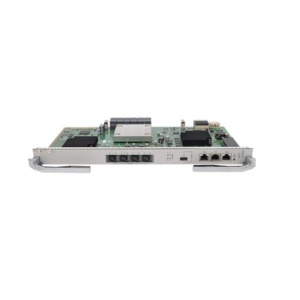
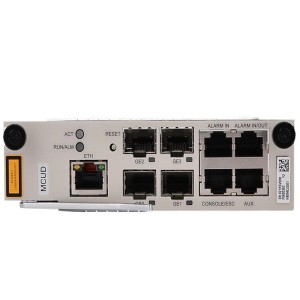
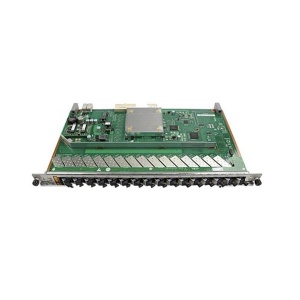
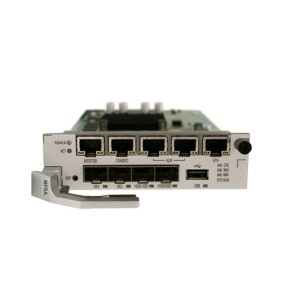
In co-working spaces, hundreds of independent professionals and enterprises share the same physical infrastructure. Bandwidth demands can fluctuate wildly. By deploying an OLT service board at the building’s core and connecting individual XPON/EPON ONUs to each tenant office, operators can dynamically allocate bandwidth. Quality of Service (QoS) protocols can be configured to prioritize critical business traffic (like VoIP and ERP access) over non-essential web browsing, ensuring consistent performance for all tenants.
2. IoT-Enabled Smart Facilities
Modern offices are filled with IoT devices: smart lighting, automated HVAC systems, IP security cameras, access control terminals, and environmental sensors. An EPON FTTH network provides the high-capacity, low-latency backhaul required to connect these thousands of endpoints. Using POE (Power over Ethernet) enabled OLTs or ONUs, enterprises can power and connect security cameras and access terminals directly through a single network deployment, simplifying the physical infrastructure.
3. High-Density Wi-Fi 6 Enterprise Networks
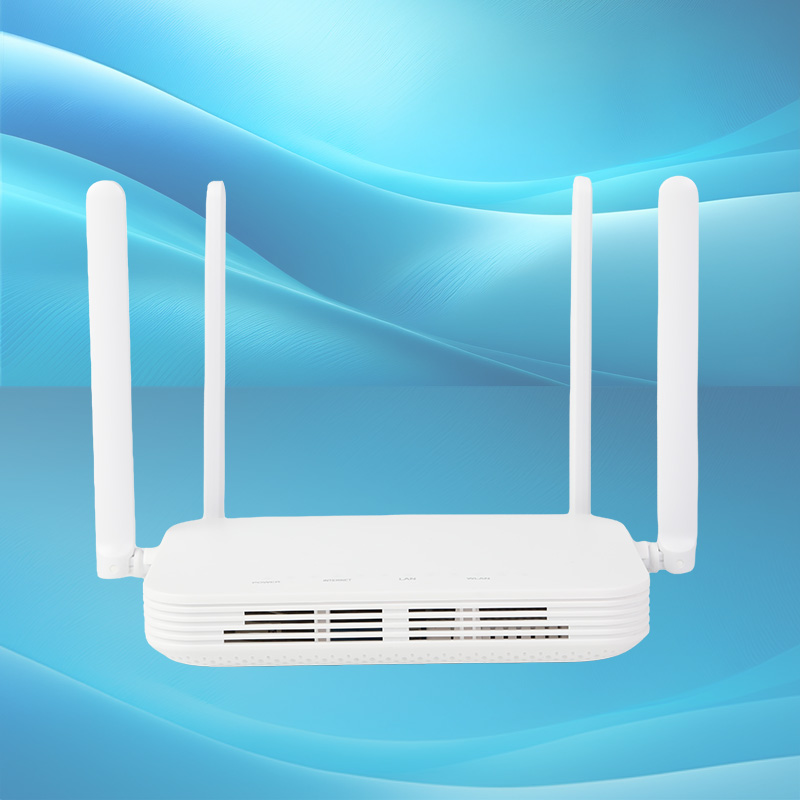
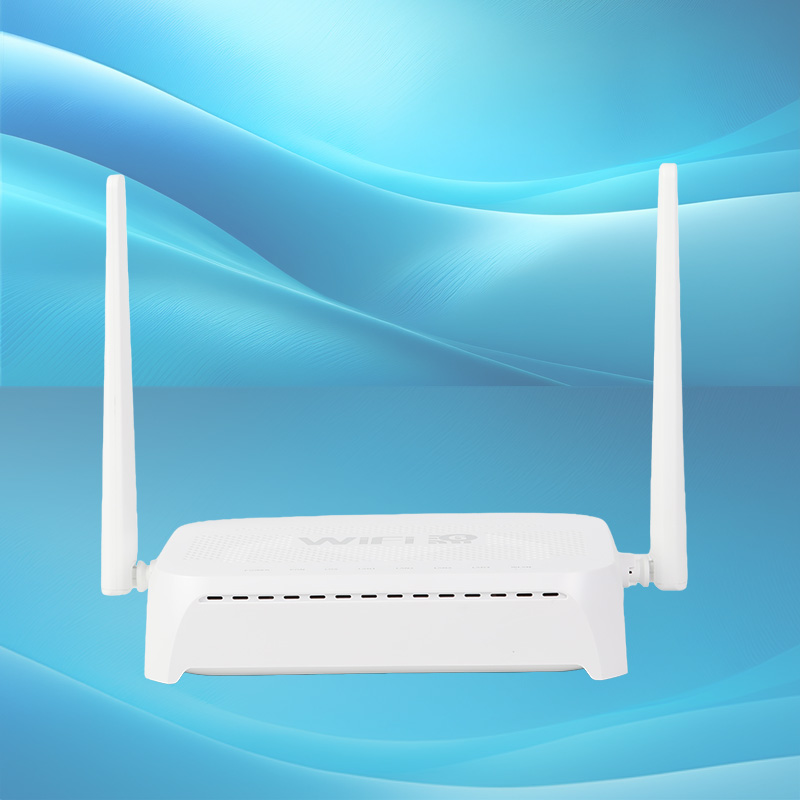
As workplaces transition to wireless-first environments, the demand on the physical backhaul network increases. Wi-Fi 6 access points (APs) can handle gigabit-plus speeds, meaning the switches and routers feeding them must not become bottlenecks. Deploying AX1800 or AX3000 Wi-Fi 6 XPON ONUs directly at key locations around the office ensures that the wireless devices receive the full speed of the fiber optic backbone without latency or packet loss.
| Feature | Legacy Copper Network (Cat6) | EPON FTTH / POL Network |
|---|---|---|
| Maximum Transmission Distance | 100 meters (requires repeaters) | Up to 20 kilometers (passive) |
| Lifespan of Cable Infrastructure | 5 - 10 years (subject to degradation) | 25+ years (highly durable glass fiber) |
| Power Consumption | High (requires active switches & cooling) | Minimal (passive optical splitting) |
| Security Level | Vulnerable to tapping/EMI | Highly secure (no signal leakage) |
| Scalability | Requires rewiring for higher speeds | Upgrade end-points (OLT/ONU) only |
Future Trends: The Road to 10G-EPON and Beyond
As technologies like virtual reality (VR) collaboration, real-time 3D rendering, and AI-driven automated operations become commonplace, the bandwidth demand will continue to scale. The optical access industry is currently moving towards 10G-EPON and XG-PON standards. The beauty of existing EPON FTTH layouts is their compatibility with these upgrades. Because the fiber cables laid in the walls and ceilings are capable of carrying virtually infinite bandwidth, upgrading to a 10G network simply requires replacing the active OLT interface cards and the user-end ONUs, without touching the physical fiber infrastructure.
Additionally, the convergence of XPON (which supports both EPON and GPON protocols automatically) allows enterprise networks to remain highly flexible. IT administrators can deploy hybrid networks that cater to different departmental needs, using high-speed GPON for data-heavy departments like media production, and standard EPON for administrative and guest networks, all managed under a unified OLT system.