Wenzhou AIOU Optical Communication Co., Ltd.



Leave Your Message
-
 Get Your Quote
-
 Email
Explore our top-tier Optical Network Terminals designed to support high-speed Wi-Fi 6 routing and robust bridging requirements.
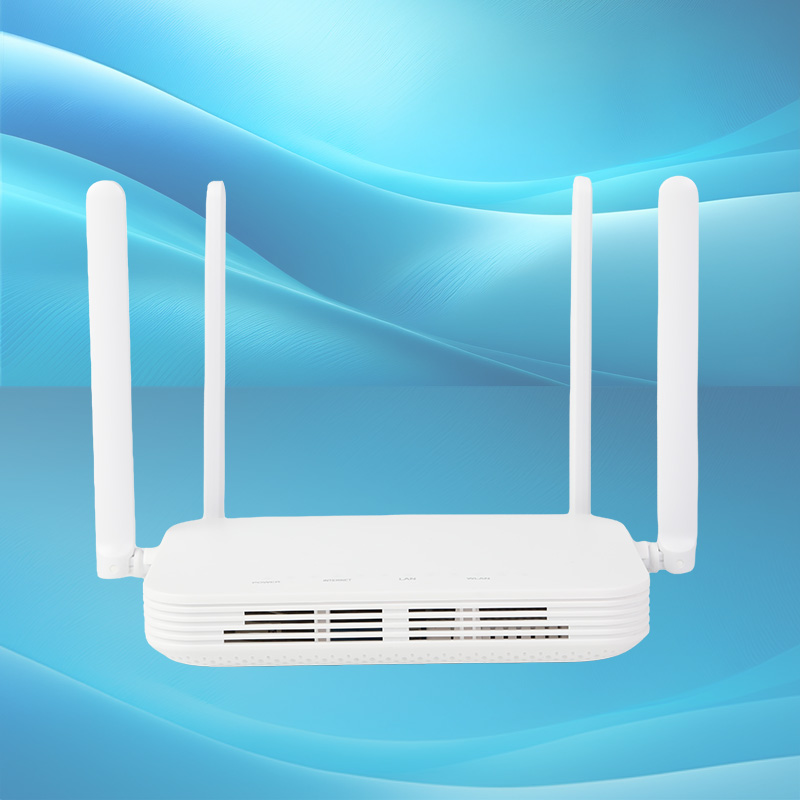
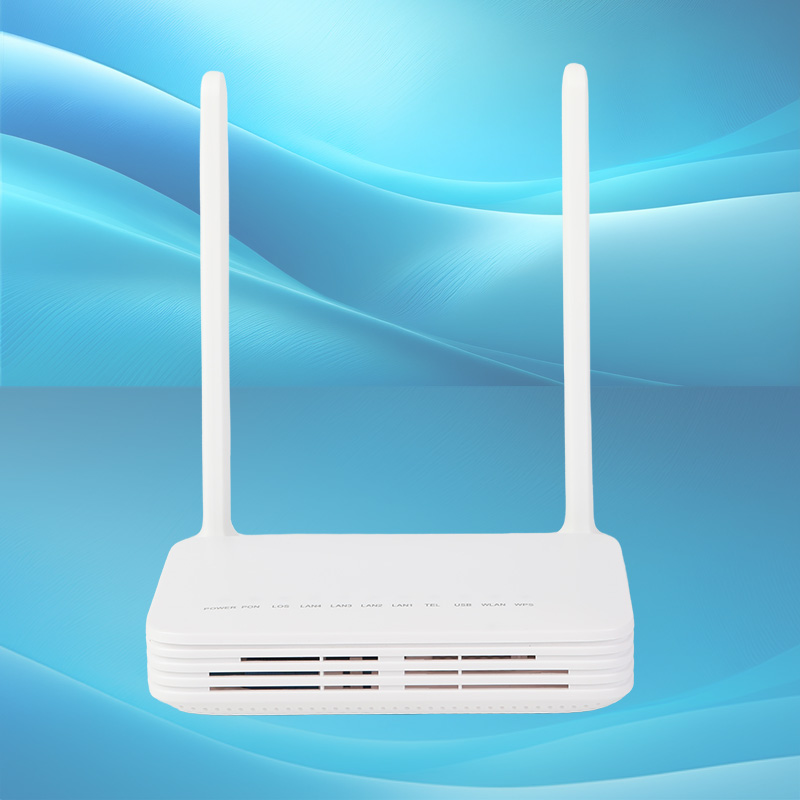
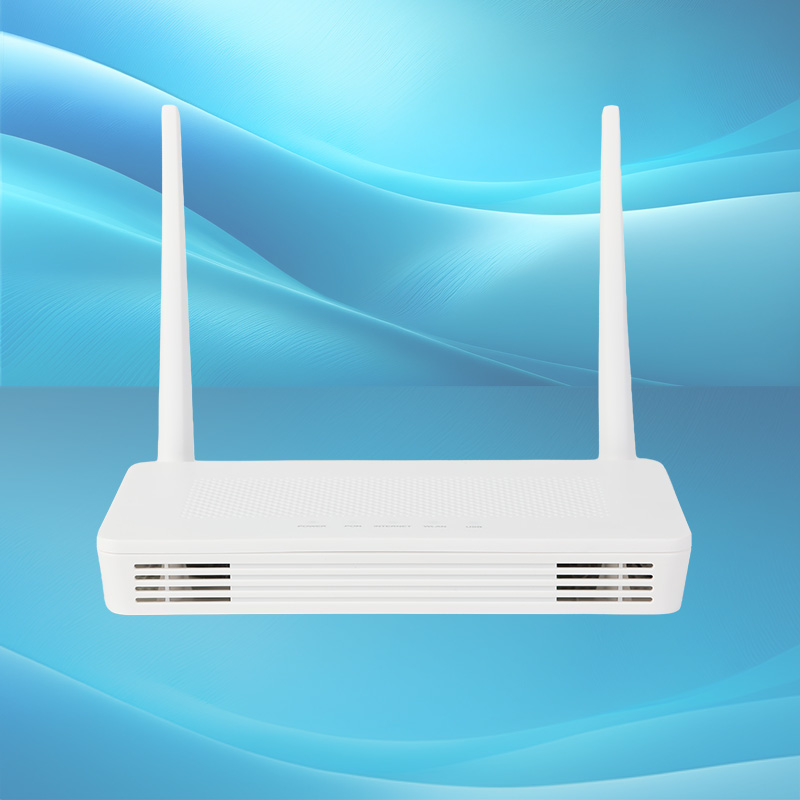
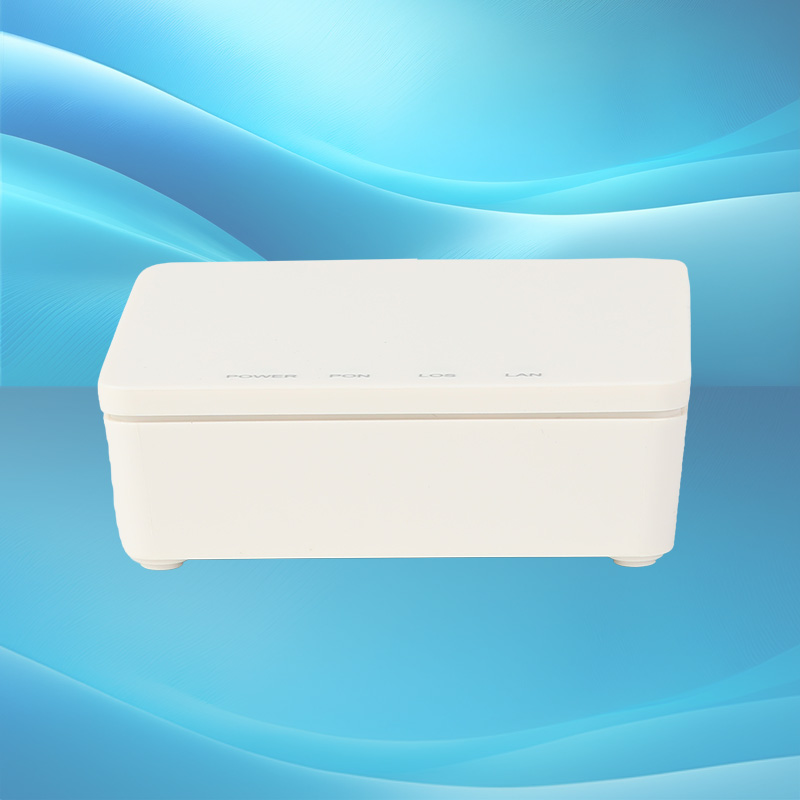
The global demand for high-speed internet has transformed residential telecommunications. As fiber-to-the-home (FTTH) architectures become the gold standard for modern connectivity, ONU EPON FTTH (Optical Network Unit Ethernet Passive Optical Network) technology stands at the forefront of this digital evolution. By converting optical signals into standard electrical ethernet signals at the subscriber's premises, EPON ONUs ensure seamless, high-bandwidth data transmission directly to the home.
Ethernet Passive Optical Network (EPON) technology, standardized under IEEE 802.3ah, has gained immense popularity worldwide due to its native compatibility with Ethernet protocols. Unlike traditional GPON networks, which require complex encapsulation methods, EPON structures process data packet transmission natively. This simplicity reduces operational overhead, lowers deployment costs, and streamlines integration with existing local area networks (LANs), making it an ideal candidate for large-scale residential broadband rollouts.
"The transition to FTTH is no longer just about faster web browsing; it is the fundamental infrastructure required to sustain the massive growth of smart homes, remote working, and high-definition media streaming."
From a commercial perspective, telecommunication operators and internet service providers (ISPs) are aggressively expanding their FTTH footprints to capture market share. The cost-efficiency of EPON ONUs allows operators to offer competitive pricing tiers for gigabit broadband services. In emerging markets across Asia-Pacific, Latin America, and Eastern Europe, EPON continues to be a dominant technology for residential access networks because of its lower initial capital expenditure (CAPEX) compared to complex GPON or point-to-point active ethernet structures.
Furthermore, industrial standards are shifting towards hybrid XPON configurations. Modern ONUs are increasingly designed to auto-negotiate between EPON and GPON modes, allowing operators to deploy unified hardware units across diverse network architectures. This interoperability minimizes inventory complexities and simplifies supply chain management for network equipment providers.
Focused on the research, development, and manufacturing of optical network access solutions to deliver ultimate reliability.

Streamlined manufacturing lines ensure quick turnaround times and prompt shipment for large-scale FTTH deployments.

Our dedicated engineering team designs next-generation optical access solutions tailored to evolving network standards.

Customized hardware design, firmware adjustments, and branding solutions to match your specific market requirements.

Our EPON/GPON ONUs demonstrate exceptional compatibility with major OLT brands, ensuring hassle-free network integration.

Comprehensive technical support and maintenance services guarantee long-term network stability and customer satisfaction.

Robust supply chain partnerships ensure consistent raw material availability, mitigating market shortages.
In residential deployments, the EPON ONU is the unsung hero that bridges the gap between optical distribution networks (ODN) and local user devices. Understanding its deployment scenarios helps ISPs design resilient networks that satisfy modern consumer expectations.
In a typical residential FTTH setup, a single fiber line carries voice, data, and video services. The EPON ONU segments these streams using VLAN tags (IEEE 802.1Q). Voice traffic (VoIP) is prioritized using Quality of Service (QoS) configurations to prevent latency and jitter during phone calls. Concurrently, multicast technology (IGMP Snooping) is implemented on the ONU to deliver high-definition IPTV streams without flooding the local network with unnecessary traffic, leaving ample bandwidth for standard internet browsing.
Modern homes are dense IoT environments with smart thermostats, security cameras, and automated appliances constantly communicating. The latest generation of EPON ONUs, such as the AX3000 Wi-Fi 6 series, act as high-capacity home gateways. By integrating Wi-Fi 6 directly into the ONU, users experience ultra-low latency, wider coverage, and higher device density. This integration eliminates the need for standalone routers, reducing clutter and lowering hardware costs for the end-user.
The rise of remote work has shifted corporate network requirements into the residential space. EPON ONUs support advanced routing features like VPN pass-through, hardware firewalls, and dynamic DNS. This allows remote workers to maintain secure connections to corporate servers while ensuring that bandwidth-heavy activities in the household (such as gaming or streaming) do not disrupt critical video conferences.
As bandwidth demands continue to climb, traditional EPON (offering symmetric 1.25 Gbps speeds) is gradually evolving. Network operators are planning transition paths to 10G-EPON (IEEE 802.3av) and XG-PON architectures. This migration allows coexistences on the same physical fiber network through Wavelength Division Multiplexing (WDM). By utilizing different wavelengths for standard EPON and 10G-EPON, operators can upgrade high-demand customers to 10G ONUs while retaining standard EPON ONUs for light users, maximizing the return on investment of the physical fiber infrastructure.
Fiber optic communication equipment is widely used in 5G, data centers, and smart cities to enable high-speed transmission.
High-density EPON and GPON OLT/ONU systems provide the essential fiber backhaul infrastructure needed to connect 5G micro-cells, ensuring ultra-low latency data transmission.
Integrating millions of smart sensors, automated traffic control systems, and public utility monitors into a unified, high-speed fiber backbone.
Providing robust, high-throughput optical access boards and switches to manage internal server communications and high-speed cloud uplinks.
To fully appreciate the role of the ONU EPON FTTH in modern residential broadband, it is essential to analyze the entire end-to-end passive optical network (PON) architecture. A typical FTTH network consists of three main components: the Optical Line Terminal (OLT) located at the service provider's central office, the Optical Distribution Network (ODN) which contains the passive splitters and fibers, and the Optical Network Unit (ONU) or Optical Network Terminal (ONT) positioned at the subscriber's home.
The OLT serves as the anchor point of the entire network, aggregating traffic from thousands of subscribers and routing it to the core internet backbone. The ODN, consisting entirely of passive components like fiber optic cables, connectors, and optical splitters (typically 1:32 or 1:64 ratios), distributes the optical signals without requiring any electrical power along the path. Finally, the ONU acts as the termination point, demodulating the light signals into standard Ethernet, Wi-Fi, or POTS (Plain Old Telephone Service) signals for end-user consumption.
While both EPON and GPON are widely deployed passive optical network technologies, they differ significantly in their underlying protocols, bandwidth allocation, and efficiency metrics. ISPs must carefully weigh these differences when planning large-scale residential rollouts.
Key Takeaway: While GPON offers higher raw downstream bandwidth, EPON provides a simplified, highly cost-effective, and native Ethernet-based architecture that integrates seamlessly with modern IP-based residential networks.
In a shared passive optical network, multiple ONUs must transmit upstream data over a single fiber line. To prevent data collisions, the OLT employs Dynamic Bandwidth Allocation (DBA) algorithms. DBA dynamically assigns upstream transmission time slots to each ONU based on real-time traffic demands.
For residential broadband, DBA is critical. During peak hours, when multiple users in a neighborhood are streaming 4K video, downloading large gaming patches, and conducting video calls simultaneously, the OLT's DBA scheduler prioritizes time-sensitive traffic (like voice and gaming packets) while allocating remaining bandwidth to bulk data transfers. This ensures a smooth user experience even under heavy network congestion, preventing packet loss and minimizing latency spikes.
Deploying fiber optic networks to thousands of residential homes presents several physical and engineering challenges. Understanding these challenges is key to maintaining long-term network reliability and reducing operational expenses (OPEX).
Every connector, splice, and splitter along the ODN introduces a certain amount of signal loss, known as attenuation. Measured in decibels (dB), this attenuation must not exceed the receiver sensitivity of the EPON ONU. A standard EPON link budget allows for roughly 26 dB to 29 dB of loss. If the optical signal drops below the threshold (typically around -27 dBm for ONUs), the connection will experience high bit error rates, intermittent drops, or complete failure.
To combat this, field technicians must use high-quality fusion splicers, keep optical connectors clean from dust and contaminants, and strategically place optical splitters to minimize total path loss. Additionally, deploying high-performance ONUs with sensitive optical receivers can help maintain stable connections even on marginal fiber links.
Historically, one of the biggest headaches for network operators was vendor lock-in. An OLT from one manufacturer would often not communicate properly with an ONU from another manufacturer. To address this, the industry established standardization protocols like the ONT Management and Control Interface (OMCI) and the Broadband Forum's TR-156 guidelines.
Modern EPON and GPON ONUs are designed with strict adherence to these interoperability standards. This allows ISPs to deploy a centralized OLT from a major network provider while choosing cost-effective, high-performance ONUs from specialized manufacturers for the end-user premises. This open ecosystem fosters healthy competition, drives down hardware costs, and simplifies network upgrades.
As smart home ecosystems expand and technologies like Virtual Reality (VR) and 8K streaming gain traction, residential bandwidth requirements will continue to grow exponentially. To meet these future needs, ISPs are already planning their transition paths to next-generation PON technologies.
10G-EPON (supporting symmetric 10 Gbps speeds) and XGS-PON (a symmetric 10 Gbps variant of GPON) represent the next logical step. The beauty of these technologies lies in their backward compatibility. Through Wavelength Division Multiplexing (WDM), operators can run standard EPON (using 1490nm downstream / 1310nm upstream) and 10G-EPON (using 1577nm downstream / 1270nm upstream) simultaneously over the same physical fiber network. This allows for a gradual, non-disruptive upgrade path where high-demand users are migrated to 10G ONUs while standard users remain on legacy hardware.
Beyond speed and reliability, passive optical networks offer significant environmental benefits. Unlike traditional copper-based DSL or coaxial cable networks, which require active, power-hungry switches and amplifiers stationed in street cabinets, PON networks are entirely passive between the central office and the subscriber's home. This drastically reduces the electrical power consumption of the network infrastructure. Furthermore, fiber optic cables are made of glass (silica), which is far more abundant and sustainable to produce than copper, making FTTH a truly green technology for the future.
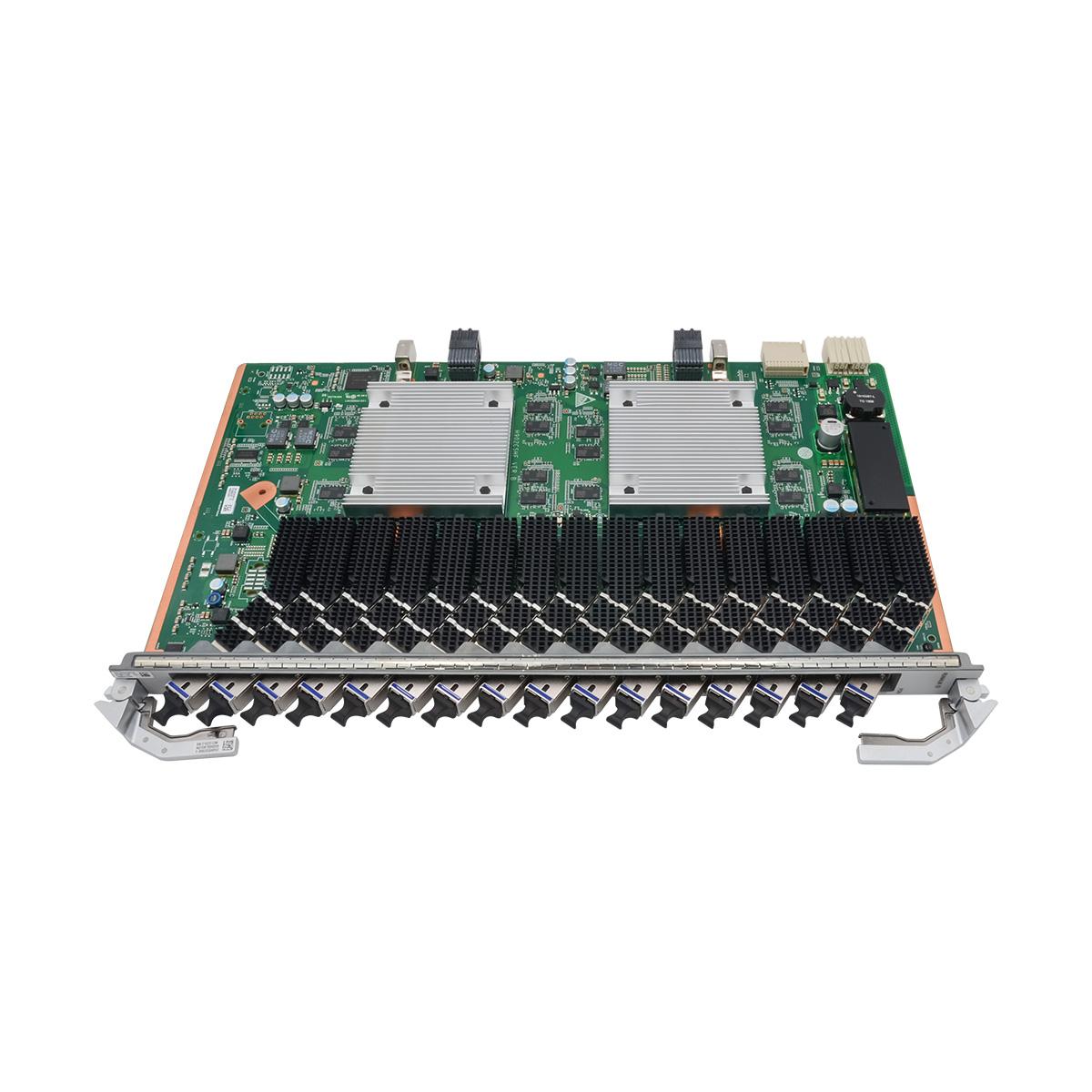
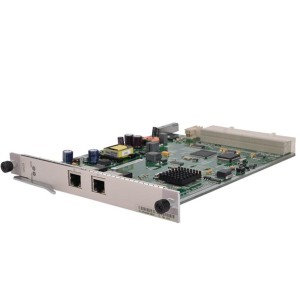
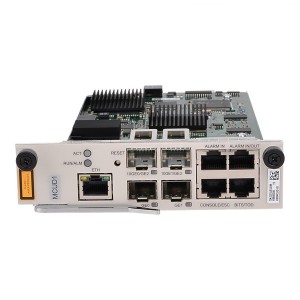
Explore our comprehensive range of central office OLTs, interface boards, and high-quality circuit boards designed for robust FTTH deployments.