Wenzhou AIOU Optical Communication Co., Ltd.



Leave Your Message
-
 Get Your Quote
-
 Email
Deploy high-performance, next-generation EPON and GPON hardware tailored for telecom operators and ISP infrastructures.
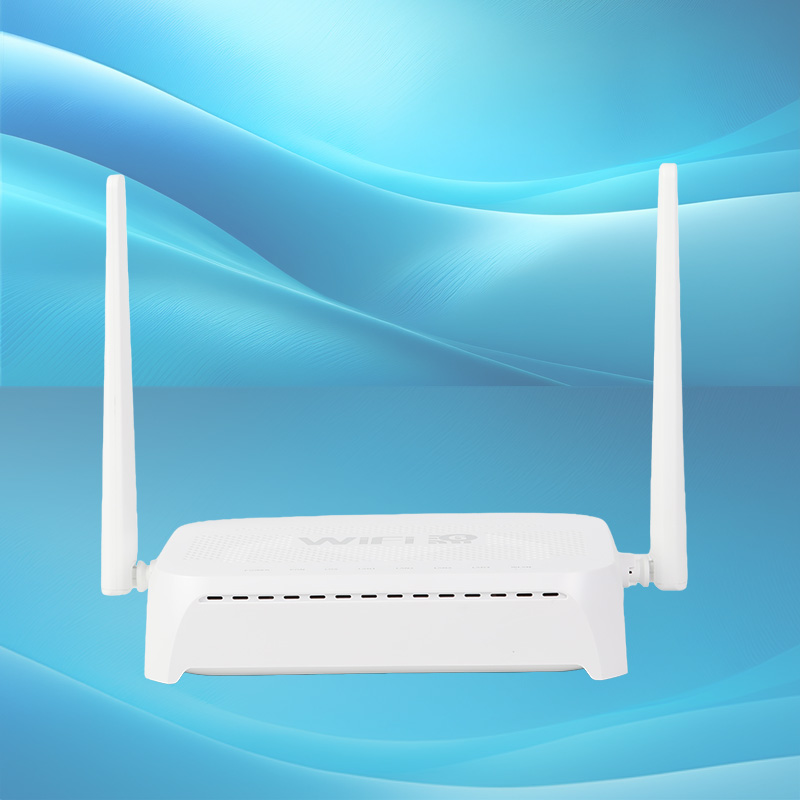
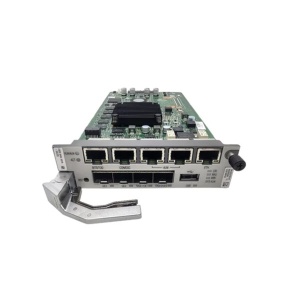
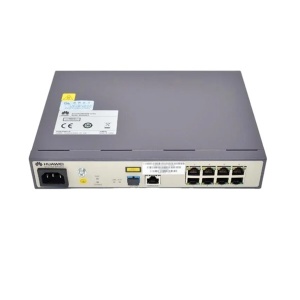
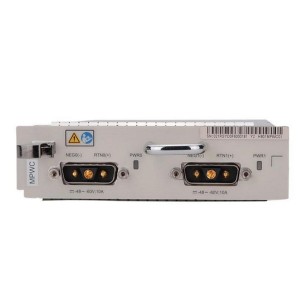
In the rapidly transforming telecommunications sector, the demand for high-speed, integrated broadband services has reached an all-time high. Internet Service Providers (ISPs) and telecom operators worldwide are constantly seeking cost-effective, scalable, and highly reliable architectures to deliver the "Triple Play"—high-speed internet, voice (VoIP), and television (CATV) services. Among the leading technologies facilitating this convergence is the ONU CATV EPON system, which merges Ethernet Passive Optical Network (EPON) technology with optical Cable Television (CATV) distribution.
EPON, standardized under IEEE 802.3ah, remains a vital and highly cost-efficient fiber access standard. By using a single optical fiber to distribute data through passive splitters, EPON minimizes the active electronic components required in the field, drastically reducing operational and maintenance costs. The inclusion of a CATV optical receiver module directly inside the Optical Network Unit (ONU) allows ISPs to deliver traditional RF television signals alongside high-speed data over the same fiber infrastructure, using Wavelength Division Multiplexing (WDM) technology. Typically, downstream data is transmitted at 1490nm, upstream data at 1310nm, and CATV signals at 1550nm.
Modern telecommunication infrastructures leverage XPON ONUs that automatically detect and switch between EPON and GPON networks, offering unparalleled flexibility to growing ISPs during optical distribution network upgrades.
Integrating a CATV receiver into the ONU eliminates the need for separate fiber drops or external RF converters, facilitating a clean, single-box installation at the subscriber premises.
This commercial integration has driven massive adoption across developing and developed markets alike. In regions such as South America, Southeast Asia, and Eastern Europe, where legacy coaxial cable networks are being replaced with Fiber-To-The-Home (FTTH) networks, the ONU CATV EPON solution provides a seamless transition. It allows operators to preserve their existing television headend investments while offering fiber-speed internet connections of up to 1 Gbps per subscriber.
The versatility of ONU CATV EPON systems enables them to serve several unique commercial and industrial deployment scenarios. Understanding these applications allows network engineers and ISP planners to design highly optimized topologies.
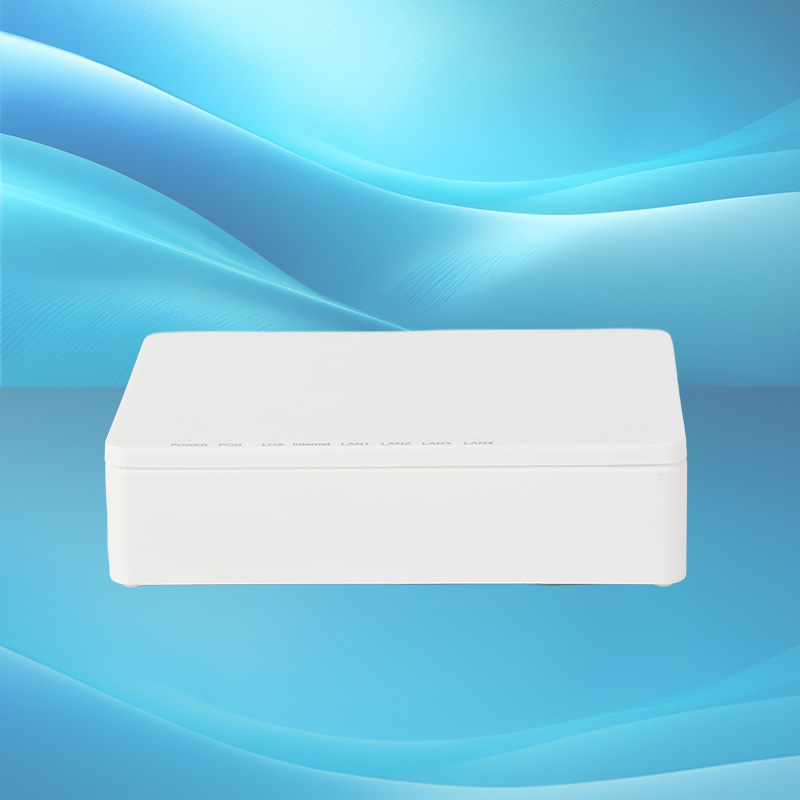
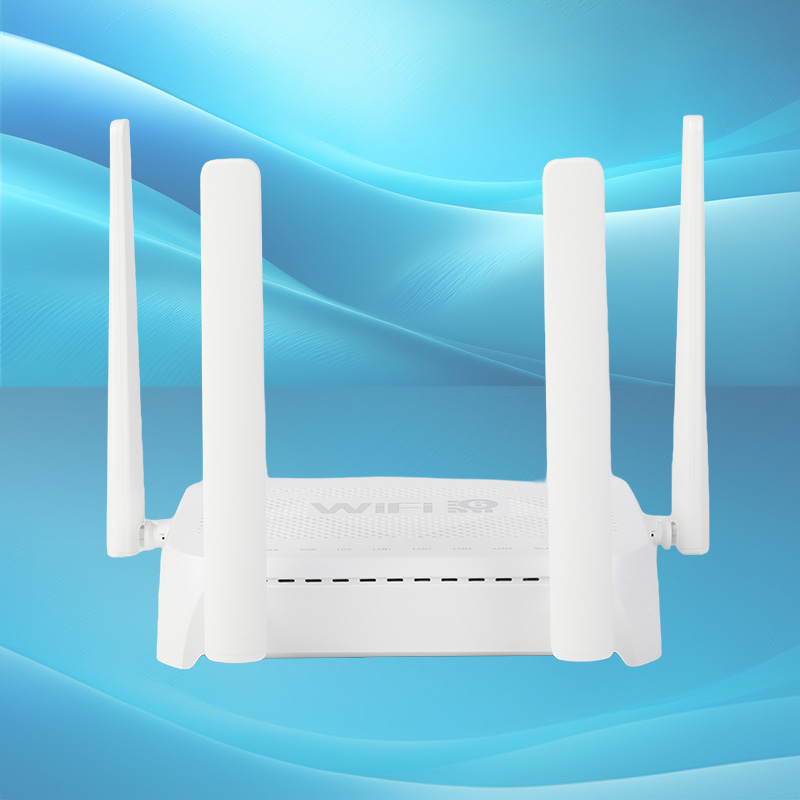
The most common application is the deployment of high-density FTTH networks in urban and suburban residential areas. A single fiber from the Central Office (CO), carrying data from the EPON OLT and video from the CATV transmitter, is routed to the subscriber's home. The ONU CATV device acts as the demarc. It demultiplexes the 1550nm wavelength to feed the coaxial RF port for the television, while routing the 1490nm/1310nm data paths to the gigabit Ethernet ports and integrated Wi-Fi transmitters.
This reduces the hardware footprint inside the subscriber’s home and simplifies troubleshooting. ISPs can remotely enable or disable the CATV RF output via the OLT using standard OAM (Operations, Administration, and Maintenance) protocols, providing a secure method to manage subscriptions without dispatching field technicians.
In apartment complexes, hotels, and gated communities, deploying dedicated fiber to every single room can sometimes be cost-prohibitive or structurally challenging. In these scenarios, high-density EPON OLTs and multi-port ONUs are deployed in building basements or corridor cabinets (FTTB - Fiber-To-The-Building).
The CATV signal is amplified and distributed via existing internal coaxial cabling, while high-speed internet is delivered through category cables (Cat5e/6) or localized Wi-Fi access points. This hybrid approach significantly reduces deployment costs while maintaining gigabit-level backhaul capacity.
Modern smart cities require robust network access points that can support both high-definition video broadcasting and bi-directional data transmission. ONU CATV EPON units are increasingly deployed in municipal monitoring stations, traffic control cabinets, and public parks. The CATV receiver can be utilized for public information broadcasting or emergency video feeds, while the EPON upstream channel transmits real-time surveillance data back to the central security command.
As telecommunication networks evolve toward higher bandwidths and lower latencies, the technologies underpinning ONU and OLT hardware are undergoing rapid innovation. The industry is currently witnessing several major trends:
Wenzhou AIOU Optical Communication Co., Ltd. — Your Trusted Partner in Fiber Optic Access Solutions
Established in 2006, Wenzhou AIOU Optical Communication Co., Ltd. is a professional high-tech enterprise dedicated to the full industrial chain of optical network access solutions, covering research and development, manufacturing, sales, and after-sales service. We focus on delivering cutting-edge passive optical network (PON) products, including EPON, GPON, and XPON series, which are carefully tailored to meet the diverse needs of global customers in different regions and industries. With a firm commitment to independent innovation, we have built a strong R&D team composed of senior engineers with years of industry experience, holding multiple core technology patents and forming a comprehensive industrial chain, thus effectively serving various sectors such as operator networks, government and enterprise information systems, smart parks, and home broadband access.
Our complete product line covers OLT (Optical Line Terminal), ONU (Optical Network Unit), high-performance optical modules, and network switching equipment, supporting access rates ranging from 10/100M to 10G. These solutions are characterized by high performance, stable reliability, low latency, and easy deployment, perfectly aligning with customers’ demands for secure, stable, and high-speed communication networks. All our products have passed strict CE certification, as well as other international quality certifications, and are exported to more than 20 countries and regions across South America, Africa, Eastern Europe, Southeast Asia, and the Middle East, winning wide recognition from global partners for their superior quality and cost-effectiveness.
We operate a standardized 2,000-square-meter production zone equipped with advanced automated production and testing equipment, where we strictly adhere to ISO9001 quality management systems, CCC, and CE standards to ensure the consistency and reliability of each product. Our core mission is to exceed customer expectations by providing premium quality products, efficient and thoughtful after-sales services, and industry-leading technical support, continuously driving technological innovation and development in the global optical network infrastructure field.
When designing an optical access network that incorporates CATV overlay, telecom engineers must pay close attention to several optical and RF parameters to ensure optimal signal quality for both data and video broadcast.
The optical power budget is the key factor determining the maximum distance and splitting ratio of the PON network. For EPON, the typical budget allows for a 1:64 split ratio over a distance of up to 20 km. However, because the CATV signal at 1550nm is analog (or digital QAM), it requires a much higher Carrier-to-Noise Ratio (CNR) compared to digital data.
While digital data receivers in an ONU can operate reliably at optical power levels as low as -28 dBm, the CATV optical receiver module typically requires an input optical power between -15 dBm and -2 dBm (ideally around -8 dBm to -10 dBm for optimal CNR). Therefore, optical amplifiers (EDFAs) must be strategically placed in the network to boost the 1550nm signal prior to distribution.
To prevent interference between the high-speed data wavelengths (1310nm/1490nm) and the CATV wavelength (1550nm), high-quality WDM filters must be integrated within the ONU. Modern ONUs feature isolation values of greater than 40 dB, ensuring that the burst-mode upstream data from the subscriber does not create harmonic distortion or noise on the television screen.
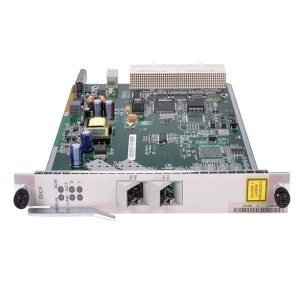
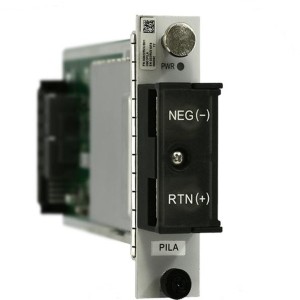
Explore our full line of OLT service boards, high-performance ONUs, and terminal equipment optimized for telecom operators.