Wenzhou AIOU Optical Communication Co., Ltd.



Leave Your Message
-
 Get Your Quote
-
 Email
The demand for high-speed telecommunications infrastructure across the United States has reached an unprecedented scale. Driven by corporate migration to multi-cloud environments, the rapid deployment of 5G cellular networks, and federal funding initiatives like the Broadband Equity, Access, and Deployment (BEAD) program, regional internet service providers (ISPs) and enterprise network operators are scaling their fiber optic backbones. At the heart of these network expansions is the SFP 10G LR (Long Reach) optical transceiver.
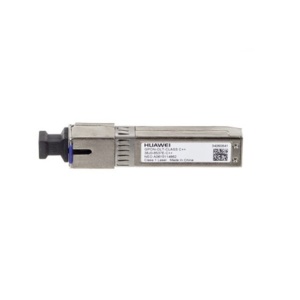
Operating over single-mode fiber (SMF) at a nominal wavelength of 1310nm, the SFP+ 10G LR standard supports link distances of up to 10 kilometers (6.2 miles). This makes it the absolute workhorse for metropolitan area networks (MANs), campus backbones, and data center interconnects (DCIs) throughout the US. As US organizations seek cost-effective ways to scale capacity, sourcing through reliable OEM (Original Equipment Manufacturer) SFP 10G LR suppliers has transitioned from a cost-saving strategy to an operational necessity.
In the United States, network reliability is governed by strict Service Level Agreements (SLAs). Historically, IT departments relied solely on tier-one network equipment manufacturers (NEMs) for their transceivers, paying exorbitant markups for "branded" optics. Today, the commercial consensus has shifted. US network engineers recognize that high-quality OEM manufacturers construct transceivers using the same premium optoelectronic components (such as lasers from Broadcom, Lumentum, or II-VI) and comply with the exact same Multi-Source Agreements (MSA).
By partnering directly with an OEM supplier, US enterprises, data centers, and telecommunications companies can customize the EEPROM internal coding. This ensures seamless plug-and-play compatibility with multi-vendor hardware environments containing switches and routers from Cisco, Arista, Juniper, Dell, and HPE. This level of interoperability reduces capital expenditure (CAPEX) by up to 70% while maintaining equivalent operational performance and network uptime.
As the US market moves closer to widespread adoption of AI-driven workloads and edge computing, several key trends are defining the evolution of the 10G SFP+ product category:
The practical application of SFP 10G LR modules varies widely across different US sectors:
Major US cloud hubs—such as those in Northern Virginia, Dallas-Fort Worth, and Silicon Valley—utilize SFP 10G LR modules to link adjacent data center facilities. Although coherent optics are used for ultra-long-haul links, the 10km reach of the LR module is perfect for high-density, low-latency clustering of metropolitan edge nodes.
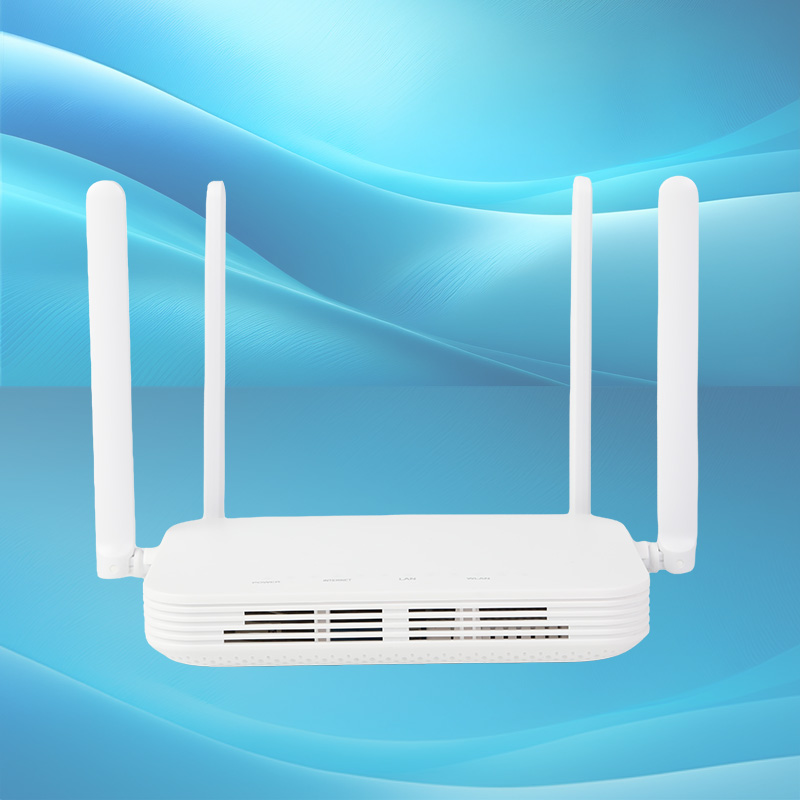
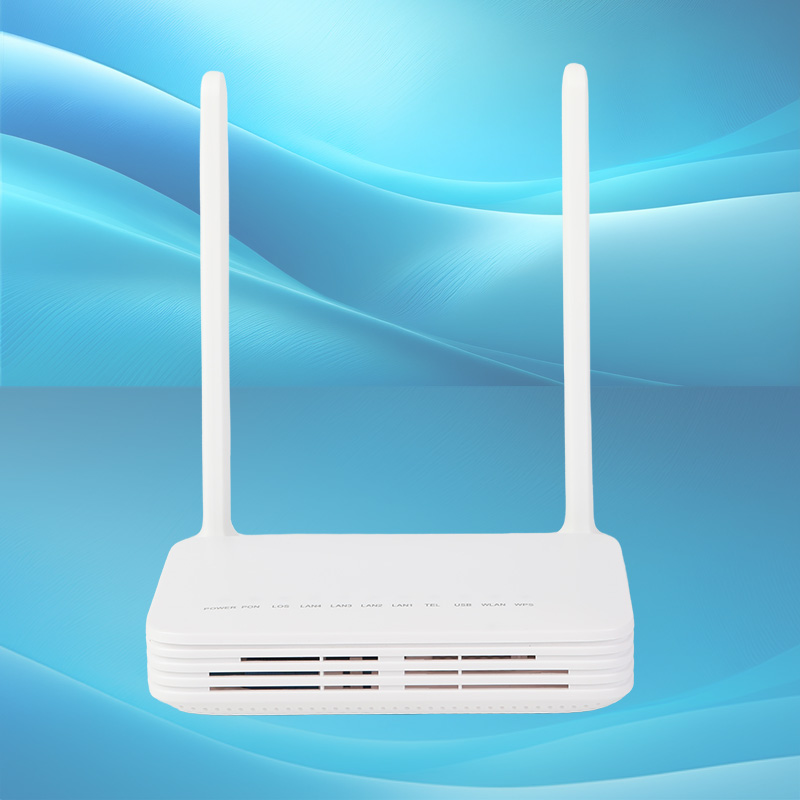
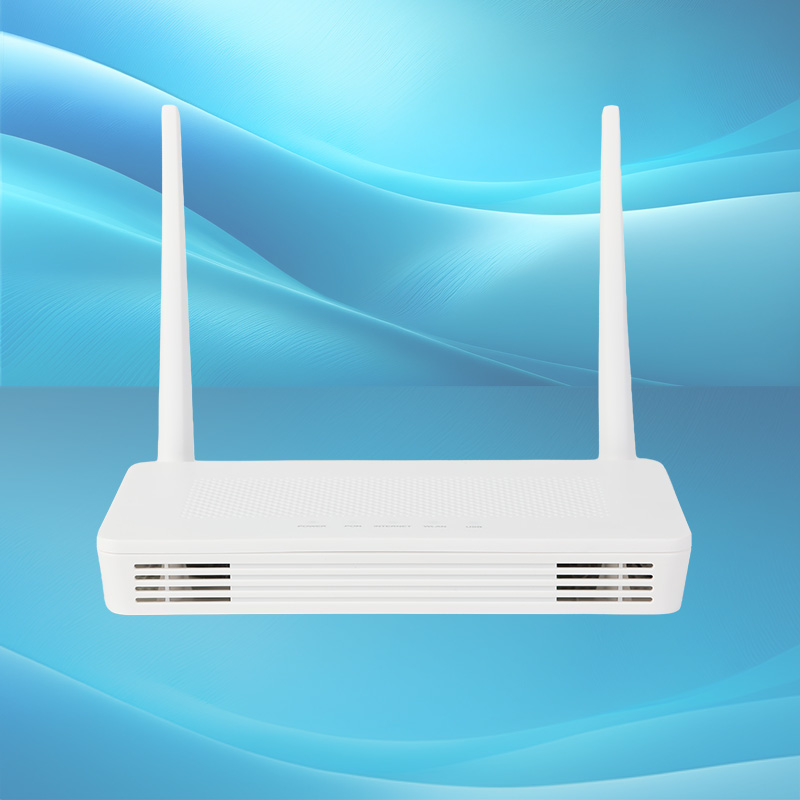
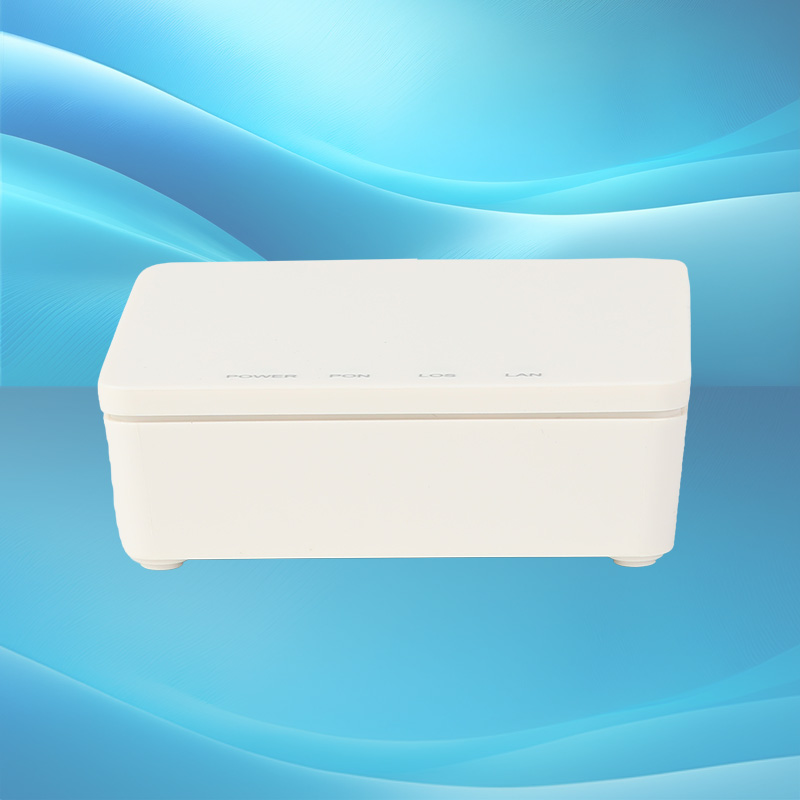
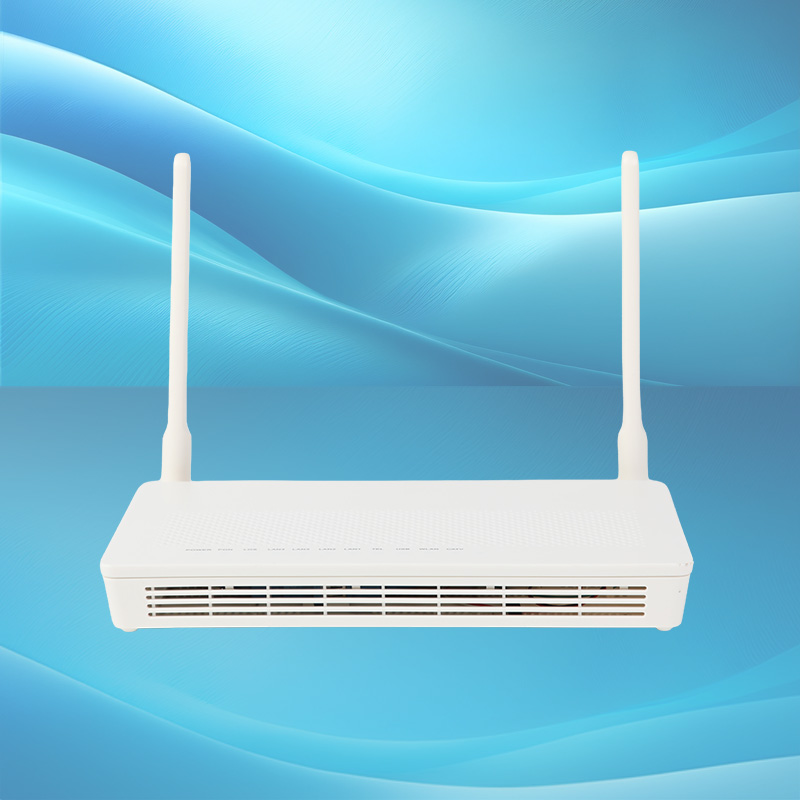
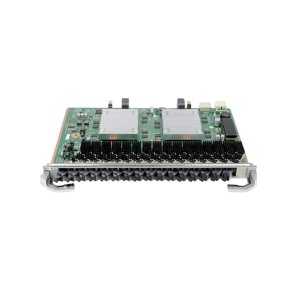
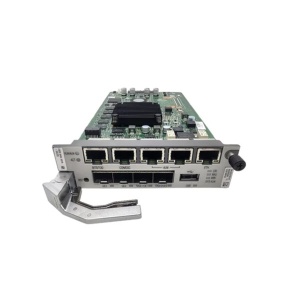
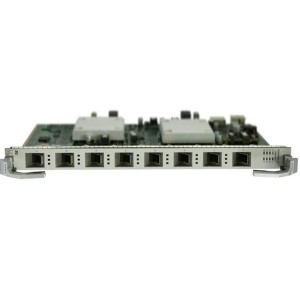
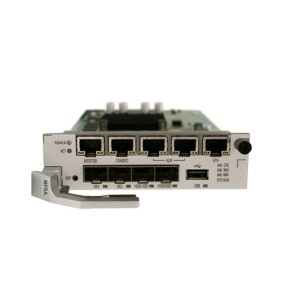
Under the BEAD program, local governments and cooperative ISPs are deploying fiber-to-the-home (FTTH) networks across rural America. OLT systems (such as the 10G GPON/XG-PON boards shown below) require reliable uplink modules. The OEM SFP 10G LR serves as the primary uplink connection from the regional OLT cabinet back to the central office or point of presence (PoP).
From New York to Los Angeles, municipal traffic management systems and public safety surveillance networks rely on outdoor-rated, industrial-temperature (-40°C to 85°C) 10G LR transceivers. These modules connect roadside cabinets and smart sensors over miles of single-mode fiber back to centralized municipal monitoring facilities.

Streamlined manufacturing lines ensure rapid lead times and prompt shipping to meet tight project schedules across the US.

Our dedicated engineers continually innovate, refining optical designs to optimize power efficiency and transmission distance.

We provide custom EEPROM coding, labeling, and packaging, ensuring 100% compatibility with all major network hardware vendors.

Rigorous testing on actual host systems (Cisco, Juniper, Arista, etc.) guarantees seamless integration without software lockouts.

We offer technical support and long-term warranties to keep your network running smoothly and protect your investment.

Robust component sourcing partnerships protect our supply chain from disruptions, ensuring consistent product availability.
SFP+ 10G LR modules are critical for the fronthaul and backhaul links connecting remote radio units (RRUs) to baseband units (BBUs), delivering the low latency and high bandwidth required for 5G mobile networks.
Within modern server architectures, 10G optical links provide reliable, low-power interconnects between top-of-rack (ToR) switches and core distribution layers, ensuring rapid data movement for cloud applications.
High-speed fiber networks support municipal infrastructure, including traffic control systems, public Wi-Fi networks, and real-time surveillance, ensuring robust data transmission over long distances.