




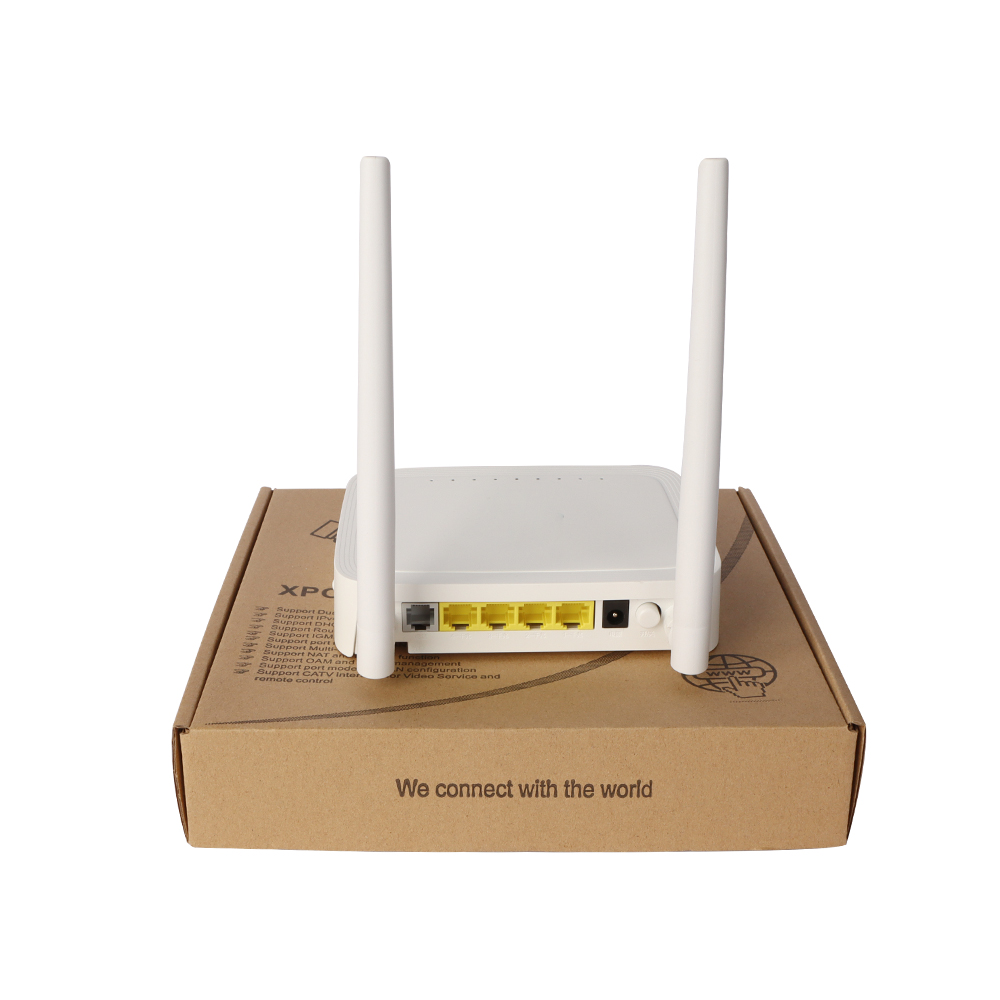
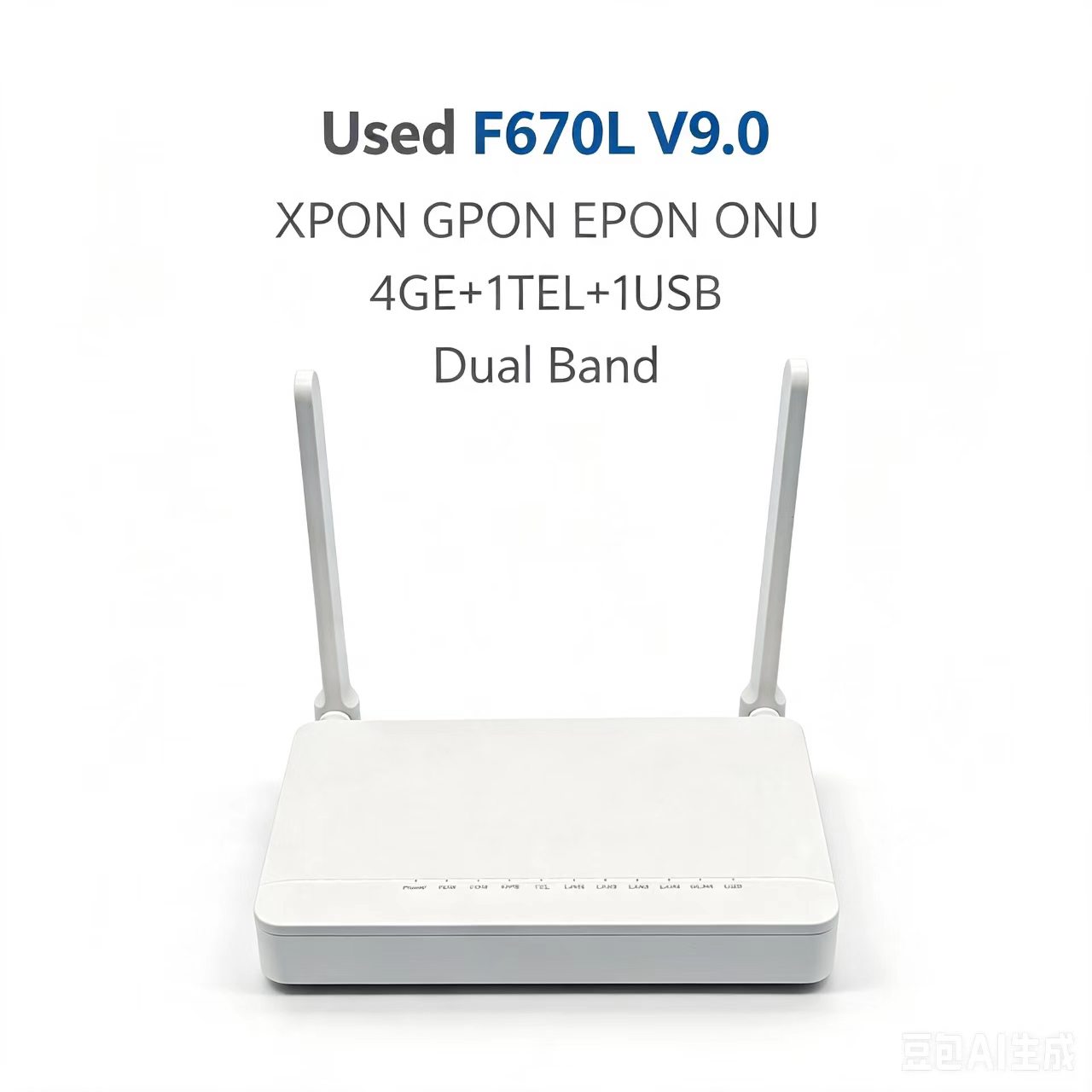
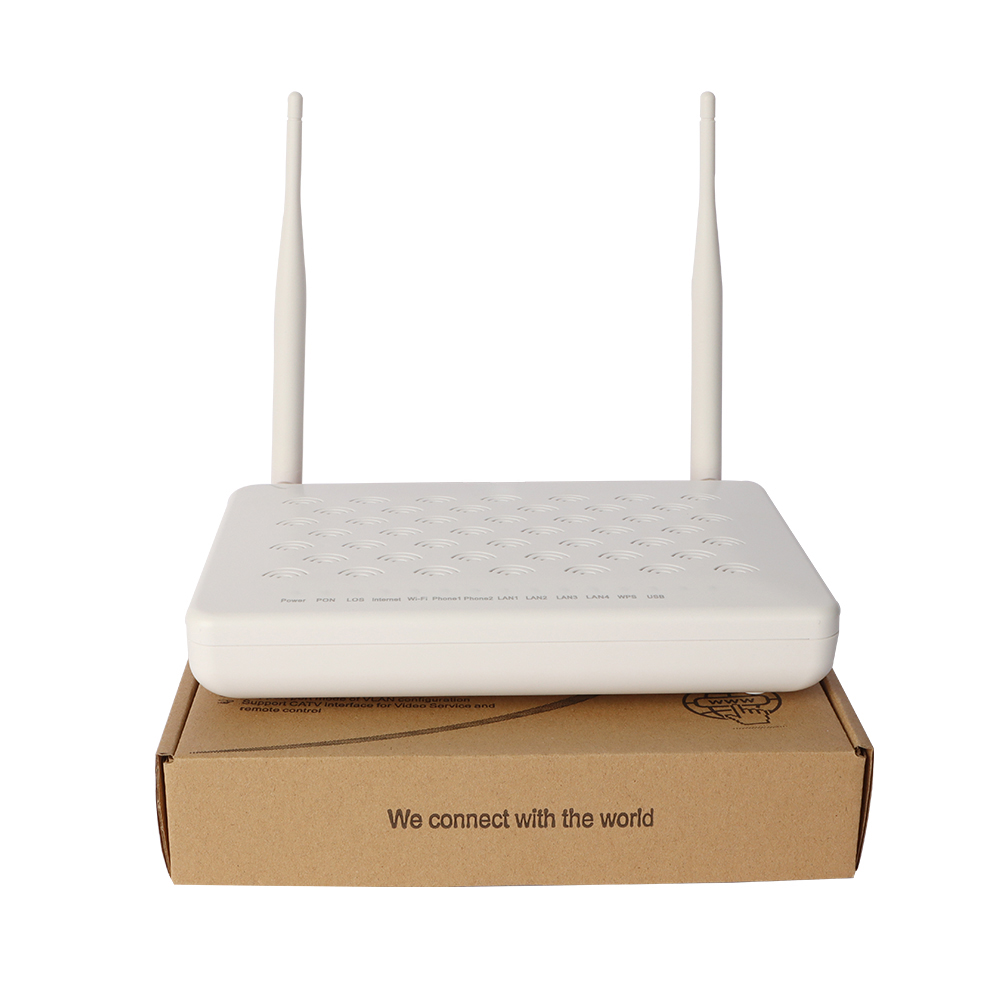
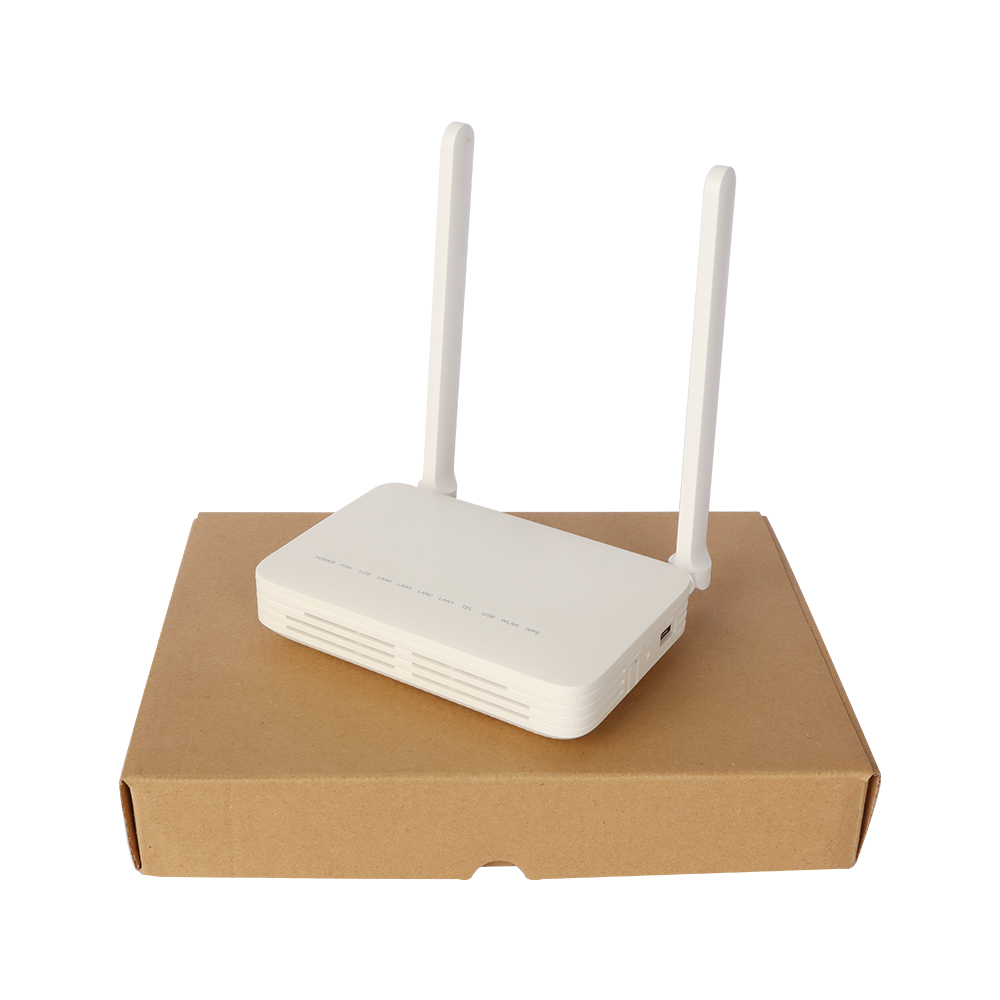
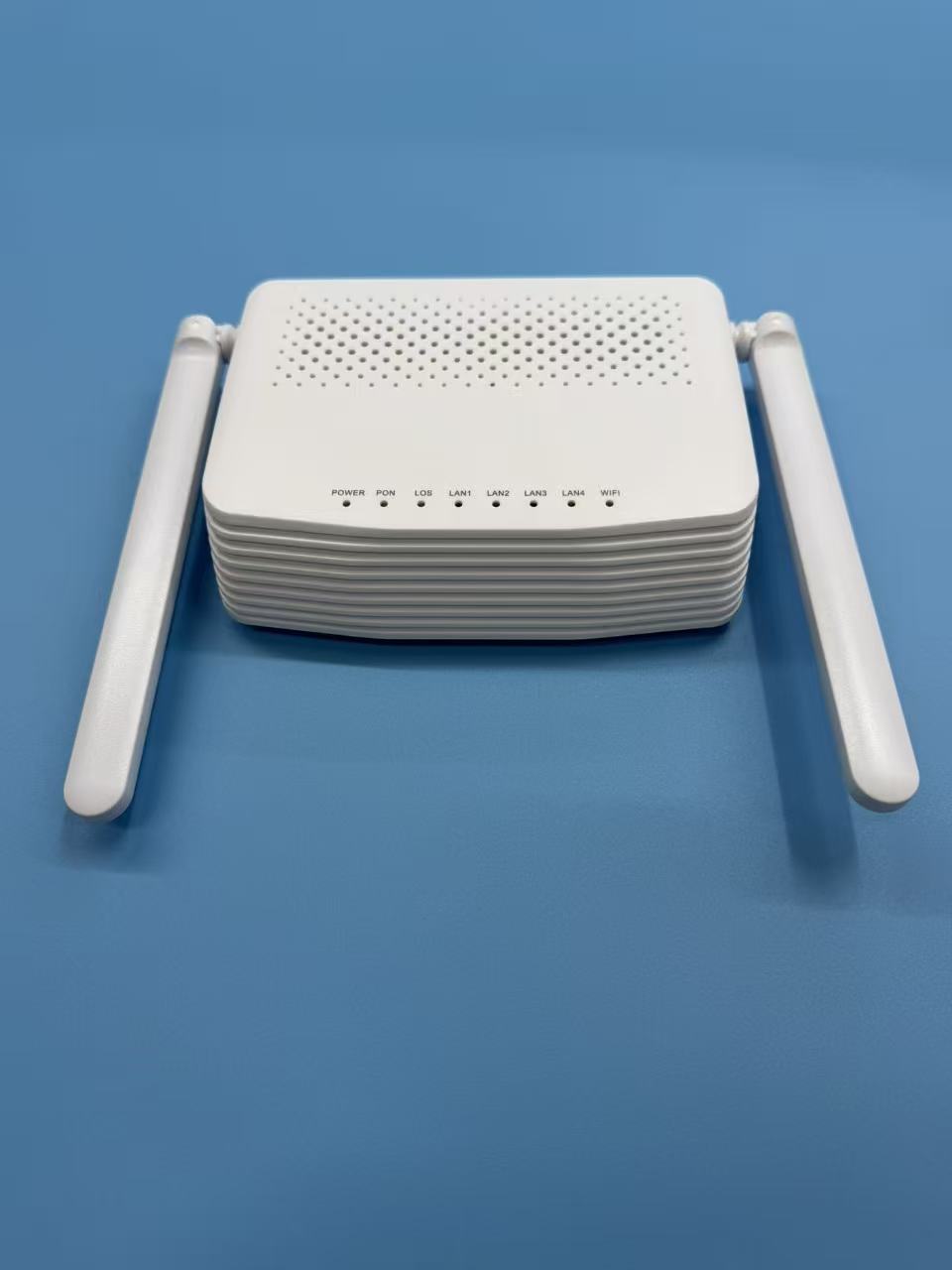

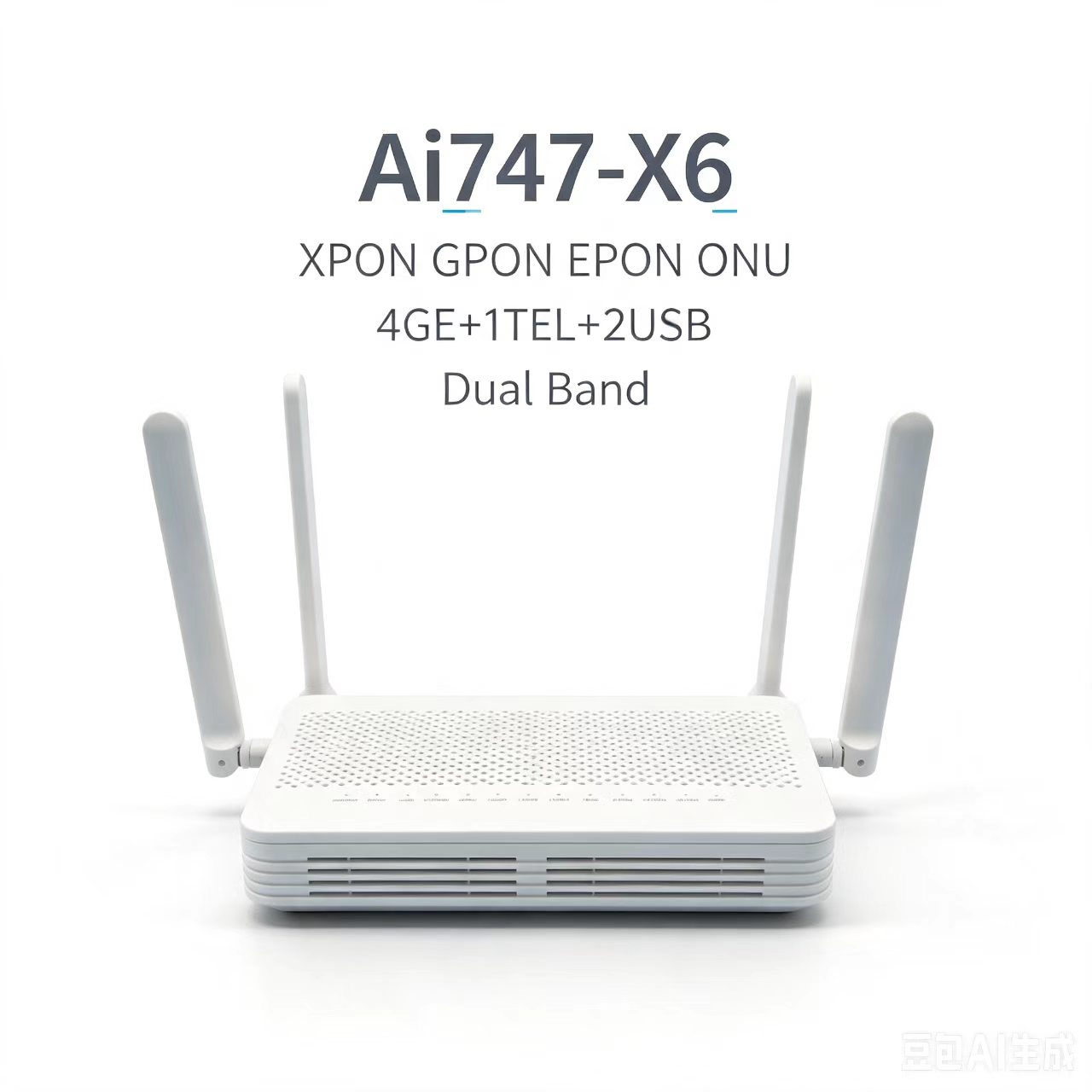
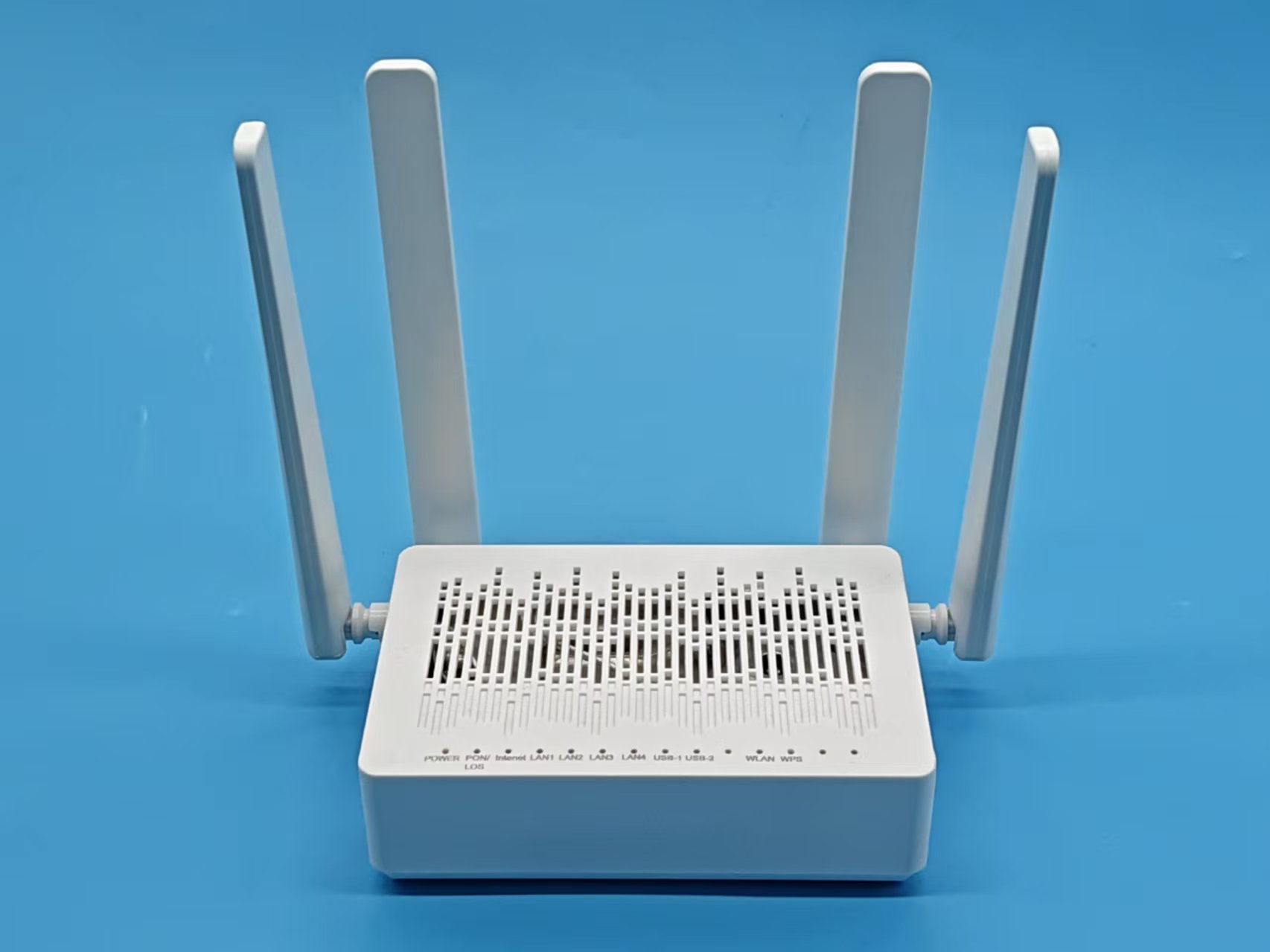
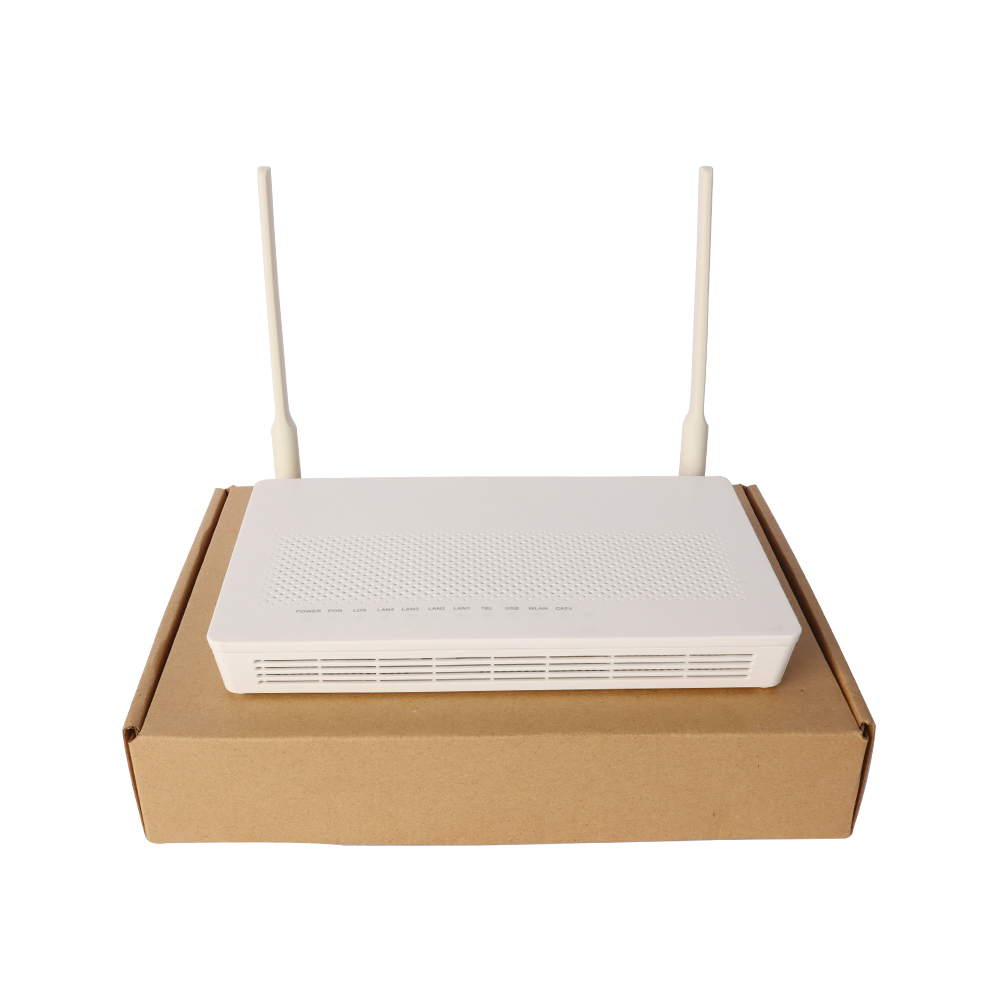
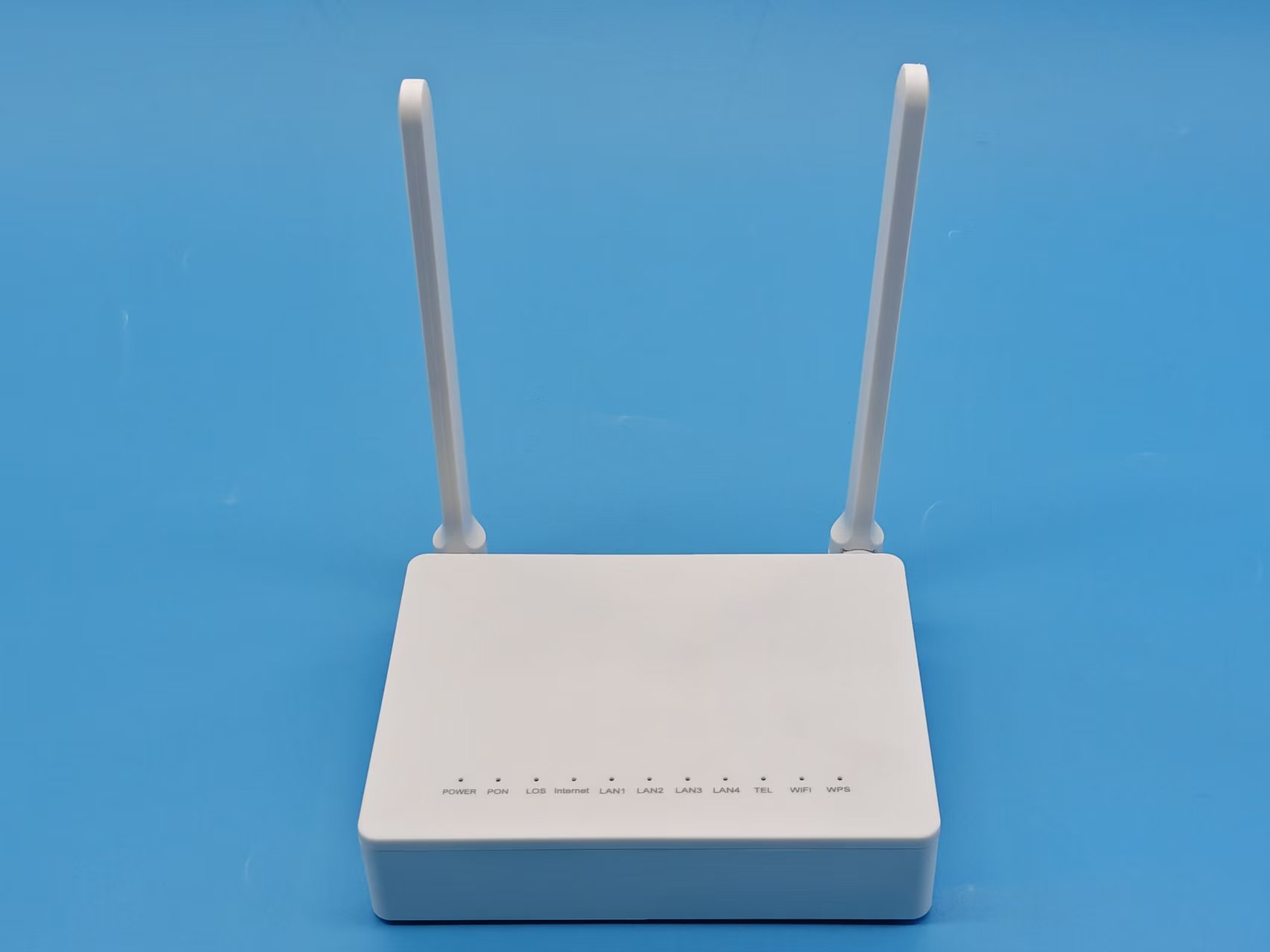
Why ONU Compatibility Matters in GPON FTTH Network Deployments
Understanding ONU Compatibility in GPON FTTH Networks
Have you ever thought about why some fiber-to-the-home (FTTH) deployments seem to be so successful while others face the lots of impediments? The answer may lie in ONU compatibility. Optical Network Units are the devices that connect your home or your business to the fiber network and are not just a device that you plug in: they play a key role in ensuring high-speed and reliable internet connection for you. Internet Service Providers and network engineers’ main concern is whether the ONUs will work correctly with the Optical Line Terminals on the other end of the wire.
GPON ONU compatibility The main factor that needs to be considered is how compatible ONUs produced by the selected brand is. Due to many variations of equipment available in the market, operators are keen to purchase flexible, affordable, and easy-to-manage solutions. Nevertheless, it doesn’t mean that any ONU will serve its purpose. In reality, decisions taken hastily may result in such problems as service interruptions, dissatisfaction of clients, and unnecessary expenditure. Let’s analyze the issue more thoroughly to understand how to avoid these situations.
What Is ONU Compatibility?
ONU compatibility In essence, this indicates that the ONU made by any manufacturer will connect, work in conjunction, exchange information, and function effectively with OLT equipment. This involves not just established physical connections but also the protocols and systems that the devices utilize to communicate with one another, such as ITU-T G.984 and OMCI.
The OLT is some sort of the "brain" of the network whereas the ONU is similar to the "hands". If the two don't communicate well with each other, the data will be stuck, and the services will fail. You may even come across ONUs claiming to be "GPON-compatible" that fail to register, lose connection, and are not capable of advanced features such as VLAN tagging or QoS.
Why Is ONU Compatibility Important in FTTH Networks?
Compatibility of ONUs should not merely be seen as a technical requirement; rather, it is a necessity for the satisfaction of customers and for the smooth functioning of business. The subject can further be illustrated:
1. Faster Commissioning: Compatible ONUs and OLTs lead to faster installations and quicker access for customers. This translates into a happier user base and less work for technicians.
2. Choice of Hardware: Providers do not want to be limited to one brand for all the necessary products. Compatibility allows them to have multiple options at lower costs.
3. Simple Upgrades and Expansion: The addition of neighborhoods, buildings, and technology becomes easier with compatible ONUs.
4. Less Troubleshooting: Fewer surprises imply a decreased need for support and more opportunities for growing the business.
5. Enhanced Customer Experience: Customers want reliable fiber optics service and smooth transition with network components.
Can Any ONU Work With Any GPON OLT?
This is where it can get complicated. Despite the GPON standard's objectives of ensuring that ONUs are interchangeable, the devices do not quite have the same compatibility. In principle, an ONU that meets the standard should be able to work with any GPON OLT. However, the actuality shows that firmware differences, certain proprietary features and specific nuances related to OMCI implementation mean that some ONUs cannot operate seamlessly.
For example, let’s assume that you are an ISP purchasing an ONUs from a new vendor. The ONUs seem to be GPON compliant, but when you connect the ONUs in a field, the ONUs do not register or do not work with the necessary services. This situation is relatively common because often, manufacturers modify the equipment slightly or interpret the standards in their own way. It is crucial to check for vendor compatibility lists, perform lab tests and test in a pilot before deploying the ONUs on a large scale in the field.
The Role of OMCI in ONU Compatibility
OMCI is the "language" used by ONUs and OLTs to perform remote configuration, administration, and support of the connection. It includes items such as service profiles and VLANs, performance measurement, and security configurations. In case your ONU cannot communicate in OMCI, you may find yourself either partially connected or completely disconnected.
To ensure smooth functioning of devices, it is crucial that manufacturers keep OMCI updated regularly to ensure that the devices work properly. In this regard, both OLTs and ONUs must be OMCI-compliant so that devices can perform optimally. Various industry certifications such as the Broadband Forum plugtests help the ISPs ensure OMCI compliance before commercial rollout.
Common Causes of ONU and OLT Compatibility Failures
There are several reasons why ONUs and OLTs might not work together:
- Differences among vendors: Different vendors do not always conform to specifications. As a result, custom changes can cause issues.
- Old Firmware: Outdated firmware does not support the latest features and functionalities of OMCI.
- Hardware Incompatibility: It may happen that an ONU’s physical connectors or memory do not meet the standards of the OLT.
- Complicated network configurations: When networks involve long distances or many splitters, compatibility may be sacrificed.
- Provisioning mistakes: Configuration templates may have small errors, preventing the ONU from being registered.
- No support for advanced functionalities: Some advanced types of service, such as multicast or complicated VLAN implementations, may not be accepted in general.
Sometimes connecting ONUs is not as simple as plugging them in; some troubleshooting along with cooperation with the respective vendor may be required to solve the issues in question.
Strategies for ISPs to Ensure ONU Compatibility
So, what can operators and ISPs do to save time, money, and headaches when deploying FTTH networks?
It is important for ISPs to first perform tests in a lab to ensure compatibility of new ONUs with OLTs. The pilot program will allow ONUs to be deployed in a limited commercial environment prior to installation in all installations. Regular updates of both OLT and ONU firmware will enable ISPs to ensure proper compatibility and eliminate bugs. The use of standardized configuration templates will minimize errors and simplify provisioning. Staying connected with vendors will help sort compatibility issues more easily. Joining certification programs will provide evidence that ONUs meet the necessary interoperability standards.
The implementation of these measures results in a network that can be upgraded, maintained and expanded seamlessly in the future.
FAQ: Addressing Common Questions About ONU Compatibility
Why is ONU compatibility important in FTTH networks?
Incompatibility causes extended installations, complicated troubleshooting and lower customer satisfaction. Making sure that ONUs function well with OLTs keeps the fibre network operating efficiently and clients satisfied with the service.
Can any ONU work with any GPON OLT?
It is imperative to check for compliance with standards, firmware, and test the interoperability of ONUs before deployment. If ONUs are not validated beforehand, they will not function properly.
How do ISPs check ONU and OLT compatibility?
Common practices for ISPs to ensure proof of compatibility include laboratory tests, pilot tests, certifications, and lists of certified suppliers. It is wise to remain connected with vendors for providing assistance and troubleshooting.
What role does OMCI play in ONU compatibility?
OMCI is a type of protocol that allows the OLT to control the ONU. If the ONU does not comply with OMCI thoroughly, you may have issues regarding the service launching or administration.
Why do some ONUs fail to connect with OLTs?
Typically, the cause can be attributed to parts errors, implementation failure, or configuration issues. Occasionally, there are problems with the hardware, or inconsistencies arise from proprietary functions.
How can operators avoid compatibility issues during FTTH deployment?
Before deploying anything test out everything, keep firmware up to date, utilize standard templates, seek advice from vendors, and participate in industry certification programs.
If an ONU seems incompatible, what should I do first?
The first thing to do is to check the firmware version of both the ONU and the OLT. Typically, software updates can address incompatibility problems. If this doesn’t work, it may be necessary to review the configuration templates and contact technical support.
Future Trends in GPON ONU Compatibility
In the future, there will be even greater significance for GPON network compatibility as Internet Service Providers (ISPs) continue to improve and broaden their networks. It is expected that:
The inception of Multi-Vendor Networks: Internet service providers are opting for more combinations of brands than ever to secure better offerings and avoid problems in the distribution network. This is why compatibility is crucial.
Improved OMCI Features: OMCI is improving, which makes regular updates and compatibility checks very important.
Rising Speeds: Transition of networks to XG-PON or NG-PON2 involves a lot of compatibility checks.
Cloud-Based Services: The rise of remote service management implies the necessity to use standard protocols.
Open Standards: Industry associations are trying to inch open certificates closer to widely-used technology formations.
By keeping up with the trends ISPs can secure their future investments and deliver a great service.
Operator Case Studies: Lessons Learned in ONU Compatibility
To illustrate, consider an ISP that is working on the expansion of its FTTH network in both urban and rural areas. Their desire for flexibility led them to source ONUs from various vendors. However, after deploying more than one hundred devices they suffered major outages lasting for weeks due to some ONUs not being able to connect to their OLTs. Following the creation of a lab for rapid compatibility testing and coordinating with vendors to synchronize firmware versions, the ISP managed to deploy the certified ONU devices and achieved remarkable improvements in activation rates and user satisfaction.
One more ISP dealt with difficulties changing from GPON to XG-PON technology. They figured out that some ONUs were not suitable for their new OLT. This motivated them to carry out compatibility tests and update devices’ software. After revising their list of vendors and improving provisioning templates, they successfully carried on the transition without affecting customers.
ONU Compatibility and Customer Satisfaction
The most important point here is that the compatibility of an ONU determines how satisfied your customers are with your service. When things function correctly, the customers receive stable high-speed connection and continue visiting your company. The technicians need to troubleshoot less, you pay less, and you earn more.
Compatibility doesn’t refer solely to devices, but it is about fulfilling the expectations of clients, ensuring continuity and trustworthiness of services, and being ahead of competitors. Better understanding of compatibility brings better financial results.
Summary
The compatibility of the Optical Network Unit (ONU) is a crucial aspect that plays a significant role in every successful GPON FTTH implementation. It allows Internet service providers (ISPs) to provide their clients with fast and reliable services, scale networks efficiently, optimize maintenance costs, and increase customer satisfaction. There may be a lot of compatibility problems, yet they can be avoided by conducting comprehensive tests, performing regular updates of firmware, using standard templates, and establishing close cooperation with suppliers. With the development of the fiber market, the prioritization of compatibility will differentiate the best companies in this field. Therefore, the seamless operation of ONUs with the optical line terminals (OLTs) must be guaranteed to meet the requirements of the world's high-speed networks of the future.