








Why eat mooncakes on Mid-Autumn Festival?
Understanding the Mid-Autumn Festival: Origins and Significance
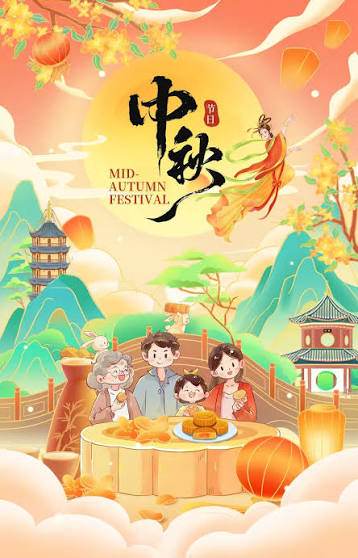
The Mid-Autumn Festival, also known as the Moon Festival or Mooncake Festival, is one of the most celebrated traditional holidays in East Asia. Rooted in Chinese history, its origins date back over 3,000 years to ancient rituals that honored the moon for its central role in agriculture and harmony. Traditionally falling on the 15th day of the eighth lunar month, the festival coincides with the brightest and fullest moon, symbolizing unity, abundance, and reunion. Today, the Mid-Autumn Festival is observed not only in China, but also in Vietnam, Korea, Taiwan, Singapore, Malaysia, and other Asian communities around the globe—each adding regional variations and customs.
The spiritual meaning behind the festival revolves around familial gathering, expressing gratitude for harvest, and longing for distant relatives. Legend has it that Chang’e, the Moon Goddess, ascended to the moon after consuming an elixir of immortality, prompting folklore and festivities centered around moon worship. The shared experience of gazing at the moon together fosters a sense of closeness and reflection, making the Mid-Autumn Festival a unique blend of celebration, remembrance, and hope.
The Mooncake Tradition: Why Are Mooncakes Eaten?
One of the most iconic aspects of the Mid-Autumn Festival is the tradition of eating mooncakes. Mooncakes are round or square pastries filled with rich, sweet or savory fillings such as lotus seed paste, red bean, mixed nuts, or salted egg yolks. But why are mooncakes central to the festivities? The answer lies in their symbolism: mooncakes represent completeness, unity, and the cycle of the moon.
The shape and appearance of mooncakes mirror the full moon itself, reinforcing the theme of reunion and harmony. Families cut mooncakes into pieces and share them, embodying the hope for family togetherness, prosperity, and luck. Beyond family symbolism, mooncakes also hold historical significance. During the Yuan Dynasty (1271–1368), mooncakes played a secretive role in the overthrow of the Mongol rulers; they were used as vessels to pass coded messages among rebels, leading to the successful Han uprising. Thus, mooncakes not only represent culinary delight but also a symbol of resistance, unity, and cultural legacy.
For many, mooncakes serve as thoughtful gifts exchanged among friends, relatives, and business associates, with elaborate packaging and designs enhancing their festive appeal. Eating mooncakes has become a ritual that encapsulates the festival’s spirit, connecting generations and communities through shared cultural heritage.
Mooncakes: Ingredients, Types, and Regional Variations
Mooncakes are diverse in both flavor and appearance, reflecting the vast geography and culinary traditions across Asia. There are several main types of mooncakes, each with regional specialties and unique ingredients.
The classic Cantonese-style mooncake features a thin, tender pastry crust wrapped around a filling of sweet lotus seed paste and salted egg yolks, symbolizing the full moon. In Suzhou, mooncakes are more savory, commonly filled with pork and featuring a flaky crust. Beijing-style mooncakes focus on wheat flour crusts and rich fillings of nuts and seeds.
Elsewhere, mooncakes in Vietnam, known as “Banh Trung Thu,” come in square shapes and may include durian or mung bean paste, while Taiwanese mooncakes showcase taro, mochi, and pineapple flavors. Innovation in modern mooncakes has led to snow skin mooncakes, made with glutinous rice and often containing fresh fruit or ice cream. Health-conscious consumers now seek low sugar options or even vegan mooncakes, driving creative development in the industry.
The ingredients and presentation of mooncakes also reflect the skill of the baker; premium mooncakes boast intricate patterns, auspicious symbols, or artistic “moonscapes” carved into the crust, making them both a treat and a centerpiece for the festival table. Whether traditional or contemporary, mooncakes remain an essential culinary emblem of the Mid-Autumn Festival.
Mooncake Shopping: Gifting, Choosing, and Trends
In the weeks leading up to the Mid-Autumn Festival, mooncake shops, bakeries, and supermarkets prepare for a surge in demand. Mooncake gifting is a major social tradition, seen as a gesture of respect and appreciation between families, friends, colleagues, and business partners.
Choosing the right mooncake depends on personal taste, dietary preferences, and the relationship to the recipient. Popular mooncake gift boxes feature assorted flavors, premium ingredients, and luxurious packaging, often embellished with gold foil, silk, or elegant designs. Leading brands such as Maxim’s, Wing Wah, or Kee Wah in Hong Kong, and Daoxiangcun in Beijing, command long lines and high anticipation.
Mooncake shopping has also evolved with online retail, specialty tea pairings, customized messages, and even limited edition collaborations with celebrities and luxury brands. Health and sustainability are growing concerns; eco-friendly packaging and lower sugar content attract younger, more conscious buyers.
For prospective buyers, understanding mooncake labeling, freshness indicators, and storage recommendations are crucial. Many mooncakes are best enjoyed within a month, but snow skin and contemporary varieties require refrigeration. This dynamic marketplace allows the tradition of mooncake gifting to grow, catering to changing tastes while preserving the festival’s warmth and meaning.
Cultural Rituals and Family Gatherings
While mooncakes are at the heart of the Mid-Autumn Festival, the celebration itself is much broader, encompassing various customs and activities that bring families together. It is customary for relatives to unite for a festive dinner, share mooncakes, and appreciate the beauty of the full moon. Lantern displays illuminate public parks and city streets—children carry lanterns of various shapes, from rabbits and fish to lotus flowers, some crafted with modern LED lights.
In some regions, dragon and lion dances, moon worship, and poetry recitals amplify the festivities. Children recite moon-themed tales, play folk games, or participate in community events. In Vietnam, the festival is also known as Children’s Festival, highlighting kids’ performances and gifts.
Tea drinking forms an important companion tradition; pairing mooncakes with fine teas like oolong, jasmine, or pu’er balances their richness and enhances the tasting experience. Star gazing and writing wishes to the moon remain popular, reinforcing connections between generations and cultures.
Through these cultural rituals, the Mid-Autumn Festival becomes a holistic celebration of hope, gratitude, and unity, with mooncakes marking the central culinary and symbolic gesture.
Modern Interpretations: Globalization and the Mooncake Market
With globalization, the Mid-Autumn Festival and mooncakes have extended their reach far beyond traditional Asian communities. International bakeries and supermarkets, especially in cities like New York, London, Sydney, and Toronto, sell mooncakes to eager customers; social media and food blogs introduce creative recipes and hosting ideas, making the festival accessible to a wider audience.
Contemporary mooncakes now feature fusion flavors such as chocolate, coffee, matcha, cheese, and tropical fruits. Vegan options and gluten-free mooncakes respond to modern dietary requirements, appealing to health-conscious buyers and those with allergies. Mooncake-inspired desserts such as mooncake ice cream, mooncake truffles, or deconstructed mooncake parfaits further showcase culinary innovation.
Mooncake festivals and workshops invite non-Asian participants to explore this cultural tradition through hands-on baking, lantern making, storytelling, and tasting events. These activities foster intercultural understanding and appreciation, making mooncake sharing a global expression of unity and hospitality.
For businesses, participation in the mooncake market can drive engagement and seasonal sales; restaurants and hotels create special menus and packaging, while e-commerce platforms cater to buyers seeking authentic or creative mooncake experiences. In this way, the Mid-Autumn Festival evolves without losing its roots, proving that ancient traditions can inspire modern joy.
Health, Nutrition, and Sustainability in Mooncake Consumption
Traditional mooncakes are rich and dense, often made with sugar, oil, and hearty fillings. While delicious, they can pack a caloric punch, prompting many consumers to reconsider their portions or seek healthier alternatives. Modern mooncake producers have responded by creating low-sugar, reduced-fat, vegan, and gluten-free varieties.
The emphasis on nutritious fillings—such as nuts, seeds, whole grains, and dried fruits—adds crunch and flavor while supporting wellness. Some brands have added fiber, protein, or superfoods, while others reduce preservatives and artificial coloring. These trends help mooncakes fit into a modern, health-focused lifestyle without sacrificing flavor or aesthetics.
Sustainability has also become a concern in mooncake manufacturing. Packaging waste—a by-product of elaborate mooncake boxes—has prompted companies to adopt recyclable materials, minimal designs, or reusable containers. Farmers and artisan bakers highlight local sourcing and organic ingredients, further aligning mooncake production with environmental goals.
This health and sustainability movement ensures that mooncakes adapt to contemporary concerns, allowing the tradition to thrive responsibly and inclusively during the Mid-Autumn Festival.
FAQs about Mid-Autumn Festival and Mooncakes
What is the Mid-Autumn Festival celebrated for?
The Mid-Autumn Festival is celebrated to honor the full moon, express gratitude for the harvest, and promote unity and reunion among families. It marks the time when the moon is at its brightest, symbolizing completeness and hope.
Why do people eat mooncakes during the festival?
Eating mooncakes is a tradition that embodies the festival’s main themes: sharing, unity, and luck. The mooncake’s shape, flavor, and history evoke stories and symbolism tied to the harvest and moon worship.
How are mooncakes made?
Mooncakes are handmade or machine-produced, using a pastry crust and a variety of fillings including lotus seed paste, red bean, nuts, salted egg yolk, and modern ingredients like chocolate or fruit. Regional recipes influence texture, flavor, and appearance.
Are mooncakes suitable for all diets?
Today’s mooncake market offers options for vegans, gluten-free, and low-sugar diets. However, traditional mooncakes are rich and dense, so portion control is advised. Always check ingredient lists for allergens or specific dietary needs.
Can mooncakes be purchased online?
Yes, mooncakes can be ordered online from reputable bakeries and e-commerce platforms, especially during the festival season. Look for freshness indicators, trusted brands, and proper shipping options.
What are popular mooncake flavors?
Lotus seed paste, red bean, salted egg yolk, nuts, taro, and modern flavors like chocolate, matcha, durian, pineapple, and cheese are popular. Each region may have its distinctive recipe and presentation.
How to celebrate Mid-Autumn Festival besides eating mooncakes?
Family reunions, lantern displays, moon gazing, tea drinking, children’s performances, storytelling, and community events are integral. The festival is best enjoyed with loved ones, reflecting on gratitude and hope.
In essence, the Mid-Autumn Festival is more than a date on the lunar calendar—it’s a vibrant tradition that unites families, preserves cultural legacy, and inspires culinary creativity through mooncakes. Eating mooncakes during this festival is a cherished ritual symbolizing togetherness, warmth, and prosperity. Whether shared as gifts, savored at family tables, or enjoyed in global communities, mooncakes are both a treat and a reflection of festival values. As the Mid-Autumn Festival continues to evolve with modern tastes, health awareness, and global influence, its key message remains timeless: celebrate unity, express gratitude, and savor the sweetness of connection under the luminous moon.