





Why Choose Chinese ONU/ONT for Telecom Project?
What Is an ONU/ONT and Why Does It Matter?
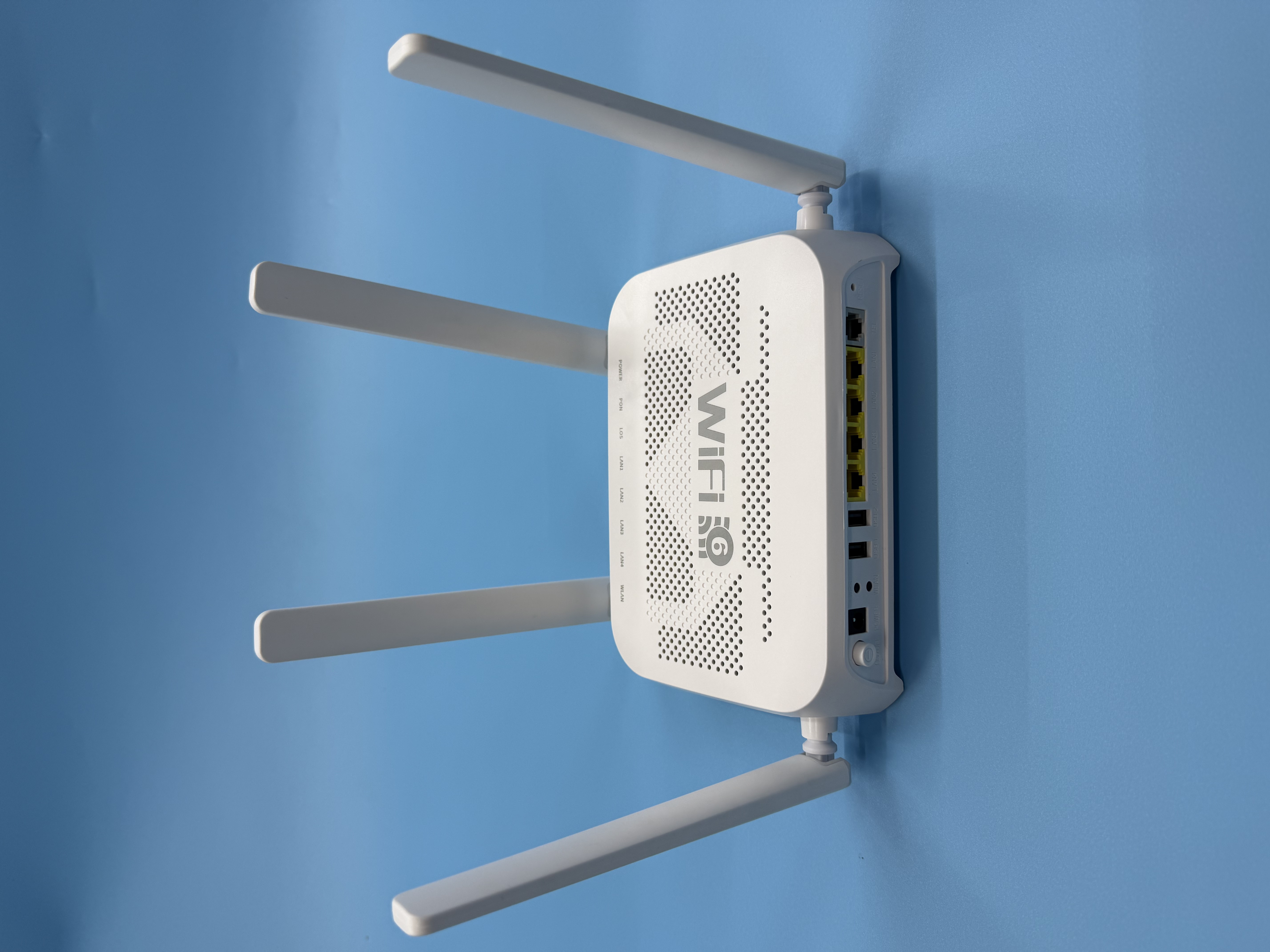
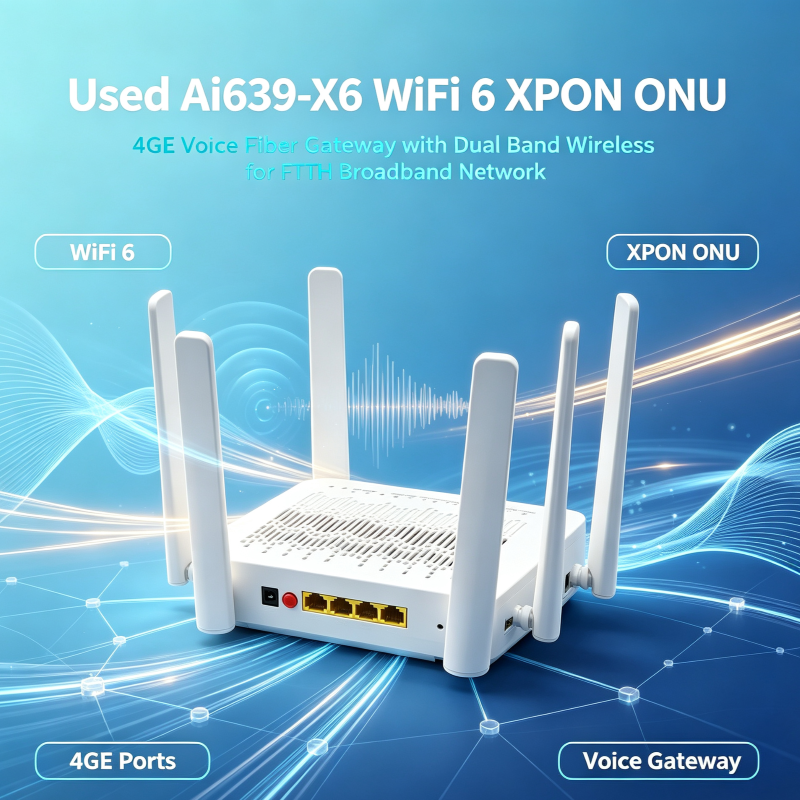
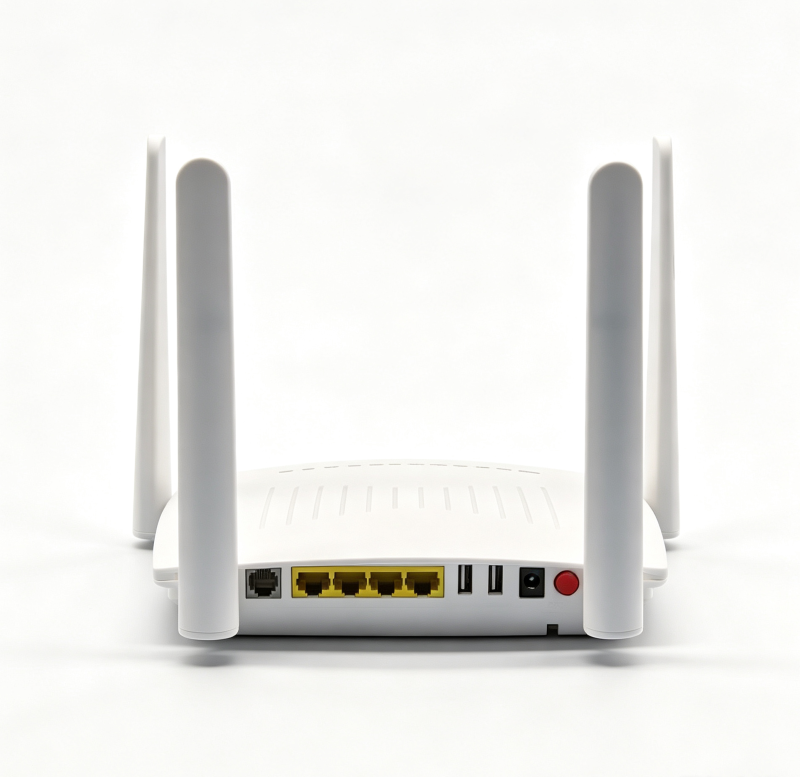
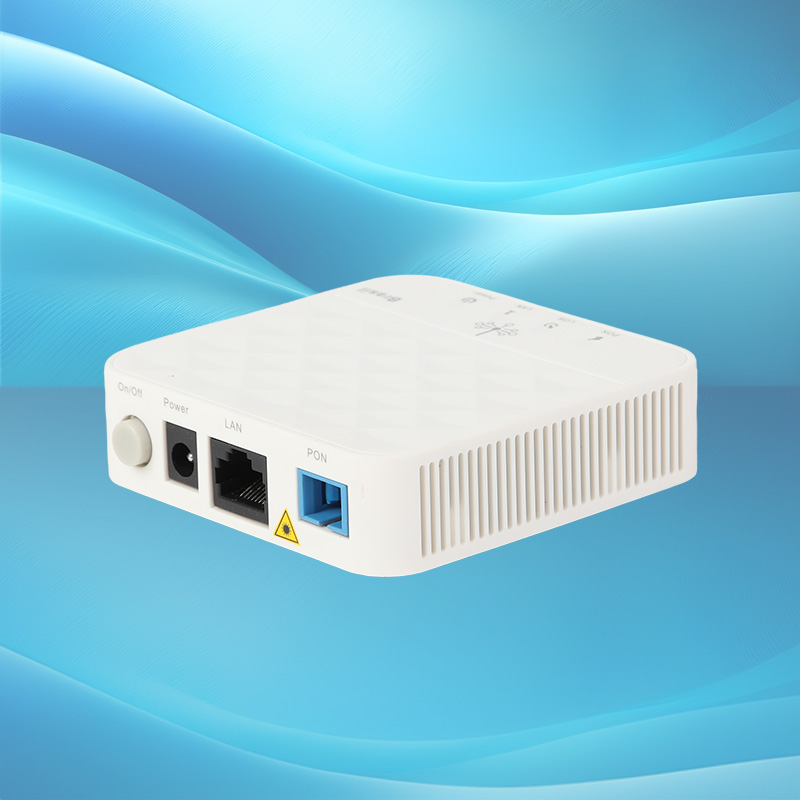
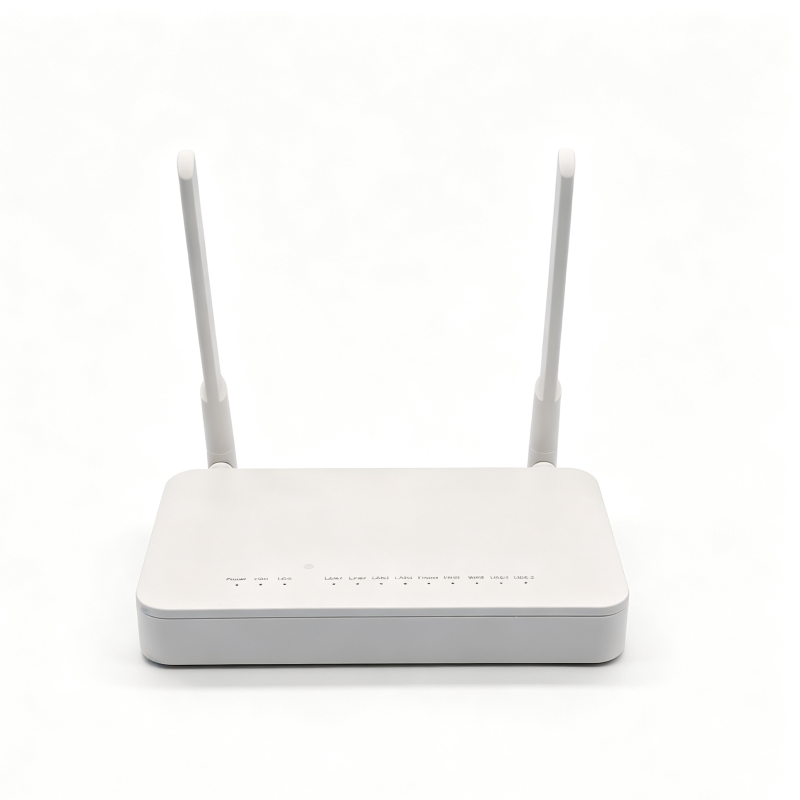
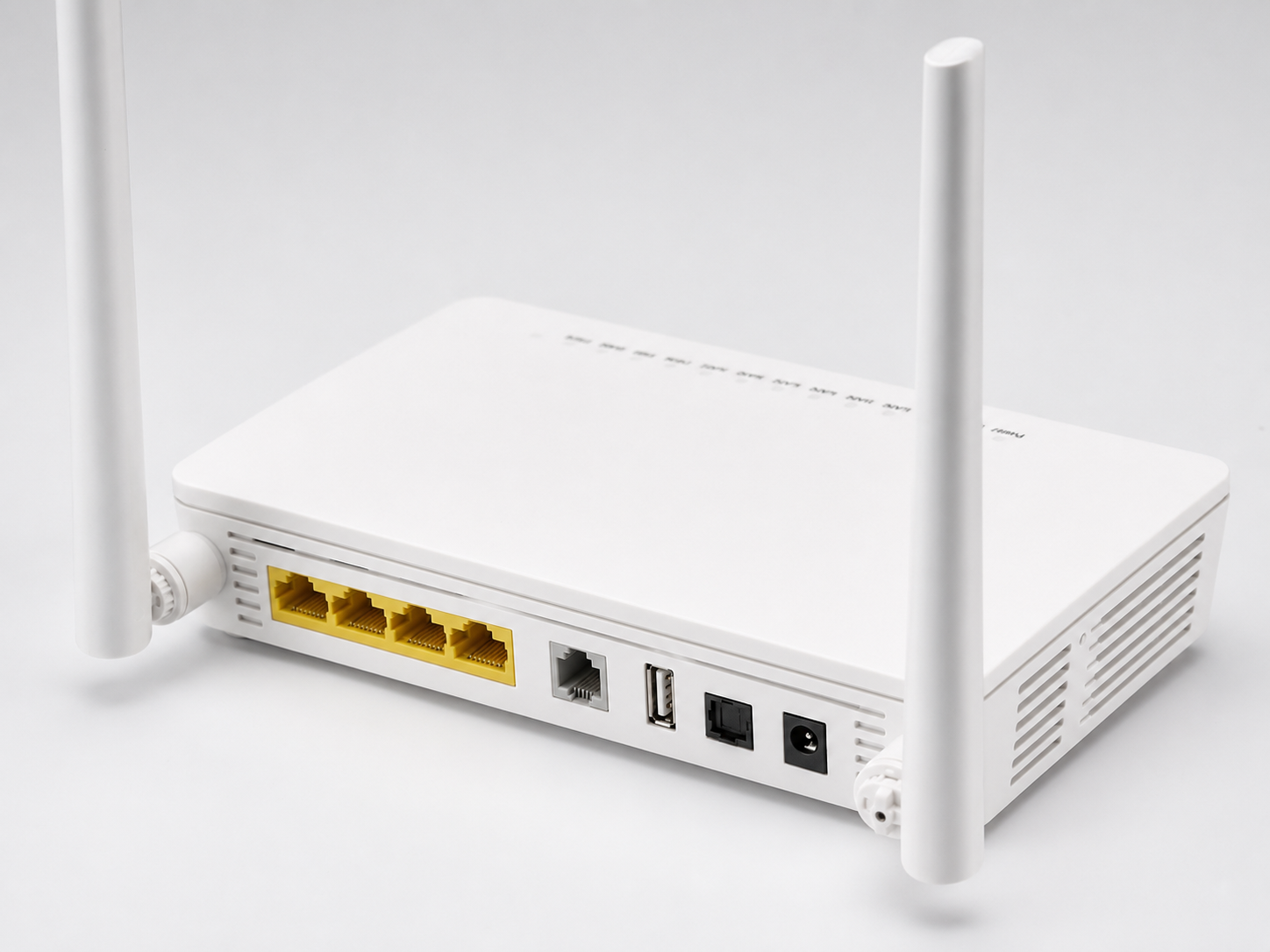
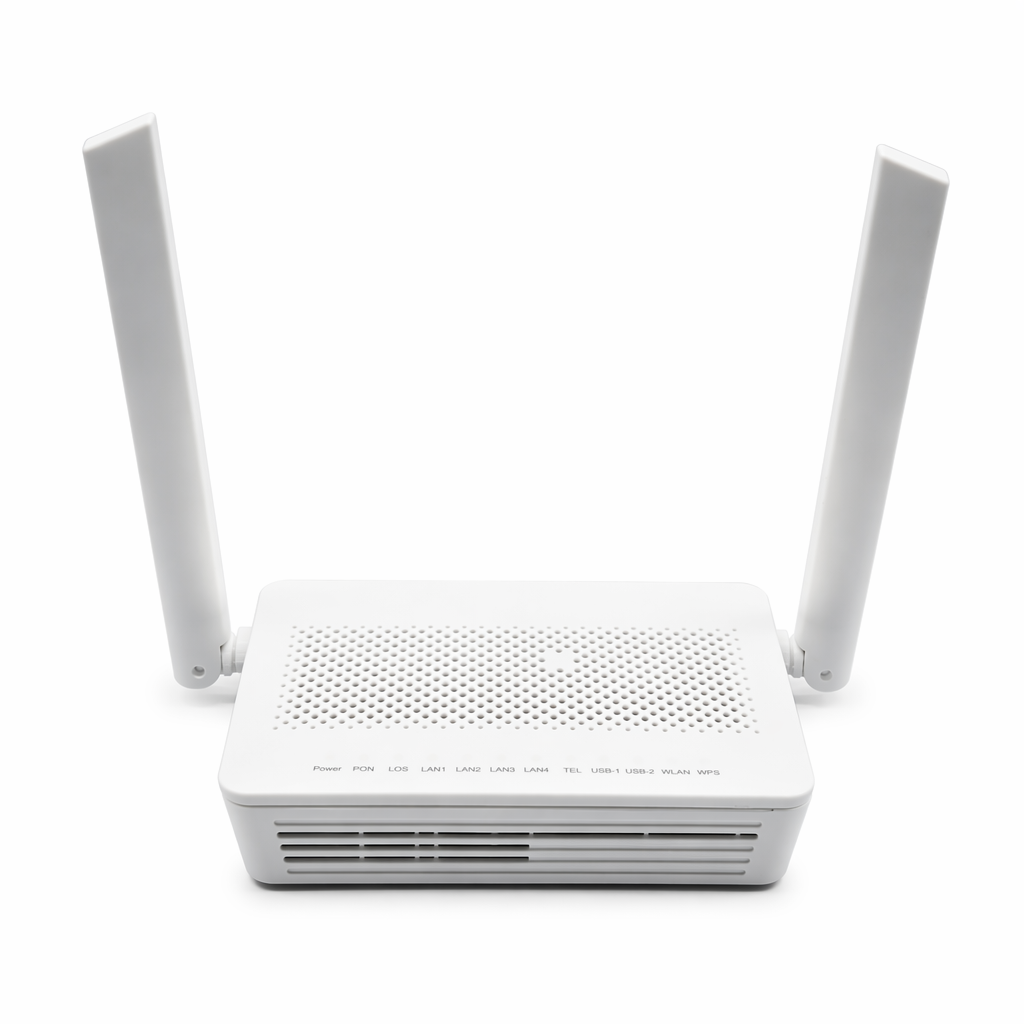
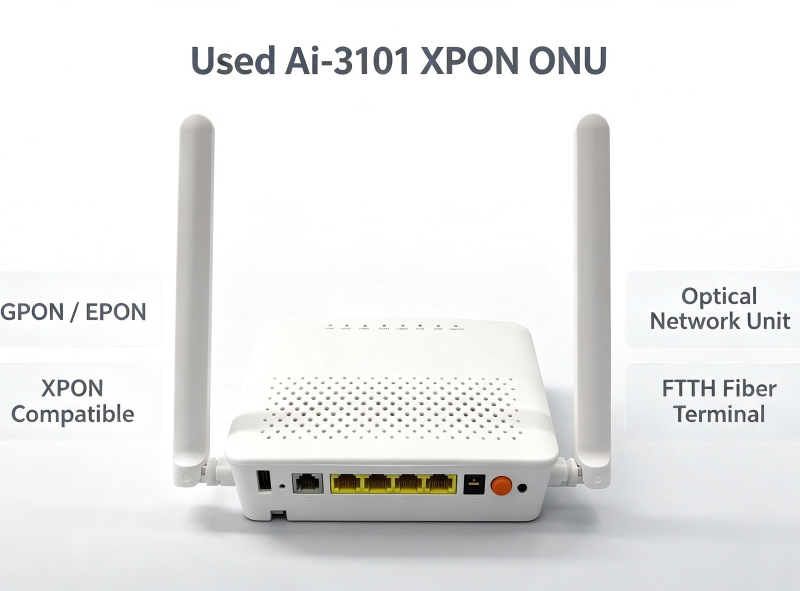
Optical Network Unit (ONU) and Optical Network Terminal (ONT) both relate to the apparatus which connects end users with passive optical networks (PON). Even though in many situations the two terms are used synonymously, it is essential to remember that ONT usually means the device that is placed on the consumer premises whereas ONU stands for a range of devices used in multiuser environments such as offices and buildings.
Devices called Optical Network Termination (ONT) serve as devices to receive the light signals given out by the Optical Line Terminal (OLT) and convert them into services such as Ethernet, Wi-Fi, and voice among other services provided to the consumer. Proper working of the ONT is important since it is the basis of every customer's connection.
A suitable ONU helps users decrease the incidence of service issues while making the provision easy and improving the quality of broadband services for both home users and enterprises.
Why Chinese ONU/ONT Products Are Popular for Telecom Projects
One of the biggest ecosystems in fiber access equipment exists in China. Thanks to the immense number of FTTH installations, it has managed to build a complete supply chain ecosystem that includes devices being manufactured, optical components, chips, Wi-Fi modules, casings, power adapters, software products, and so forth. Due to this supply chain ecosystem the Chinese manufacturers can offer an incredible range of products at a very low price.
The biggest benefit of buying from foreign countries for clients isn't just the price advantage. Professional foreign companies always guarantee quick delivery, great flexibility concerning the offered product range, high ability in implementation of various types of compliance, and great speed of execution. This gives a lot of advantages to customers who are looking to obtain all kinds of optical network terminals for their homes, apartments, small businesses, hotels, factories, or broadband internet distribution business.
Key Advantages of Choosing a Chinese ONU/ONT Supplier
Competitive Cost Without Sacrificing Core Features
The local sourcing of components, mass production capacity and established electronics production capabilities in China is one of the factors that allows telecom customers to buy GPON, EPON, XG-PON, XGS-PON and Wi-Fi ONT solutions at a lower price compared to other parts of the world.
Affordability is one of the key contributors to successful FTTH deployments. In these kinds of projects, the cost of terminal equipment takes a substantial part of the total expenses, and the savings achieved through improved purchasing efficiency could allow operators to extend their operations, launch new services, or invest in the building of fiber-optic networks and upgrading of OLTs.
Wide Product Selection for Different Network Scenarios
Typically, Chinese ONU or ONT manufacturers provide customized solutions for several applications. For example, the simple bridge ONT is a proper solution for a provider that already uses its router. Nevertheless, in the case of home broadband services, a dual-band wireless ONT should be chosen. Regarding business customers, they may have various requirements for ports (not limited to Gigabit Ethernet ports and phone ports) and also for USB ports as well as Wi-Fi 6 capabilities or even more complex shaping options such as VLANs.
- Single-port and multi-port GPON or EPON ONTs
- Dual-band Wi-Fi 5, Wi-Fi 6, and Wi-Fi 6 mesh-capable models
- VoIP ONTs with FXS ports for telephone services
- CATV-compatible devices for triple-play networks
- SFU and HGU ONT designs for residential deployments
- MDU and business ONU models for apartments and commercial buildings
- XG-PON and XGS-PON ONTs for multi-gigabit broadband services
This development allows you to efficiently standardize systems for different client groups and uphold strong security levels in purchasing transactions and management practices.
Strong OEM and ODM Customization Capability
There are thousands of suppliers located in China who assist with any OEM or ODM project. Such projects involve different characteristics of products, such as custom logos, packaging, color of the case, firmware version, SSID of Wi-Fi, and branding of the interface. With the help of such private labels, resellers and regional firms can promote themselves to gain the best experience from their clients.
Customizing is useful regarding some technical specifications. One example could be that OEM devices made in China may help an operator provide VoIP, CATV, and so on. Also, the finished product might need certain pre-defined VLANs, parameters for the TR-069 protocol, some specifications concerning the ACS, plugs used in a particular region.
Support for Major PON Standards
In China, dependable suppliers can supply customers with solutions that conform to universal standards such as ITU-T GPON and XG(S)-PON specifications as well as those laid down by IEEE EPON. It is reasonable to ensure that you are ordering a particular class and standard of OLT.
Traditional gigabit networks often rely on GPON technology, EPON performs well across many segments, and situations may call for unbalanced 10G communication through XG-PON. Nonetheless, it is always imperative to consider the OLT platform available, the Required subscriber speed and possible upgrade approaches.
Faster Time to Market
In the case of telecom projects subject to strict deadlines, having manufacturing agility is useful. In this regard, ONU and ONT manufacturers from China are usually known for their being able to deliver sample products very quickly, assisting in pilot runs and starting mass production swiftly once the project is approved.
To sum it up, efficiency should not be an excuse to ignore validation. Effective procurement processes should include testing of the products, making sure that they operate with other equipment, checking of firmware, and inspecting products prior to shipping.
Does China Have Fiber Optic Internet?
Yes, that statement is true. China has one of the leading positions in the world with regard to fiber optic cable installation. People from all settlements of the country accept fiber optic broadband connection. Without a doubt, this huge deployment of fiber optics gives access to the broad masses of people to broadband services while major telecom companies continue to invest in gigabit networks development.
In China, there is a huge domestic market which allows PON equipment manufacturers to acquire significant experiences. This also quickened the progress of GPON, EPON, XG-PON, XGS-PON, Wi-Fi 6, remote control, and optical access testing. This experience is precious for the foreign clients searching for reliable vendors and satisfying carrier-grade standard requirements.
How to Evaluate the Quality of a Chinese ONU/ONT
It’s fair to say that suppliers are not all created equal. While China may have many excellent suppliers, it also contains some suppliers that focus solely on cheap products. In fact, it has been shown that when evaluating suppliers, technical specifications, manufacturing controls, and ability to respond to customers are more important than price.
Check OLT Compatibility First
Interoperability is one of the most important factors when it comes to PON setups. Even if ONT follows all specifications and standards, the tests with the particular OLT device, version, and service profile still need to be passed. Do not forget to get in touch with the supplier in order to make sure that the necessary tests have been made on a certain device with your OLT equipment.
The key elements that have to be validated include the correspondence of GPON or XG(S)-PON with OMCI, the treatment of VLAN, the operation of multicast, the performance of PPPoE and DHCP, the work of bridging and routing modes, the provision of voice, the management system according to TR-069, as well as the ability to perform upgrading.
Review Hardware Specifications Carefully
Rather than being dependent purely on the marketing information, it would not hurt to find out about the kind of optical module, the receiver sensitivity, the transmitter power, the speed of the Ethernet port used, the Wi-Fi chipset used, as well as about the memory, the CPU architecture, the power consumption, and the working temperature range. All specifications greatly influence the reliability in practice and the level of satisfaction of users.
When assessing a wireless device, it is crucial to look beyond its performance. One must consider numerous factors including antenna design, chipset performance, number of clients that can connect to the Wi-Fi ONT, and features such as roaming, channel technology, and software optimization.
Ask About Quality Control and Certifications
An experienced provider will be explaining the way used for quality control and also about such aspects like the inspection of incoming parts, performance tests, optical power tests, aging tests, firmware verification, and the final inspection. Compliance documents like CE, FCC, RoHS, and UKCA may be required depending on the market.
Each country has its own specifications, both for items and certifications. Thus, it is now the duty of a buyer to ensure that the needed documentation pertains to the product he intends to buy and not to rely upon the existence of a certificate for a comparable item.
Test Remote Management Features
Remote operation of systems allows for considerable operation savings. Manual setup will not be suitable for multiple customers since the chances of failing an installation will be increased. Hardware has to be checked for compatibility with any used network systems and management options placed in the network if necessary, such as OMCI, TR069, TR369/USP, and web management.
The operators are expected to perform the tests related to the zero touch provisioning as well as diagnostics, Wi-Fi configuration, firmware upgradation, parameters backup, and fault messaging during the sampling stage.
GPON, EPON, XG-PON, or XGS-PON: Which ONU Should You Choose?
Technology choice depends on what infrastructure is present in your location as well as what use you expect to make of the service. The GPON technology appears to be an appropriate option since it has already been utilized in a variety of broadband applications. The user will be receiving an effective service offering gigabit speeds even though GPON technology is already proven. There is a difference between EPON and GPON as the former is used for some networking solutions with IEEE devices.
The operators willing to use 2.5G, 5G, 8G, or 10G facilities, who aims to transmit a large amount of data, or who plan to implement broadband services in high-end markets, can benefit from using XG-PON or XGS-PON technology. Being capable of transmitting data at a speed of up to 10 Gbps, XGS-PON is believed to satisfy the requirements of the businesses and various cloud applications as well as next-generation FTTH services.
In the process of new construction, it is very important to take into account the entire life cycle of the equipment being installed. Although an inexpensive GPON ONT may sound like a good option today, ultimately, it may be more costly to upgrade to XGS-PON technology with the demand for multi-gigabit technology.
Common Telecom Applications for Chinese ONU/ONT Equipment
Chinese ONU/ONT technology can do many things besides regular home broadband applications. Its versatility contributes to its suitability for different types of access scenarios.
- FTTH residential broadband and triple-play services
- Apartment buildings and multi-dwelling unit deployments
- Hotels, resorts, dormitories, and campus networks
- Small and medium-sized enterprise internet access
- Industrial parks and commercial buildings
- Rural broadband and government-backed connectivity programs
- ISP private-label CPE programs
- Fiber-to-the-room and managed Wi-Fi projects
The types of gadgets may differ based on the specific use of the devices. Average consumers see the problem as one concerning the quality of the Wifi signal and how easy it is to install the gadget. On the other hand, commercial entities will focus on such features of the device as the availability of various ports, the existence of VLAN-support, telephony options, the possibility of static routing, and security options provided by the gadget.
Potential Risks and How to Avoid Them
Purchasing directly from a manufacturer in China can result in many positive outcomes. However, caution must be applied. The primary risk involved is choosing a product that seems to meet the standards needed for the specific OLT or fails to comply with local regulations.
One more issue is the need for uniformity in firmware. For large batch installations, all instances must be operating with the same hardware and firmware versions. Differences in chips, wireless devices, and software may lead to issues in the functioning of the system after its implementation.
Risk factors can be minimized provided that organizations identify and communicate technical requirements, obtain approval for the sample, establish quality criteria, obtain information on the batch tracking, and perform inspection before shipping the product. The agreement has to specify warranty conditions, response times for technical support, conditions for substitution, ownership of the program, etc.
Questions to Ask Before Buying ONU/ONT from China
Before making a purchase order, it is essential to question the vendor to ensure their ability to manage the telecommunications-grade projects.
- Which OLT brands and software versions have been tested with this model?
- Can you provide samples for interoperability and field testing?
- What PON standards, optical classes, and management protocols are supported?
- Can the firmware be customized for VLAN, ACS, branding, and default settings?
- What is the standard warranty period and RMA process?
- Can you provide certification documents for the target market?
- How do you control hardware and firmware revision changes?
- What are the lead time, minimum order quantity, and production capacity?
Answers to these questions could help distinguish a good manufacturer from yet another trader. This brings us to the necessity of checking out the manufacturer’s business premises, or assigning the task of thorough checks to a non-biased inspection agency or laboratory.
FAQ
What is the difference between an ONU and an ONT?
With these two devices, the user is ensured access to the technology of fiber optics using PON. More precisely, the term ONT is usually dedicated to the device used by the end user, while the term ONU is used to refer to all types of similar devices, either individual or in the company’s network. Nevertheless, numerous distributors have been using these terms interchangeably, as if they mean the same thing.
Are Chinese ONU/ONT products compatible with Huawei, ZTE, Nokia, FiberHome, and other OLTs?
The compatibility is determined by the respected ONT model and the OLT model used, as well as the version of the firmware and the provisioning settings applied. While there are many different Chinese UNs available from various companies, clients are advised to run the OMCI test and service test on their OLT before making a large-scale purchase of multiple units.
Can I order a branded ONU with my company logo?
Indeed, there are many Chinese OEM and ODM suppliers offering services such as logo printing, packaging, branding, boot logo, Wifi labelling, software, and custom configuration files. Ensure to check the minimum order quantity and engineering cost before starting any custom project.
Is Wi-Fi 6 ONU/ONT worth the investment?
Wi-Fi 6 is a great alternative for homes and companies that have multiple gadgets linked to the internet, high-speed internet, and always-on connectivity. The right solution, however, depends on various factors, such as budget, compatibility of the devices, size of the house, and availability of the particular provider in the customer’s region.
What should I test before placing a bulk ONU order?
The testing of optical registration, OLT interoperability, VLAN and multicast features, PPPoE, and DHCP efficiency, Wi-Fi coverage, VoIP performance, remote management, and software upgrades, and recovery during the reboot process, stability of performance, and power under realistic conditions with real traffic is very important.
Chinese ONU/ONT systems can become the best choice for telecom businesses provided that customers take quality, compatibility, life cycle support, and other technical features into account rather than only looking for the lowest price. Good suppliers adhere to certain principles in their work, namely, they should have good specifications, make thorough tests of the samples, and have a strong support policy. With such conditions, ONU obtained from China makes a perfect option for companies looking for a dependable solution for building cost-effective fiber broadband networks.