




Which type of fiber optic cable is best for long distance transmission?
Fiber optic cable is the backbone of high-speed communication networks, supporting everything from global internet to local business connections. When it comes to selecting the best fiber optic cable for long distance transmission, making the right choice is vital for performance, scalability, and reliability. This article will help you understand the different types of fiber optic cables, their features, and which is best for projects that demand long-range connectivity. Whether you’re a network operator, IT manager, or business owner, this guide will clear up confusion and provide practical advice based on industry standards and real-world experience.
The Fundamentals of Fiber Optic Cable Types
Fiber optic cables work by transmitting light pulses instead of electrical signals, enabling faster speeds and greater bandwidth. The basic construction consists of a glass core, cladding, buffer, and outer jacket. However, the most important difference lies in the cable’s core structure and how it handles light.
The two main types of fiber optic cables are single-mode and multi-mode. This distinction is critical when planning for distance:
- Single-mode fiber has a very small core (about 8-10 microns). It allows only one light path to travel straight through, minimizing signal loss and distortion.
- Multi-mode fiber has a larger core (50 or 62.5 microns). Multiple light paths travel through the cable, which can lead to spreading and attenuation over distance.
Understanding this core difference sets the stage for choosing the right cable for your application, especially when your goal is reliable, long distance transmission.
Why Single-Mode Fiber Is Preferred for Long Distances
When your project requires transferring data across cities, campuses, or even between continents, single-mode fiber optic cables are almost always the top recommendation. Here’s why:
Single-mode fiber allows light signals to travel with minimal interference. Because only a single path is used, the risk of modal dispersion (signal spreading) is almost eliminated. The result? Extremely low attenuation rates (typically 0.2-0.4 dB/km) and support for high bandwidth over tens, hundreds, or even thousands of kilometers. This is exactly why telecom providers, data center operators, and infrastructure projects depend on single-mode cables for their backbone networks.
In contrast, multi-mode fiber may be enough for short-range setups inside buildings, but modal dispersion quickly limits the distance to a few hundred meters. Beyond that, signal quality deteriorates and speed drops.
Practically, if your connection needs to run more than a kilometer (and especially if you require future upgrade options), choosing single-mode fiber is the best way to ensure high performance and low maintenance over the life of your network.
The Role of Fiber Specifications in Long Distance Transmission
Choosing the best type of cable also means understanding the specific standards and grades available. Within single-mode cables, two grades dominate fiber optic installations:
OS1 (Indoor Single-mode): Designed for short to medium distances within buildings, OS1 fiber employs tight buffered construction and provides good performance up to about 10 kilometers.
OS2 (Outdoor Single-mode): This is the preferred choice for long distance and outdoor installations. OS2 cables use loose tube construction, making them ideal for underground or exposed routes. They support transmission distances up to 200 kilometers with proper device amplification.
If your route involves campus-wide, city-wide, or intercity transmission, OS2 is widely supported by manufacturers and integrators for its low loss and rugged design.
When specifying a cable for your job, check details like attenuation rate, wavelength (typically 1310nm or 1550nm), and compatibility with your equipment. These factors matter just as much as the cable’s physical toughness or environmental resistance.
Single-Mode Fiber Applications in Modern Networks
Single-mode cables aren’t just technical recommendations—they’re practically everywhere you see the need for high speed and stability across distance. Here are some examples:
Telecom companies use single-mode for regional backbones. Internet providers depend on it for interconnecting cities and countries, and data centers rely on it to connect server clusters across vast campuses. Single-mode cables also make home broadband possible in rural areas thanks to technologies like FTTH (Fiber To The Home), which bring fast internet directly to households.
Furthermore, single-mode fibers are used in advanced systems that combine multiple channels of light (DWDM—Dense Wavelength Division Multiplexing), dramatically increasing capacity without adding more physical cables. These setups can transmit terabits of data across distances where multi-mode would lose signal entirely.
Understanding Why Multi-Mode Fiber Isn’t Suitable for Long Distance
While multi-mode fiber has benefits for short-span, high-bandwidth scenarios—like running cable between server racks or within building floors—its limitations for distance are clear. Multiple light modes inside the core cause signals to diverge as they travel, which creates modal dispersion and attenuation. Even with the best multi-mode fiber (OM4), the maximum distance at high speeds is typically less than 1 kilometer.
For metro networks, inter-city links, or anything requiring stable transmission across greater distances, multi-mode is simply not designed for the task. Choosing single-mode early in your project avoids costly upgrades, troubleshooting, or performance bottlenecks later on.
Matching Fiber Cable Types to Installation Environment
After determining that single-mode is right for your long distance needs, consider the installation environment and cable design. For outdoor projects subject to weather or underground threats, OS2 single-mode with a tough jacket, water-blocking feature, or even armored design is recommended. For indoor installations where the cable is protected, OS1 or basic single-mode types are often enough.
It’s also important to consider compatibility with your network hardware. Different connector types (LC, SC, FC, etc.) and transceivers are made for single-mode fiber. Verify that your switches, routers, and endpoints will work with the cable you specify.
Looking ahead, single-mode fiber also future-proofs your system. As network speeds and demands grow, you’ll be ready for upgrades without replacing the physical cabling.
What Is the Difference Between OLT and ONU?
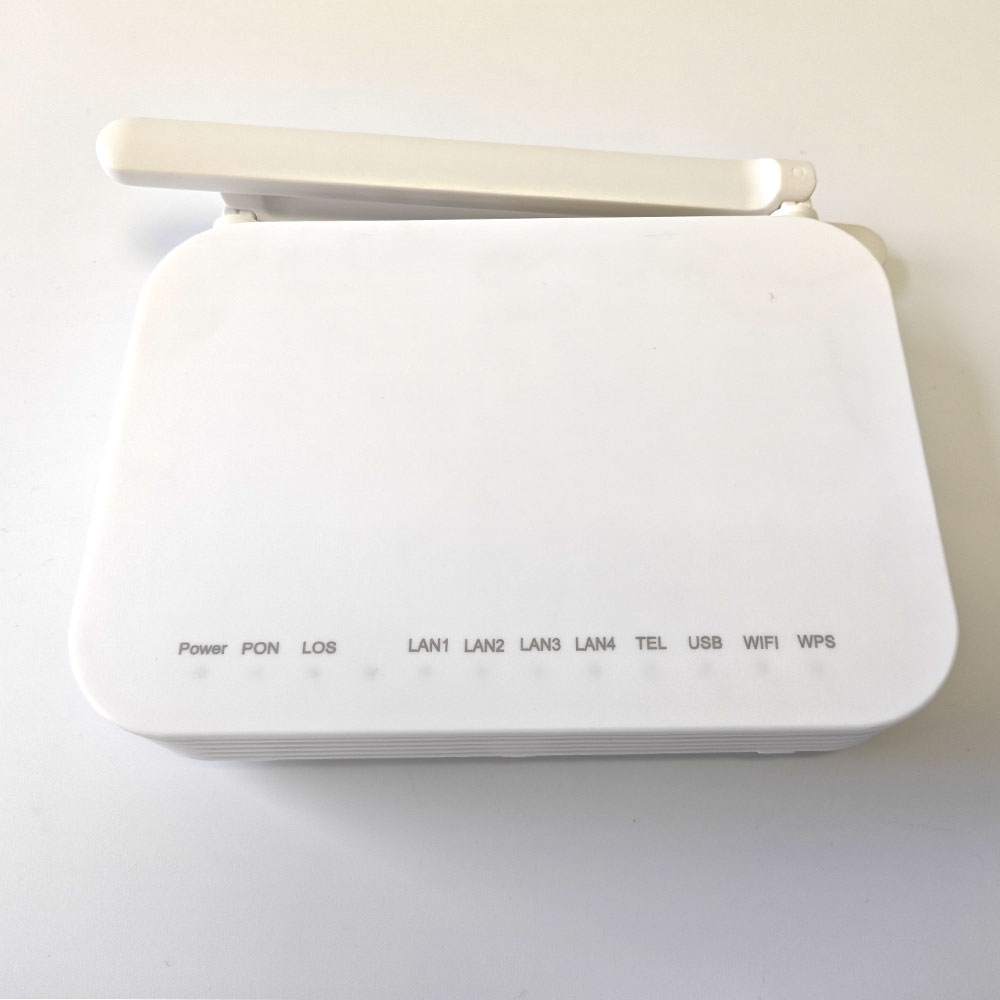
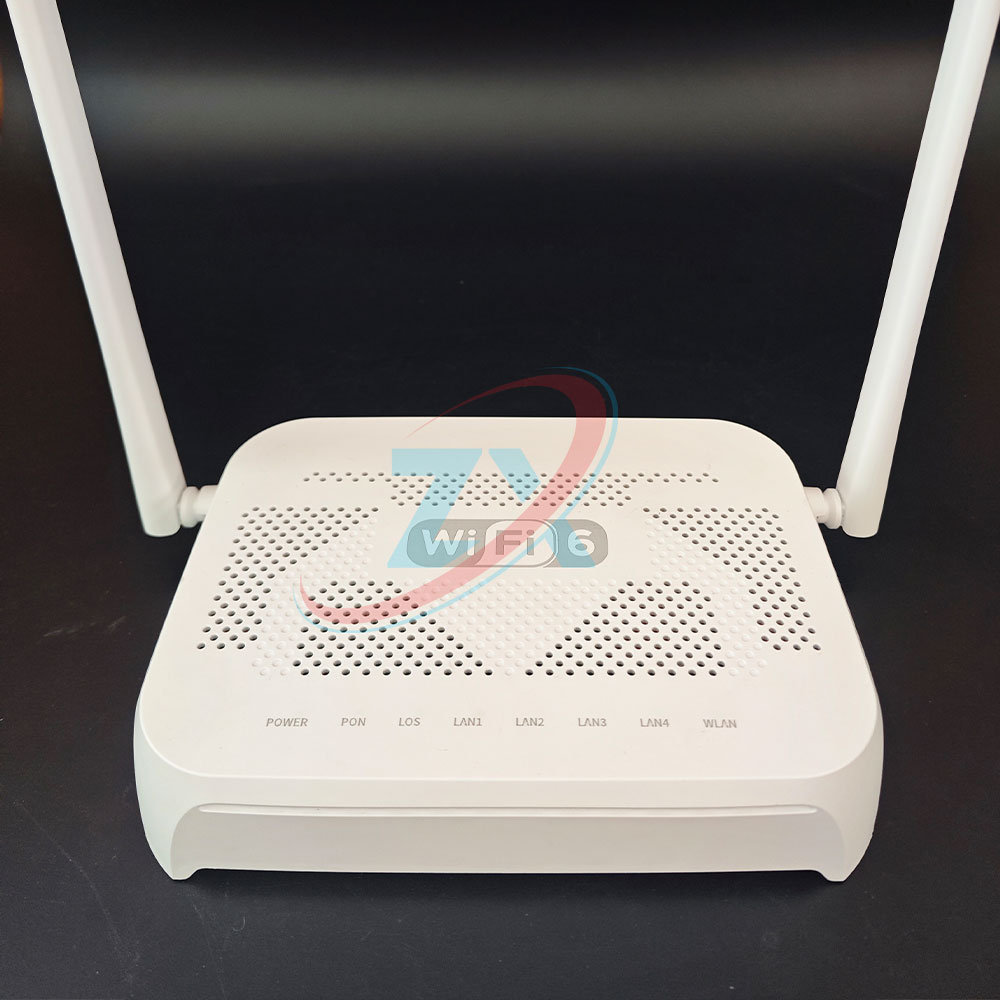
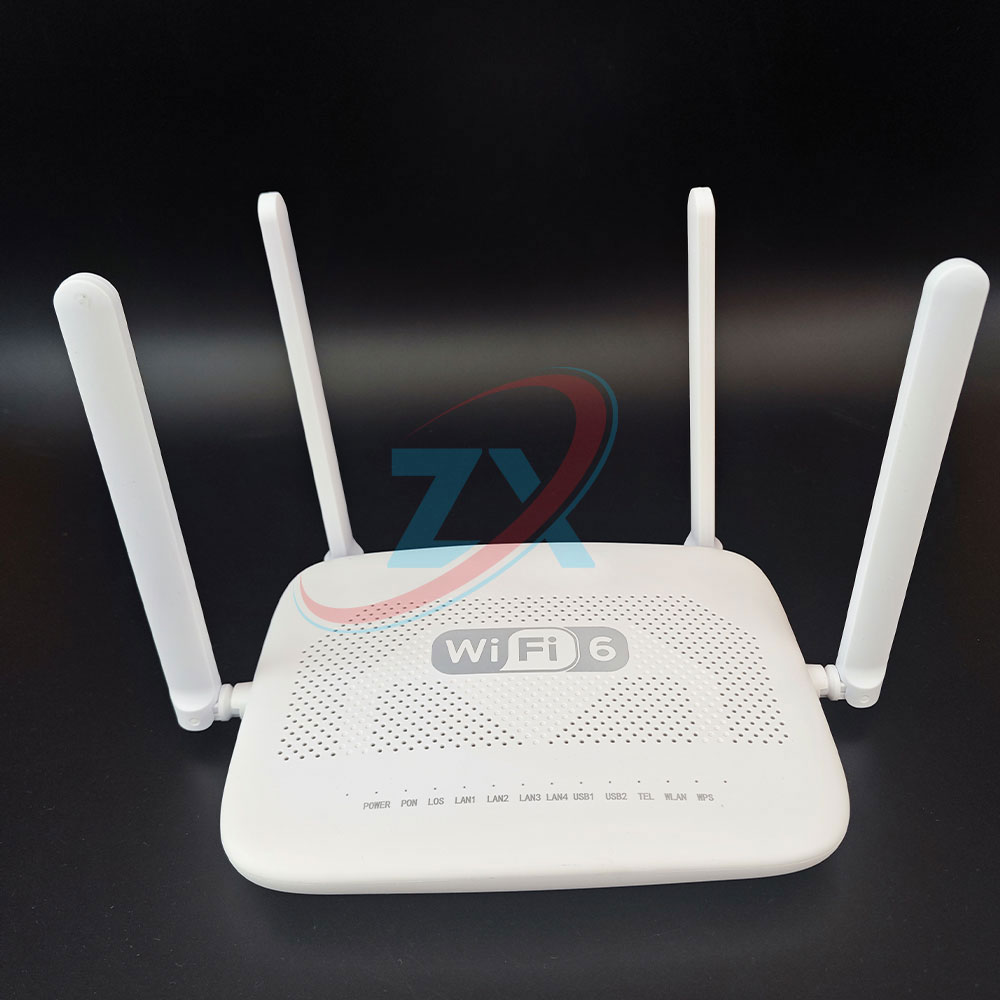
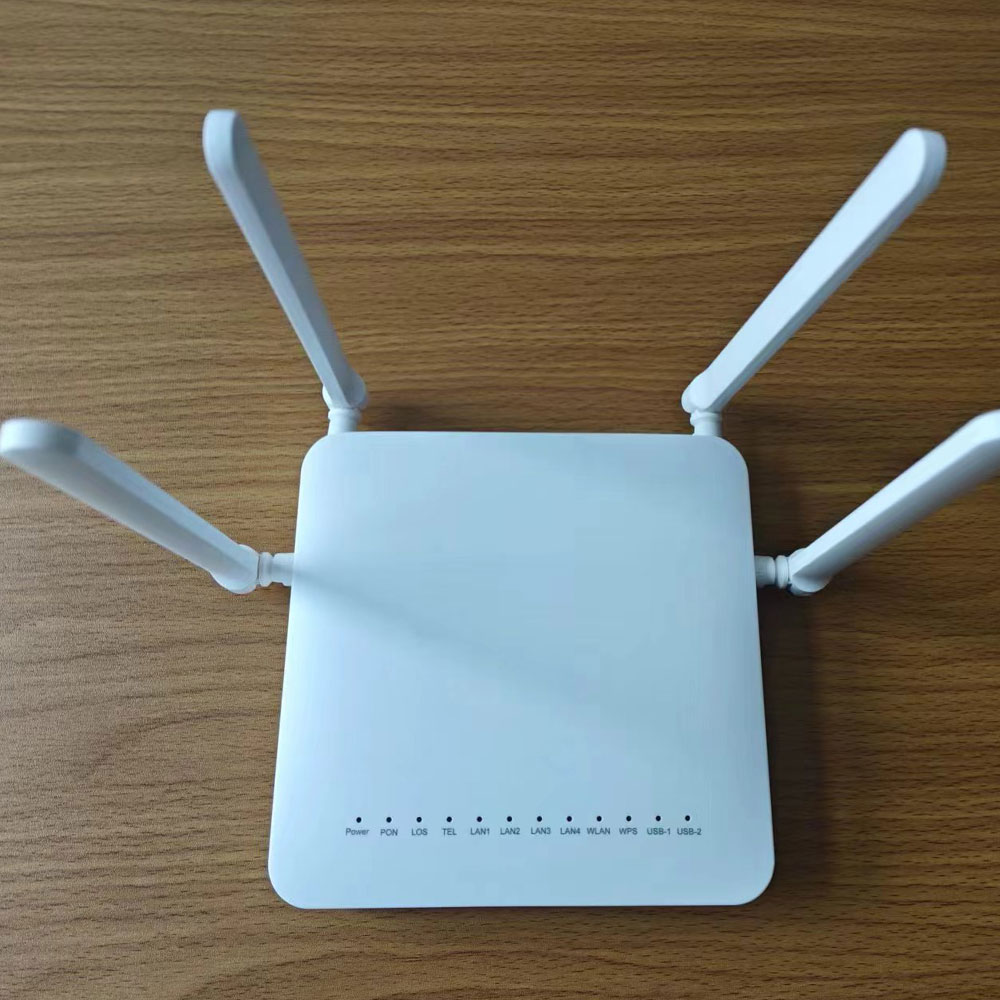
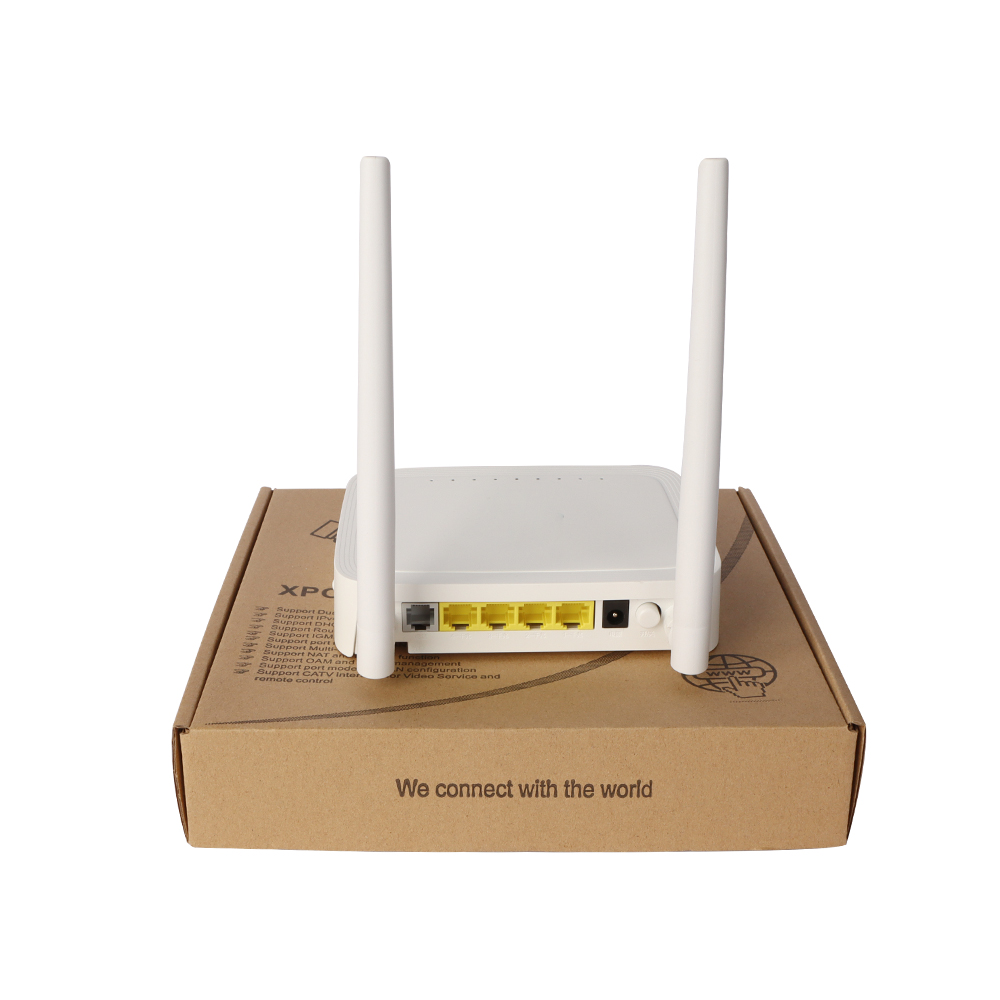
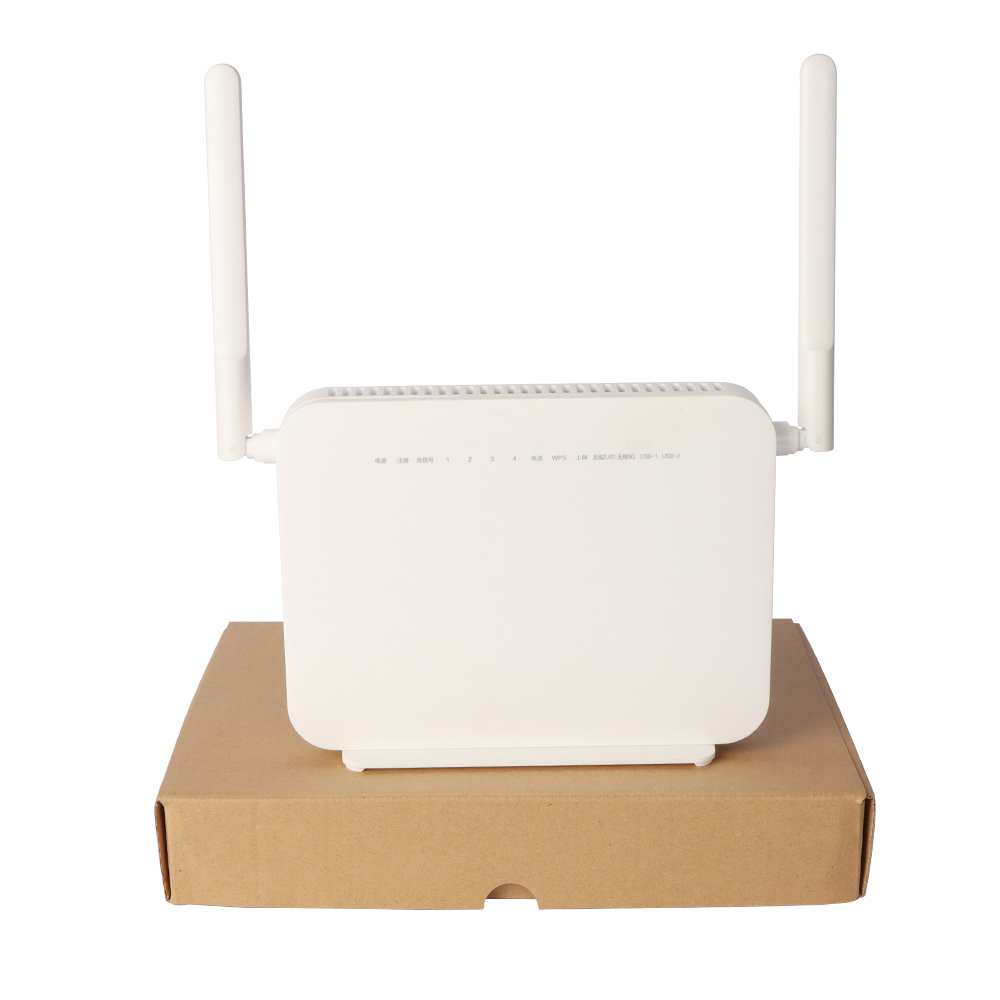
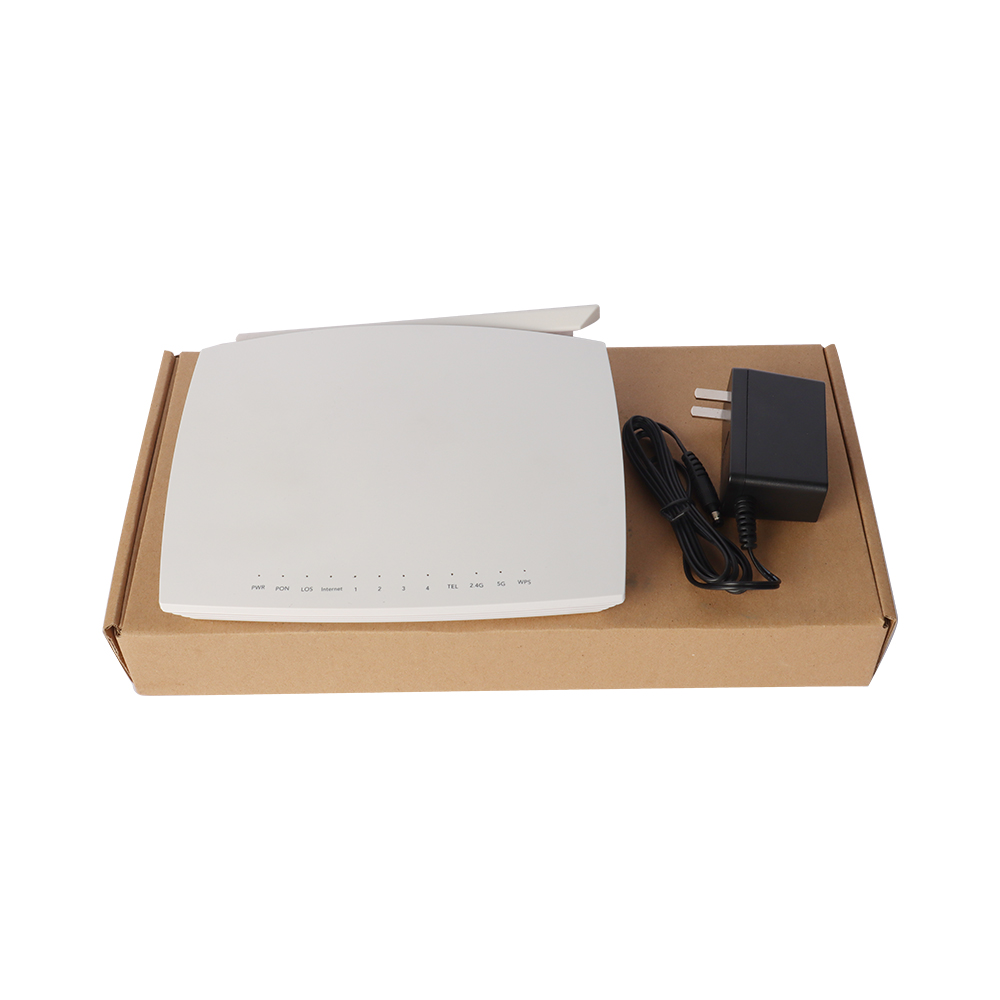
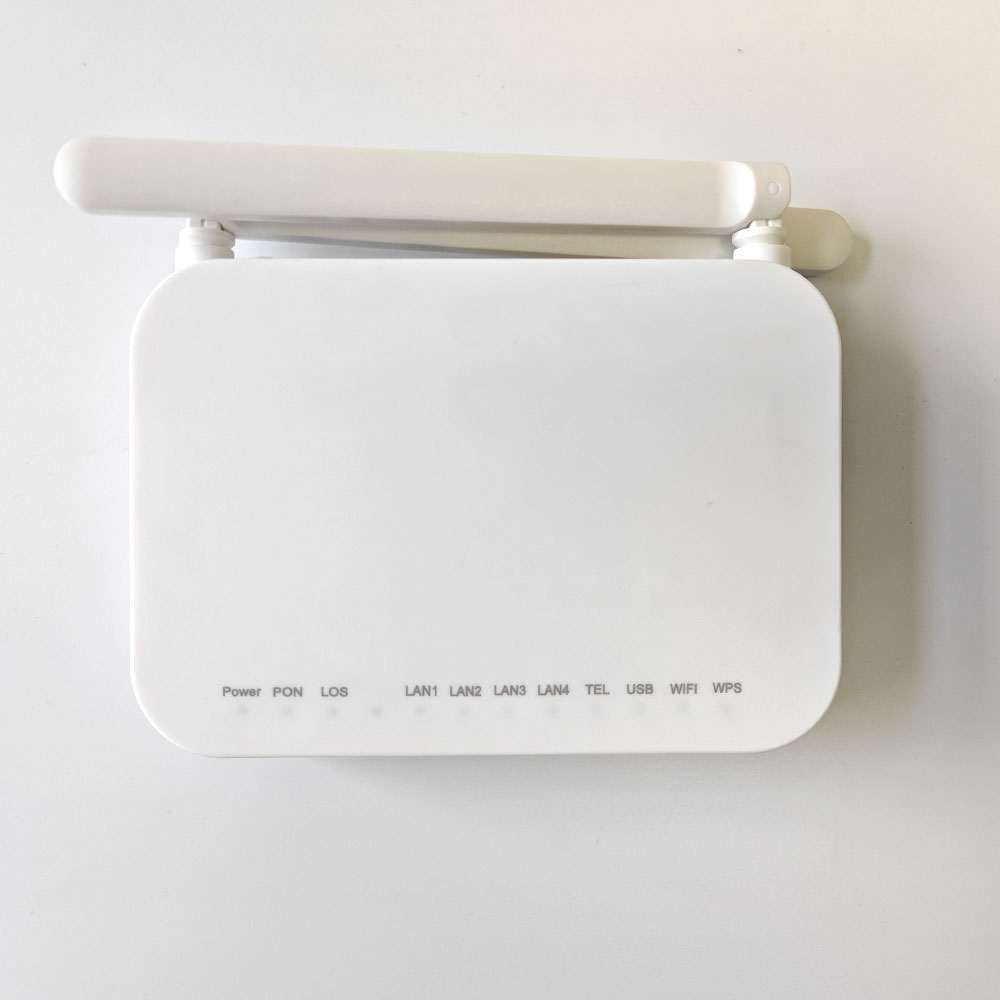
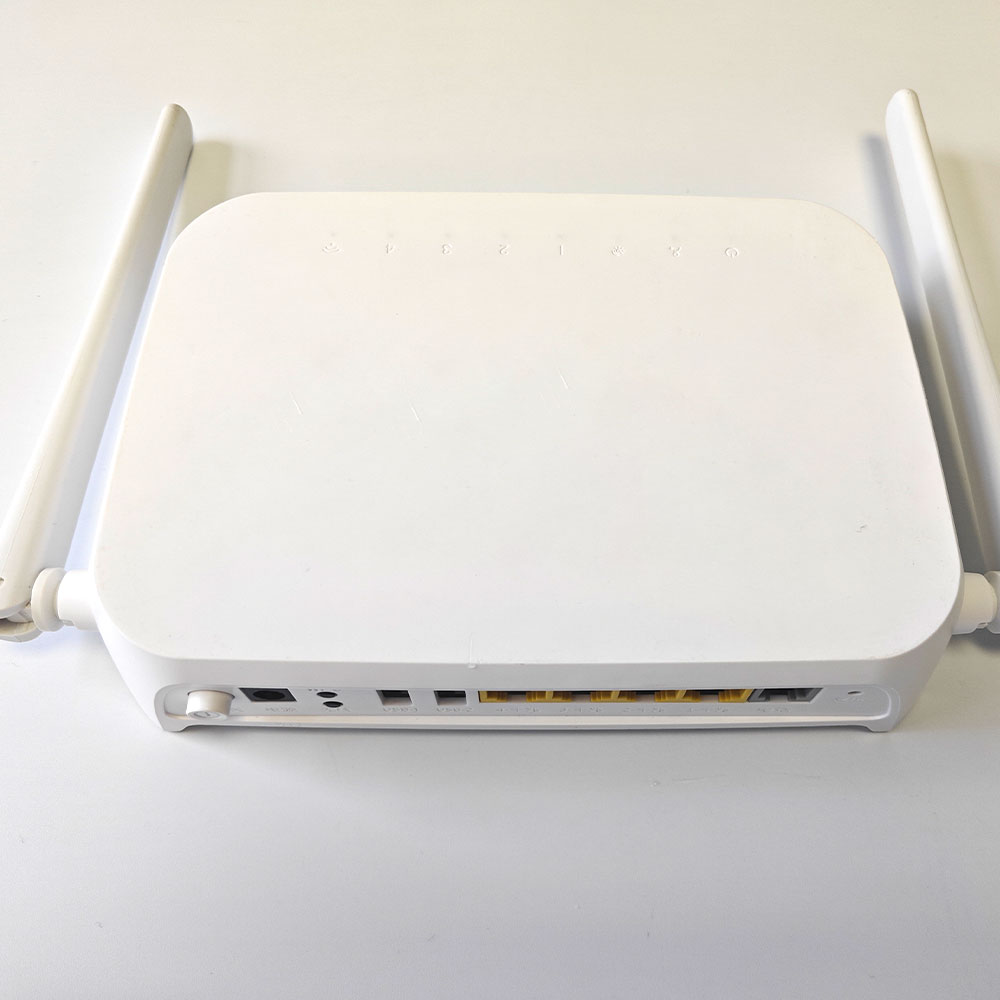
In fiber optic networks, especially Passive Optical Networks (PON), you’ll encounter the terms OLT and ONU. The OLT (Optical Line Terminal) is typically installed at the central office or provider side. It manages signal distribution and converts electrical signals to optical for transmission through the single-mode cable.
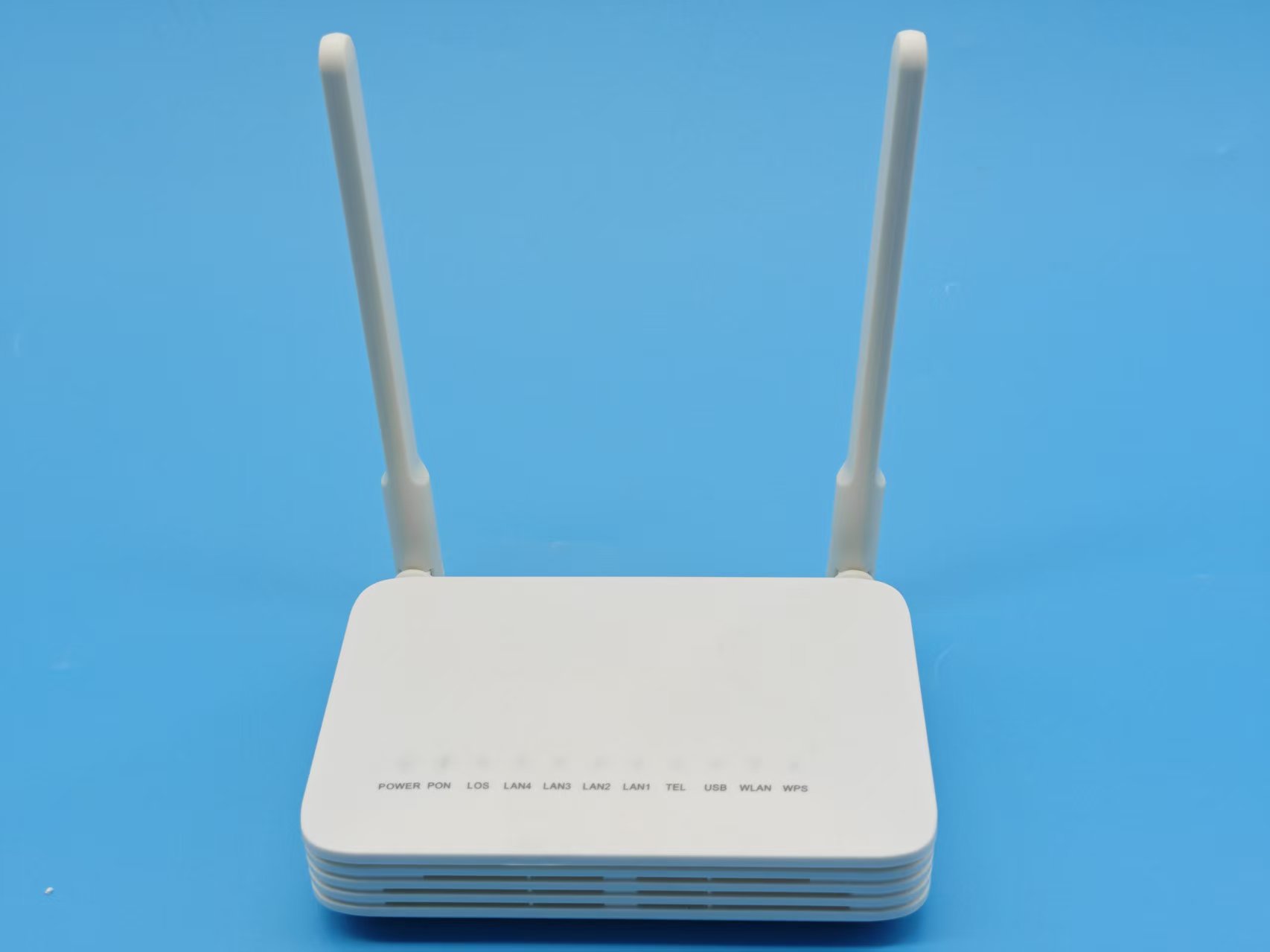
The ONU (Optical Network Unit) is located at the customer premises, whether in a home, office, or industrial site. It receives the optical signal and converts it back to electrical format, allowing local devices to connect.
This setup allows for efficient splitting and distribution of the single-mode fiber. OLTs work with ONUs to ensure high-speed, low-loss transmission, making them essential components for long distance fiber deployments.
Frequently Asked Questions About Fiber Optic Cable Types
Can I use single-mode fiber for short distances? Yes—single-mode is effective at any distance, though it’s most beneficial for longer routes. For short connections inside a building, multi-mode may be more cost-effective.
What is the maximum data rate supported by single-mode? With modern technology and DWDM, single-mode fibers manage hundreds of gigabits per second over long distances.
Is OS2 fiber the best choice for outdoor runs? Absolutely. OS2 is rugged and provides low loss over extended routes, making it ideal for outdoor and underground installations.
Do I need special equipment for single-mode fiber? Yes, ensure that your network hardware and connectors (like LC, SC, or FC) match the cable you order. Single-mode requires laser-based transceivers operating at specific wavelengths.
Should small businesses choose single-mode fiber? If future expansion or long distance connectivity is planned, single-mode is worth considering. For very short internal runs, multi-mode may suffice.
How do OLT and ONU relate to fiber optic cable type? Both devices are designed to interface with single-mode fiber, supporting reliable data delivery between the central office and user locations over great distances.
Industry Trends in Fiber Optic Cable Types
The world of fiber optic networking is always advancing. Manufacturers now offer ultra-low loss single-mode cables (below 0.17 dB/km), opening the door to even greater distances without repeaters. Modern backbone networks use DWDM to multiply capacity, sending many data streams over the same fiber. Specialized single-mode cables are used for undersea and satellite connections, where reliability and distance matter most.
The push for “smart” infrastructure—including real-time monitoring and maintenance—means network planners increasingly demand cables with built-in sensing capabilities. Choosing the right cable type ensures that your network will not just function today but adapt to tomorrow’s challenges and opportunities.
Finding the Right Fiber Optic Cable Supplier
Once you know the ideal type of fiber optic cable for your long distance application, picking a reliable supplier is key. Look for companies with strong certifications (ISO, CE, RoHS) and experience delivering single-mode cables to telecom, data centers, and large enterprises. A good supplier will offer advice on customization, such as connector types or protective jackets, and provide technical support from purchasing through installation.
Price is important, but so is quality and after-sale service. With a trusted supplier, you’ll benefit from expert guidance, stable delivery times, and cable products that meet your exact project needs.
To sum up, single-mode fiber optic cables—specifically OS2 for outdoor and long distance runs—are the industry’s top choice for reliable high-speed transmission across extended routes. By understanding the differences between cable types, matching your selection to your project’s demands, and working with reputable suppliers, you can ensure your network is ready for years of performance and expansion. Fiber optics won’t just boost your connectivity—they’ll future-proof your organization in a world where data flows faster every day.