






Which fiber cable type to be used in underground FTTH fiber deployment?
What Is FTTH and Why Go Underground?
You’ve probably heard people talking about FTTH, or Fiber to the Home. Simply put, it’s all about using fiber optic cables to bring ultra-fast internet and data straight into homes, businesses, or apartment buildings. Gone are the days of patchy connections and slow speeds—fiber is a game-changer. But, when it comes to laying these cables underground, there are a few extra things to think about. After all, cables have to survive everything from shifting soil and rain to curious rodents and heavy construction equipment. So, choosing the right fiber cable is super important if you want your FTTH network to work smoothly for years to come.
What Makes Underground FTTH Different?
Underground FTTH installations are a whole different ballgame compared to aerial or inside-the-building setups. Down in the dirt, cables face a level of risk that most people never think about: water seeping in, rocks crushing the sheath, extreme heat or cold, and even people accidentally digging where they shouldn’t. Going underground gives you better protection from the elements, but you need to pick cables that are tough enough to handle those challenges. If they aren’t, you could be dealing with expensive repairs, outages, and unhappy customers. So, let’s break down what you need to know about underground fiber cable options.
The Main Fiber Cable Types for Underground FTTH
When planning your FTTH rollout, one of the first questions you’ll have is “What fiber cable type should I use underground?” There are a few main types—each with its own strengths and weaknesses.
Loose Tube vs. Tight Buffer: Which Is Best?
If you’re looking at fiber cables, you’ll hear a lot about loose tube and tight buffer designs. Here’s the deal:
Loose tube cables have the optical fibers tucked inside tubes that are filled with water-blocking gel. This setup gives solid protection against moisture—a huge advantage for underground installations where water leaks can ruin a cable’s performance. Plus, the gel cushions the fibers and keeps them safe from vibration and movement.
Tight buffer cables, on the other hand, wrap fibers in a thick protective coating. These are easier to handle indoors or in cabinets, but they just don’t do as well underground where water can sneak in and cause problems.
If you’re going underground, loose tube cables are almost always the way to go. They’re made to withstand tough conditions and keep your FTTH network running reliably.
Armored Cables: Your First Line of Defense
Let’s talk armor. Armored fiber cables add a protective layer—usually made of steel or aluminum—between the cable and the world outside. Think of it like the shell of a turtle. This layer keeps cables safe from things like digging tools, rocks, rodents, and even roots pushing through the soil.
You can get cables with single or double armor. Double armor is perfect if you know the ground is especially rough or there’s a lot of activity nearby. Prices are a bit higher, but so is the peace of mind.
Armored cables come equipped with water-blocking materials, too. You don’t want to mess around with moisture underground—water can travel a long way inside a cable and wreck the fibers. If you’re planning a direct burial without a conduit, armored cables are practically a must-have for any FTTH deployment.
Using Ducts and Microducts in FTTH Builds
Sometimes, instead of burying cables directly, you’ll run them inside plastic ducts or microducts. There are a few reasons for this. For one, ducts give cables added protection. They’re also easier to upgrade later—pulling or blowing new cables through the same ducts without digging up the street again.
Microduct cables are especially popular these days. They’re super slim, flexible, and perfect for crowded city environments or spots with tricky landscaping. FTTH networks often use these because you can add extra fibers as demand grows, without having to redo all the civil engineering. If you’re looking for flexibility and easy upgrades, duct or microduct installations are a solid pick.
Gel-Filled vs. Dry Core: Keeping Water Out
Water is enemy number one for underground cables. There are two main ways cable makers keep it out: gel-filled and dry core designs.
Gel-filled cables have a thick gel packed inside the tubes. It’s sticky, messy, but seriously effective at blocking water. Technicians don’t always love working with it during repairs, but it’s a tried-and-true option for tough environments.
Dry core cables use a different trick: water-blocking powder or yarn. When it gets wet, it expands, plugging holes fast. These cables are easier to splice and clean, and plenty durable underground. Whether you go gel or dry, both options work well for FTTH deployments—so the choice often comes down to installer preference and the specifics of your location.
How Many Fibers Do You Need?
FTTH deployments aren’t one-size-fits-all, and neither are fiber cables. You might need just a couple fibers for a single house, or hundreds for a big apartment complex or main distribution line. Manufacturers offer lots of choices:
Single-mode fibers are the standard for FTTH—they give you the speed and bandwidth you want over long distances. Multi-mode is sometimes used for short runs, but these days, single-mode is the way to go.
You’ll also see options for jacket material, armoring types, strength members, and water-blocking designs. If you’re building a bigger FTTH network, it’s wise to go for higher fiber counts from the start. That way, you’re set up for growth and don’t need to add cables later.
Installation Methods: Pick What Works Best
Getting cables underground takes some planning. The three main ways are trenching, plowing, and horizontal directional drilling (HDD).
Trenching means digging a path, laying the cable, and filling it in. It’s straightforward, but it can mess up lawns and roads. Plowing uses special machines to cut and bury cables fast—great for open ground, less so on rocky soil.
HDD is a slick option for cities or spots where you don’t want to disrupt the surface. Basically, it drills a route under roads or rivers without digging up the top. If you’re working in neighborhoods with lots of traffic or existing infrastructure, HDD and ducts are the way to go.
Testing, Maintaining, and Upgrading Your Underground FTTH
Once the cables are in, you’ve got to make sure everything’s working. Tools like OTDR (Optical Time Domain Reflectometers) help you spot faults and measure signal quality. Keeping good records of where cables are buried, what types you used, and splice points is key for fast repairs.
Regular inspections save headaches. If your cables are inside ducts, upgrades are easy—just pull new fibers through the old pathway. If cables are directly buried, upgrades are tougher, so plan ahead for future growth.
FAQ: Real Questions About FTTH Underground Fiber Cable Deployment
Which fiber cable is best for underground FTTH?
For most projects, you’ll want armored loose tube cables—either gel-filled or dry core. They give you the best shot at handling water, crushing, and rodents. If you’re using ducts, look for cables made specifically for duct placement.
Which is better, ONT or ONR?
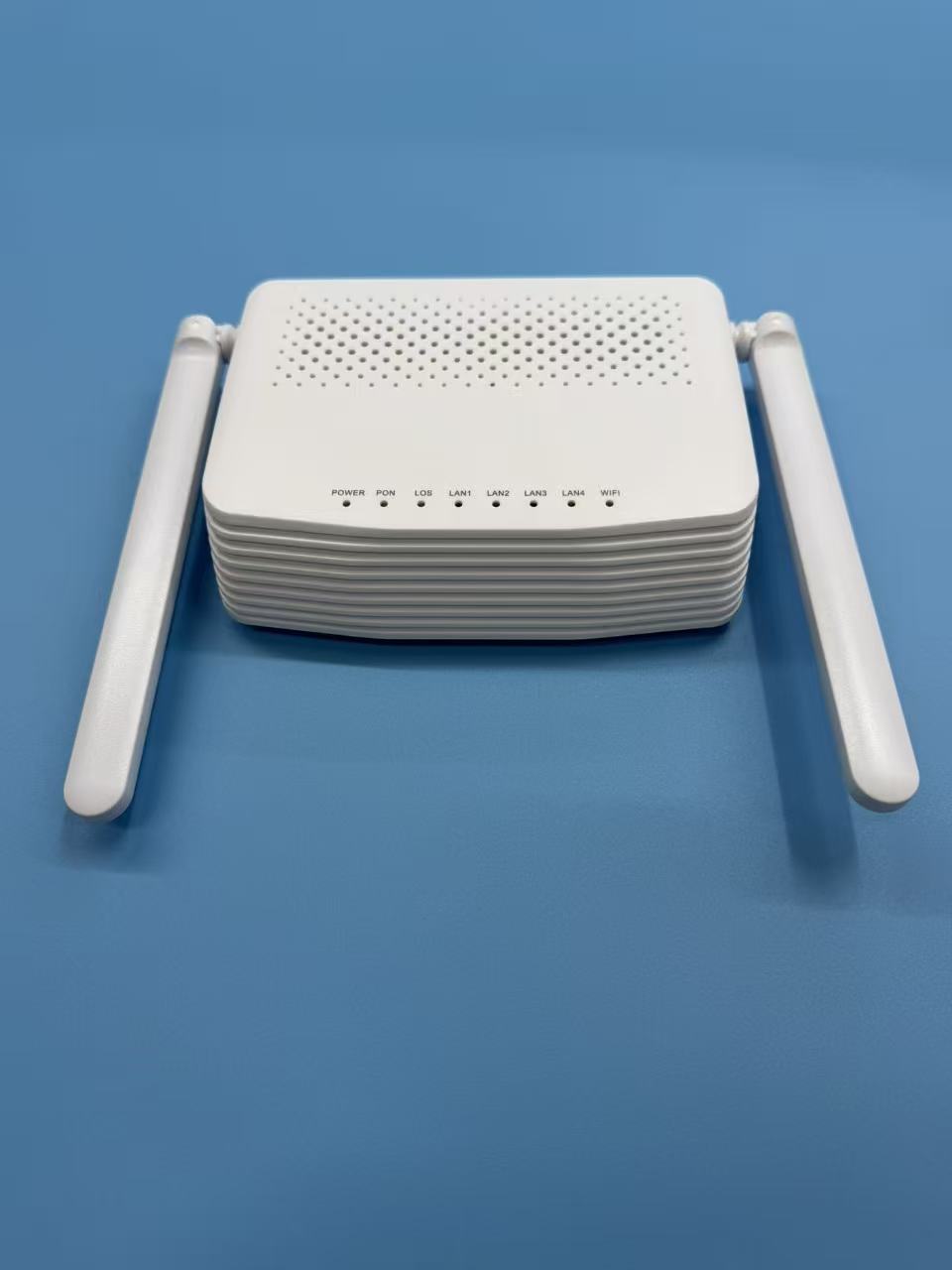
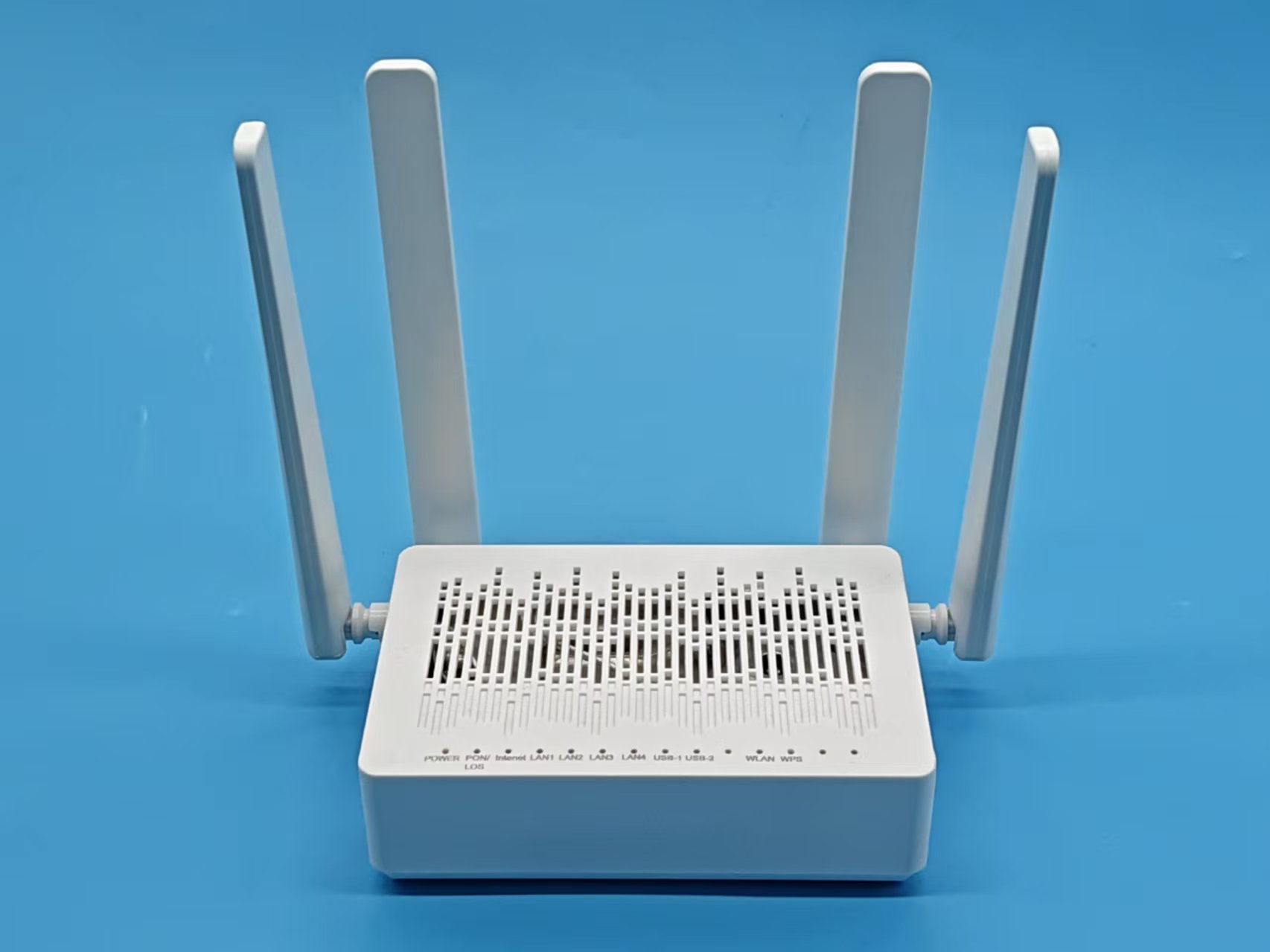
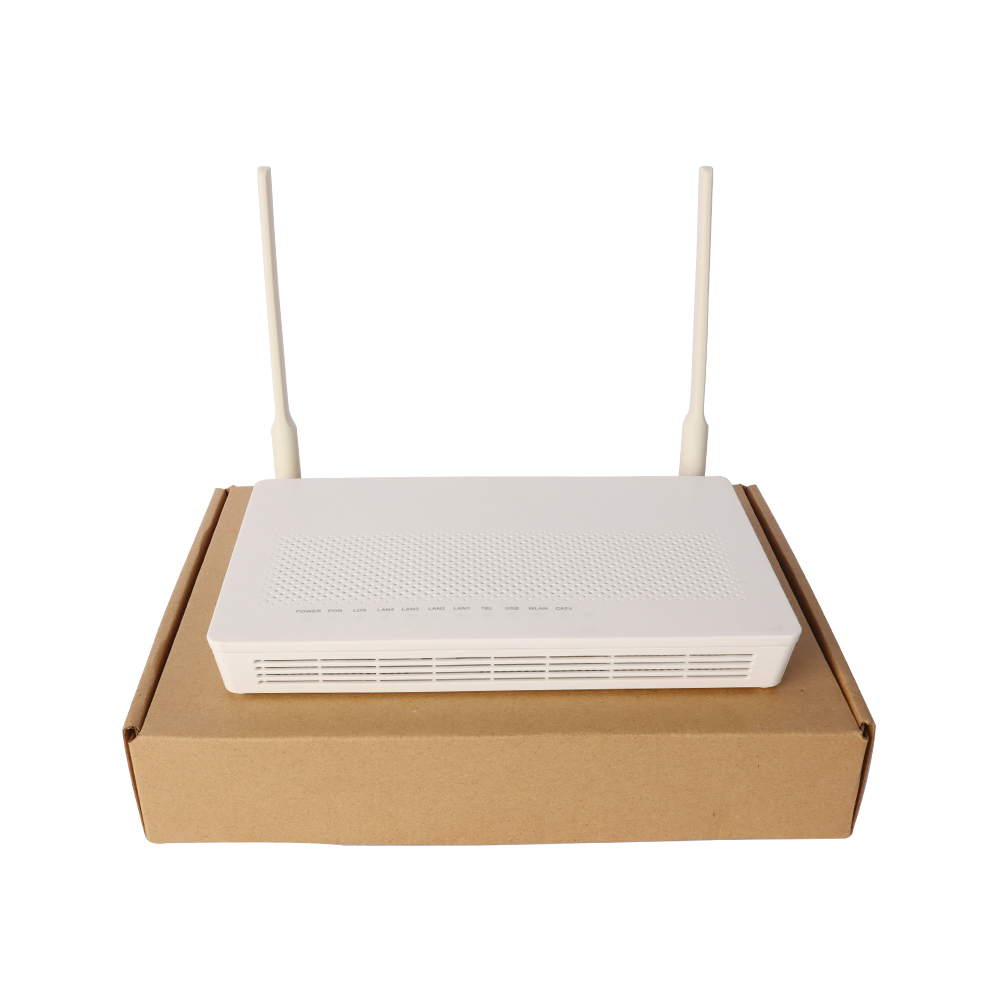
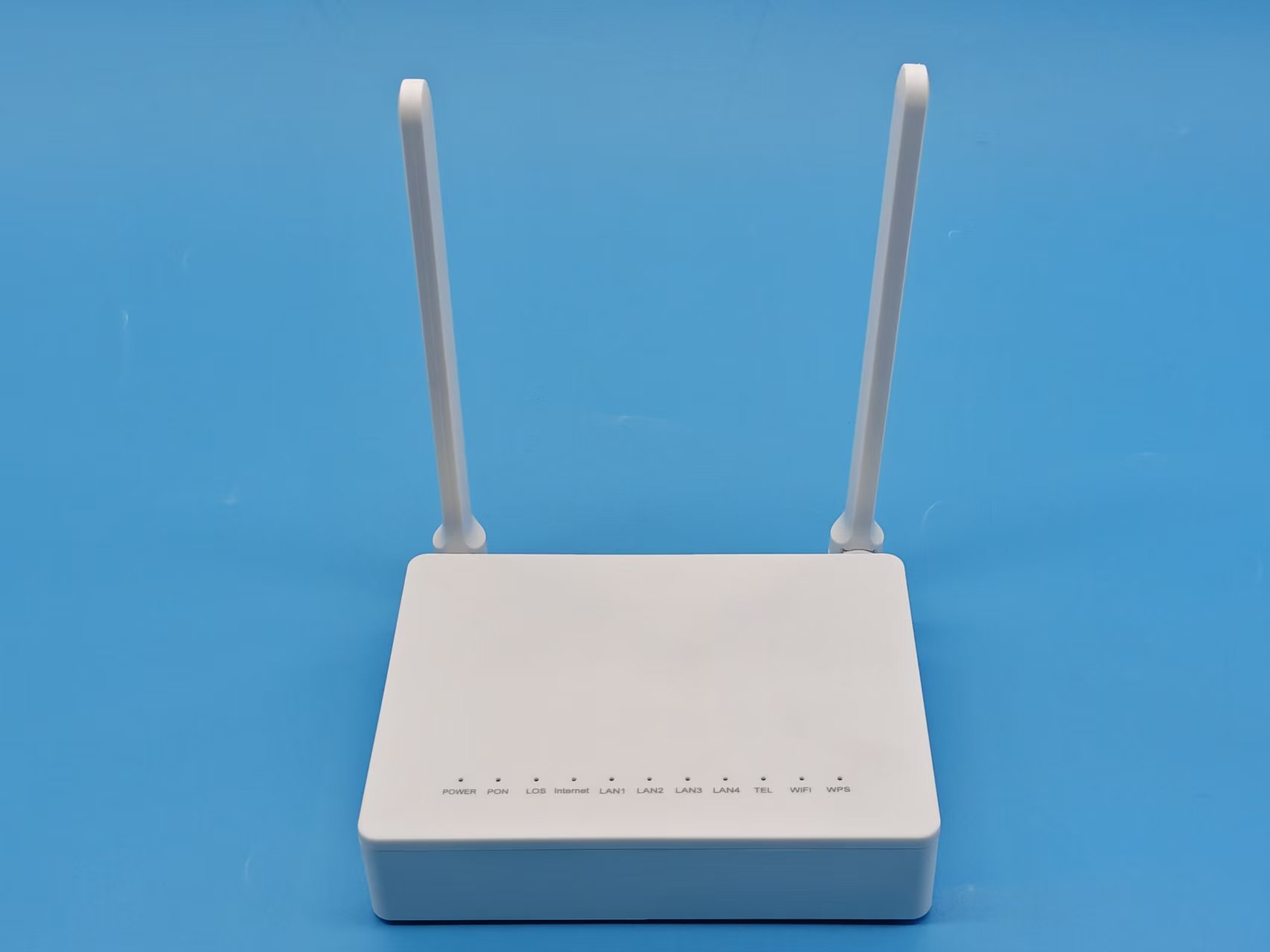
Both are important in FTTH setups. An ONT (Optical Network Terminal) connects homes to the fiber and converts signals for use. ONR (Optical Network Router) combines ONT with routing features—useful for advanced setups or larger networks. Most home users just need an ONT.
Is single-mode fiber the best choice?
Definitely! Single-mode fiber gives you top speeds and reliability for FTTH, especially for longer runs. Multi-mode is mostly for short distances—it’s outpaced by single-mode in performance and future-proofing.
How do I protect my cables from water and rodents?
Pick armored cables with gel or dry powder inside. Most manufacturers offer all sorts of rodent-proof and waterproof options. Don’t forget to seal ducts and keep documentation handy for fast repairs.
What's the maintenance required?
Schedule regular checks, use OTDR to test flags and signals, and keep route maps for efficient repairs. If you catch issues early, you prevent bigger outages and keep your FTTH network humming along.
Can I upgrade underground FTTH cables later?
If your cables are inside ducts or microducts, upgrades are a breeze—just swap or add fibers as needed. Direct-buried cables are harder to upgrade, so plan for expansion when you first install.
Cost, Durability, and Choosing a Good Cable Supplier
Let’s be honest—armored and gel-filled cables cost more up front, but they’re worth it in the long run. You’ll save money avoiding repairs and downtime. If you’re using ducts, the extra material costs pay off big when it’s time to upgrade or expand.
Good suppliers matter. Look for companies with a strong reputation, industry certifications, and solid customer support. If they help you customize your cable (fiber count, protection, etc.), you’ll get a solution that fits your FTTH project perfectly.
Latest Trends in FTTH Underground Deployments
Things aren’t standing still in the FTTH world. High-density cables are getting smaller and more efficient, letting you squeeze more fibers into crowded places. Some manufacturers are adding smart features—like sensors that alert you if there’s water or movement inside the cable.
Microduct and blowing techniques are huge in city builds, cutting down installation time and avoiding big disruptions. And as people demand greener, safer materials, cable makers are responding with better, eco-friendly designs and tougher armoring.
If you want your FTTH network to last and adapt, pay attention to these trends and ask your supplier about future-ready products.
Building a strong underground FTTH network starts with smart cable choices. Armored loose tube cables (gel-filled or dry core) are your best bet for most ground conditions—they’ll keep water, rodents, and accidents at bay. If you use ducts or microducts, you’ll have more flexibility for upgrades, which is a must if your customer base is growing. Future-proof your setup by planning for expansion, picking the right fiber counts, and working with suppliers who know their stuff. Stay on top of maintenance and testing, and your FTTH network will deliver reliable, fast internet for years to come—no matter what’s happening underground.