







What Is Passive Optical Networking (PON)? GPON vs. EPON
PON—Passive Optical Networking—is a revolutionary technology transforming the landscape of broadband communication. With booming demand for faster, more reliable internet and data transmission, PON brings fiber optic connectivity to homes, businesses, and industries with remarkable scalability and efficiency. In this article, we explore the fundamentals of PON, its main types, GPON versus EPON differences, deployment scenarios, and answer key buyer questions. If you are seeking to understand how to choose the right PON standard or optimize your network infrastructure, read on for a comprehensive, SEO-optimized overview.
Introduction to Passive Optical Networking (PON)
Passive Optical Networking is a fiber-based communications technology that enables multiple endpoints to share a single optical fiber without the need for electrically powered components along the transmission path. Essentially, PON employs passive equipment such as splitters and combiners to distribute the optical signal from a central PON node (Optical Line Terminal, OLT) to multiple remote users (Optical Network Units, ONUs/ONTs).
This "passive" approach sets PON apart from active optical networks, which require powered components to switch or amplify signals. By eliminating the need for field power, PON offers cost-effective deployment, reduced maintenance, and improved reliability—ideal for last-mile broadband access where operational expenses must be minimized.
How Does PON Work?
To understand the mechanics of PON, visualize the central OLT at a service provider’s facility, connected via fiber to a passive splitter. The splitter divides the optical signal—usually in a downstream broadcast mode—among up to 64 or more customer endpoints. Each ONU/ONT at the customer premises receives, filters, and decodes its allotted data, while upstream data is sent back to the OLT in a time-sliced manner (TDMA).
What makes PON unique is the sheer efficiency and scalability of this model. No complex switching or routing happens between OLT and ONUs, ensuring low latency, simplified troubleshooting, and swift service provisioning. PON is also inherently secure, as intercepting fiber signals is far more complex than copper or wireless signals.
Main Types of PON: GPON and EPON
Globally, the two most recognized PON standards are GPON (Gigabit Passive Optical Network) and EPON (Ethernet Passive Optical Network). While both aim to deliver high-speed fiber broadband, their protocols, throughput, and interoperability differ significantly. Let’s explore their attributes.
GPON, governed by ITU-T recommendations, is widely deployed in Europe, North America, and emerging markets. It uses Asynchronous Transfer Mode (ATM), GEM framing, and supports triple-play services (voice, video, data). Key GPON features include:
- Downstream speed up to 2.488 Gbps
- Upstream speed up to 1.244 Gbps
- Maximum split ratio: typically 1:64
- Support for variable-sized packets and Quality of Service (QoS)
EPON, standardized by IEEE 802.3ah, is prevalent in Asia-Pacific. It relies on native Ethernet frames, offering easy integration with existing LAN infrastructure. EPON’s highlights include:
- Symmetrical bandwidth: 1.25 Gbps (downstream/upstream)
- Higher split ratios (up to 1:32, with support for larger)
- Efficient operation with Ethernet networks and VLANs
GPON vs. EPON also impacts system management, deployment cost, and service compatibility. For buyers and network architects, understanding these contrasts is crucial for matching technology to organizational goals.
Advantages of PON Deployments
PON is widely adopted in Fiber-to-the-Home (FTTH), Fiber-to-the-Building (FTTB), Fiber-to-the-Curb (FTTC), and business service applications. The advantages of PON technology are substantial:
Firstly, it’s cost-effective. By using passive splitters, PON networks minimize the requirement for external power along the transmission path, reducing utility bills and simplifying upgrades. The infrastructure can be shared by dozens of users, making it attractive for ISPs and property developers.
Secondly, PON offers outstanding scalability and futureproofing. Providers can gradually increase the split ratio to add more subscribers or upgrade to XG-PON, NG-PON2, or 10G-EPON standards for gigabit-plus speeds without replacing core fiber—all helping maximize ROI.
Thirdly, PON ensures long-term reliability and minimal maintenance. With no active electronics in the field, except at endpoints, the risk of downtime due to hardware failures is dramatically reduced.
Finally, PON supports diverse services, from high-speed internet to IPTV, VoIP, and corporate VPNs. Network operators can tailor service packages flexibly, driving customer satisfaction and revenue.
Comparing GPON and EPON: Which to Choose?
When contemplating a new fiber roll-out or upgrade, the choice between GPON and EPON depends on several factors:
Bandwidth and Performance: GPON has higher downstream capacity (2.5 Gbps vs. 1.25 Gbps of EPON), making it suitable for quadruple-play, business-grade applications, or dense urban deployments. EPON’s symmetrical bandwidth is effective for environments with robust upstream demands, like business parks or research labs.
Interoperability: EPON’s native Ethernet compatibility simplifies integration with enterprise LANs and reduces conversion overhead. GPON, employing ATM/GEM, is better suited for residential triple-play services but can require additional protocol adaptation for enterprise networks.
Global Availability: GPON is the dominant standard across Western markets, favored by telcos and municipalities. EPON has prominence in Asia, particularly China and Japan, with cost-effective equipment and rapid deployment cycles.
Cost and Equipment Supply: EPON equipment is often less expensive due to higher adoption among manufacturers in Asia. GPON tends to have broader vendor ecosystem support in global markets, enhancing procurement choices and network expansion paths.
When choosing between GPON and EPON, network designers should analyze subscriber density, expected service portfolio, legacy infrastructure, investment budget, and local regulatory environment. Vendor consultation and pilot testing are advised, ensuring best-fit alignment with business goals.
Potential Applications and Use Cases of PON
Passive Optical Networking is reshaping the way connectivity is delivered in diverse environments. Let’s look at some prominent use cases:
Residential Broadband: FTTH is the leading PON application. By deploying GPON or EPON, service providers extend ultra-fast internet directly into homes, supporting streaming, gaming, smart devices, and future applications like AR/VR.
Enterprise Networks: PON enables businesses and campuses to centralize network management, reduce cabling complexity, and guarantee reliable, secure Ethernet connectivity with minimal downtime.
Smart Cities: The scalability of PON supports IoT deployments, surveillance cameras, traffic control, public Wi-Fi, and environmental sensors, all on a unified fiber optic backbone.
Hospitality and Multi-tenant Buildings: Hotels, apartments, and office towers can deploy PON to share robust broadband among tenants, streamline billing, and ensure high-speed access everywhere.
Mobile Backhaul: PON is increasingly leveraged by operators to connect cellular base stations at remote sites, supporting 5G expansion needs without excessive equipment or maintenance requirements.
PON Equipment Overview: OLT, ONU, Splitter, and Router Integration
To deploy a PON network, one requires the following core components:
Optical Line Terminal (OLT): The heart of the PON, located at the service provider’s central office. It aggregates and manages all traffic, signaling, and authentication for connected ONUs/ONTs.
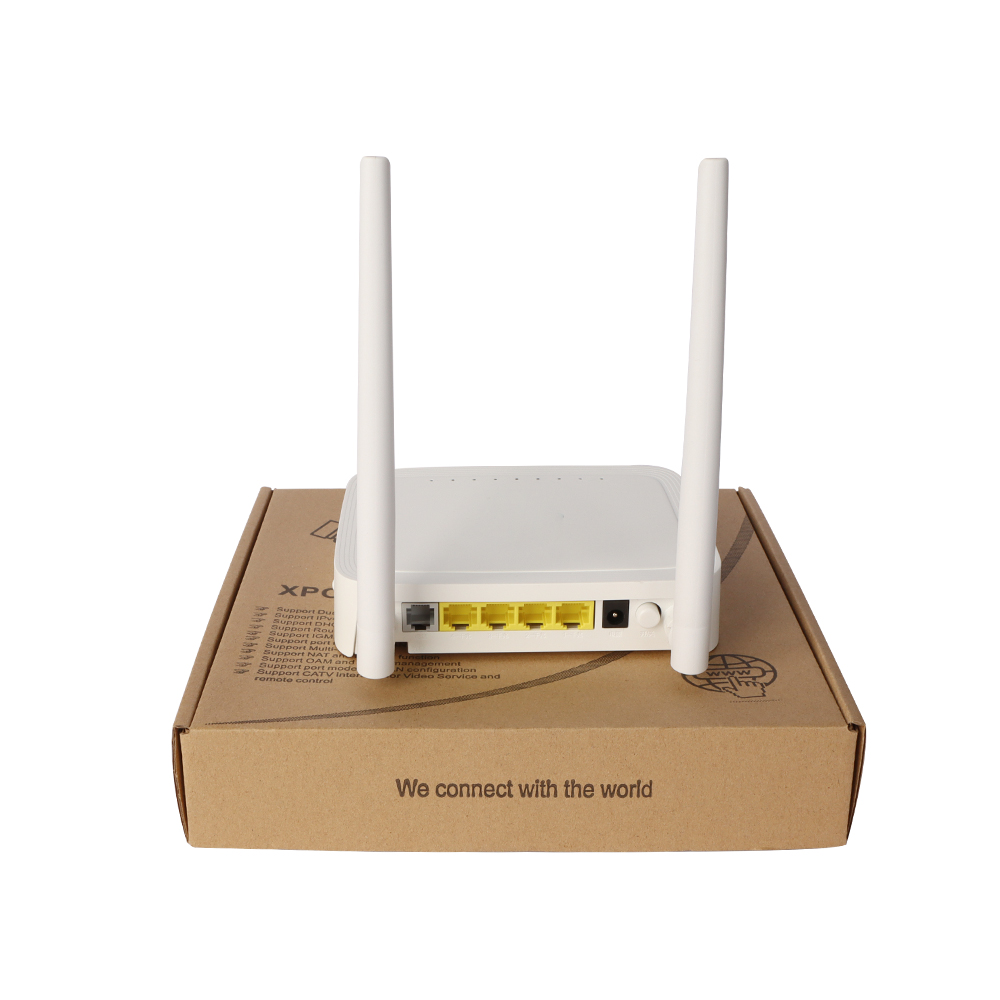
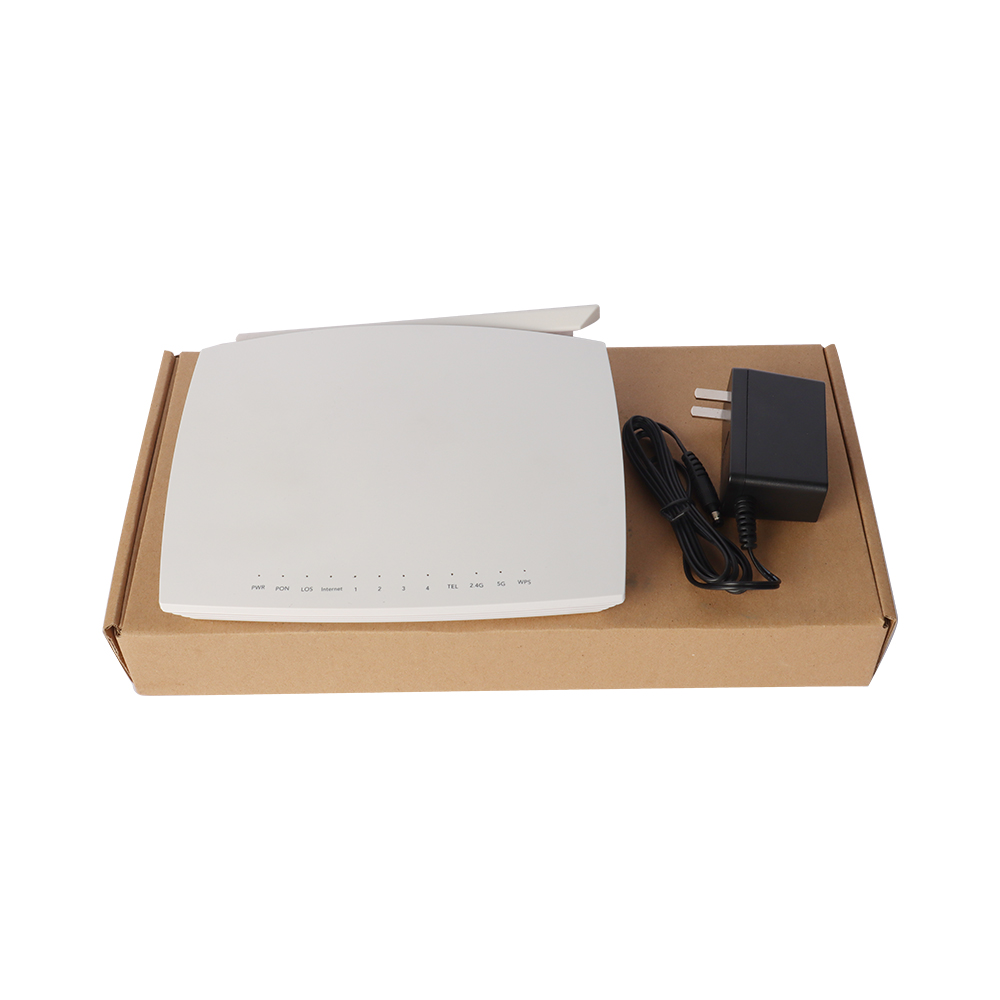
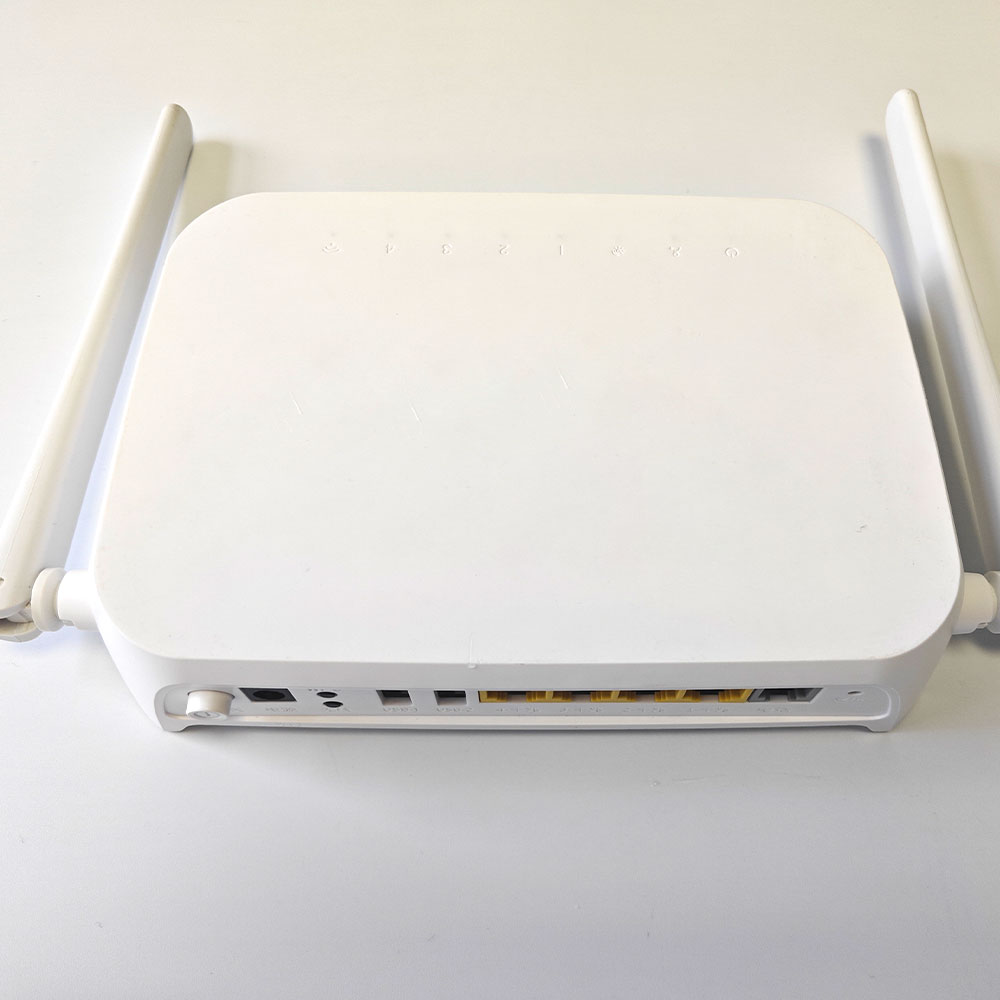
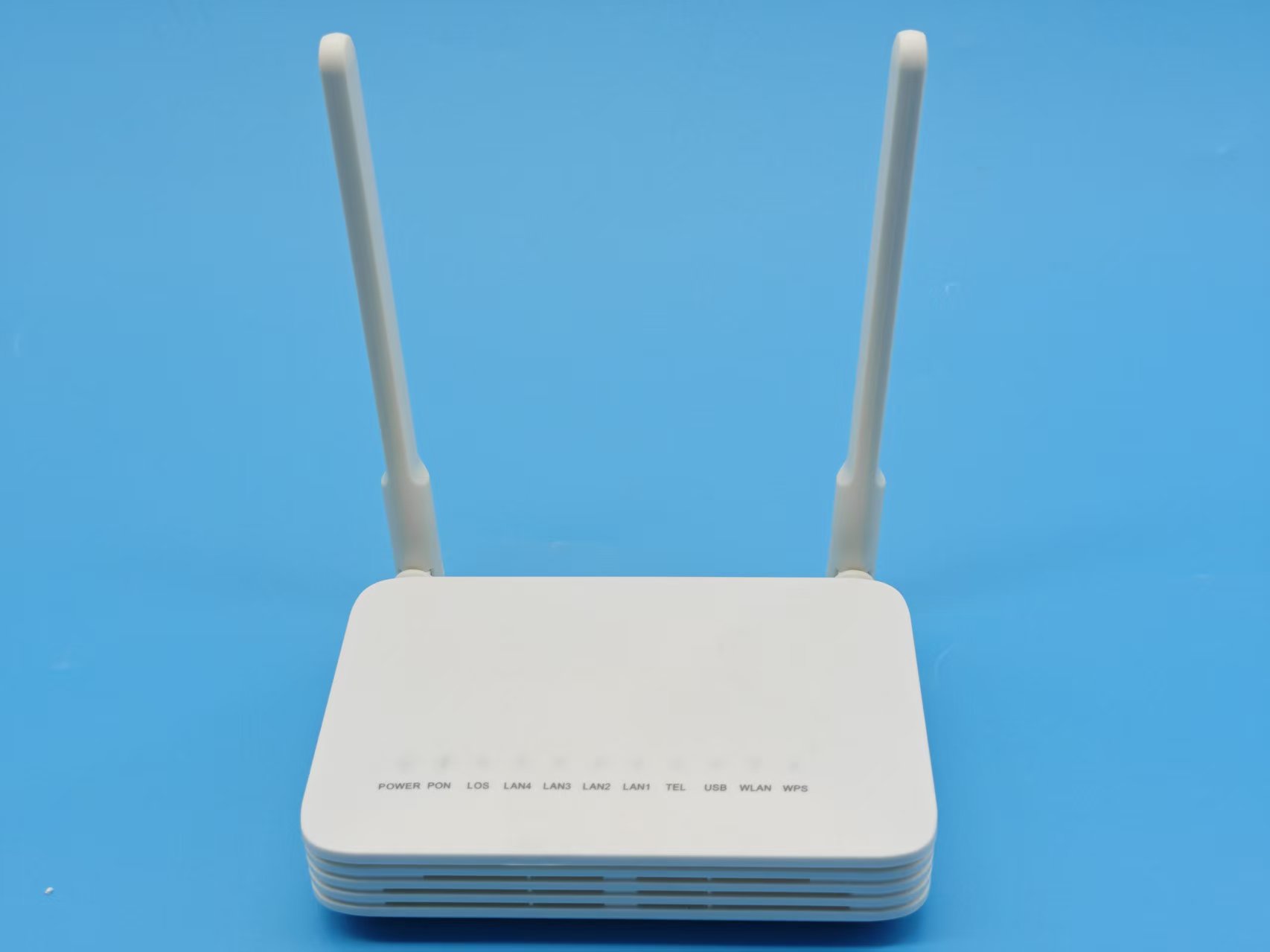
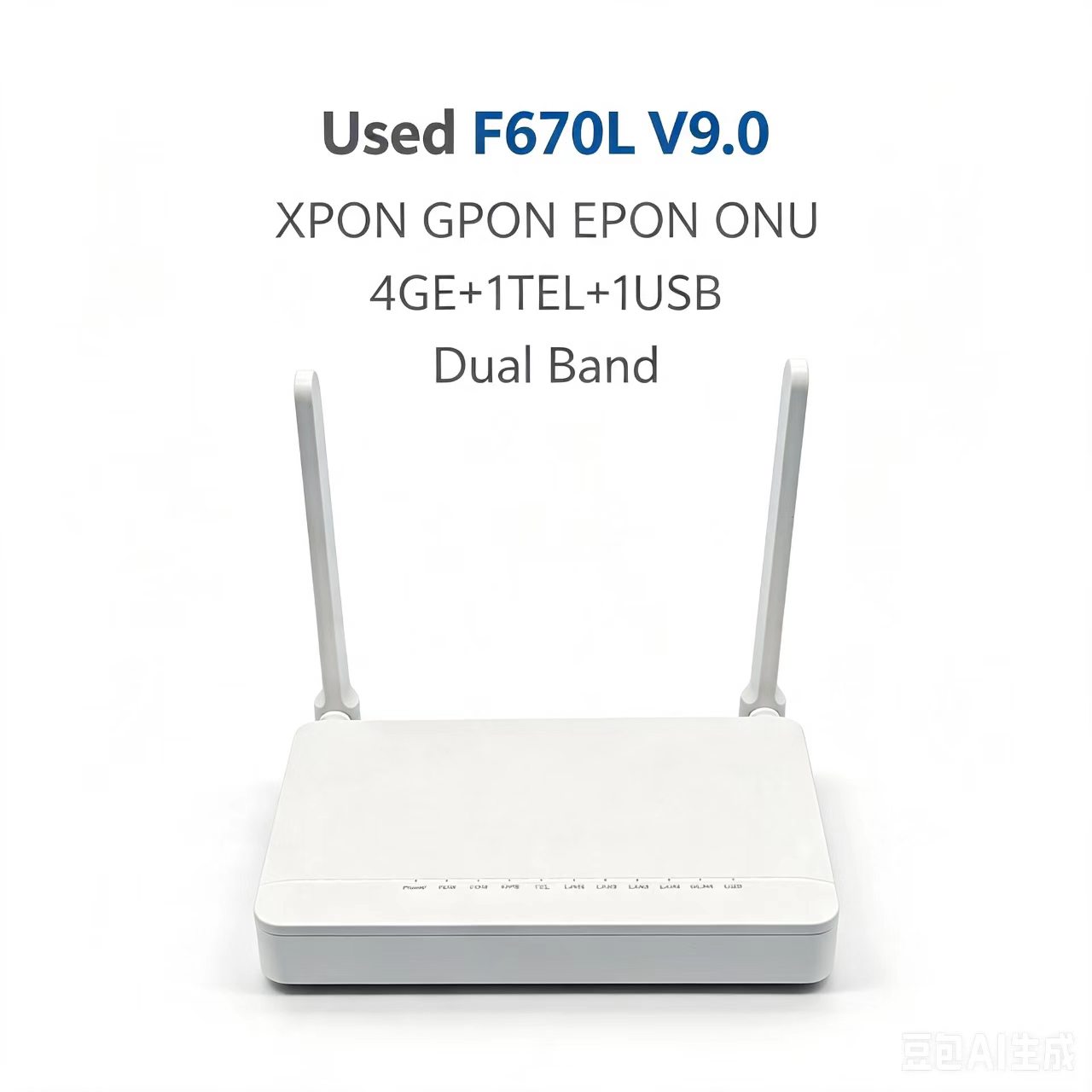
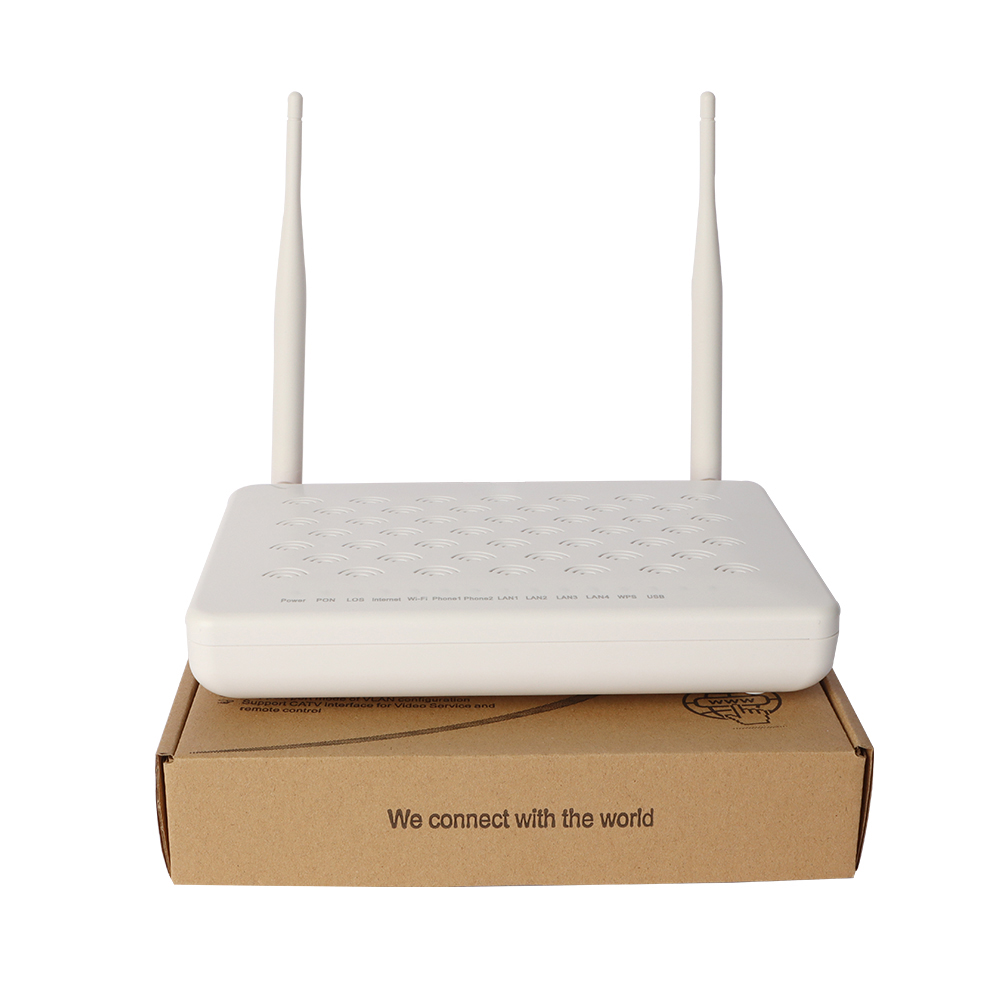
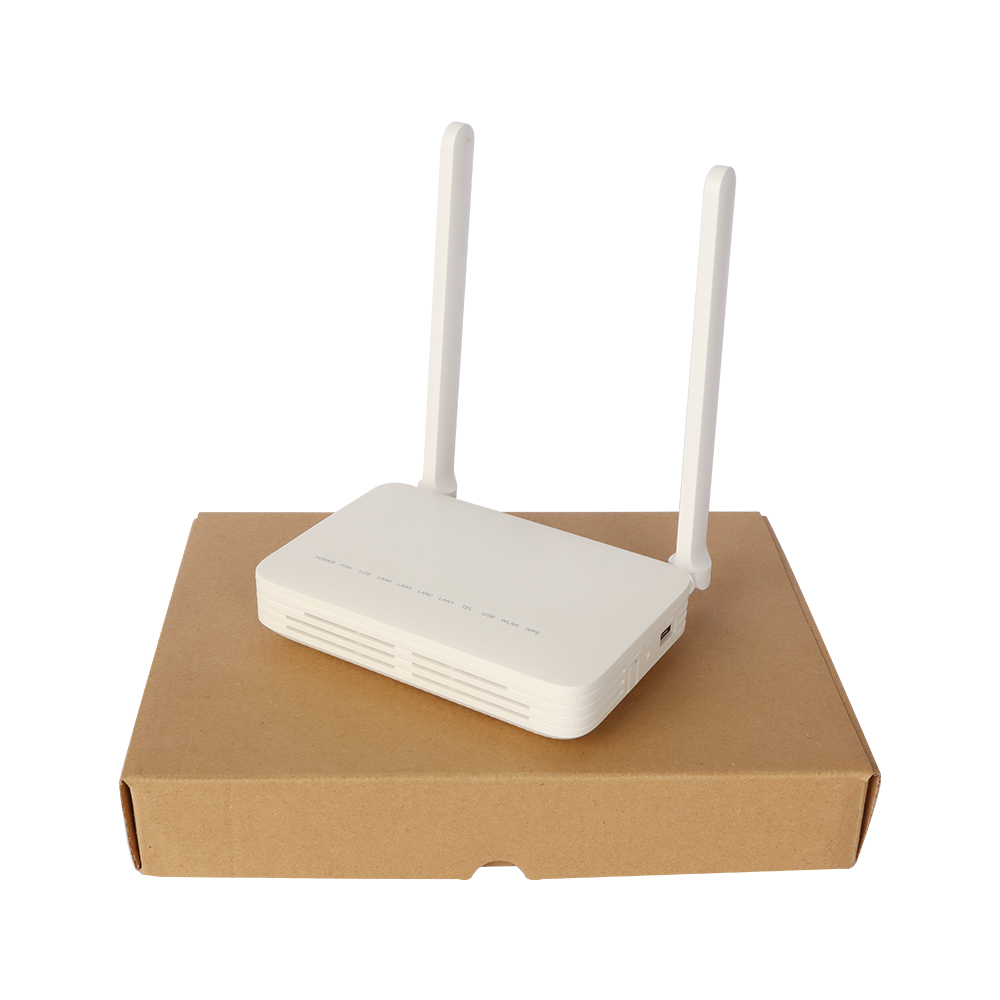
Optical Network Unit (ONU) / Optical Network Terminal (ONT): Typically situated at the customer’s premises, this device decodes and delivers data services, converting optical signals to electrical (Ethernet, Wi-Fi, telephony).
Optical Splitter: A passive device that enables one fiber line from the OLT to be split into multiple lines for ONUs. Split ratio can vary from 1:2 up to 1:128 or more, depending on the standard and desired deployment density.
PON Router: In many cases, end-users connect a PON terminal to a residential or business router. Routers compatible with PON allow users extra features—like guest Wi-Fi, VPN, and static IP assignment.
PON Performance: Speed, Security, and Reliability
PON’s performance is noteworthy on several fronts:
Speed: GPON delivers up to 2.5 Gbps downstream and 1.25 Gbps upstream, whereas EPON supports symmetrical 1.25 Gbps speeds. Next-generation systems like XG-PON and 10G-EPON push 10 Gbps and higher, supporting both residential and business ultra-broadband needs.
Security: Fiber optics transmit data as light pulses, making eavesdropping and signal theft extremely difficult. PON networks use encryption protocols, VLANs, and authentication to ensure end-to-end security for sensitive applications.
Reliability: With only passive components in the distribution network, there’s no field electronics susceptible to failure. Maintenance is centralized, proactive, and less frequent than copper or wireless networks. PON’s robust design is ideal for disaster recovery operations and mission-critical connectivity.
FAQ: Buyer’s Questions About PON
What does PON mean on a router?
When you see "PON" labeled on a router or modem, it means the device is designed to connect directly to a PON terminal (like an ONU or ONT), enabling broadband over a fiber optic link. Some advanced routers integrate PON ports, allowing seamless conversion between optical signals and Ethernet or Wi-Fi. This is useful for FTTH deployments where a single device can provide internet, IPTV, and voice services over fiber.
Can I use my existing router with a PON network?
Yes. Most PON terminals have Ethernet ports compatible with standard routers. For optimal performance—especially for gigabit services—use a router with gigabit-capable WAN/LAN ports and robust processing power. If your service includes IPTV or VoIP, verify compatibility with your PON provider.
What is the typical lifespan of PON infrastructure?
PON infrastructure is renowned for its durability—fiber optic cables last decades when properly installed. Passive splitters rarely fail, and ONUs/OLT equipment can be easily upgraded as standards evolve (e.g., moving from GPON to NG-PON2). Network operators should plan on a 15-30 year lifecycle for most PON deployments, greatly reducing total ownership cost.
How does PON support future services?
PON’s modular architecture enables swift upgrades to higher bandwidth standards—such as XG-PON, NG-PON2, and 10G-EPON—without re-laying new fiber. Software and hardware refreshes can introduce new features, improved security, and expanded capacity as customer needs change.
Is PON suitable for rural areas?
Yes. PON is particularly advantageous for rural broadband, thanks to its ability to reach multiple endpoints with minimal field equipment and maintenance. By leveraging splitters and maximizing fiber runs, regional ISPs can deliver high-speed internet cost-effectively where wireless or copper solutions fall short.
Emerging Trends in PON Technology
With digital transformation accelerating worldwide, PON technology is also evolving. Notable trends include:
10G-PON (XG-PON, XGS-PON, NG-PON2): New standards enable up to 10 Gbps speed, supporting data-hungry applications like cloud, AI, and real-time video. These variations offer both symmetric and asymmetric bandwidth options, catering to diverse enterprise and residential needs.
Multi-service Integration: PON networks are increasingly used to converge various services: data, voice, video, home automation, and IoT. This holistic approach simplifies management and creates new revenue streams for network operators.
Smart Monitoring and Analytics: Next-generation PON hardware comes with integrated monitoring software, enabling automatic detection of faults, usage spikes, and network health metrics. This proactive strategy optimizes user experience and reduces troubleshooting times.
Green Networking: By minimizing powered components and maximizing fiber efficiency, PON networks are inherently more sustainable. Many operators now seek to promote PON as part of green networking strategies and carbon reduction initiatives.
PON Network Deployment Considerations
Deploying a successful PON network requires careful planning:
Capacity Planning: Define expected subscriber numbers, desired throughput, and split ratio based on population density and service portfolio. Overprovisioning safeguards growth and new services.
Vendor Selection: Evaluate OLT, ONU, and splitter vendors for compatibility, support, and upgrade pathways. Certification and interoperability tests are critical, especially in mixed GPON/EPON environments.
Installation and Maintenance: Skilled technicians must handle fiber pulling, termination, and splitter configuration. Maintenance is largely centralized, but rapid response plans for environmental damage (storms, construction) are needed.
Regulatory Compliance: Ensure adherence to local telecom, engineering, and data security standards. GPON and EPON have distinct compliance footprints across markets—research local requirements before project kickoff.
By following these steps, ISPs, municipalities, and business campuses can deliver resilient, future-ready broadband with excellent cost efficiency.
Future of PON: Beyond GPON and EPON
The future of PON is rapidly advancing, with higher speeds and smarter networks on the horizon. 10G-PON, NG-PON2, and emerging standards promise to transform how cities, enterprises, and homes leverage fiber connectivity. As bandwidth demands soar and IoT/edge computing reshape connectivity needs, PON’s flexible backbone positions it at the forefront of digital infrastructure evolution.
Continued improvements in optical signal processing, splitter miniaturization, and integration with wireless/fixed-line networks mean PON will remain a key enabler of digital society for decades to come. Whether you are planning an FTTH roll-out, upgrading corporate broadband, or connecting remote sites to cloud services, understanding PON’s capabilities—and its nuances between GPON and EPON—will help you make informed, future-proof investments.
In summary, PON technology has become the foundation of fast, scalable, and reliable broadband worldwide. Its passive, energy-efficient design, paired with a robust ecosystem (GPON, EPON, and next-gen variants), guarantees cost-effective deployments, adaptability, and unmatched performance for diverse applications. As digital connectivity continues to shape economies and lifestyles, PON’s role is set to expand even further—empowering homes, businesses, and communities with the fiber-powered future.