








What Is an OLT (Optical Line Terminal)? Understanding the Brain of a PON Network
Understanding OLT Devices
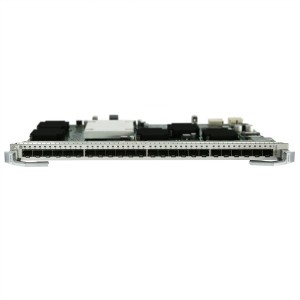
An OLT (Optical Line Terminal) is the central aggregation device at the service-provider end of a Passive Optical Network (PON). Often housed in a telecom central office or a street-side cabinet, the OLT acts as the bridge between the high-capacity backbone network (such as an ISP's core router or metro aggregation switch) and the many optical fibers that fan out to subscriber premises.
Think of the OLT as the "brain" of a PON system. A single OLT chassis can serve hundreds or even thousands of end users through optical splitters, without requiring active electronics in the outside plant between the office and the customer. This passive architecture — where splitters simply divide the optical signal — is what makes PON deployments so cost-effective for large-scale FTTH rollouts.
How Does an OLT Work?
The OLT performs two essential jobs simultaneously. On the network side (upstream), it connects to the service provider's aggregation layer via standard interfaces such as 10GE, 25GE, or 100GE, exchanging data with the broader internet. On the optical side (downstream), it converts electrical signals into optical signals and transmits them over a single shared fiber toward the subscribers.
In the downstream direction, the OLT broadcasts data to all connected users, with each ONT (Optical Network Terminal) filtering out only the packets addressed to it. In the upstream direction, the OLT coordinates transmissions from many ONTs using a time-division scheme called TDMA (Time Division Multiple Access), ensuring that customer devices take turns sending data without collisions. This precise scheduling is what allows hundreds of homes to share one fiber efficiently.
OLT vs ONT: Understanding the PON Pair
A common point of confusion is the relationship between an OLT and an ONT. They are two halves of the same PON system, and neither functions alone:
OLT (Optical Line Terminal): The provider-side terminal located in the central office or cabinet. It manages bandwidth allocation, authentication, and traffic aggregation for all users on its PON ports.
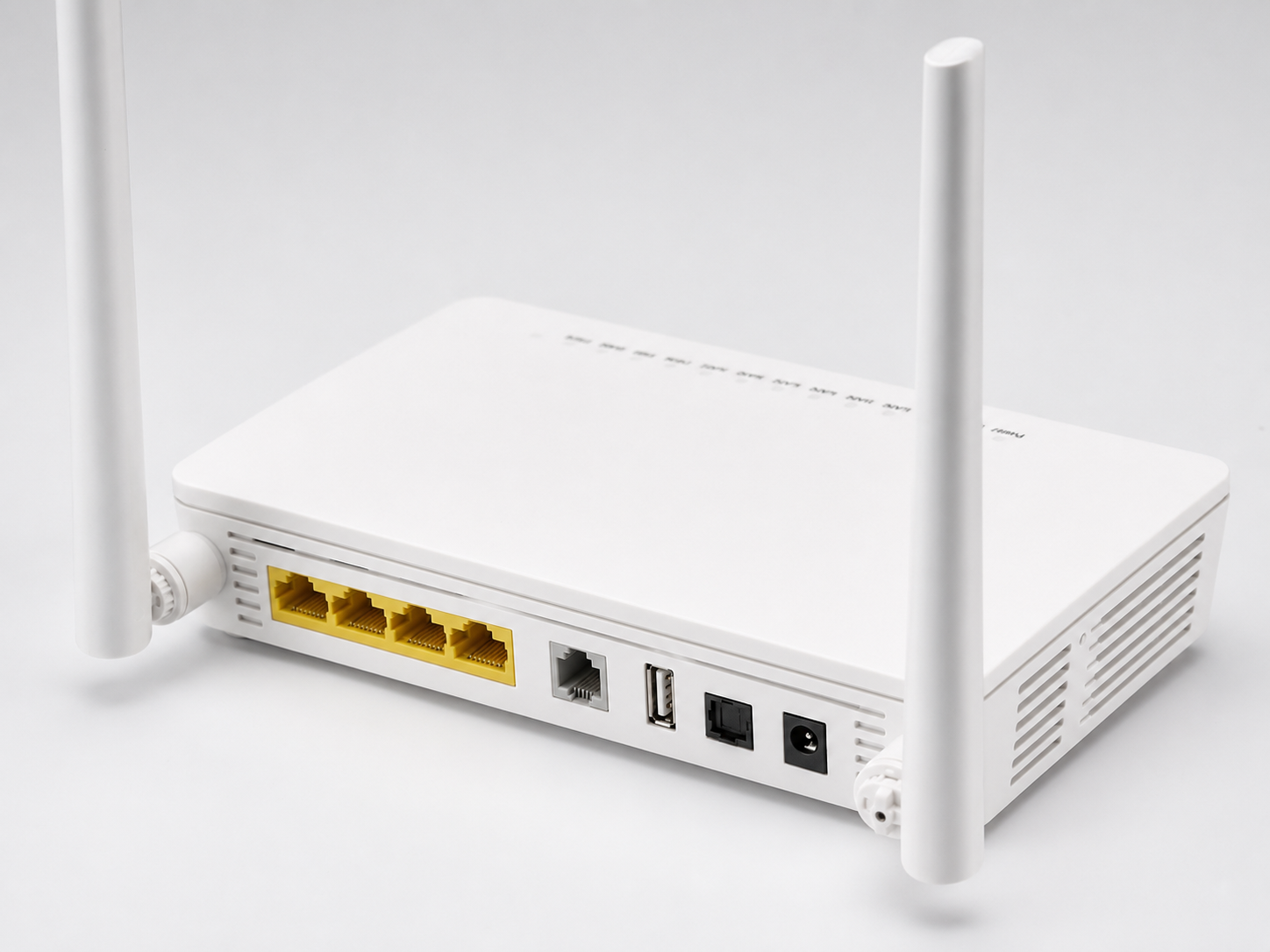
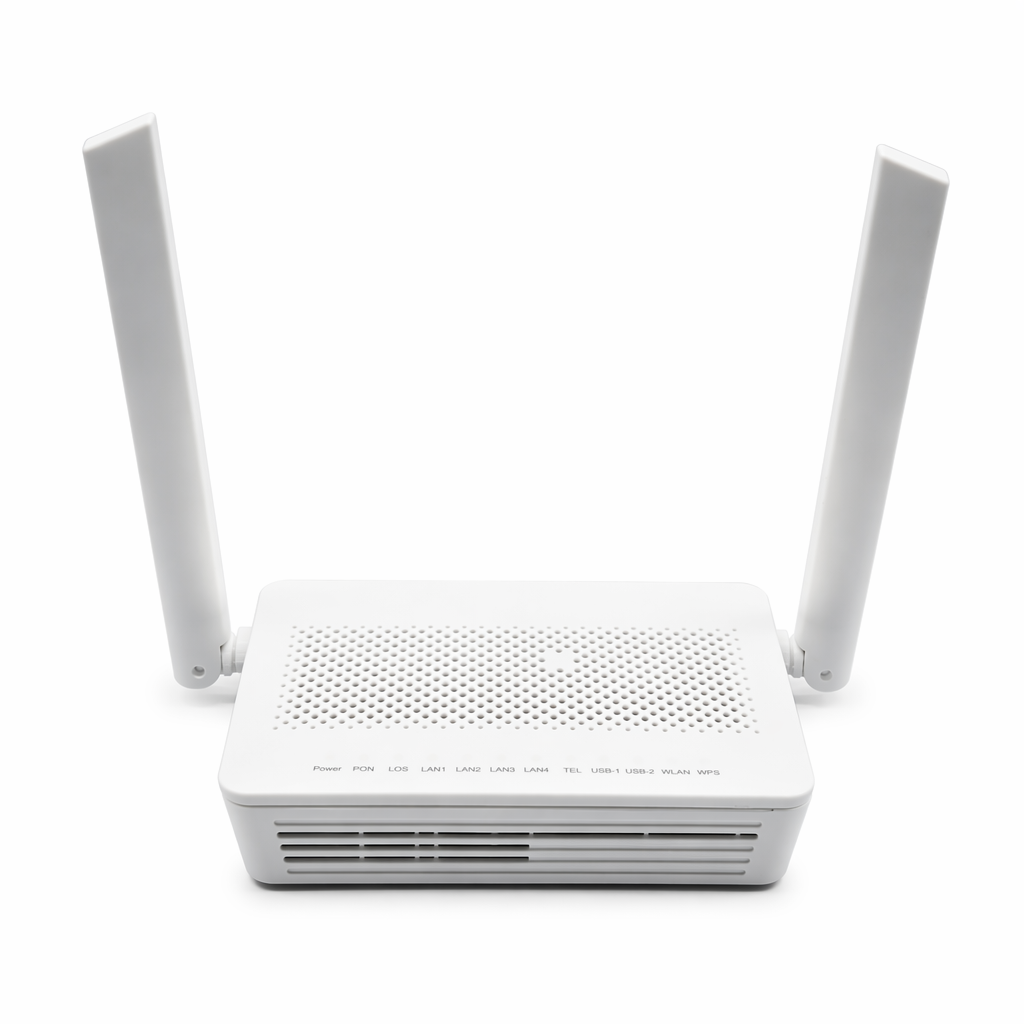
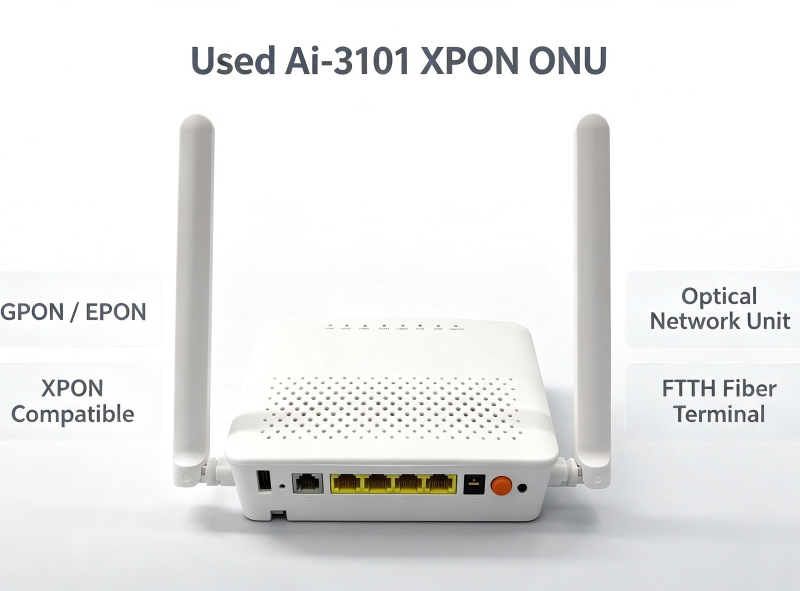
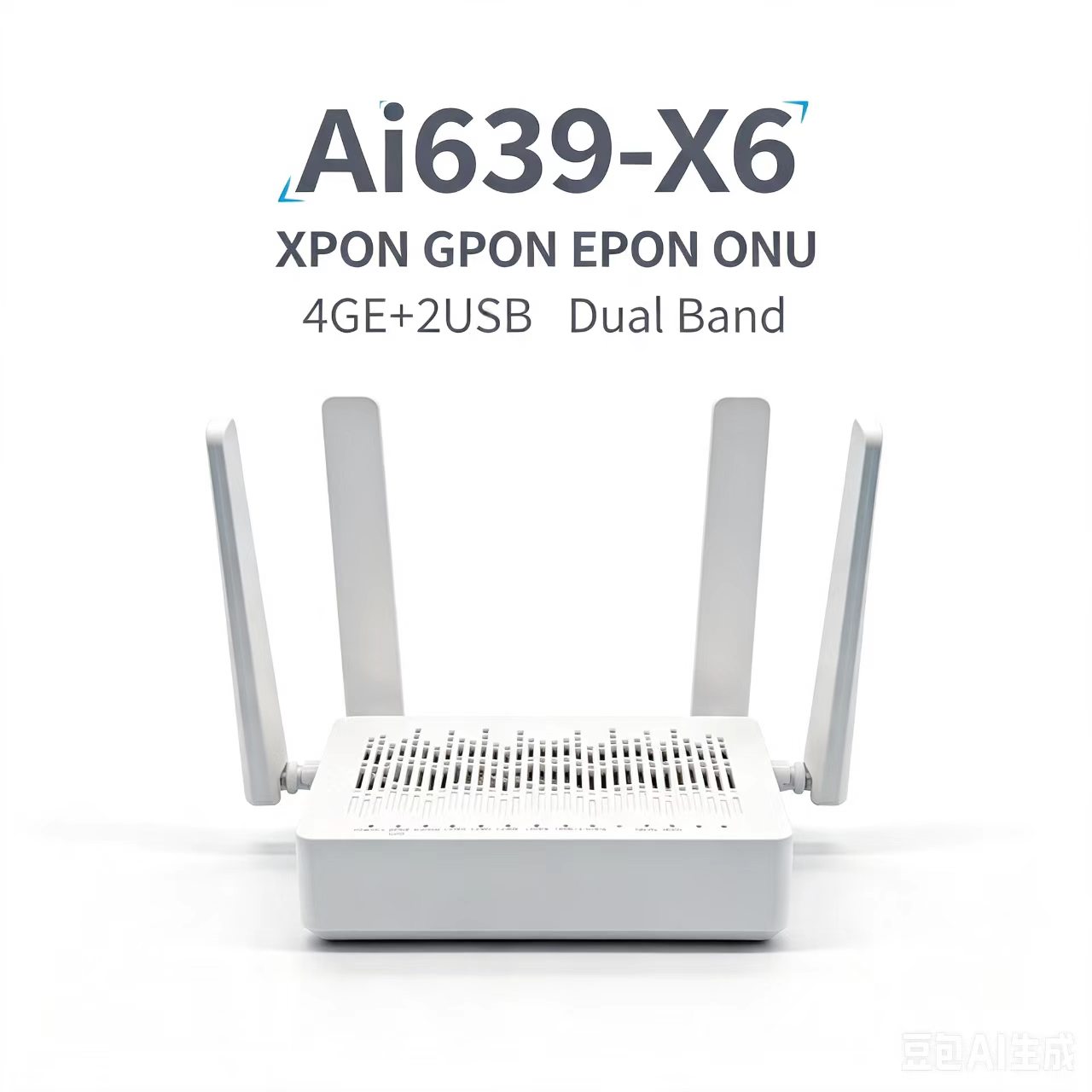
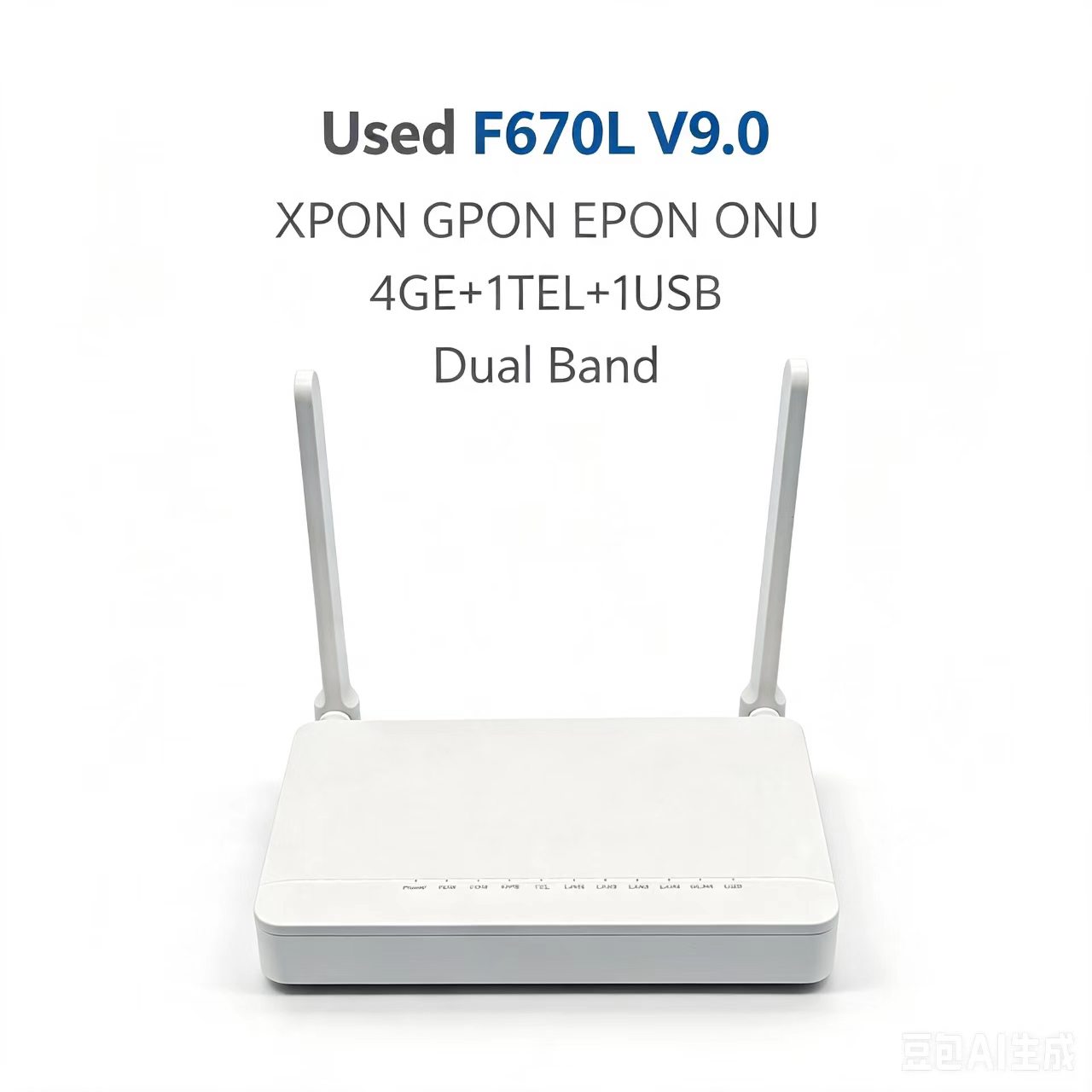
ONT / ONU (Optical Network Terminal / Unit): The user-side device installed at the customer's home or building. It terminates the fiber, converts the optical signal back into electrical form, and delivers internet, voice, and IPTV through Ethernet or Wi-Fi. (In AIUO Fiber's product line, the ONT/ONU routers are the customer-premises counterpart to the OLT at the network edge.)
In short, the OLT orchestrates the network from the center, while the ONT brings fiber service into the home. Together, they form the complete last-mile fiber link.
OLT vs Router
Another frequent question is how an OLT differs from a router. Although both handle network traffic, their roles are distinct:
Router: Forwards packets between different IP networks, performs NAT, and manages local addressing (typically within a single home or office). A home router usually has one WAN port and a few LAN ports.
OLT: Operates at the optical layer of a carrier network and manages an entire PON segment serving hundreds of subscribers. It does not replace a customer's home router; rather, the home router (or ONT with routing functions) connects downstream of the ONT, which itself is served by the OLT. In the network hierarchy, the OLT sits far above a consumer router — closer to the ISP's core infrastructure.
Common OLT Standards: GPON, EPON, and XGS-PON
OLTs are built around standardized PON technologies, each offering different bandwidth profiles:
EPON (IEEE 802.3ah): Ethernet-based PON delivering up to 1.25 Gbps symmetric. Widely deployed in earlier FTTH networks, especially across parts of Asia.
GPON (ITU-T G.984): Provides 2.5 Gbps downstream and 1.25 Gbps upstream, with strong multicast and QoS support. It remains one of the most common global standards.
XGS-PON (ITU-T G.9807): Delivers symmetric 10 Gbps, addressing the growing demand for multi-gigabit residential and enterprise services. Many modern OLTs support combo or concurrent modes, running GPON and XGS-PON over the same fiber to protect existing subscriber investments during upgrades.
Conclusion
The OLT may sit out of sight in a cabinet or central office, but it is the quiet workhorse that makes modern fiber broadband possible. By aggregating thousands of subscribers onto a shared passive optical infrastructure, it delivers the scalability and efficiency that FTTH networks depend on. Understanding how an OLT works — and how it pairs with ONTs and differs from ordinary routers — is essential for anyone planning, deploying, or supporting fiber access networks.