




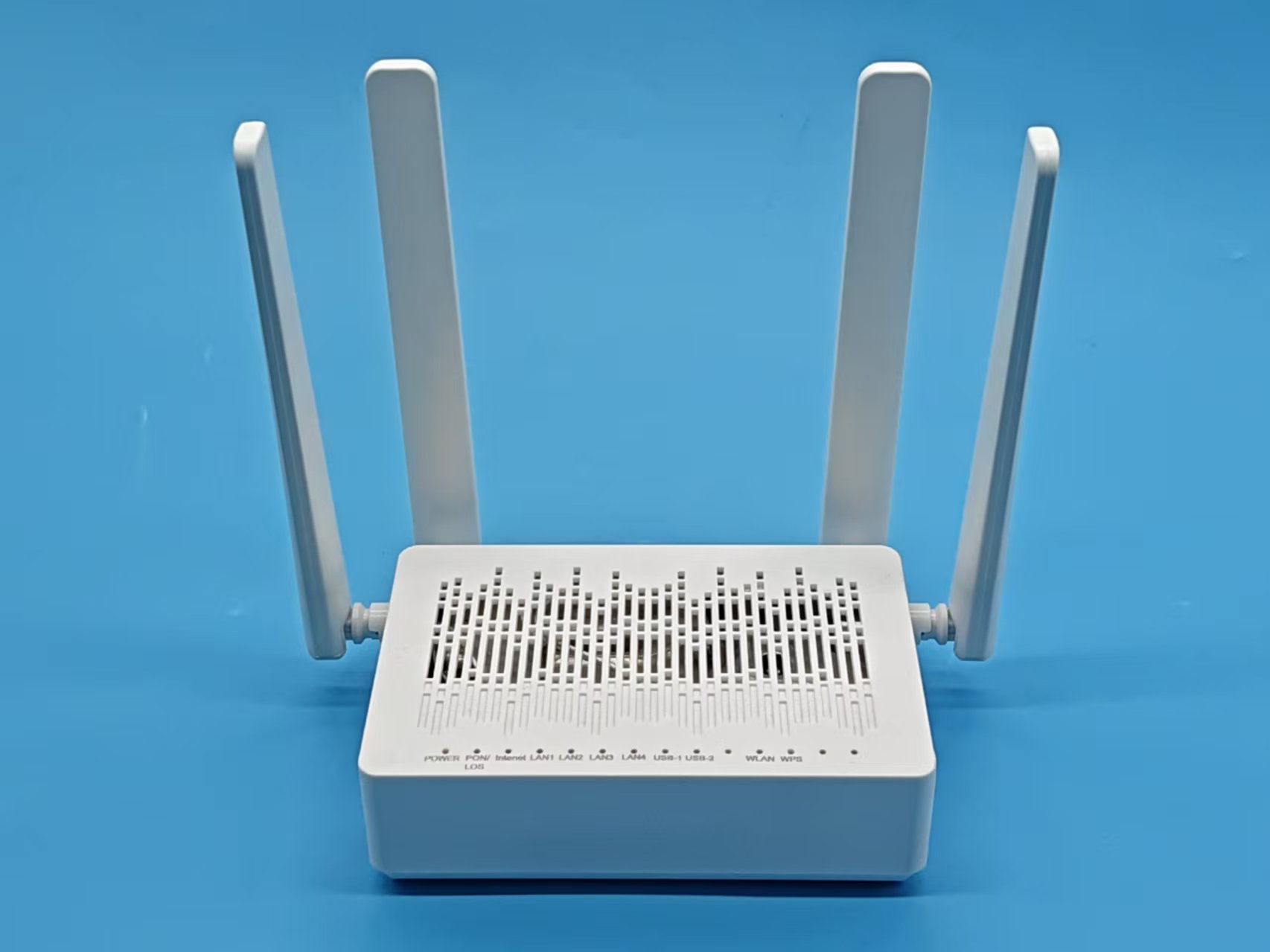
How Smart Home Technology Is Driving the Growth of FTTH Networks
Understanding the Link: The Rise of Smart Homes and FTTH Networks
It’s likely that you have experienced some issues with your video doorbell, security feed, or smart lights at some point; the fear of lagging or being cut out has never left anyone alone. FTTH is a connection type where fiber optic cabling is used to bring the internet directly into one’s house. This technology is groundbreaking when compared to copper cables or DSL internet. With the help of FTTH technology at home, people are able to conduct many activities without problems, like streaming films in 4K, working from home or having their entire house connected.
Why FTTH Is a Game-Changer for Smart Homes
To be frank, smart homes are data-hungry devices. From smart fridges that share their news, security cams showing you HD video via cloud, to voice assistants that process things in real-time, the data usage is impressive. For this reason, having a smart home FTTH network is already mandatory for any smart homeowner.
What is good about the idea of fiber-to-the-home is that fiber optic technology is able to supply similar upload and download speed. That means that the time it takes uploading your recordings is the same as the time it takes downloading your films. In contrast to the previous techniques of connecting to the internet fiber technology operates well even when there are no blocks, no disruptions, and even when the weather is bad. Fiber connection is able to support your appliances and devices working simultaneously keeping its initial speed.
Bandwidth and Speed: Meeting the Demands of Today’s Smart Homes
No longer are times when the “minimum” internet was enough. Smart home devices have multiplied in number by 2024. These devices have an elevated demand for your bandwidth. For example, a typical 4K security camera requires around 20 Mbps. Couple this with other devices, such as smart TVs and voice assistants, and you will realize that older technologies cannot support the demand of modern society.
Property owners are looking for faster home Internet alternatives that go beyond just getting on the Internet. They need no buffering, no lagging, and enough "headroom" for further upgrades. FTTH provides that feature. Imagine having a fast connection that allows you to do everything: video calls, film streaming, computer games, and using a dozen intelligent devices at the same time. Your connection will be there when you need it. This is why FTTH is such a good solution for anyone who is thinking about upgrading their house with a new technology.
FTTH and Multiple Devices: No More Bottlenecks
It is true that almost every home now has more connected devices than ever before, for instance, phones, tablets, desktops, thermostats, cameras, smart locks, kitchen tools, among others! It isn't easy to manage so many devices and an outdated broadband service might not be able to cope, resulting in frustrating slow or even interrupted connections. The best thing about FTTH technological networks is the fact that this type of network is able to manage this traffic without delay.
FTTH brings you symmetrical speeds. This denotes that uploads are as fast as downloads and instantaneous lag (latency) is gone. This implies that response to voice machines occurs immediately, security warnings are delivered without delay, and appliances synchronized with the cloud stay operation, regardless of whether you upload security video, listen to music telecasting throughout the room, or upload data to the cloud.
Consequently, as people turn their home into an automated reflection of their personality, things around the house are becoming more sophisticated than ever before, thanks to developments such as artificial intelligence, advanced automation, and voice control elements. All of these technologies depend on networks that offer blazing speed, that are always in operation, and that prove flexible as the family adopts more new equipment. Hence, FTTH is becoming the best solution for those looking for smart home technologies.
WiFi 6 in the Smart Home: Making the Most of Your FTTH Connection
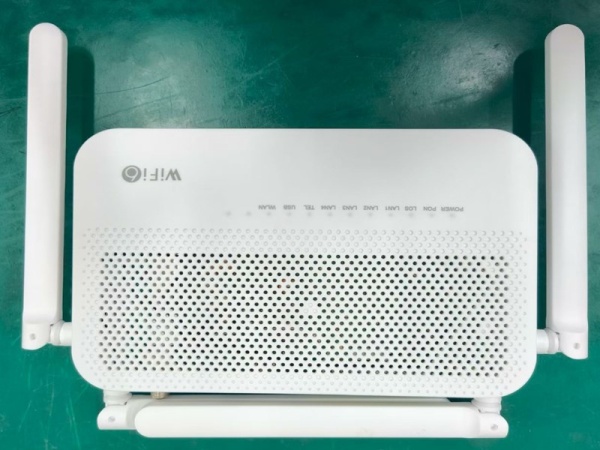
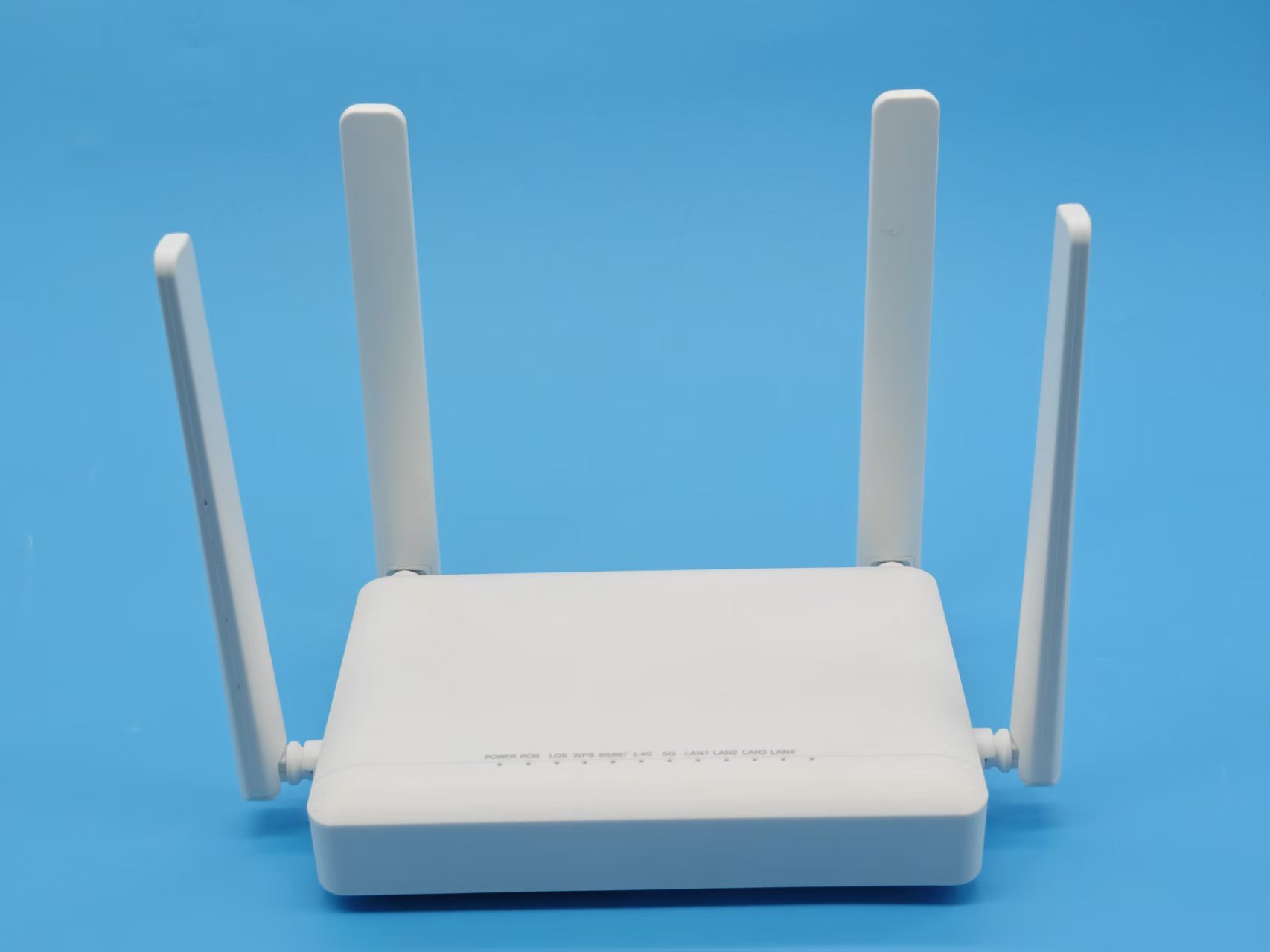
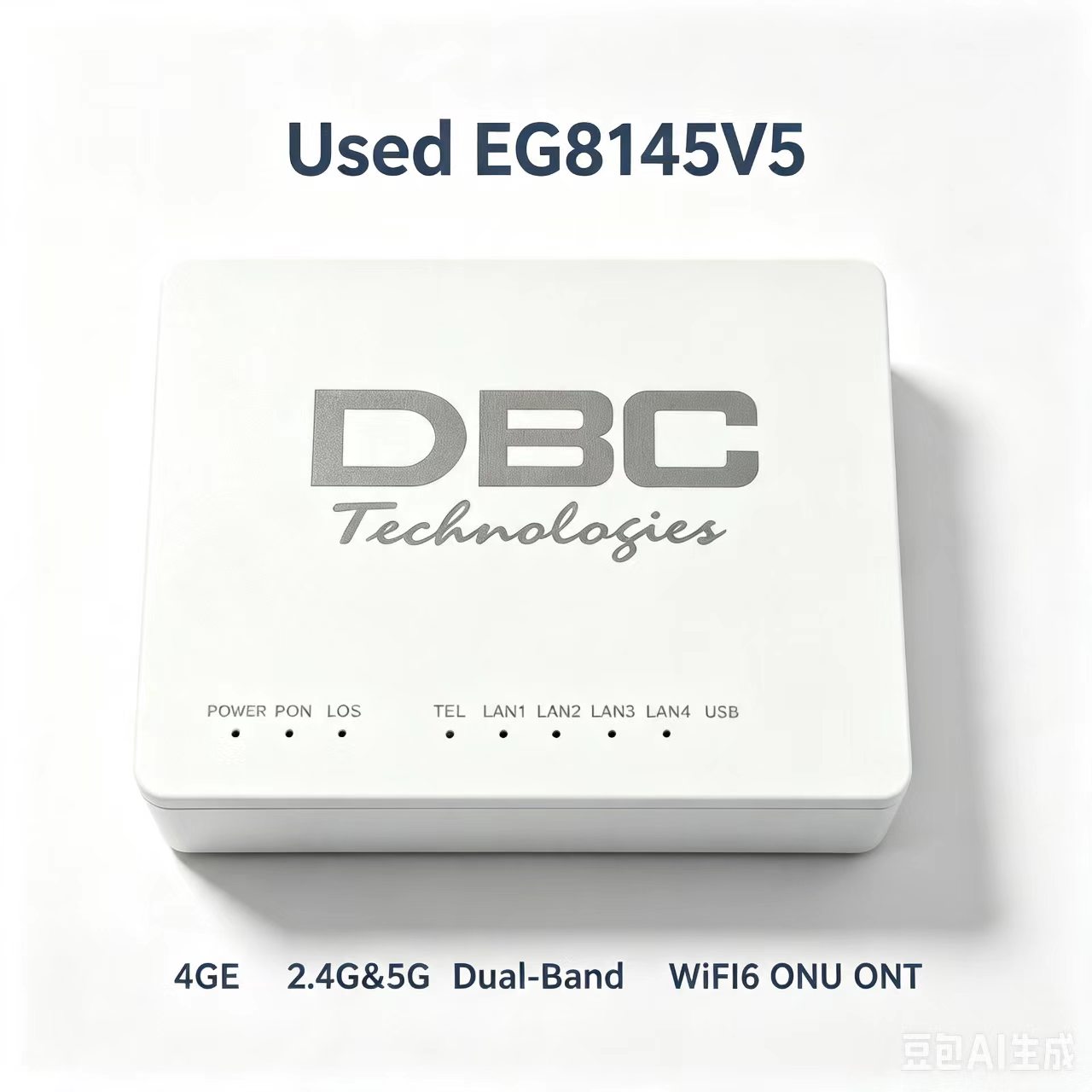
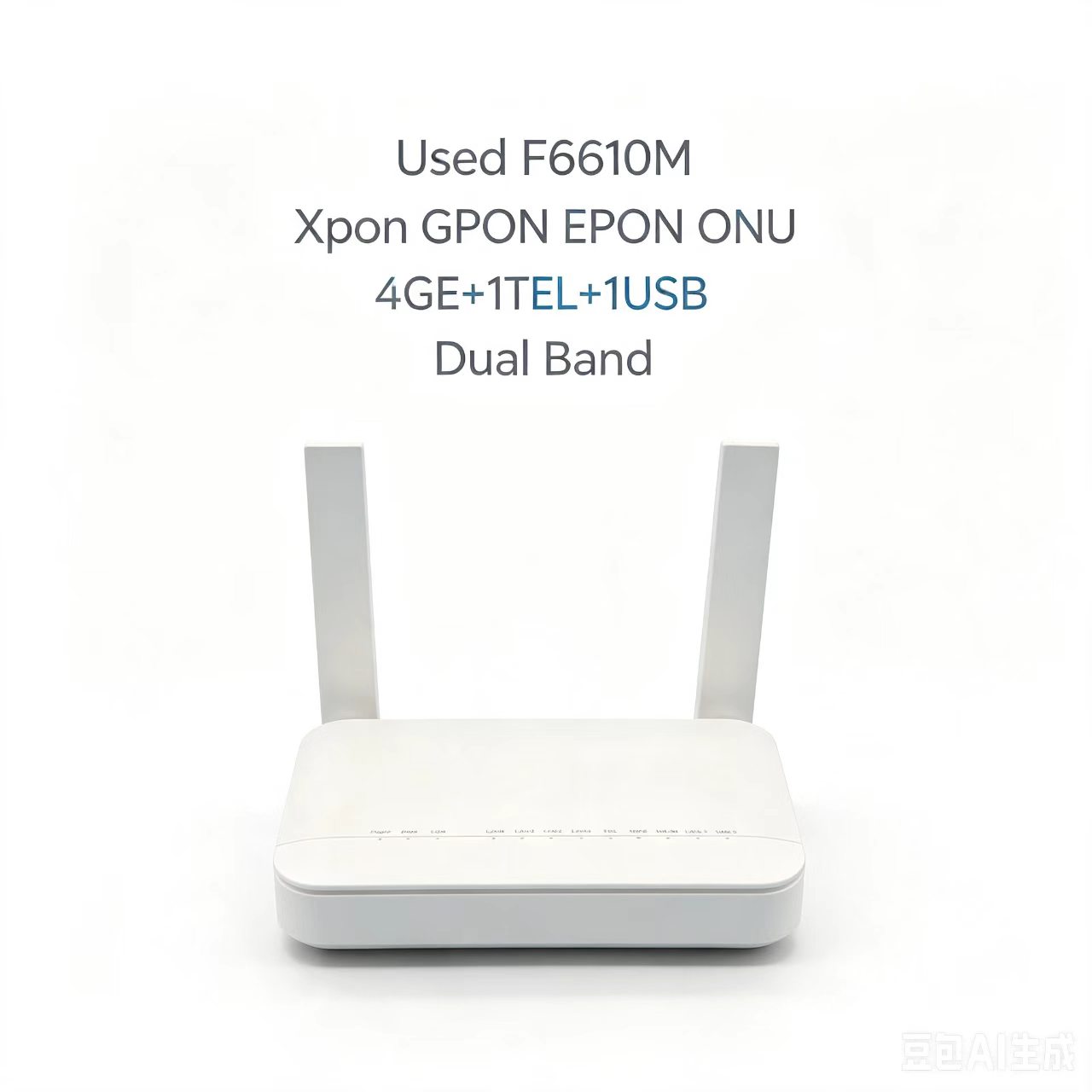
You have fast FTTH internet coming to your home. But how does it reach different parts of the house and the various devices? The answer is WiFi 6, the latest technology in wireless internet standards for homes.
WiFi 6 is tailored for the connected lifestyle of the current generation. It allows the simultaneous connection of multiple devices, heavy streaming, eliminates conflicts, and provides good signals for difficult rooms. Combining WiFi 6 with an FTTH network provides the user with the guarantee that they are ready for the future. Your children will be playing games upstairs, you will be doing your Zoom calls downstairs, your spouse will be watching sports in the other room, and none of the electronic devices will experience interruptions or slow down during the process.
When you combine WiFi 6 with the FTTH service, you have a perfect combination. Fibre is the technology that is responsible for high-speed internet, while WiFi 6 provides internet access for all the devices connected to it. Therefore, it makes sense for you to invest in both technologies if you wish to get the maximum out of your devices.
FTTH vs. Other Internet Types: Why Fiber Wins for Smart Homes
It's easy to continue using DSL or cable services since they are already known technologies. However, devices found in smart houses need advanced network technologies since traditional systems are not capable enough to handle their needs. Traditional telecom cables tend to get slower over distance, be influenced by external factors, as well as suffer from the overload of users.
A residential fiber network allows you to avoid those issues. There’s no decrease in speeds with distance, no signal loss and very little drop in performance. Also, fiber is not vulnerable to electrical interference and can grow massively in the future. That is why neighborhoods, apartment blocks, and new housing projects use fiber on a large scale.
It’s not all about speed, but also about dependability and peace of mind. As smart devices continue to develop and crave more and more bandwidth, FTTH comes up to the task and prepares your house not just for the present day but for anything that follows as well.
Future Trends: Smart Homes Shaping FTTH Growth
Smart homes are quickly becoming a reality. From the implementation of AI-powered security systems and energy-efficient equipment, we will only need more powerful Internet connections. Edge computing, automation, distance medicine, augmented reality, and many other advancements are about to land.
Telecom companies are also working hard to extend their fiber network by launching various gigabit plans. Those houses that have “fiber ready” properties have gained popularity, as buyers treat FTTH as a top priority for their homes.
At the same time, governments all over the world are creating conditions for launching fiber optic networks that will connect everyone, from remote settlements to urban centers, to fast and reliable internet. FTTH will play a key role in smart living.
FAQ: All About Smart Home FTTH Networks
Why is FTTH important for smart home applications?Fiber-to-the-home provides the necessary speed as well as consistency, which is required to operate numerous smart devices simultaneously without experiencing downtimes. Hence, you will not have to upgrade your connection whenever you purchase a new device.
How does fiber internet support smart home devices?Fiber internet offers fast download and upload speeds which can support even the most demanding of devices, (for example, smart vacuum cleaners and surveillance cameras) allowing your smart house to function flawlessly and efficiently.
What broadband speed is needed for a smart home?For someone who possesses several smart devices, 100 Mbps might suffice. However, for those who want to fully implement advanced technology, several security cameras, gaming, streaming and many smart appliances in their home, reaching 500 Mbps, as well as gigabit packages for easy upgrades is the best choice.
Can FTTH handle lots of devices running at the same time?Indeed! FTTH is capable of managing hundreds of connected devices without sacrificing performance so anyone in the house can work with no problems.
Why are fiber networks considered the best for smart homes?Fiber networks offer the quickest speeds, lowest latencies, and the most dependable connections. This system is also regarded as 'future-proof', as it has the capacity to keep up with developing technologies to ensure that your household remains modern.
How does WiFi 6 help with smart home performance?With WiFi 6 technology, you can connect to more devices, obtain higher speeds, and experience fewer bottlenecking issues. When paired with fiber-to-the-home technology, you can ensure that even high-tech homes remain speedy.
Is FTTH installation disruptive, and does it work in older houses?FTTH installation traditionally requires bringing a fiber line into your house, which can last a couple of hours to a day. If your neighborhood allows it, even older houses could be fitted with FTTH. After all is done, prepare for a big difference!
Can FTTH improve home security and automation?Absolutely. The high capacity as well as reliable connection of FTTH gives you the guarantee that recording from your surveillance cameras takes place without interruption, alerts are delivered to you in real time, and all procedures are automated effectively. This is your guaranteed peace of mind.
What should I ask my provider before choosing FTTH for my smart home?Inquire about their top speeds, if symmetrical upload/download is provided, data limit on usage, installation fee, equipment to be provided, and if their support covers troubleshooting smart home issues.
Tips for Upgrading to a Smart Home FTTH Network
Ready to bring your smart home dreams to life with FTTH? Here are some things to consider:
- Check if FTTH service is available in your neighborhood—coverage is growing fast!
- Map out the layout of your home network: What areas will your router and WiFi mesh extenders be placed in? Be sure to include all areas of the house.
- Pick a quality WiFi 6 router to handle a house full of devices without slowing down.
- Consider smart home hubs and gadgets that are compatible with high-speed, fiber-backed connections.
- When looking for a new home, you should keep an eye out for properties with built-in FTTH, as this feature will increase the property’s resale price!
Switching to FTTH gives you an edge, since it provides you with the height of comfort, convenience, and security in your home.
Looking Ahead: FTTH as the Backbone of Next-Gen Smart Homes
The rise of the smart home is not just a fad; it has become the standard way of living. Nowadays, everything is becoming digital. For example, people are working from home, watching videos online, and living in the cloud. In such a scenario, the necessity of having a smart home FTTH network is understood. In this way, it will be possible to connect all electronics, apply security measures, and enjoy good internet connection.
The world advances rapidly, so having fiber optic internet at home positions you well for future developments in technology. Not only does FTTH connectivity make your smart devices easy to operate, but it also keeps your family satisfied and increases your property’s worth. If you want to construct or upgrade your home with the latest innovations in mind, there’s no better choice than fiber optic technology.
To conclude, fiber broadband and smart homes complement each other perfectly. The available fiber and internet connection enables smooth data operations, which are essential for the smart homes of the present and the future. FTTH is an ideal decision for smart homeowners because it is capable of supporting numerous gadgets and upgrades. So, if you are at the beginning of anything smart home-related or you are ready to invest in upgrades, FTTH is one of the best options you have.