




HGU ONU vs SFU ONU: Which One Suits Different FTTH Service Scenarios
What is Home Gateway Unit ONU? Introduction
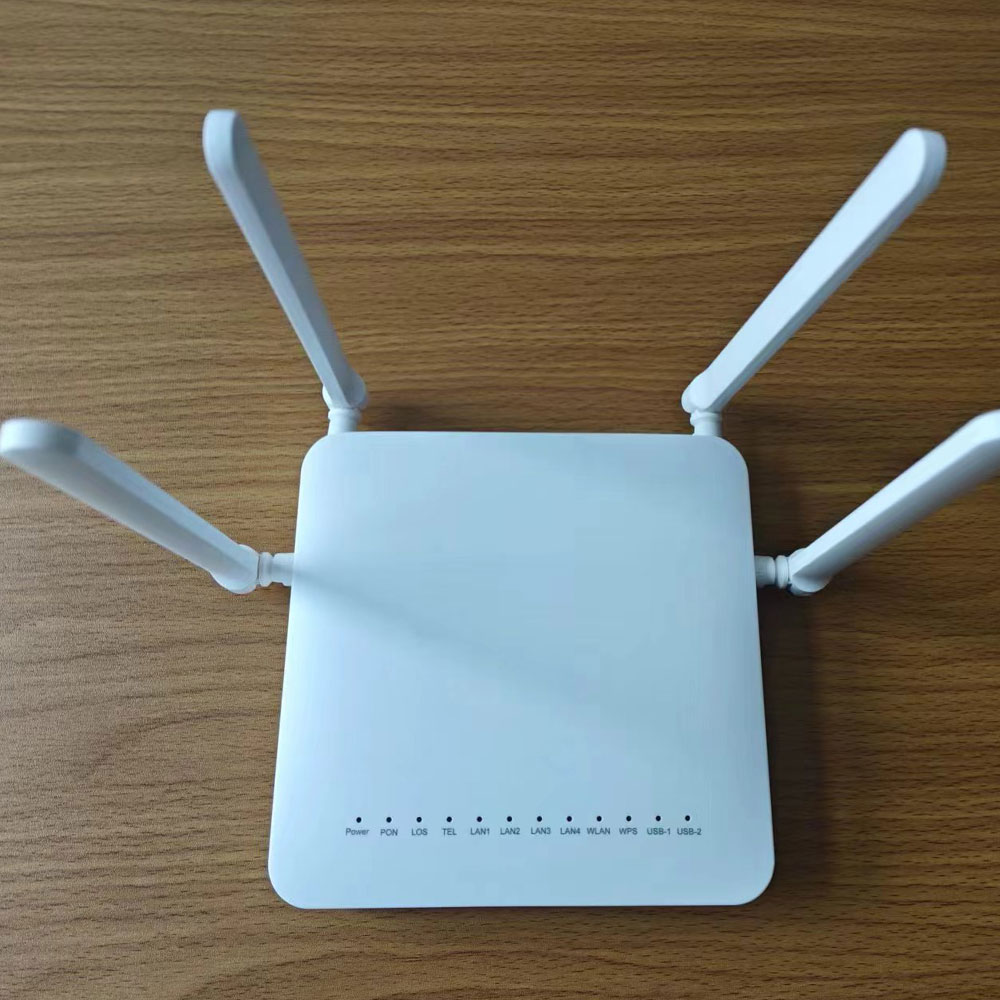
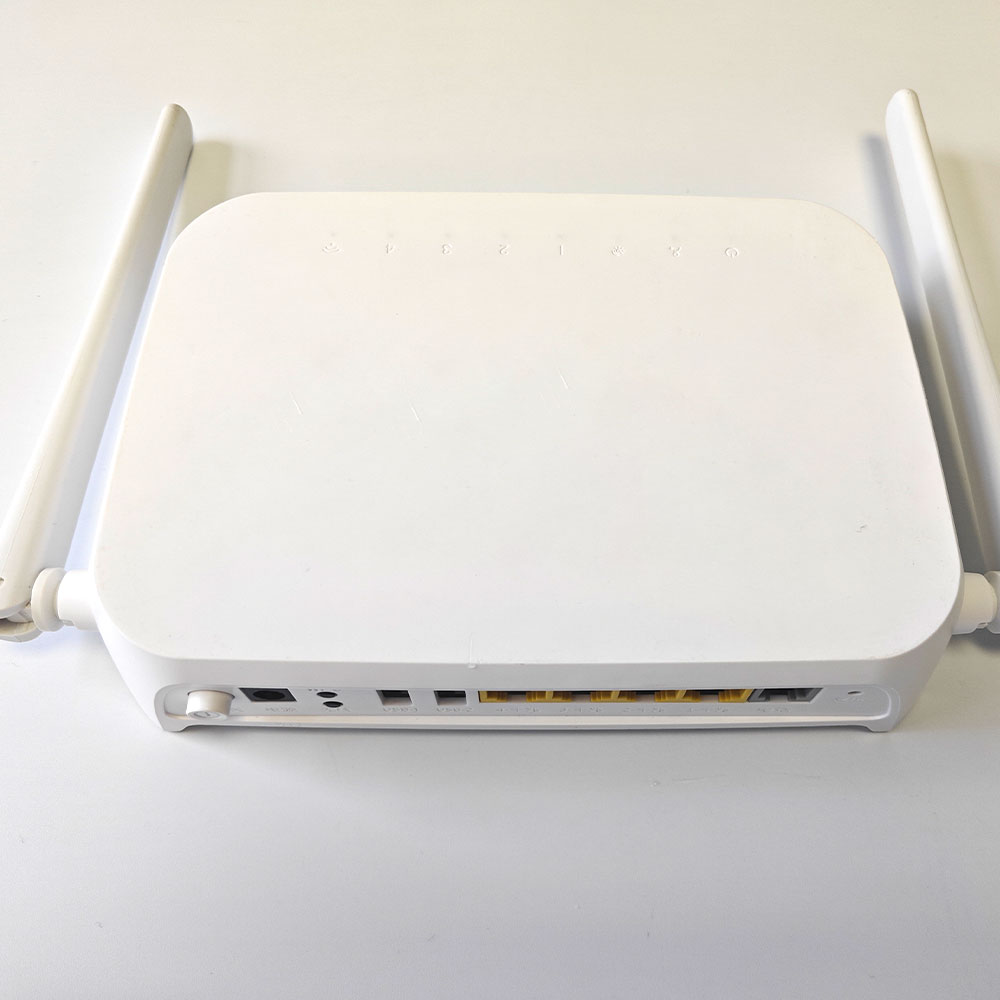
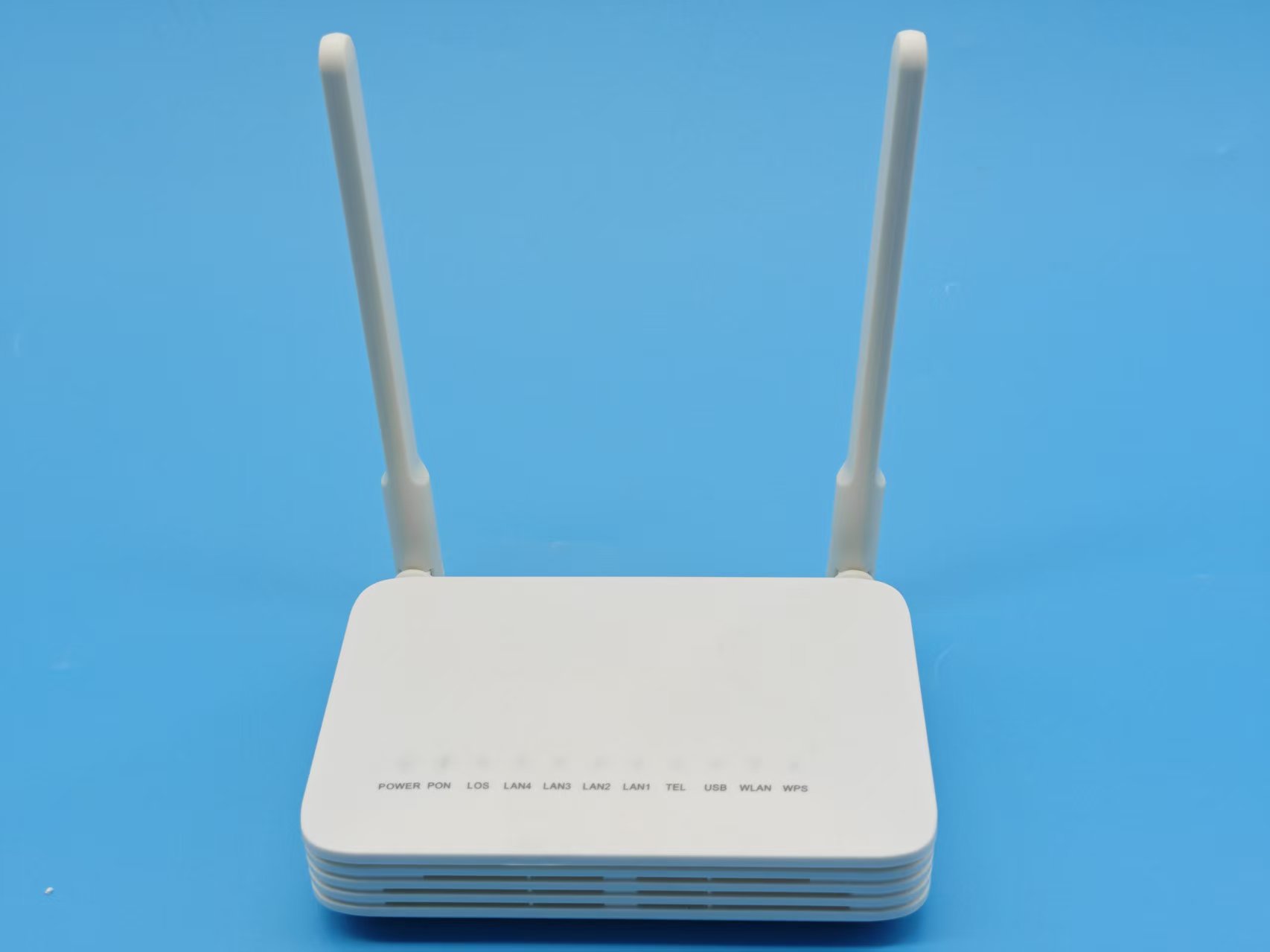
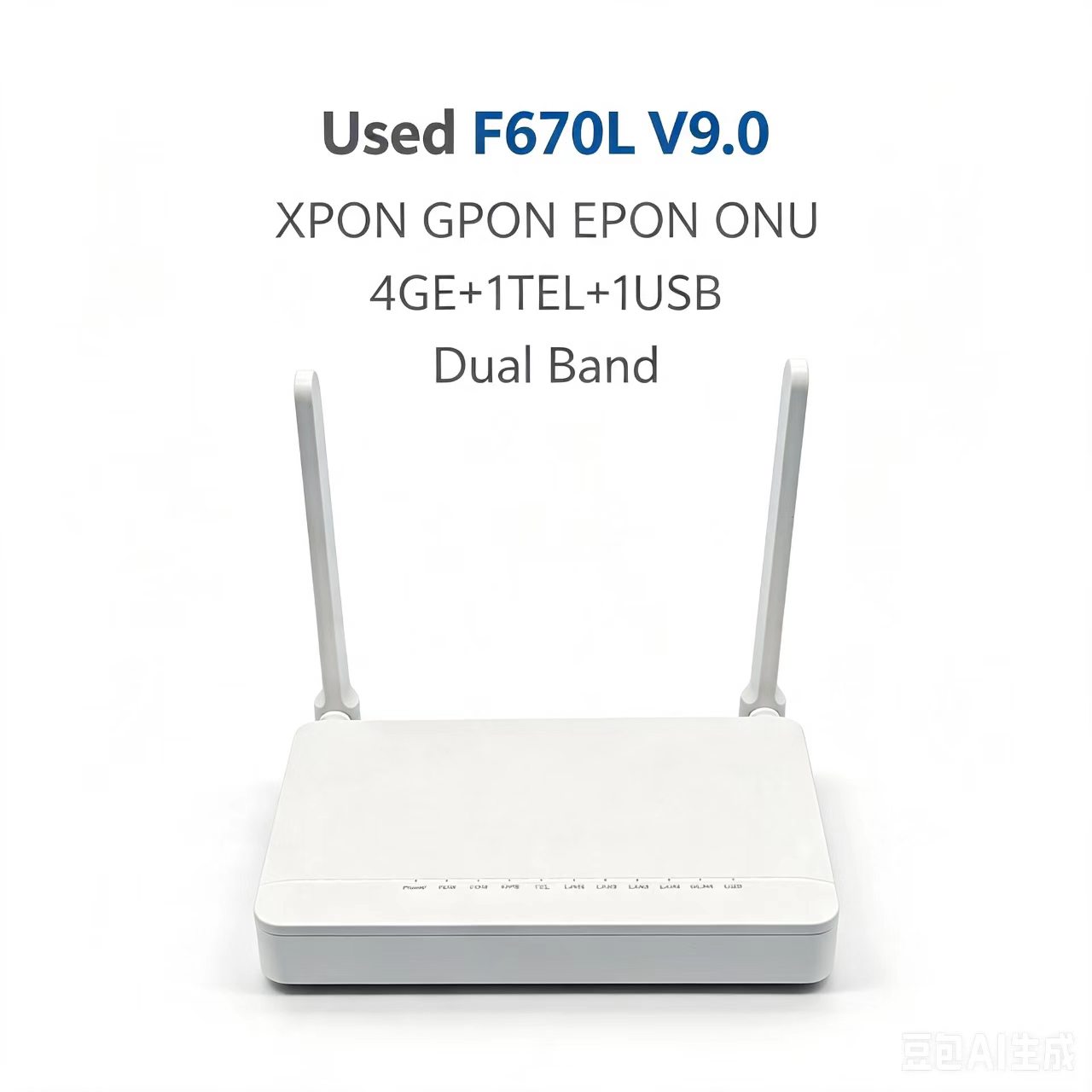
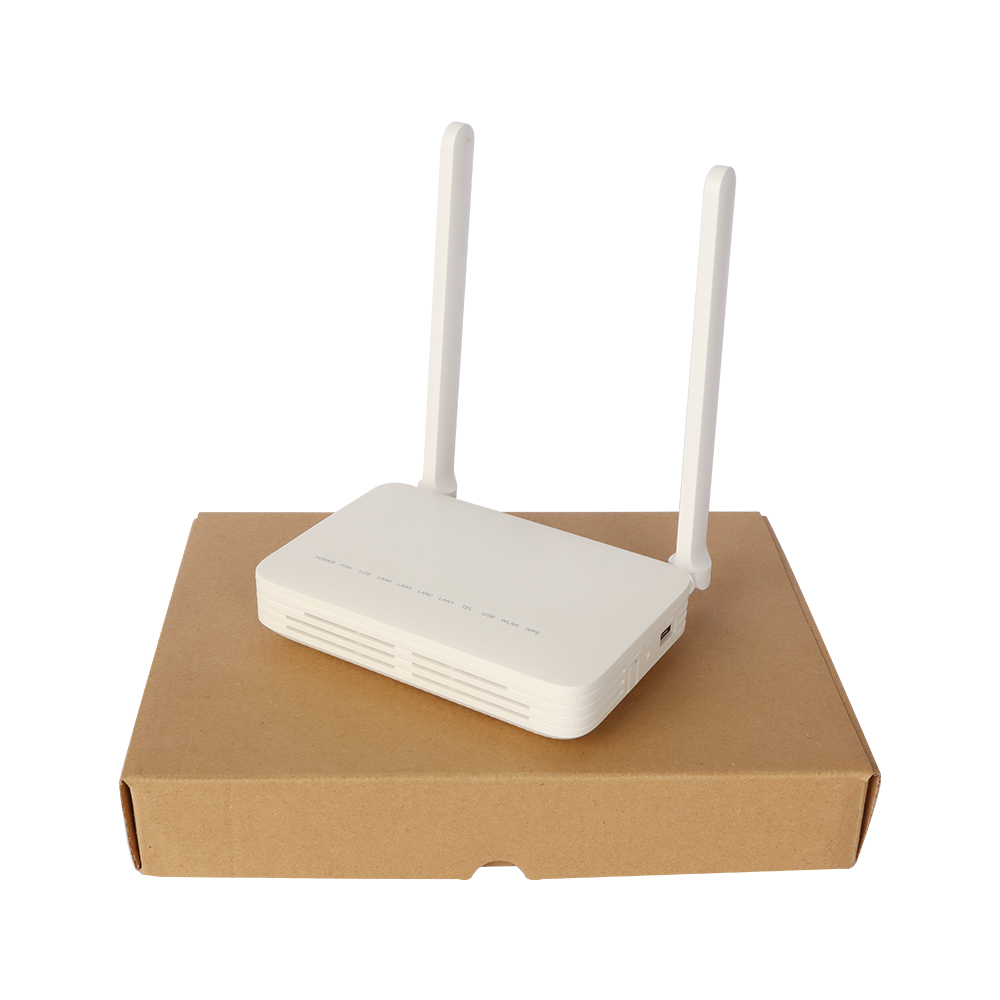
The HGU ONU or Home Gateway Unit Optical Network Unit is an updated version of ONU designed as a complete intelligent gateway for FTTH applications. It possesses a range of functionalities including routing, switching, wireless points, and sometimes, VoIP making the use of hardware easier and the management of devices in homes more efficient.
Characteristics of a Regular HGU ONU
The usual features available in a typical HGU ONU model includes:
- Layer-3 or Layer-2 routing functionality;
- Supports Wi-Fi connectivity (dual-band or even Wi-Fi 6 for latest devices);
- Includes multiple LAN ports to connect wired devices;
- VoIP or POTS ports for telecommunication purposes;
- Equipped with firewall and NAT capabilities.
These devices are capable of handling the demands of connected home environment, in other words smart TVs, security cameras, tablets, gaming devices, etc.
Understanding the concept of SFU ONU
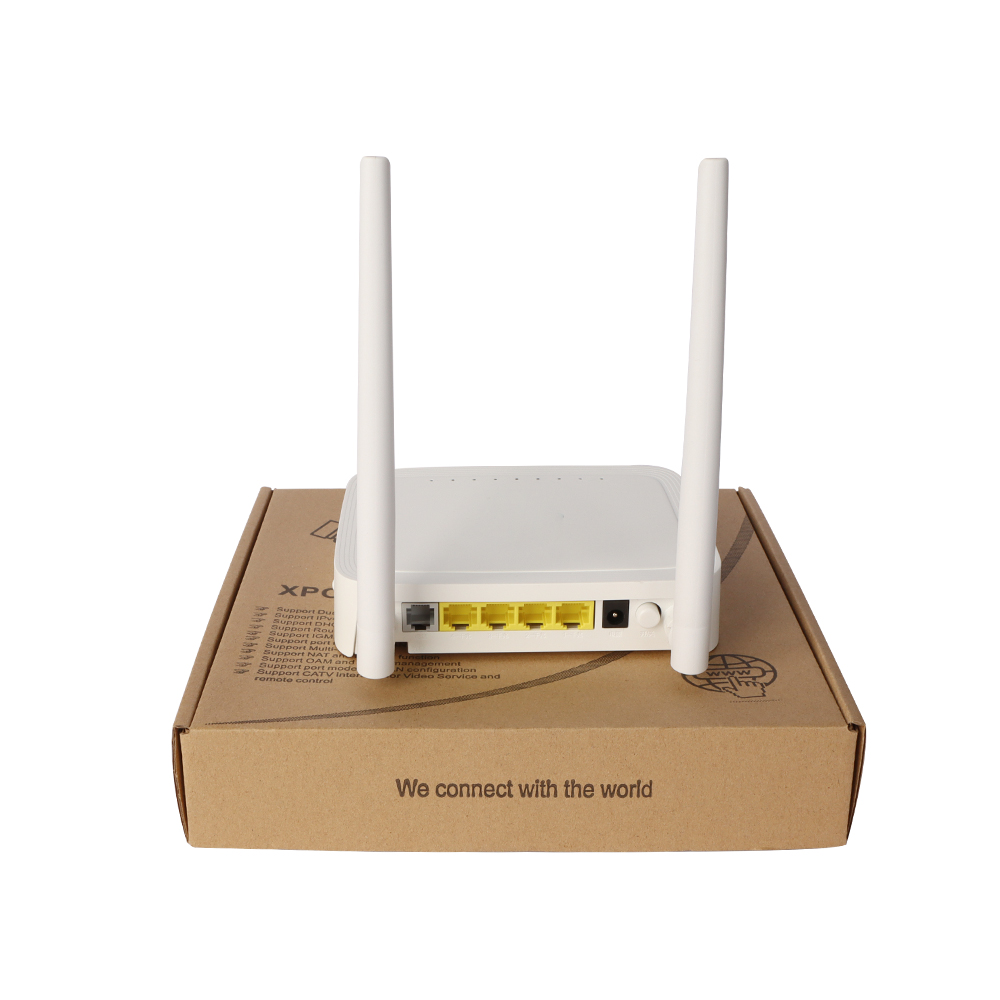
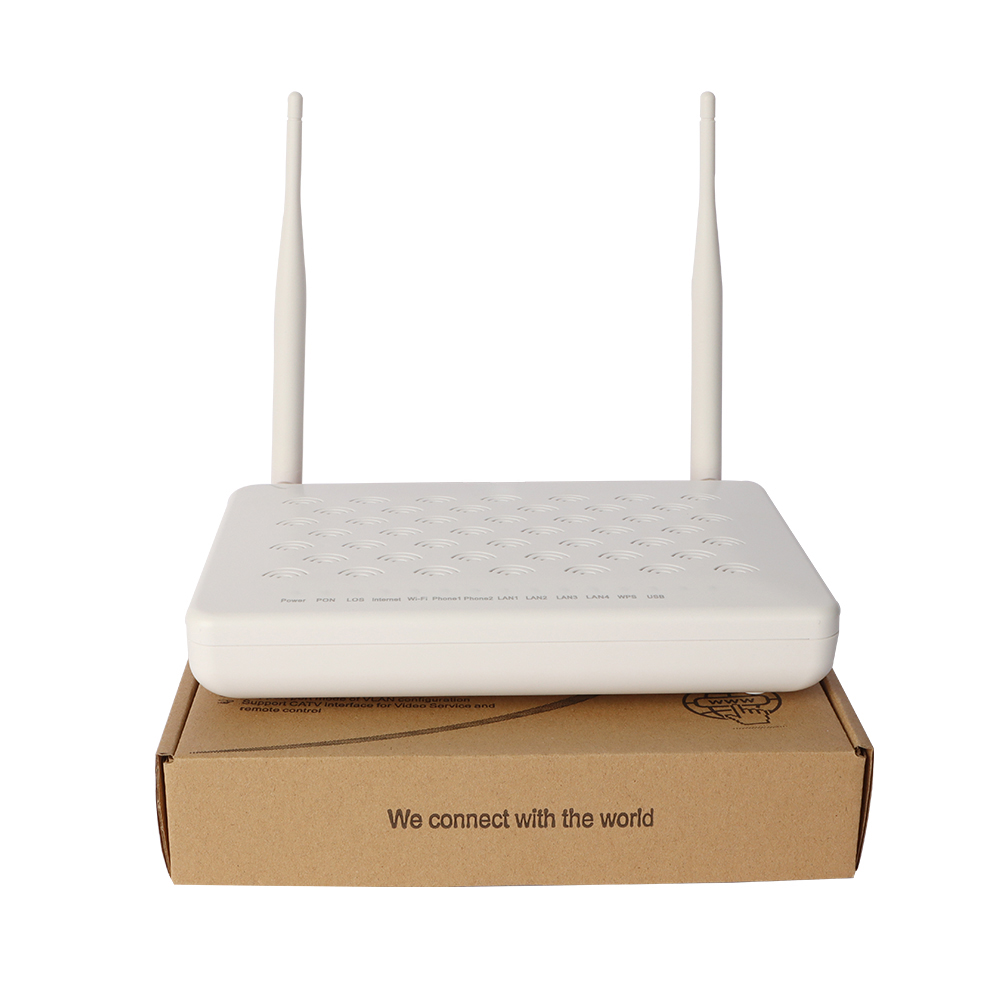
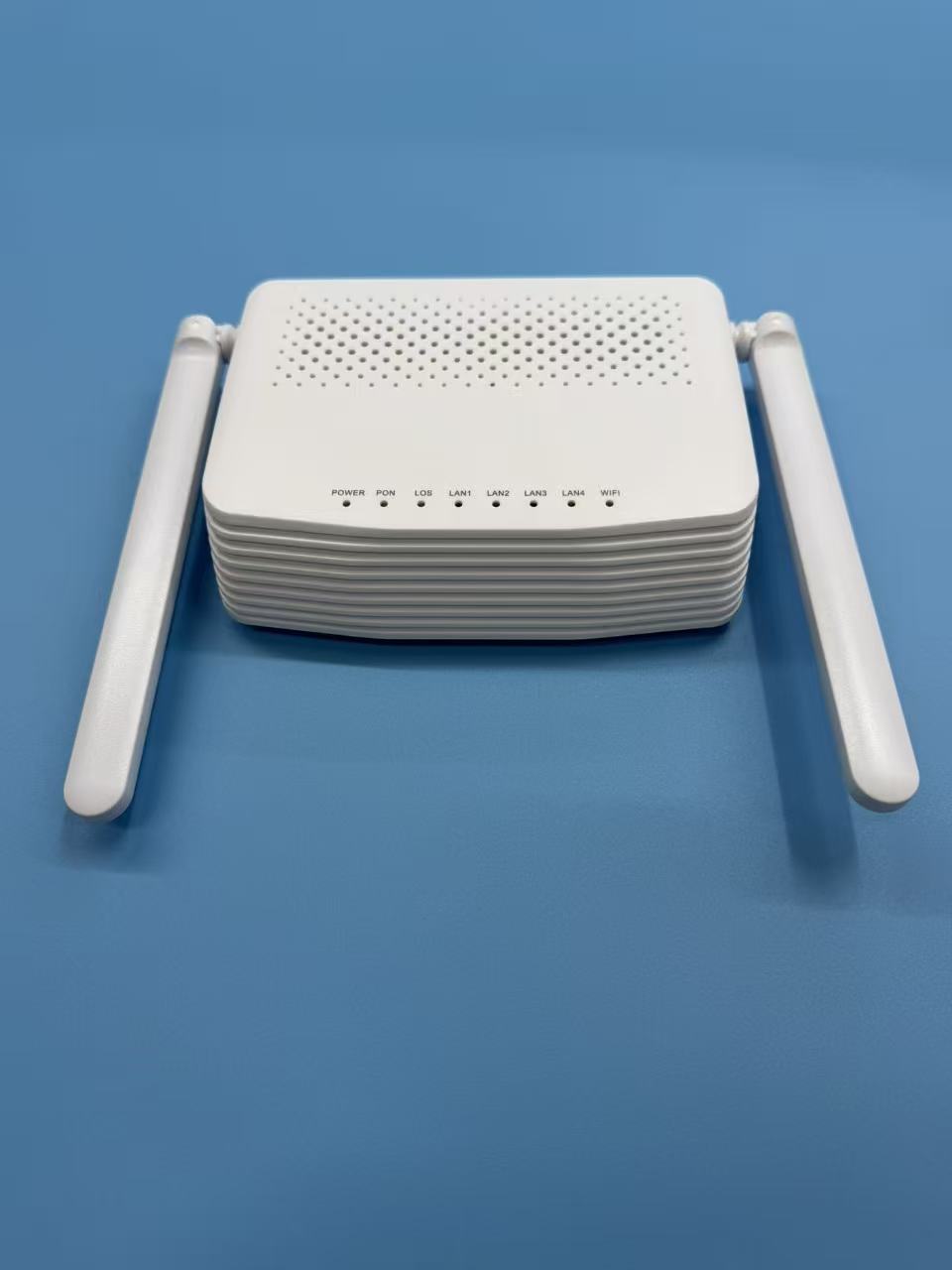
SFU ONU or single family unit optical network unit is a streamlined form of ONU. The end goal of the SFU ONU is to provide basic Layer 2 support, it acts simply as a media converter that connects optical fiber provided by OLT to Ethernet devices located in the customer premises.
A standard SFU ONU model has the following typical features:
- 1-4 GE or FE LAN ports
- Basic bridge mode
- No embedded routing or Wi-Fi functionality
- Simple plug-and-play functionality.
The basic function of SFU ONU is to act as a Transparent CPE. The SFU ONU hands over the network administration responsibilities to a router or an external device situated on the customer’s side. Its simplicity, dependability and low cost make it popular in cases like dormitories, hotels or apartment complexes etc.
Differences Between HGU ONU and SFU ONU
The main difference between HGU ONU and SFU ONU is in the level of complexity, target audience and scenarios for FTTH broadband deployment. Here can be found some key features that distinguish both types of ONU:
Features and Functions: HGU ONUs provide superior functionalities such as firewall and NAT capabilities, wireless access, and sometimes integrate smart home features as well, making them ideal for today’s “smart home” systems. In contrast, SFU ONUs help only connect the optical network to ethernet, thus, foregoing the other features in favor of simplicity and lower costs.
Scope of Users: HGU ONUs serve individual households, SOHO (small office/home office), and small businesses where users want to have a single point of connectivity instead of multiple devices. On the contrary, SFU ONUs suit best for hotels and multi-dwelling units or other cases where routing and network management are performed in a centralized manner.
Deployment Complexity: HGU ONUs due to their abundant features ease installation for single-family homes but can be considered too complex for applications having multiple managed units. As for SFU ONUs, Internet service providers can make use of carrier-class routers or switches in more complicated deployments of multi-user installations.
Cost and Power Consumption: In general, HGU ONUs require higher investment and consume more power than their SFU counterparts because they offer more features.
Management and Updates: Often, remote management, auto-provisioning, and firmware in HGU ONUs are more sophisticated than in SFU ONUs which prefer a minimalist management approach.
Knowing all these aspects is essential in selecting the right type of ONU for your particular FTTH case.
Application Scenarios for HGU ONU in FTTH Networks
Choosing between an HGU ONU and an SFU ONU is primarily a function of matching the technology to your deployment requirements. Below is a discussion of the most appropriate cases for using HGU ONU technology in FTTH networks:
Home FTTH Installations: In the current home, users expect not only Internet connectivity but also integrated Wi-Fi, telephony, parental controls, and smart home capabilities. HGU ONUs bring together all these functions into one small box. With HGU ONUs, ISPs can make the process of installation easy and without the need for a lot of technician presence, enabling remote support and the provision of value-added services through Internet protocols
SOHO and Small Enterprises: Small offices and home businesses often have the need for special networking capabilities like VLAN support, dynamic/static routing, and integrated Wi-Fi connectivity. HGU ONUs simplify the architecture by having all features included in a single solution, thus lowering the expenses for support and operation.
Smart Home Integration: With the growing popularity of IoT and home automation, modern gateways need improved security features, multicast functionality, and capacity to connect multiple devices at the same time. HGU ONUs are ideal for functioning in the above-mentioned conditions due to advanced wireless capabilities, improved security, and quality of service.
Needs for Value-added Services: If your market is interested in services such as IPTV and VoIP, then an HGU ONU will ensure the necessary ports and service features needed for creating successful rollouts.
Application of SFU ONU in FTTH
Although HGU ONUs are primarily used in use cases at home or for personal purposes, there are a number of situations when SFU ONUs would prove to be much more efficient.
Multi-Unit Dwellings (MDUs), Hotel and Campus: In places such as apartment complexes, hotels, or university campuses where a central router/switch controls the procedure, SFU ONUs can easily be mulled over as the solution for every apartment. The deployment of an SFU ONU in these cases is very economical and require little maintenance efforts at the end of each room. The management of network policies, user authentication, traffic shaping, or even IP distribution is performed at the aggregation layer, allowing for a perfect network management system.
Enterprise and Wholesale Deployments: When carrying out FTTH enterprise or wholesale projects when the network has to adhere to specific corporate or organizational policies, SFU ONUs help avoid users trying to change the service or actually do anything with the network.
Traditional Equipment or Specific Routing Needs: When the organization has already installed powerful routers, firewalls, or captive portals, SFUs will only serve as media converters without leaving behind any chance for client devices to interfere in operations.
Cost Effective Projects: When the cost of deployment is considered to be the upper priority, SFU ONUs will make sure the access is provided at fractions of costs compared to the access done with HGUs.
Performance of HGU ONU vs SFU ONU: Throughput, Management and Reliability
Both HGU ONU and SFU ONU belong to the family of high efficient devices allowing the development of FTTH broadband, though they do differ in several respects. Throughput & Port Density: Most up-to-date HGU and SFU ONUs support Gigabit Ethernet transmission. If you wish to have several LAN ports along with Wi-Fi connection the preference is to opt for an HGU. This is due to SFU’s simple design, which enables getting one or two LAN ports only, which would work in simple deployments or when distribution of information is done by another device. Stability & Reliability: Though both types of devices are mature, SFU ONUs have low failure rates and points of failure that could be important in big or uncontrolled sites. Remote Management: HGU ONUs have good remote management system, which supports TR-069 auto-configuration, firmware update and telemetry. It is very beneficial for ISPs who try to lower costs of maintenance. SFUs have basic capabilities of remote management. FAQ about HGU ONU and SFU ONU. What is HGU ONU? HGU ONU can be defined as a fiber gateway for home. In simple terms, it is a device that has a function not only for getting connected to internet but also can act as a router, a phone line and sometimes a control for smart home. It provides easy setting and great functionality. What is SFU ONU? The SFU ONU is a simple device. The fiber signal is carried to your Ethernet devices without the use of Wi-Fi or a router. It’s great for people who own their router, or smaller hosting establishments like hotels or apartments.
When to go for HGU ONU during your FTTH deployments?
If you want high-speed internet from one device, the HGU ONU is the best choice. This device is an excellent for home users, small businesses, and anyone with a lot of smart devices in their home.
Is HGU ONU compatible with any ISP and OLT?
Yes! This device will work with practically all GPON and EPON ISPs. Still, it pays off to check with the provider or supplier.
Can SFU ONU work with my router?
Definitely! This is one of the greatest advantages. The SFU ONU passes the broadband signal directly, letting you use the company firewall or router seamlessly.
Can a HGU ONU work at homes or hotels?
Yes, but the SFU ONU is a better alternative in this scenario. It results in better savings due to the elimination of the need for multiple routers.
Is HGU ONU installation more tedious than in SFU ONU?
No! Both types of ONU are not too complex. However, the installation of HGU ONUs is more complicated because they are Wi-Fi compatible and loaded with features. In addition, although most of these devices can be installed quickly and easily, they involve some complicated steps. If you can connect a cable, you only have to do half the work. If the customer needs VoIP or IPTV, HGU ONU would be the best option since the device is equipped with phone ports and supports television. If there is a need for standard internet, SFU ONU should suffice, but if someone needs additional services, HGU will be a more optimal choice. Yes, ONUs are updated as their firmware is continually changed by ISPs. HGU ONUs consume more energy than SFU ONU due to their advanced capabilities. Although it might not be a problem for most households, with massive installations, even zero consumption matters. When choosing between the two types of ONU for FTTH implementation, the following points should be taken into account: First of all, one should think about the needs of end-user post installation. Does the customer need to use Wi-Fi and VoIP, or does he want a simple device that will work? HGU ONUs are more appropriate for distributed or edge management, while SFU ONUs align well with centralized management methods.
3. Budget Restrictions and Scale: As each feature is developed, costs increase. For cost-conscious, mass deployment, SFU ONUs may be the better option.
4. Future-proofing and Value-added Services: If you plan to provide IPTV, VoIP, or smart home services, then using HGU ONUs with many features could help later.
5. Compatibility with Present Infrastructure: Check whether each of the ONU types can fit into the existing OLT and backend systems before your implementation.
Changes and Innovations in ONU Technology
The FTTH industry and ONU technologies are growing quickly. Understanding new developments will make your deployment easier in the future.
Wi-Fi 6 and beyond: Latest HGU ONUs support Wi-Fi 6 that can ensure better device performance and coverage in locations filled with various devices.
Management through AI: Modern HGU ONUs are integrating some AI features allowing more efficient diagnostics, security alerts, and channel use optimization for Wi-Fi.
Management through Cloud: Centralized cloud-based management allows thousands of various ONUs functioning efficiently.
Device Miniaturization and Efficient Consumption of Energy: Both of ONUs types - SFU and HGU - developed significantly becoming more compact and improving energy efficiency. Integration with Smart Home Ecosystems: HGU ONUs are becoming increasingly smart home gateway capable, as they now support Zigbee, Z-Wave, among similar protocols. Best Practices for HGU and SFU ONU Deployment: Success in FTTH broadband deployments is contingent on the careful selection of ONUs. Here are the recommendations that help improve the performance of the network and the satisfaction of the end-users: Site Assessment: Inspect your deployment location to ensure that the ONU type complies with the current needs of the users. Pilot Deployment: Test HGU and SFU ONUs with the OLT and in your deployment environment before launching mass production to detect compatibility and user experience issues. Standardization: Standardize ONUs as much as possible to simplify maintenance and spare parts management. Training of Users and Documentation: Especially when it comes to HGU ONUs, it is advisable to supply users with clear instructions on setting up the device and links to support services. Security: Keeping HGU ONUs updated with the latest firmware helps to ensure their safety. Monitoring and Analytics: Make use of TR-069 or SNMP technologies for remote troubleshooting and performance enhancement. Conclusion: Choosing the right type of ONU (HGU or SFU) is vital for successful FTTH deployment. HGU ONUs offer an integrated solution with powerful functionalities for routing, Wi-Fi, and additional services suitable for modern homes and small businesses, while SFU ONUs are simple and affordable. By analyzing the requirements of the FTTH project and paying attention to the distinctive advantages of the two types of ONUs as well as developments in the industry, you will be able to optimize performance and total cost of ownership.