




Can ONU Work Without OLT? Understanding The OLT-ONU Communication Mechanism
Introduction: Fiber Networks Unpacked
Fiber optic networks have completely changed the way we enjoy high-speed internet and connect our homes or workplaces with digital services. You might have heard acronyms such as GPON and FTTH, which are responsible for ensuring fast and stable connections. But there are actually two heroes behind the scenes, which are OLT (optical line terminal) and ONU (optical network unit). If you ever wondered, “Can ONU work without OLT?”, stay tuned. We will explain the mechanisms, the ‘why’ of this duo and what the customers or specialists should know before making a wise decision.
OLT vs. ONU: What’s the Difference?
Let's begin with the basics. The OLT, located at the central office, functions like the leader of an orchestra. It oversees numerous ONU devices and coordinates their communication with one another, allocating bandwidth as well as ensuring safety at both ends.
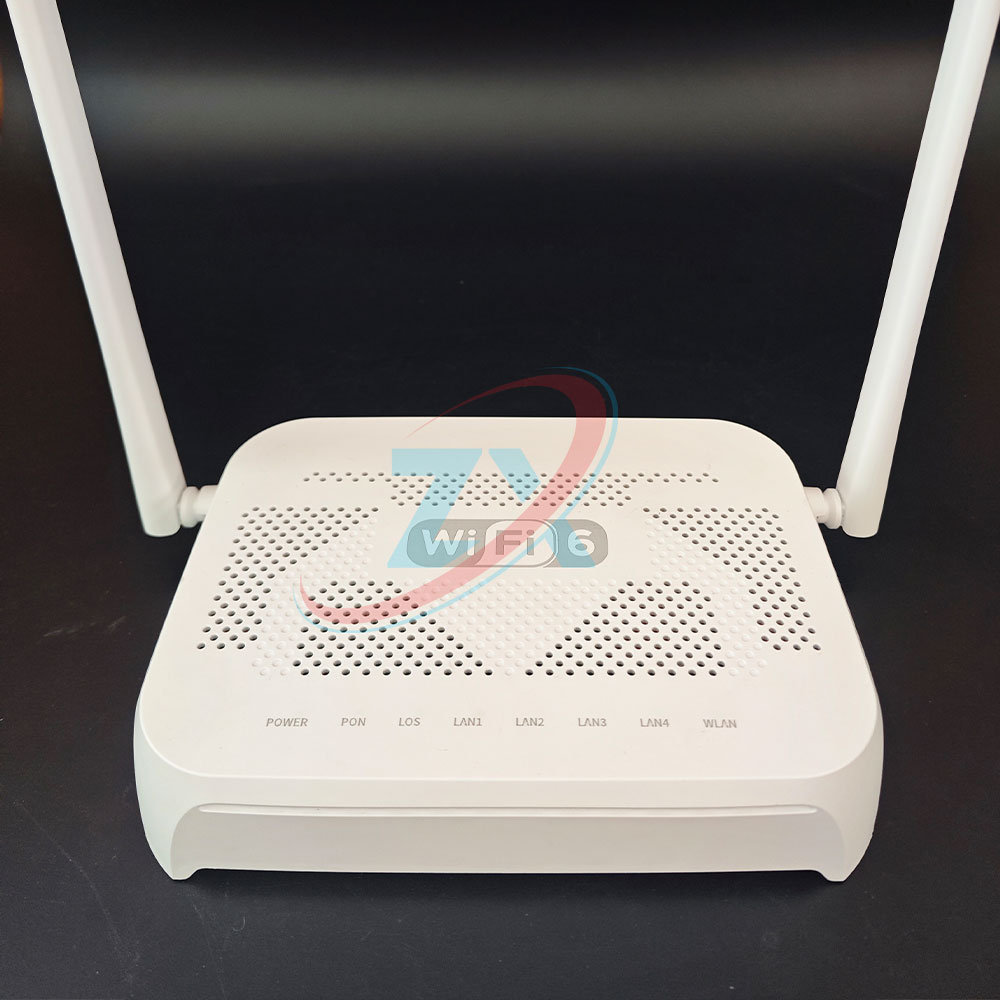
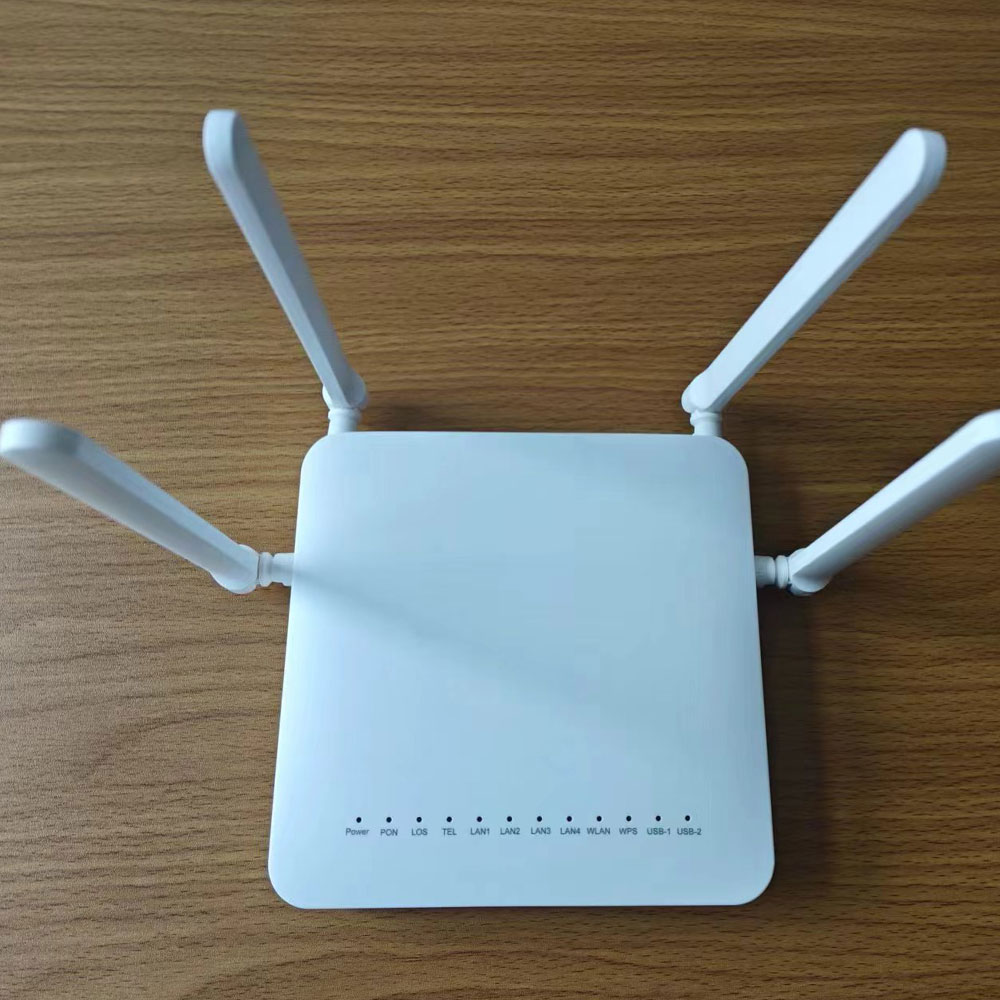
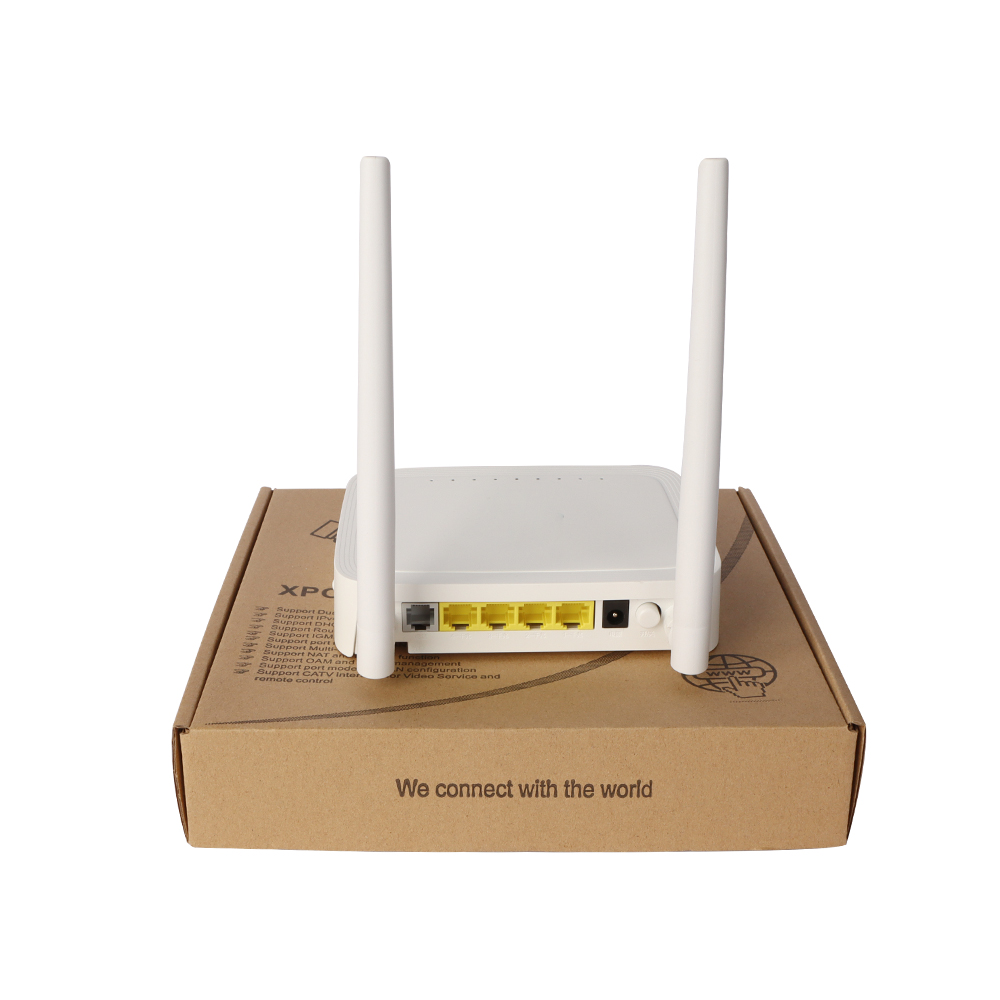
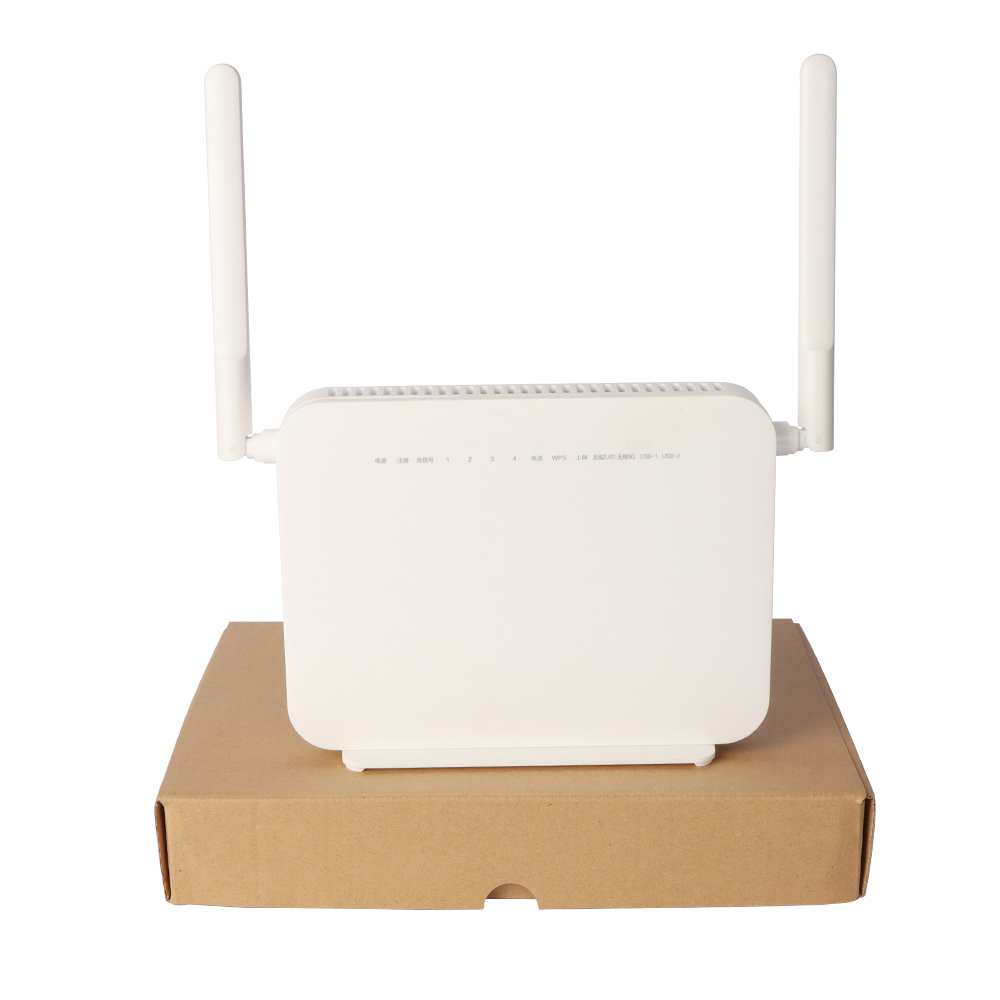
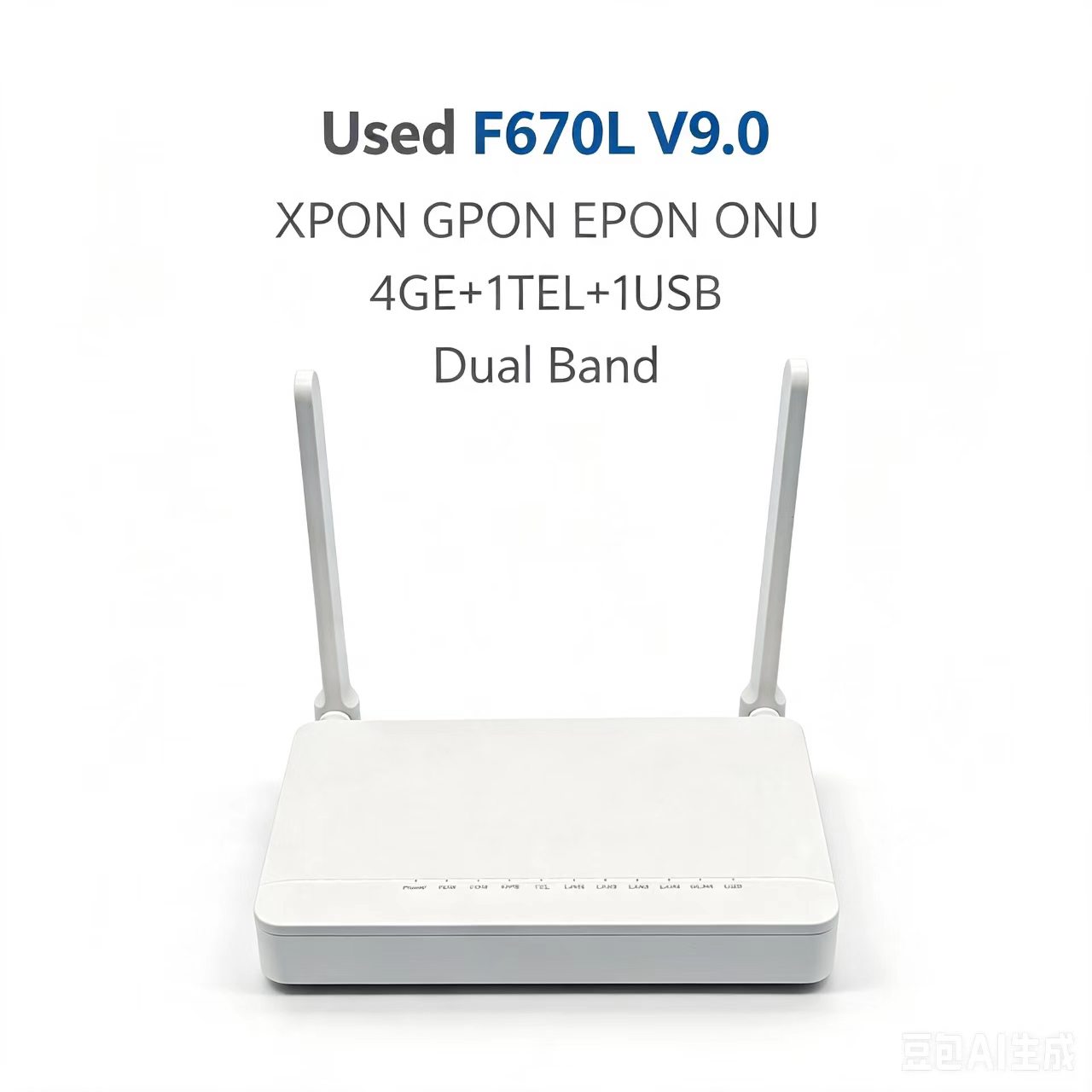
In contrast, ONU is positioned closer to the consumer and serves to convert optical signals into signals that can be understood by the router as well as other devices within the network. In other words, think of the OLT as the manager and the ONU as the worker who connects the internet directly to you.
How Do OLT and ONU Actually Talk?
Communication between OLT and ONU occurs continuously and is a key element of GPON and FTTH. Their communication involves special wavelengths and time periods which is achieved through time division multiplexing.
While sending data, OLT sends data simultaneously to several ONUs and every ONU just takes what is supposed to be taken by it. The case of sending information back to OLT is even more organized as every ONU has a timeframe when it can send information to OLT.
Security is also important here because OLT checks the ONU with the help of credentials before it is plugged to OLT.
Can You Run an ONU By Itself? Is Standalone Possible?
The question arises here: is it enough to simply switch on an ONU to gain access to the Internet? Regrettably, this is not the case. The ONU cannot work independently of the OLT. In the absence of the OLT, the ONU cannot perform its task, nor obtain any commands, and, thus, it is unable to establish any connection.
What are the reasons for that?
- The OLT is the device that determines the tasks that the ONU is to perform, provides bandwidth, and controls what ONUs can connect.
- The ONU needs to undergo the process of registration with the OLT (this is not an optional step). It is the process of registration that makes the ONU operational.
- All timing, security protocols, and management are controlled by the OLT.
Thus, even if you manage to connect an ONU to a fiber cable, it will be as useless as a TV without a signal.
GPON OLT and ONU: How They Work Together
In GPON systems, the OLT can control myriad ONUs simultaneously. When installing ONU, the OLT detects its serial number and allocates it the logical address in the handshake process.
- OLT disseminates the information; ONUs select the information meant for them.
- OLT decides who is eligible to send the data back.
- OLT keeps monitoring ONUs for their operation—signal strength, errors, maintenance, and upgrades.
In essence, OLT is operating and supervising all the time while ONU is merely receiving information.
Why Do ONUs Need to Register?
Registration is comparable to obtaining your ticket for a live performance. When your ONU is connected, it identifies itself to the OLT with a special ID. The OLT checks this information and cross-checks it with its "yes" list.
- If the ONU gets accepted; the configuration/profile is assigned, and access is granted.
- With this, the OLT can provide different Internet speeds, and keep an eye on the network at the same time.
- The registration process guarantees that networks remain secure and highly efficient.
So, for the buyers: you need to make sure the ONU you buy is compatible and ready for the OLT. Otherwise, you will face installation problems.
PON Network Registration of ONU: A Closer Look
Let me elaborate a little bit more. After an ONU is connected, the OLT then sends commands for the ONU to respond with details about itself. If everything is deemed acceptable, then the OLT starts the procedure for encrypted communications, i.e. switches on “secure mode”.
Any ONU that has not been registered will neither send nor receive any communications. Therefore, it is essential that you buy the right devices which have been authorized beforehand.
What Happens if You Try to Use ONU Without OLT?
Let’s think of an example! Assuming you are experimenting with your connections or changing services provider. Is there possibility of using an ONU without an OLT?
- Testing: The equipment for labs could impersonate the functions of the OLT for testing but still requires special setup and is not intended for use in real situations.
- Migration: In case your OLT won’t work or is outdated, your ONU can’t be activated automatically. You need to have a device of OLT class with appropriate firmware.
- Being a media converter: You cannot use an ONU for conversion of fiber because the protocols require OLT orders.
Therefore, unless you possess a real OLT (or any device functioning like one), your ONU will be useless.
How OLT Manages ONUs: Real-Life Advantages
The functionalities of the OLT extend beyond the simple act of connecting with ONUs:
- The OLT helps monitor the condition of each ONU, as it is able to track the signal, connection and errors, thereby permitting the rapid identification of problems.
- It is capable of pushing upgrades. This means that the OLT is able to upgrade the software of the ONU remotely.
- It is capable of adjusting the bandwidth and speed. Do you want a faster speed plan? The OLT only takes a second to modify the ONU’s access.
- It is capable of conducting repairs and troubleshooting. It means that the OLT is able to restart ONUs remotely or isolate them if a problem occurred.
This centralized management is what makes GPON and FTTH networks stable and reliable. The absence of OLT means a lack of the ability to monitor everything, and the network will fall apart.
FAQ: OLT-ONU Communication Essentials
What is the communication relationship between OLT and ONU? The OLT is the one in control and transmits commands and data. The ONU receives, sends and processes the signals at your end. The two work together to create the PON system which functions smoothly.
Why does ONU need to register on OLT? To maintain security and functionality! Registration enables OLT to authenticate each ONU, restrict unauthorized devices, and control all connections remotely. It’s about ensuring the safety and reliability of your network.
Can I use ONU without an OLT device? Certainly! OLT and ONU function as a pair. Your ONU will not get to work on the net without authorization and commands from the OLT.
What happens if my ONU is not registered with the OLT? If your ONU does not register, it gets locked out. You don't have internet access, and your OLT cannot see your device. Usually, this requires checking device compatibility, updating firmware, or reaching out to your service provider.
For Buyers: What Should You Look Out For?
When looking for ONUs and OLTs or establishing a new FTTH network, take note of the following:
- Ensure compatibility between your ONU and OLT brands/versions.
- Some providers may require pre-registration–confirm the eligibility of your ONU.
- Consider future developments: Look for OLTs and ONUs with support for the latest GPON and XGS-PON.
For those installing and planning fiber installations: Prepare fiber routes and splitter settings, and ensure proper functioning of the devices before going live.
The Future of Fiber: GPON, FTTH & OLT-ONU Innovations
It is no wonder that fiber networks have been growing at a considerable pace. New technologies such as NG-PON2 and XGS-PON are providing a much greater speed compared to conventional technologies. But the main point to take into account is that ONT and OLT communications have remained unchanged. ONTs will always need OLT management, authentication, and instructions.
To remain on top of things, you have to be aware of new software updates and protocols and the right equipment. Consult with your vendor concerning compatibility, upgrade plans, and tech support.
In conclusion, ONUs and OLTs are essential partners, meaning that they can’t work without one another. The OLT-ONU communication established the functionality, safety, and reliability of GPON and FTTH technologies. Whether you are a consumer or installer or interested in fiber technology, it is very useful for you to understand this partnership as it can help you make better decisions and solve issues sooner. Remember that in case you want to add ONU to your system, you should make sure that there is an OLT for communication with.