Wenzhou AIOU Optical Communication Co., Ltd.



Leave Your Message
-
 Get Your Quote
-
 Email
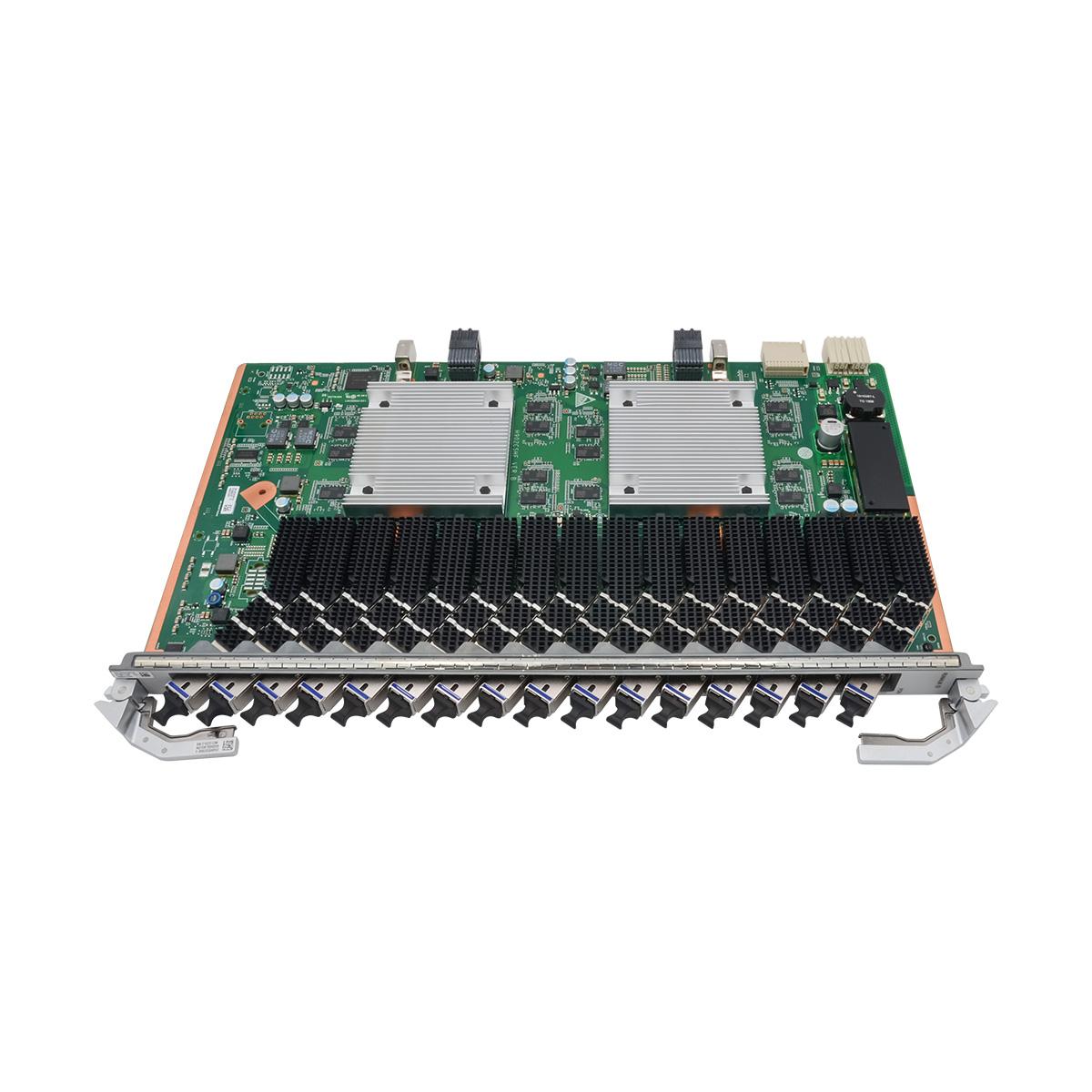
As the global appetite for bandwidth escalates due to remote working, cloud computing, 4K/8K streaming, and the Internet of Things (IoT), telecommunication operators are continuously pushed to upgrade their infrastructure. At the heart of this digital transformation lies the passive optical network (PON). To expand network capacity efficiently, operators must execute Optical Line Terminal (OLT) expansion projects. Integrating high-performance Huawei ONUs (Optical Network Units) or highly compatible, engineered equivalent units into these projects has emerged as a industry standard strategy to achieve robust scalability, low-latency transmission, and cost-effective deployment.
Optical Line Terminal expansion projects are not merely about adding cards to a central office chassis. They involve a complex orchestration of end-to-end network compatibility, dynamic bandwidth allocation, and ensuring that the customer premises equipment (CPE)—specifically the ONU—can handle the increased throughput. Huawei's optical access technology provides the architectural blueprint for these upgrades, delivering the reliability needed to scale networks without sacrificing service quality.
Support for gigabit and multi-gigabit access speeds, ensuring network longevity.
Carrier-grade hardware and software design minimizing packet loss and downtime.
Seamless integration with diverse OLT systems via standard GPON/EPON/XPON protocols.
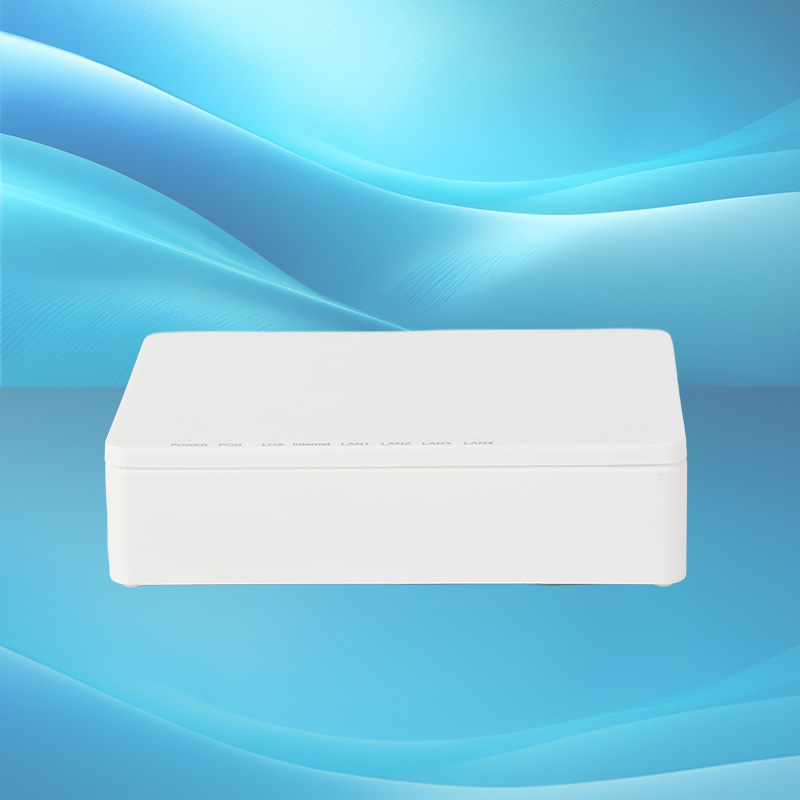
From a commercial perspective, the telecom industry is transitioning from legacy copper and early-generation GPON architectures to 10G-PON (including XG-PON and XGS-PON) and looking forward to 50G-PON. This transition requires OLT systems to support higher split ratios and denser subscriber bases. However, upgrading the central OLT is economically unviable if it mandates a complete replacement of all deployed ONUs. Consequently, operators prioritize ONU hardware that offers dual-mode compatibility (XPON) and flexible auto-negotiation capabilities.
Industrially, the demand is no longer restricted to residential Fiber-to-the-Home (FTTH). Fiber-to-the-Office (FTTO), Fiber-to-the-Machine (FTTM) in smart factories, and smart city surveillance systems require ruggedized and highly efficient optical terminals. Huawei-compatible ONUs are designed to operate reliably in diverse climates and industrial environments, ensuring that the expansion projects deliver consistent performance whether deployed in a temperature-controlled office or an outdoor utility cabinet.
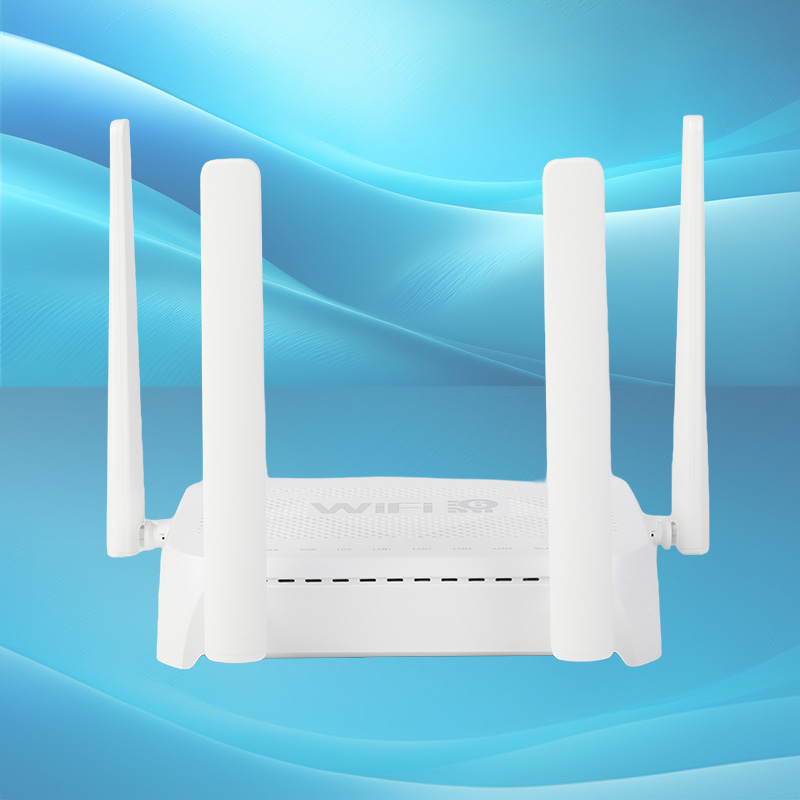
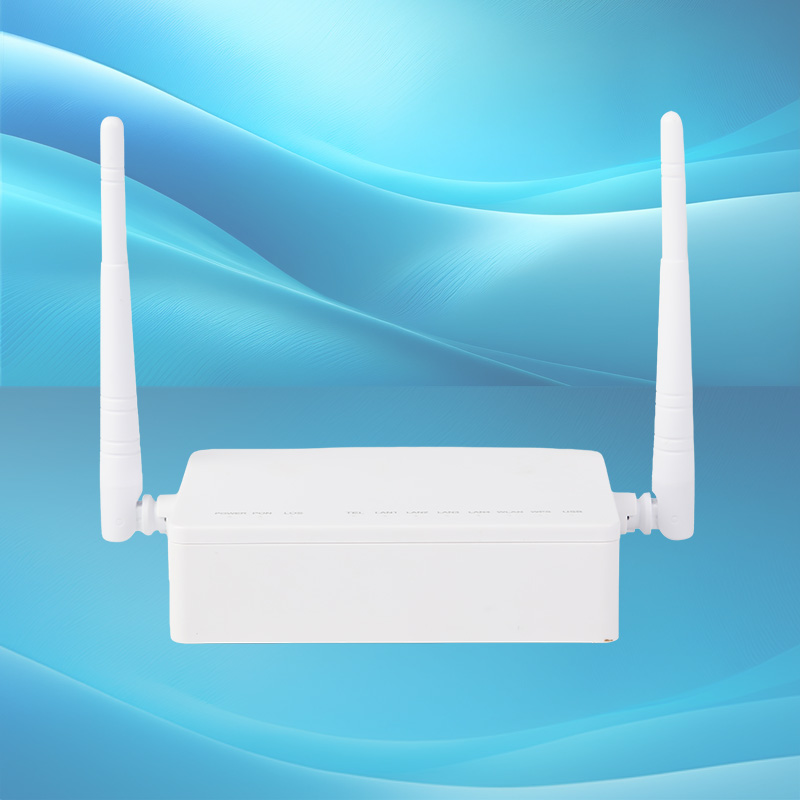
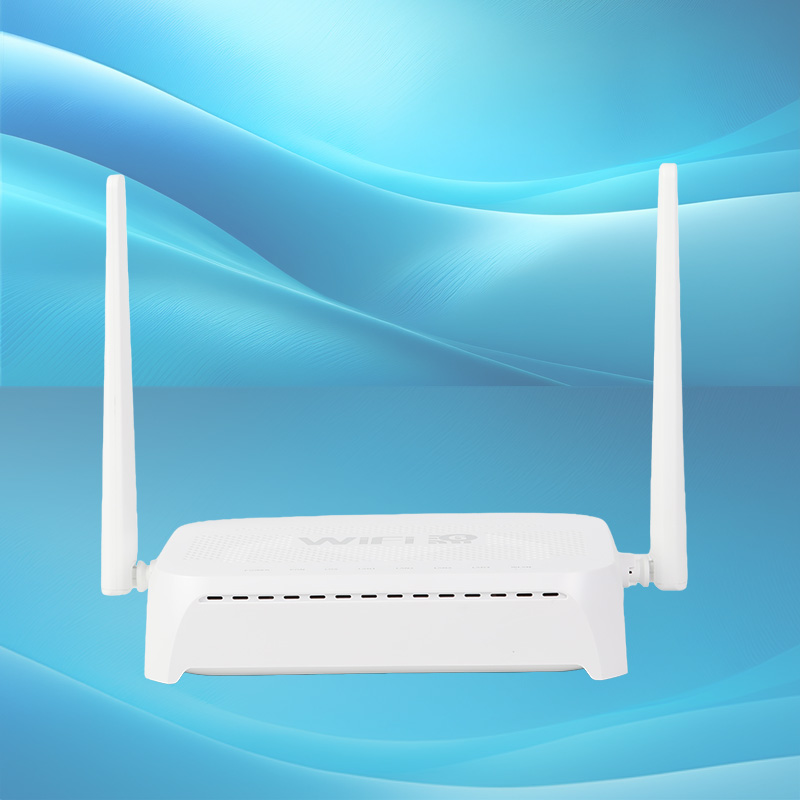
In metropolitan areas, high-density residential buildings present a challenge for bandwidth distribution. By utilizing high-performance XPON ONUs with integrated Wi-Fi 6 technology (such as the AX1800 systems), operators can deliver gigabit speeds wirelessly within the home. During an OLT expansion project, the central office upgrades its line cards to support more subscribers per PON port. The corresponding ONUs must efficiently manage the optical power budget, often operating under tighter tolerances due to increased optical splitting. High-sensitivity optical receivers in these ONUs ensure that even with a 1:64 or 1:128 split ratio, the signal integrity remains flawless.
For corporate campuses and business parks, reliability and quality of service (QoS) are paramount. OLT expansion projects in these environments often leverage network slicing to separate corporate data, guest Wi-Fi, and security feeds. Huawei-compatible ONUs support advanced VLAN tagging (QinQ) and multi-LLID configurations, allowing network administrators to implement strict traffic shaping and priority queuing. This ensures that critical business applications receive dedicated bandwidth even during peak network utilization periods.
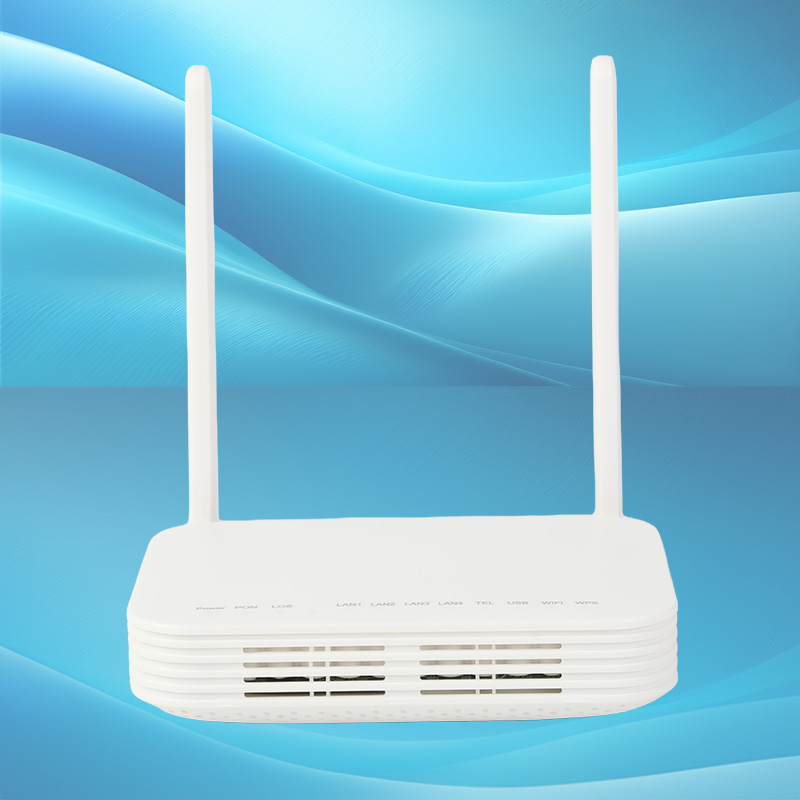
In industrial settings, optical networks provide immunity to electromagnetic interference (EMI), making them ideal for power grids and manufacturing plants. Here, GPON/ONU communication equipment must rely on high-quality internal components, such as rigid PCB boards engineered to withstand thermal stress and vibration. The ONU acts as a secure gateway, transmitting telemetry data back to the central OLT. In these expansion projects, low latency is critical for real-time monitoring and control loop stability, necessitating optimized ONU firmware that minimizes processing overhead.
To successfully execute large-scale Optical Line Terminal expansion projects, operators require a trustworthy manufacturing partner capable of delivering high-quality, certified optical hardware. Wenzhou AIOU Optical Communication Co., Ltd. stands at the forefront of this industry, providing the essential building blocks for global optical networks.
Established in 2006, Wenzhou AIOU Optical Communication Co., Ltd. is a professional high-tech enterprise dedicated to the full industrial chain of optical network access solutions, covering research and development, manufacturing, sales, and after-sales service. We focus on delivering cutting-edge passive optical network (PON) products, including EPON, GPON, and XPON series, which are carefully tailored to meet the diverse needs of global customers in different regions and industries. With a firm commitment to independent innovation, we have built a strong R&D team composed of senior engineers with years of industry experience, holding multiple core technology patents and forming a comprehensive industrial chain, thus effectively serving various sectors such as operator networks, government and enterprise information systems, smart parks, and home broadband access.
Our complete product line covers OLT (Optical Line Terminal), ONU (Optical Network Unit), high-performance optical modules, and network switching equipment, supporting access rates ranging from 10/100M to 10G. These solutions are characterized by high performance, stable reliability, low latency, and easy deployment, perfectly aligning with customers’ demands for secure, stable, and high-speed communication networks. All our products have passed strict CE certification, as well as other international quality certifications, and are exported to more than 20 countries and regions across South America, Africa, Eastern Europe, Southeast Asia, and the Middle East, winning wide recognition from global partners for their superior quality and cost-effectiveness.
We operate a standardized 2,000-square-meter production zone equipped with advanced automated production and testing equipment, where we strictly adhere to ISO9001 quality management systems, CCC, and CE standards to ensure the consistency and reliability of each product. Our core mission is to exceed customer expectations by providing premium quality products, efficient and thoughtful after-sales services, and industry-leading technical support, continuously driving technological innovation and development in the global optical network infrastructure field.
As we look toward the future of broadband access, several technological trends are shaping the development of ONUs and OLT expansion projects. The integration of artificial intelligence in network management, the adoption of open-source PON architectures, and the relentless push for energy efficiency are redefining industry standards.
While GPON remains the dominant technology deployed today, XGS-PON—which offers 10 Gbps symmetric upstream and downstream bandwidth—is rapidly gaining ground. Huawei's architecture allows for co-existence of GPON and XGS-PON on the same optical distribution network (ODN) using WDM (Wavelength Division Multiplexing) filters. This means that during an OLT expansion, operators can selectively upgrade high-value business clients to XGS-PON ONUs while keeping residential customers on standard GPON ONUs, optimization of capital expenditure (CAPEX).
Modern OLT expansion projects place a heavy emphasis on reducing operational expenditure (OPEX). Huawei ONUs feature advanced telemetry and diagnostic capabilities. Through protocols like OMCI and TR-069, the central OLT can perform remote loopback tests, analyze optical path attenuation, and locate fiber faults down to the meter. This predictive maintenance capability reduces the need for truck rolls, allowing operators to resolve issues before they impact the end-user experience.
With global focus shifting toward carbon neutrality, telecom equipment vendors are under pressure to reduce power consumption. Modern ONU chipsets incorporate advanced power-saving modes, such as sleep mode during periods of inactivity. Huawei's green network initiatives ensure that their ONUs meet strict international energy efficiency standards, minimizing the thermal footprint in both central offices and customer premises.