Wenzhou AIOU Optical Communication Co., Ltd.



Leave Your Message
-
 Get Your Quote
-
 Email
The telecommunications market in the United States is undergoing a monumental shift. Driven by federal initiatives such as the Broadband Equity, Access, and Deployment (BEAD) program, billions of dollars are being funneled into expanding fiber-to-the-home (FTTH) and rural broadband networks. As independent ISPs, local cooperatives, and municipal utilities deploy thousands of miles of fiber-optic cabling, the demand for reliable, high-performance Optical Network Units (ONUs) and Optical Network Terminals (ONTs) has reached historic highs.
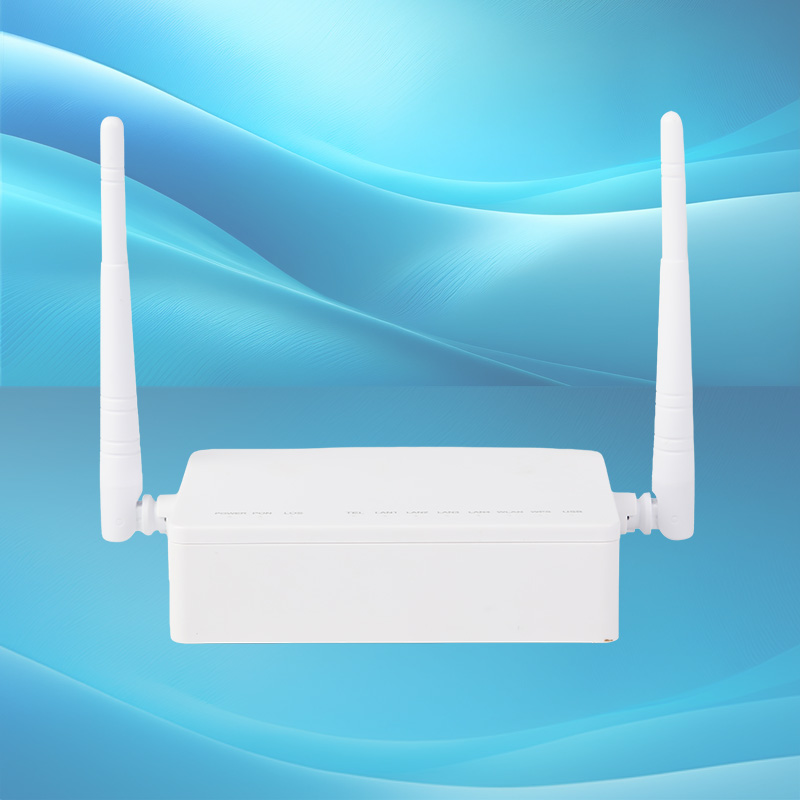
Within this ecosystem, Huawei ONU architectures have set global benchmarks for stability, speed, and advanced feature sets. However, US network operators often face supply chain challenges, regulatory hurdles, or complex procurement cycles when trying to source direct equipment. This has created a critical market need for a reliable, factory-direct supplier capable of delivering fully compatible, high-quality GPON and EPON ONUs. As a specialized manufacturer, we fill this gap by providing hardware that integrates seamlessly with existing OLT systems, ensuring that network expansion projects proceed without delay.
While standard GPON (2.5 Gbps downstream / 1.25 Gbps upstream) remains the workhorse of residential fiber, the industry is rapidly transitioning to XGS-PON. This 10-Gigabit symmetric technology is vital for supporting modern cloud services, high-definition video conferencing, and symmetrical upload speeds required by remote workers throughout the United States.
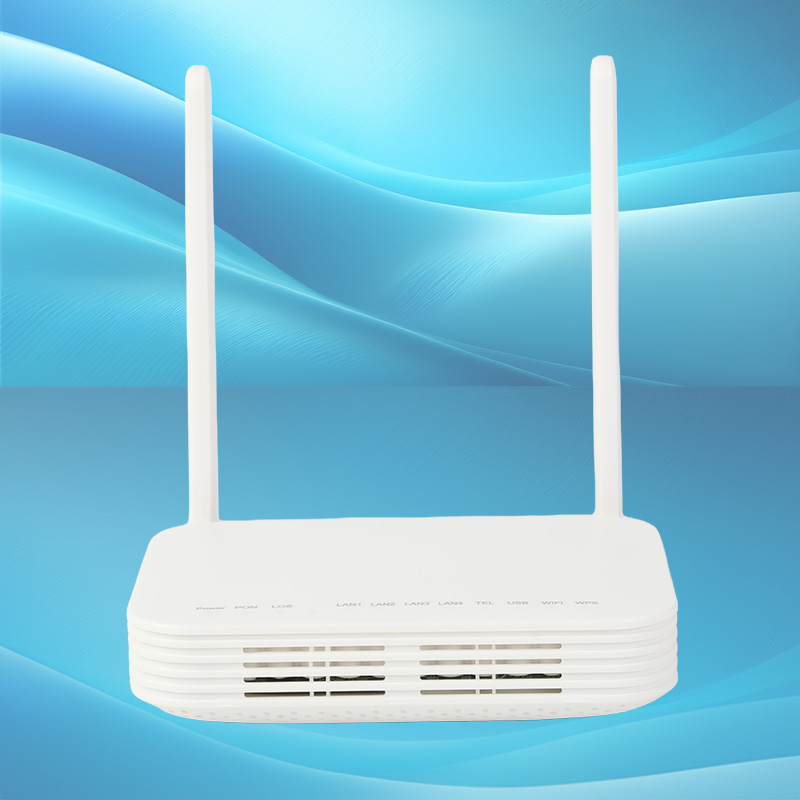
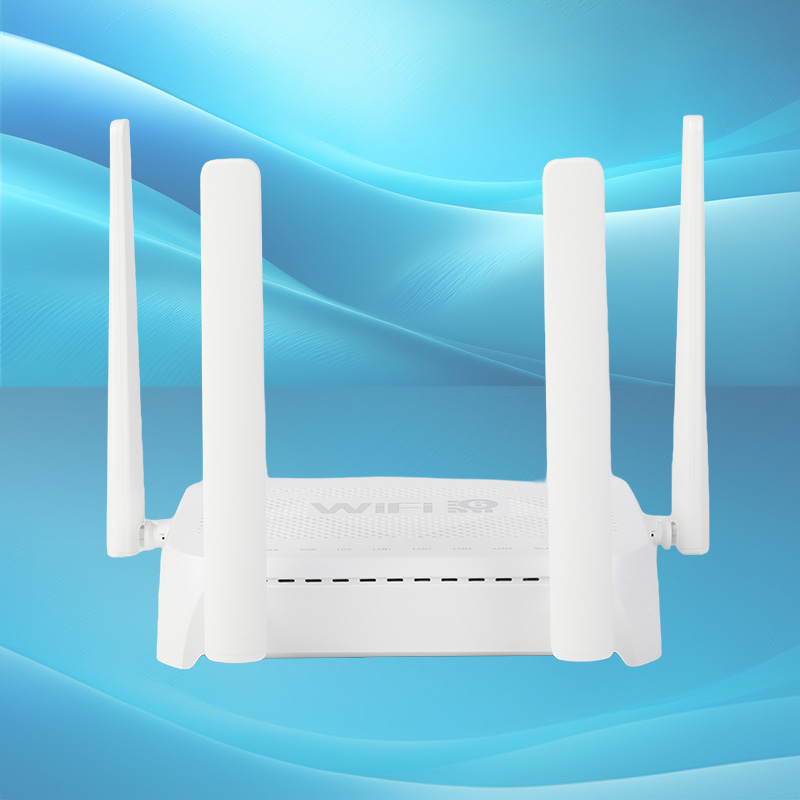
Modern consumers expect their fiber modem to act as a high-performance router. By integrating AX1800 and AX3000 Wi-Fi 6 capabilities directly into the ONU (such as our AIK662C and H3-1S models), operators can eliminate the need for a separate router, reducing installation complexity, lowering power consumption, and enabling seamless mesh expansion.
Open-source standards and software-defined access networks (SDAN) are gaining traction among major US carriers. ONUs must support standardized remote management protocols like TR-069 and TR-369 (USP) to allow automated provisioning, remote troubleshooting, and zero-touch deployment, minimizing truck rolls and operational costs.

Streamlined manufacturing operations to ensure your broadband rollout schedules are met without supply bottlenecks.

Continuous innovation in firmware compatibility, hardware efficiency, and next-gen network standards.

Custom branding, tailored firmware configurations, localized packaging, and hardware modifications to suit your brand.

Extensively tested compatibility with mainstream OLT platforms, including Huawei, ZTE, Nokia, and FiberHome.

Dedicated technical support engineers to assist with configuration, network integration, and firmware updates.

Robust component sourcing and supply chain management to guarantee consistent product availability year-round.
Deploying fiber-optic networks across the vast geographic and demographic landscape of the United States requires versatile equipment that can adapt to different environment types. Below are the primary application scenarios where our GPON/XPON ONUs excel:
Under-connected rural communities require long-reach optical solutions. Our XPON ONUs feature high-sensitivity optical receivers that can operate stably even with higher attenuation over extended fiber runs. These units are deployed by local cooperatives to deliver reliable internet for smart farming, remote education, and telemedicine in states like Iowa, Kansas, and Kentucky.
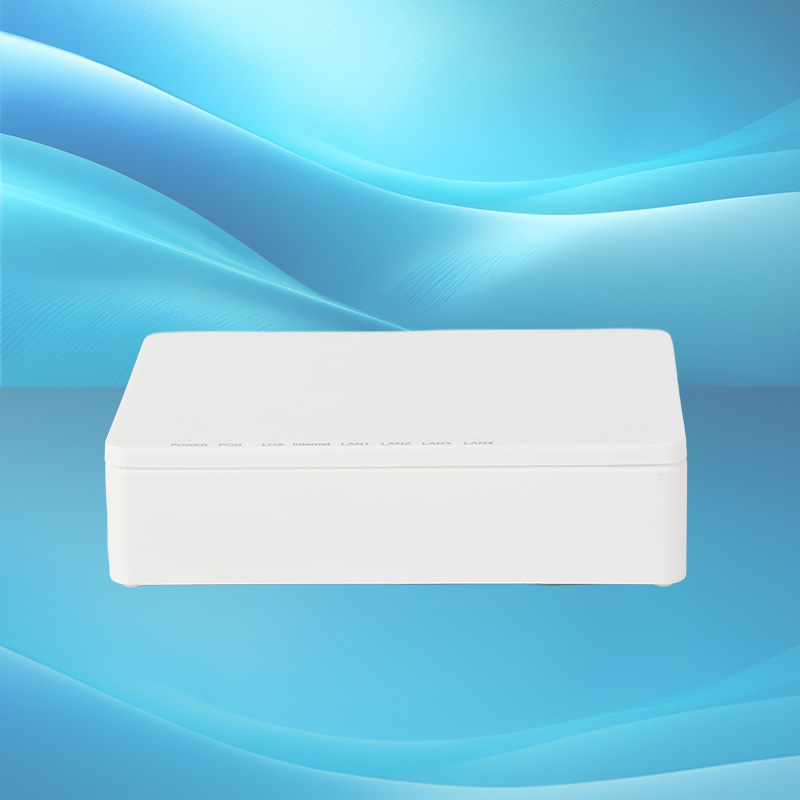
In densely populated cities like New York, Chicago, and Los Angeles, retrofitting high-rise buildings with fiber can be challenging. Using a Fiber-to-the-Building (FTTB) setup, our multi-port GPON ONUs can terminate fiber in a basement utility room, distributing high-speed gigabit Ethernet to individual apartments, maximizing existing copper wiring or short-range fiber runs.
For corporate campuses and industrial manufacturing zones in Texas and Silicon Valley, network uptime is critical. Our enterprise-grade ONUs offer advanced Quality of Service (QoS) features, allowing IT administrators to prioritize voice-over-IP (VoIP) traffic, industrial IoT telemetry, and critical database syncs over general web traffic, ensuring smooth daily business operations.
Municipalities across the US are deploying localized fiber loops to manage traffic control systems, public security cameras, and environmental sensors. Our compact bridging ONUs provide the necessary high-speed backhaul, integrating seamlessly with city-wide OLT infrastructure while enduring varying temperature ranges in outdoor enclosures.
One of the main challenges when selecting a third-party ONU supplier is ensuring that the software handshake between the Optical Line Terminal (OLT) and the client-premises ONU works flawlessly. Our engineering team has dedicated years to developing firmware that fully supports the OMCI (ONT Management and Control Interface) standard, which is critical for configuring, managing, and monitoring ONUs remotely.
Whether you are running a Huawei SmartAX MA5608T, MA5800 series OLT, or systems from other global manufacturers, our ONUs auto-detect the network mode (GPON or EPON) and apply the correct configuration protocols. This plug-and-play capability dramatically reduces installation times for field technicians and eliminates the need for complex command-line provisioning during activation.
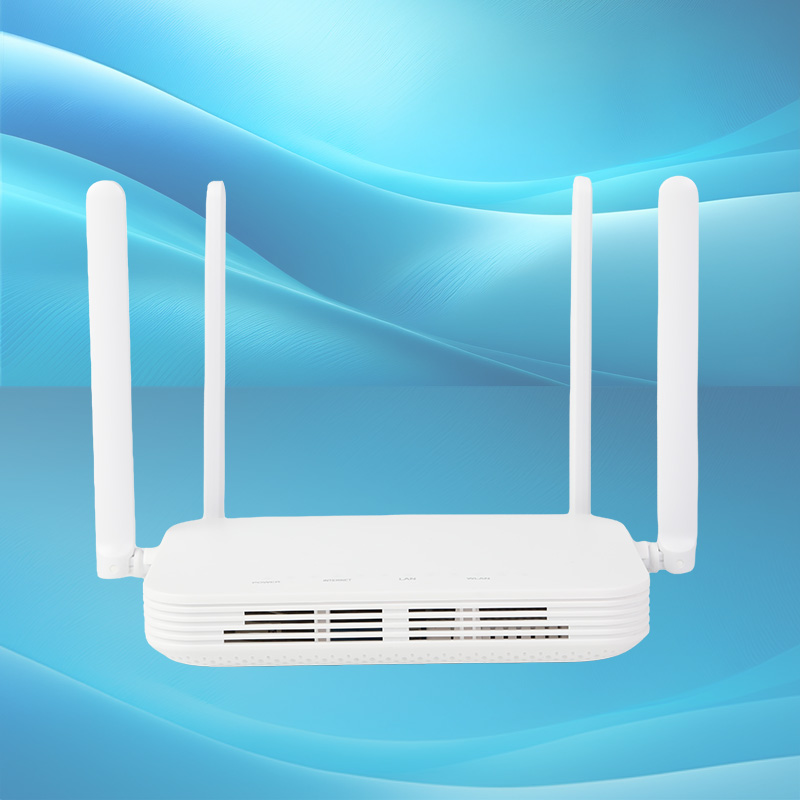
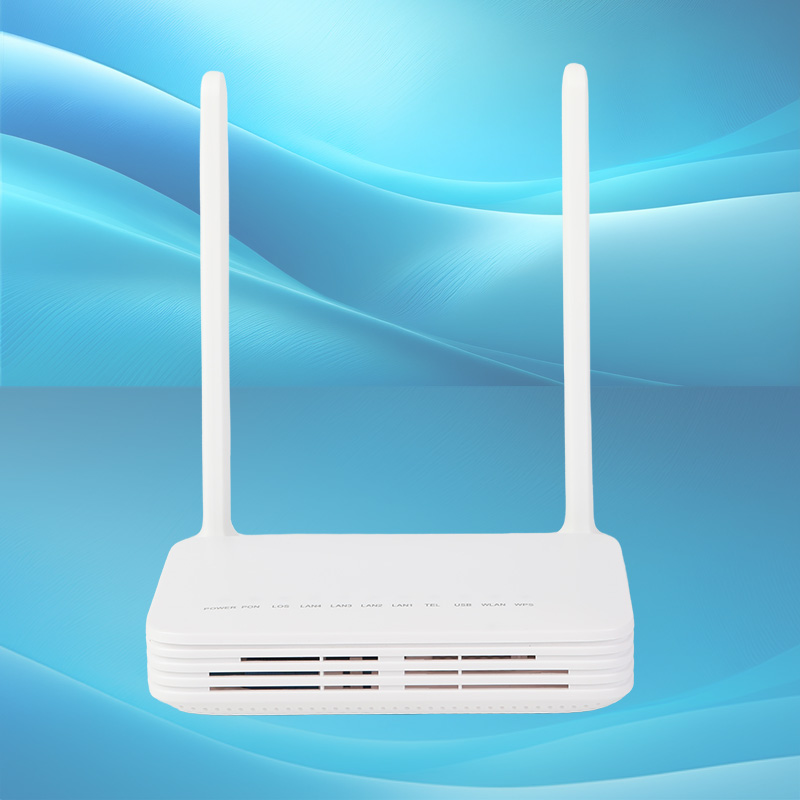
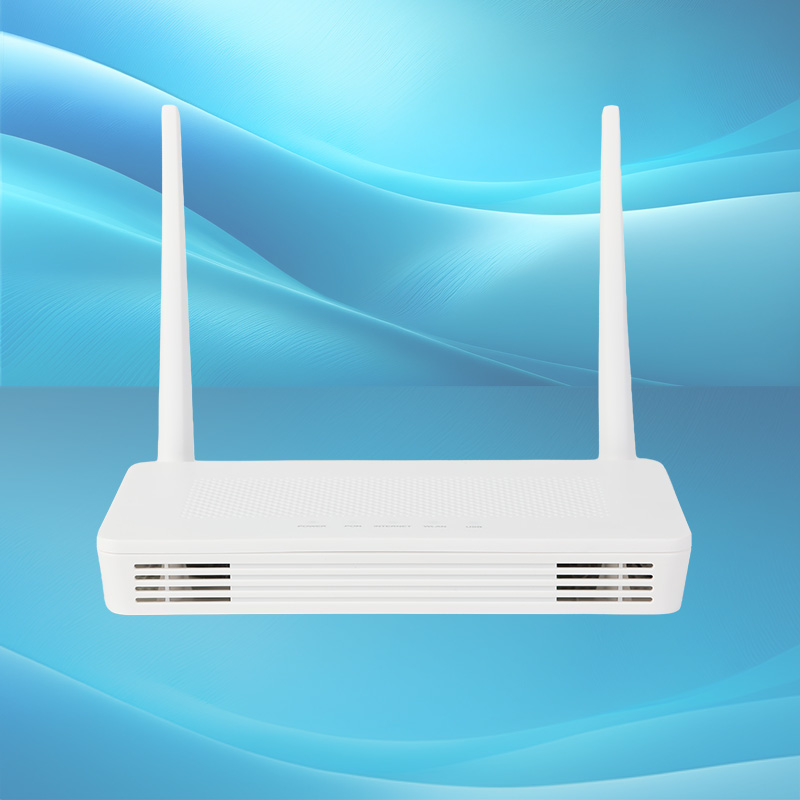
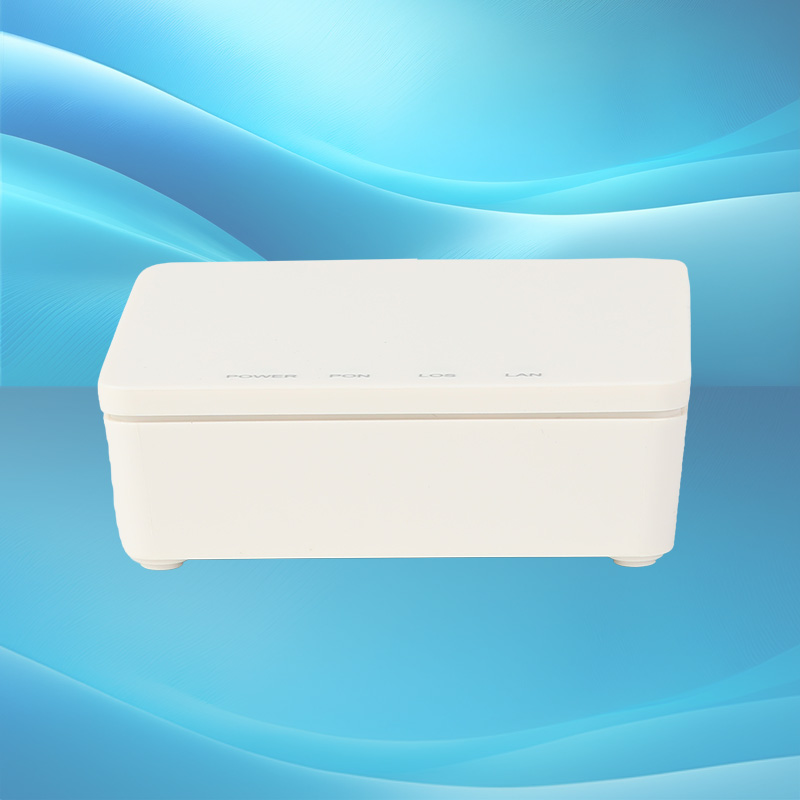
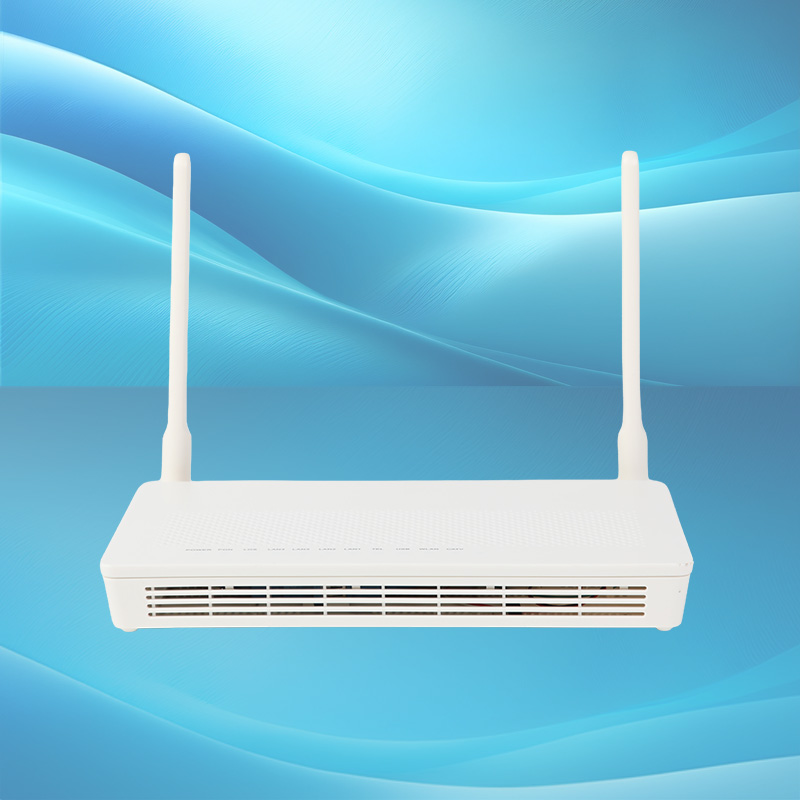

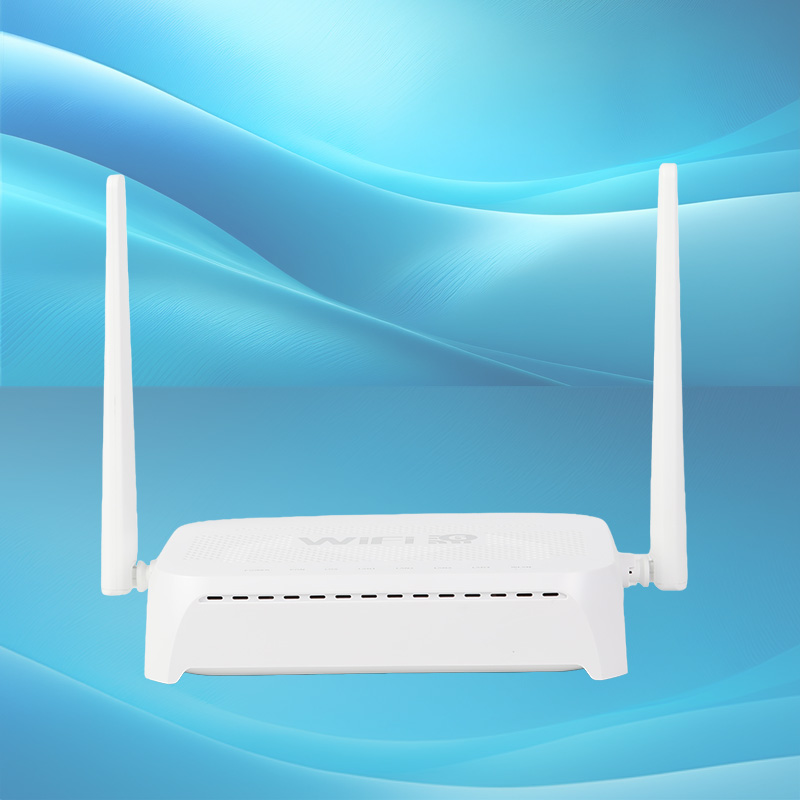

As the world becomes more interconnected, the underlying infrastructure must support exponential data growth. Our GPON and XPON ONUs play a critical role in bridging the gap between high-capacity core fiber loops and end-user endpoints. From enabling ultra-low latency 5G backhaul connections in metropolitan centers to facilitating massive data exchanges inside modern cloud computing warehouses, our hardware is engineered for the future of digital communications.
Providing high-speed, reliable backhaul connections for small cells and macro base stations to support massive IoT and ultra-reliable low-latency communication.
Ensuring seamless interconnectivity and high-bandwidth pathways for enterprise data centers and cloud service providers handling massive daily workloads.
Powering municipal fiber loops that connect traffic control sensors, public surveillance cameras, and smart grid meters for efficient urban management.