Wenzhou AIOU Optical Communication Co., Ltd.



Leave Your Message
-
 Get Your Quote
-
 Email
Explore our high-performance OLT service boards and optical network terminals engineered for resilient FTTH residential broadband networks.
Fiber-to-the-Home (FTTH) has emerged as the ultimate architectural standard for modern telecommunication networks, completely replacing legacy copper-based infrastructures like DSL and coaxial systems. As gigabit-speed demands soar across residential communities, network operators require reliable, high-capacity, and cost-effective equipment to connect end-users to core networks. In this landscape, the Ethernet Passive Optical Network (EPON) standard, regulated by IEEE 802.3ah, has established itself as a highly efficient and structurally simplified technology for delivering symmetric data streams over optical fibers.
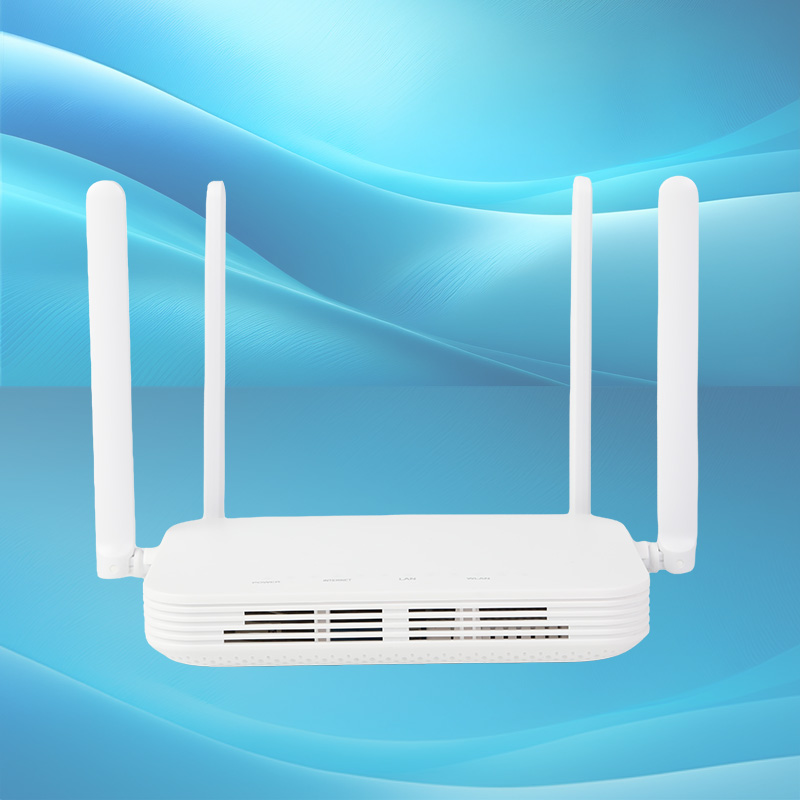
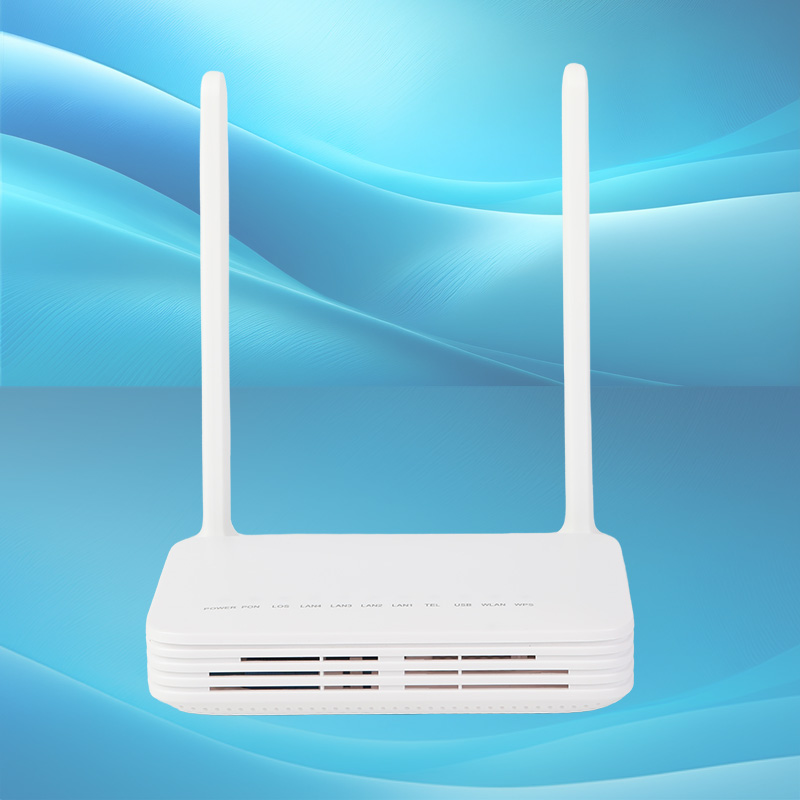
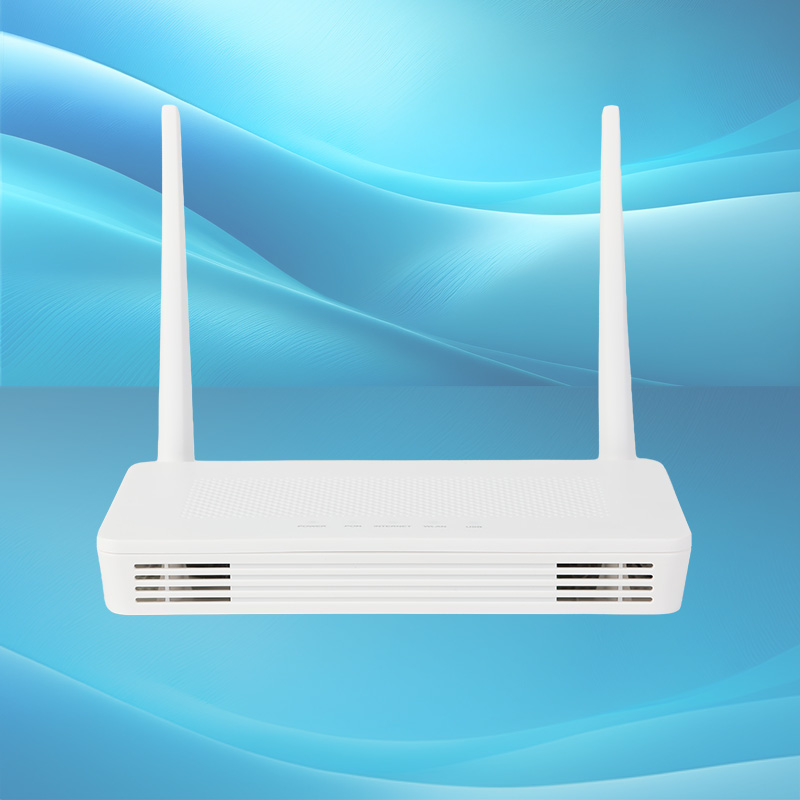
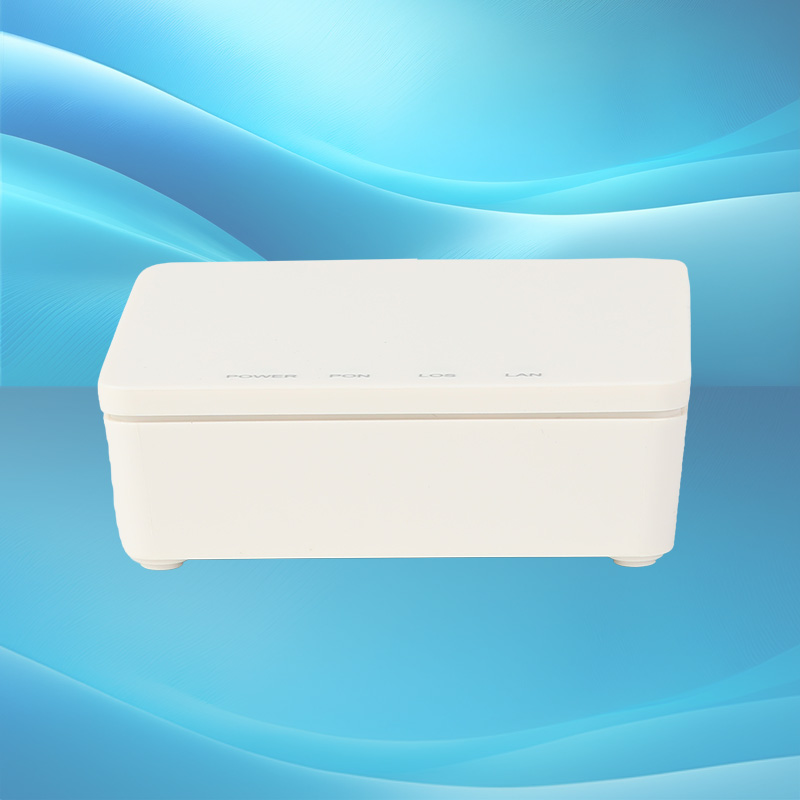
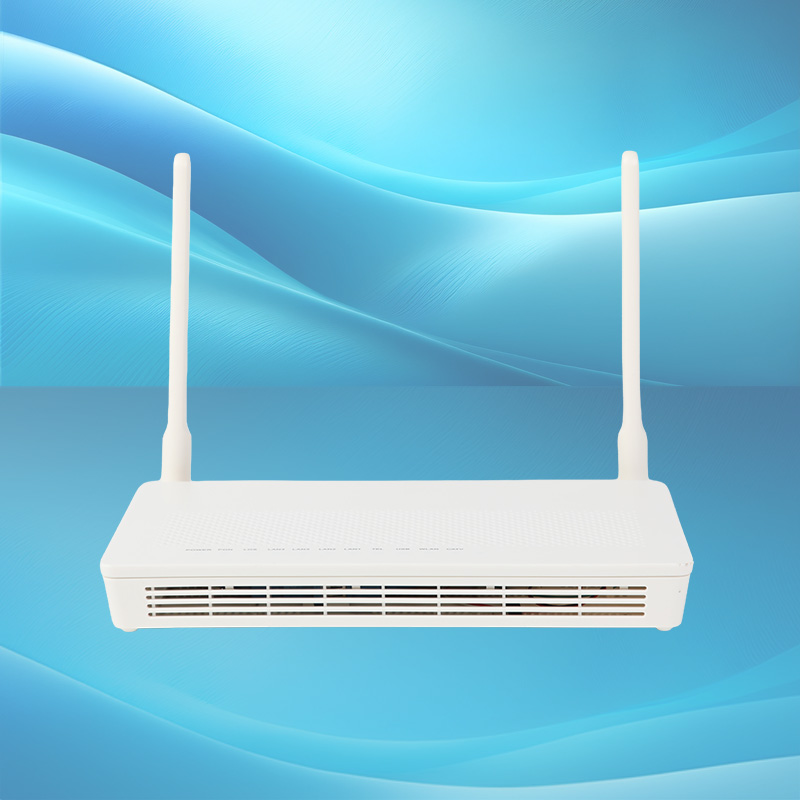
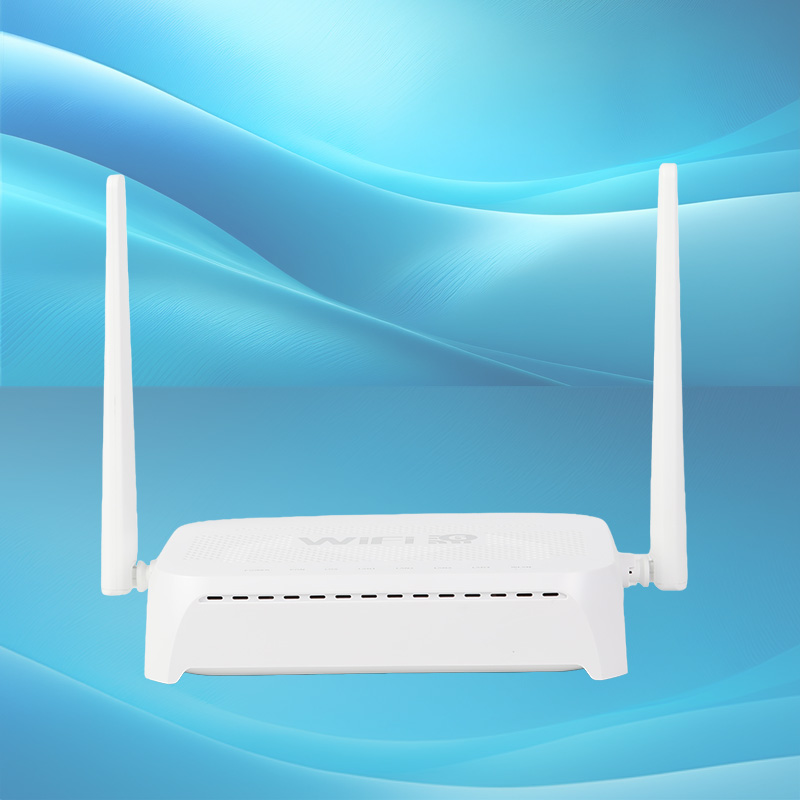
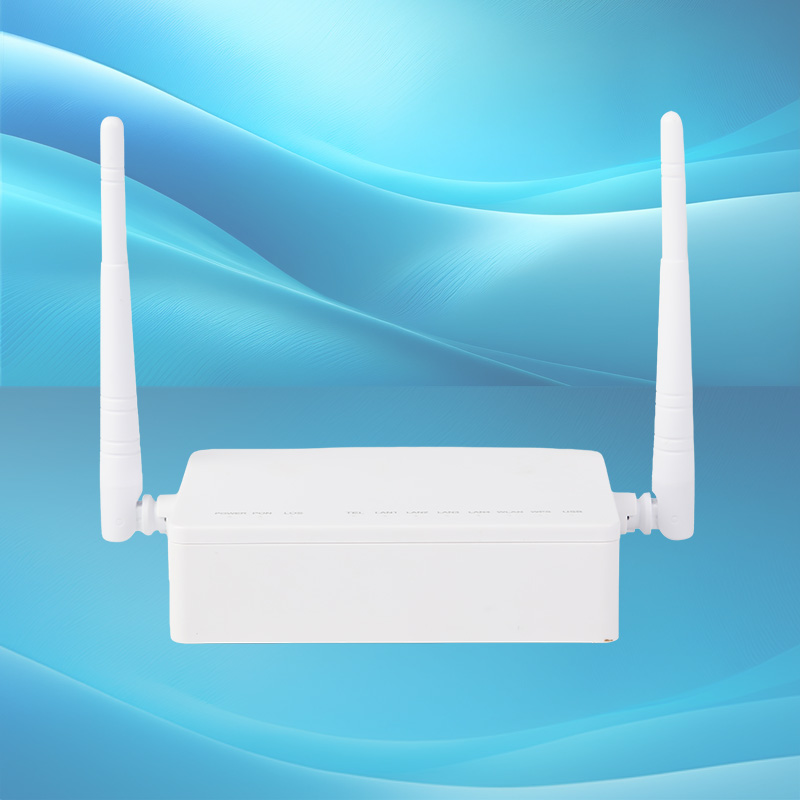
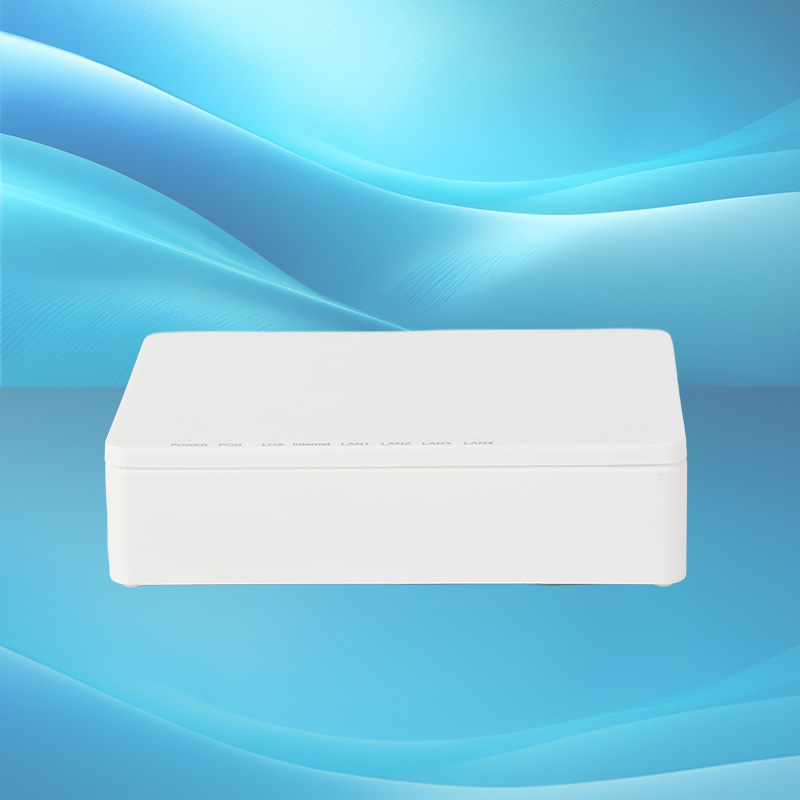
At the center of any successful FTTH residential deployment is the Optical Network Unit (ONU). Huawei, a global leader in optical network solutions, has developed a comprehensive portfolio of EPON ONUs designed specifically to meet the rigorous demands of residential broadband services. A Huawei EPON ONU acts as the crucial subscriber-side terminal, converting optical signals from the passive distribution network into standard copper Ethernet, Wi-Fi, and voice interfaces for household use. By implementing Huawei EPON ONU hardware, internet service providers (ISPs) can achieve high-speed data transmission, guarantee superior Quality of Service (QoS), and scale their networks dynamically as bandwidth demands continue to rise.
Deploying Huawei EPON ONU systems for FTTH residential broadband networks optimizes capital expenditures (CAPEX) while establishing a future-proof pathway toward 10G-EPON and advanced smart-home ecosystems.
From an industrial perspective, the deployment of FTTH networks has transitioned from a competitive advantage to a public utility requirement. Governments worldwide are funding national broadband initiatives to bridge the digital divide, emphasizing the need for robust hardware that can withstand long deployment cycles. In this industrial environment, Huawei EPON ONUs have become a benchmark for interoperability and operational stability. Their compliance with international optical standards ensures seamless integration with carrier-grade Optical Line Terminals (OLTs), such as the Huawei SmartAX MA5680T series, allowing operators to construct heterogeneous networks without vendor-lock constraints.
Commercially, ISPs face the constant challenge of declining Average Revenue Per User (ARPU) coupled with rising infrastructure costs. To maintain profitability, operators must deploy customer-premises equipment (CPE) that minimizes installation times and truck rolls. Huawei EPON ONUs address this commercial pain point by incorporating advanced management protocols like OAM (Operations, Administration, and Maintenance) and OMCI (ONT Management and Control Interface). These features enable remote provisioning, automated configuration, and real-time diagnostic testing, allowing helpdesks to resolve subscriber issues without dispatching field technicians, thereby significantly reducing operational expenditures (OPEX).
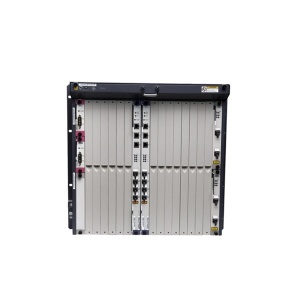
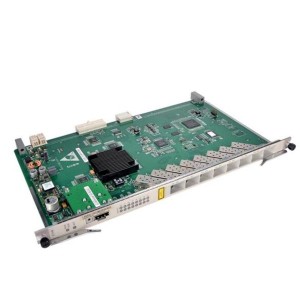
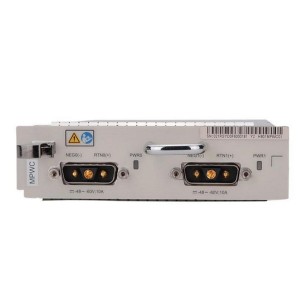
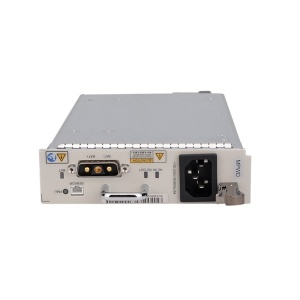
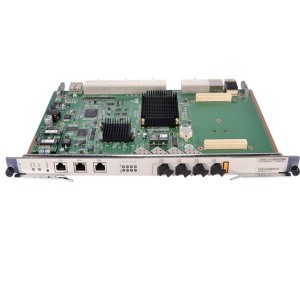
Optimize your central office deployments with high-stability service boards and control units designed for carrier-grade GPON/EPON infrastructure.
In urban environments, high-rise buildings and multi-dwelling units represent the highest concentration of potential broadband subscribers. Deploying fiber in these environments requires compact, high-performance hardware capable of managing multi-tenant interference and high optical splitting ratios. Huawei EPON ONUs are optimized to operate efficiently under dense splitting environments (up to 1:64 or 1:128 depending on link budgets). By placing a Huawei EPON ONU in individual apartments, operators can provide dedicated gigabit connections to each household, bypassing the bottleneck of copper-based in-building wiring and ensuring that peak-hour traffic does not degrade local performance.
Modern households have evolved into complex digital ecosystems requiring simultaneous support for high-speed Internet, voice calls (VoIP), and ultra-high-definition television (IPTV). Huawei EPON ONUs are engineered with advanced hardware-based forwarding engines that handle multicast streams efficiently. By supporting IGMP (Internet Group Management Protocol) snooping and proxying, these ONUs ensure smooth IPTV delivery without flooding the local home network with unnecessary traffic. Furthermore, dedicated Quality of Service (QoS) queues prioritize voice traffic over standard web browsing, guaranteeing crystal-clear VoIP calls even during heavy file downloads.
Extending broadband networks to rural areas presents significant geographical and environmental challenges. Long distances between the central office OLT and the subscriber ONU lead to signal attenuation and increased optical path loss. Huawei EPON ONUs feature high-sensitivity optical receivers that can reliably detect weak signals over distances of up to 20 kilometers. This extended reach allows ISPs to deploy passive splitters deep in rural communities, consolidating traffic and minimizing the need for active, power-consuming field cabinets, which are expensive to maintain in remote environments.
The rise of remote work has blurred the line between residential and enterprise networks. Home offices now require the same level of security, reliability, and bandwidth as corporate headquarters. Huawei EPON ONUs meet this demand by offering advanced firewall features, Virtual Local Area Network (VLAN) tagging, and secure VPN pass-through capabilities. This allows remote employees to maintain secure, isolated connections to their corporate servers while other household members stream media or play online games on separate VLANs, preventing security cross-contamination.
Huawei EPON ONUs stand out in the telecommunication industry due to their advanced hardware architecture and feature-rich software stack. Key technical benefits include:
Focused on the research, development, and manufacturing of optical network access solutions that drive global connectivity.


The telecommunications industry is currently witnessing a transition toward higher-speed passive optical networks. While traditional EPON (1G) remains highly cost-effective and widely deployed, the demand for symmetrical 10 Gbps speeds is accelerating due to virtual reality, cloud storage synchronization, and smart city applications. The transition to 10G-EPON (IEEE 802.3av) is designed to be backward compatible with existing EPON networks. This means operators can upgrade their central office OLTs to 10G while continuing to serve existing subscribers with 1G EPON ONUs, transitioning users to 10G ONUs gradually as bandwidth demands dictate.
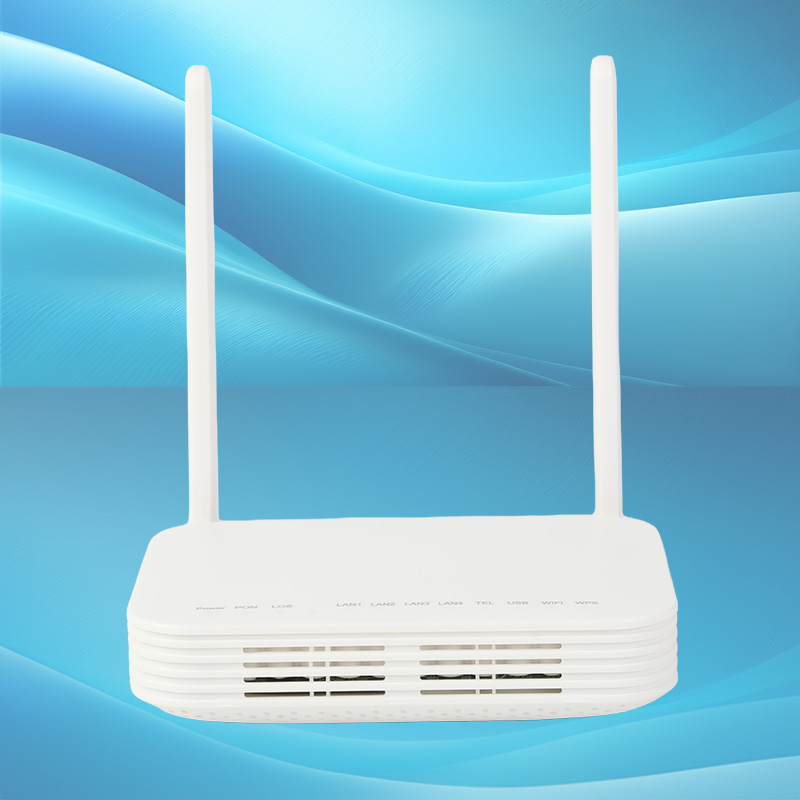
Furthermore, the integration of high-speed wireless standards directly onto the ONU has become a critical deployment requirement. A fiber connection to the home is only as fast as the local wireless distribution network. The integration of Wi-Fi 6 (802.11ax) technology into modern ONUs—such as the AIK662C AX3000—ensures that the gigabit speeds arriving via the optical fiber are successfully distributed to wireless devices throughout the home, eliminating local bottlenecks and improving the overall user experience.
Fiber optic communication equipment is widely used in 5G, data centers, and smart cities to enable high-speed, low-latency transmission.
Leveraging EPON/GPON infrastructures to carry high-density 5G micro-station traffic back to core networks.
Connecting municipal surveillance, environmental sensors, and public Wi-Fi access points through optical networks.
Providing dedicated, secure, and high-bandwidth optical terminal gateways for commercial enterprises.
Discover our best-selling GPON/EPON/XPON optical network terminals engineered to deliver ultimate performance and reliability.