Wenzhou AIOU Optical Communication Co., Ltd.



Leave Your Message
-
 Get Your Quote
-
 Email
High-performance edge optical network terminals designed to support high-density wireless environments and seamless enterprise integrations.
In the digital-first business era, traditional copper-based Local Area Networks (LANs) are rapidly reaching their physical limitations. Bandwidth-intensive applications such as multi-party 4K/8K video conferencing, real-time cloud data synchronization, virtualization, and the explosive growth of Internet of Things (IoT) devices demand high-speed, stable, and low-latency connections. This demand has positioned GPON (Gigabit Passive Optical Network) technology as the primary backbone for modern enterprise network architectures.
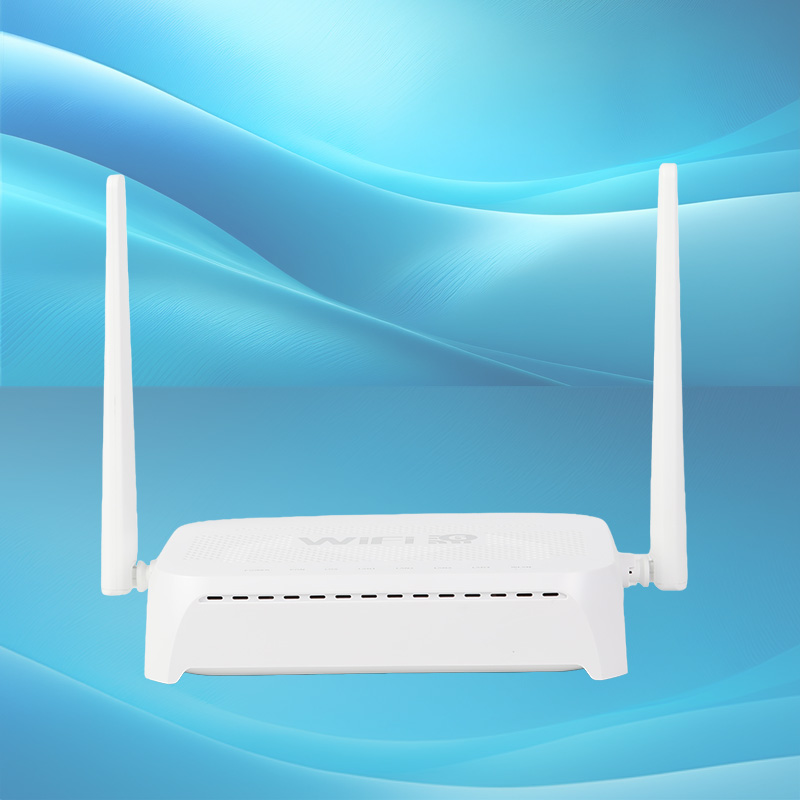
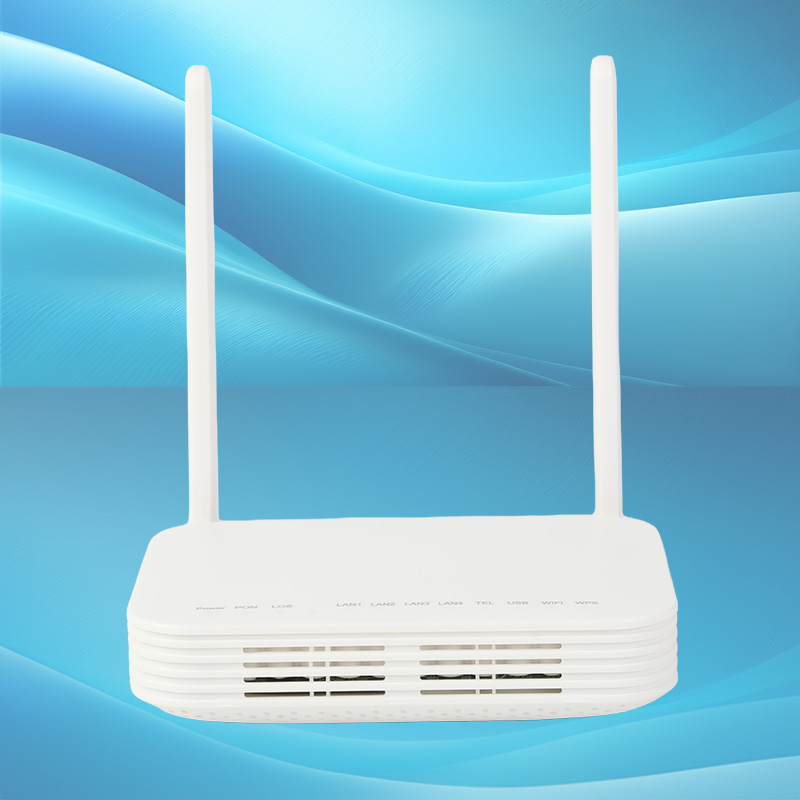
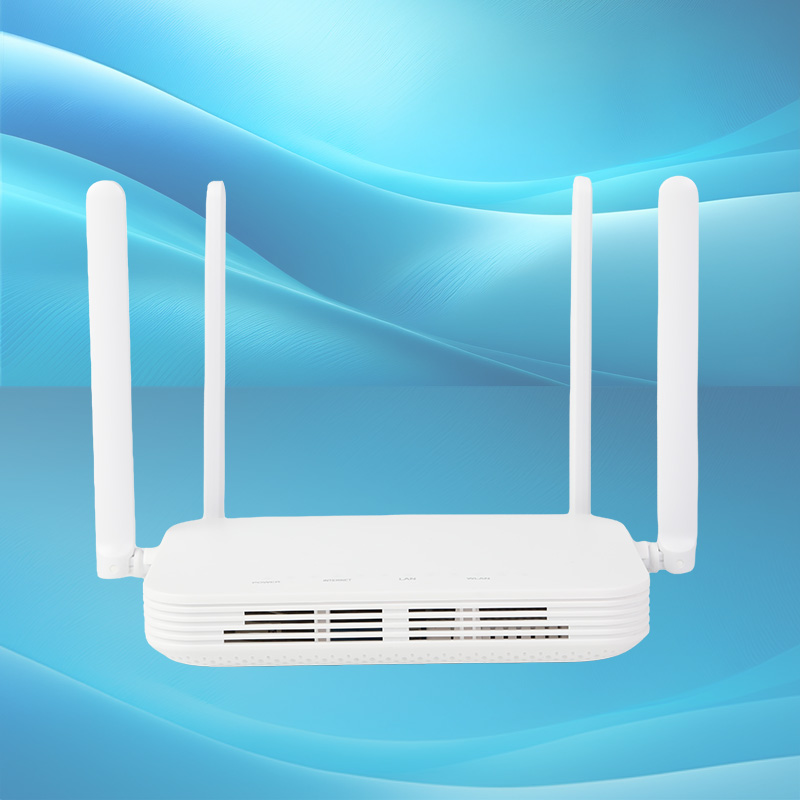
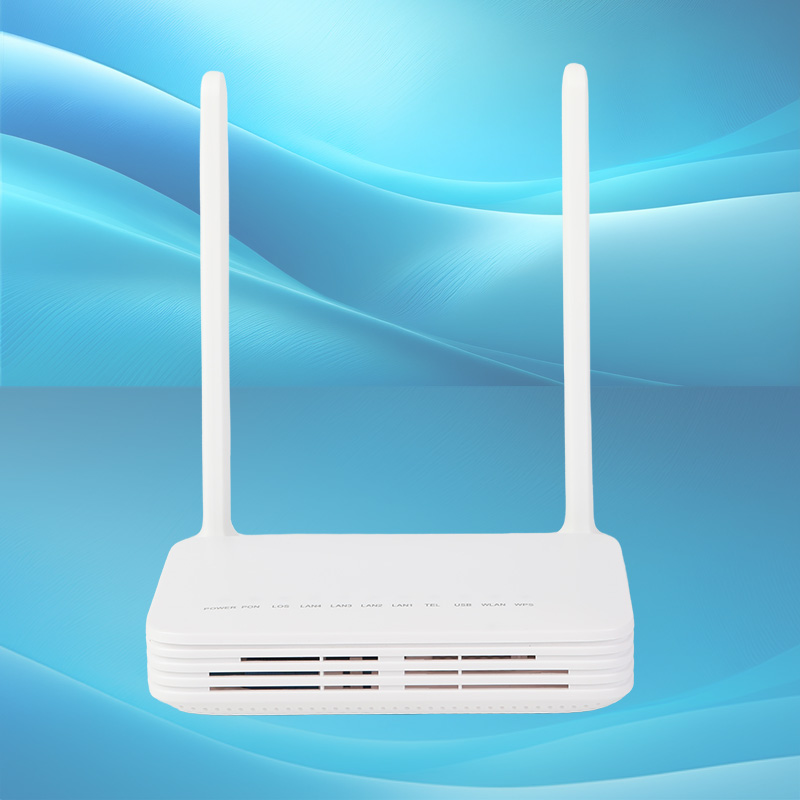
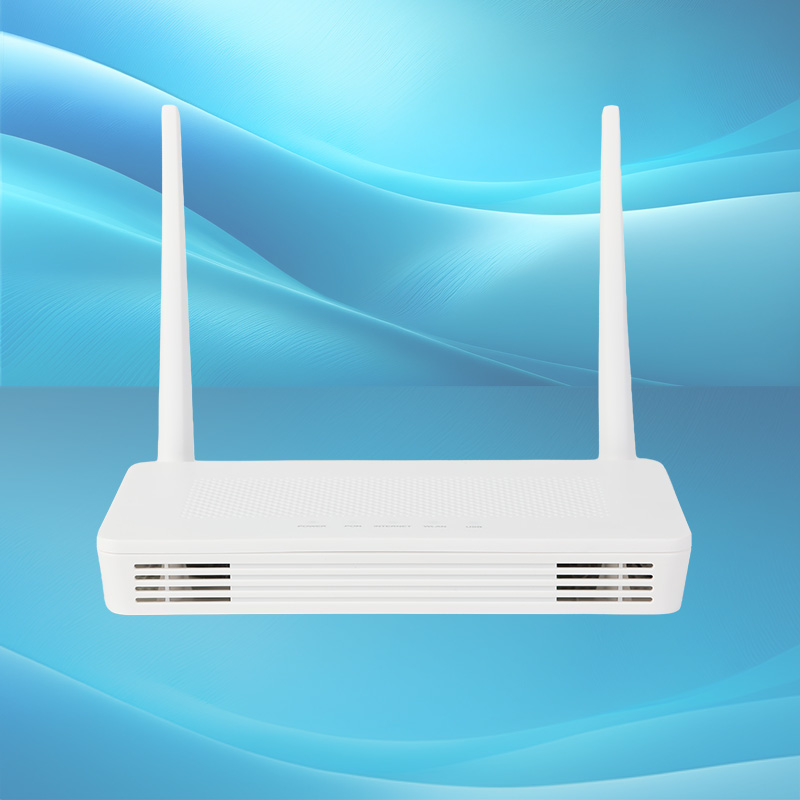
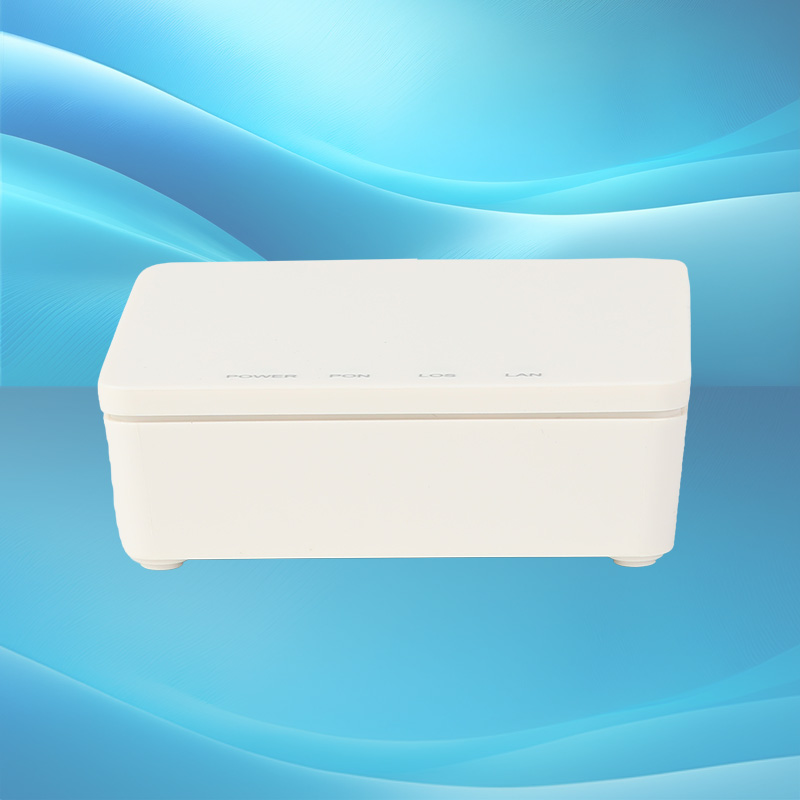
At the center of this technological paradigm shift is the GPON WiFi ONU (Optical Network Unit). Traditionally deployed in Fiber-to-the-Home (FTTH) scenarios, the latest generation of GPON ONUs has evolved to address complex enterprise requirements. By combining gigabit passive optical access with high-speed wireless standards like Wi-Fi 6 (802.11ax), these devices act as the perfect bridge, bringing fiber-optic speeds directly to office spaces without the clutter of extensive copper wiring.
Unlike copper cables that suffer from signal degradation over distances exceeding 100 meters, optical fibers can transmit data over kilometers without attenuation. By deploying GPON WiFi ONUs locally within office zones, enterprises benefit from reduced cable management costs, complete immunity to electromagnetic interference (EMI), and a future-proof physical infrastructure capable of scaling up to 10G-PON and beyond.
Globally, telecom operators and enterprise network architects are moving away from active Ethernet switches at the distribution layer in favor of Passive Optical LAN (POL) designs. POL utilizes single-mode optical fiber and passive splitters to distribute signals, lowering energy consumption and eliminating the need for cooling systems in intermediate wiring closets. The GPON WiFi ONU serves as the endpoint of this passive network, converting optical signals to high-speed Ethernet and wireless connections for user devices.
Industries ranging from hospitality and education to smart healthcare and corporate offices are adopting this architecture. The commercial value is clear: lower capital expenditure (CapEx) on cabling and space, combined with reduced operational expenditure (OpEx) through centralized management. With advanced Wi-Fi 6 features integrated directly into the ONT/ONU, businesses can now support high-density wireless environments with hundreds of concurrent users without experiencing packet loss or latency spikes.
We focus on the research, development, and manufacturing of high-reliability optical network access solutions tailored for enterprise upgrades.

Streamlined supply chains and advanced manufacturing facilities ensure short lead times and fast global shipping.

Continuous innovation in firmware, hardware, and wireless performance optimization keeps our devices ahead of industry standards.

Customized casing, firmware branding, and localized feature sets designed to match operator and enterprise specifications.

Full compatibility with major OLT brands, ensuring seamless integration into existing GPON / EPON network infrastructures.

Dedicated technical support teams offering remote configuration assistance, firmware updates, and troubleshooting.

Strategic partnerships with component manufacturers guarantee consistent production schedules, even during peak demands.
Fiber optic communication equipment is widely used in 5G, data centers, and smart cities to enable high-speed transmission.
Modern corporate offices require seamless wireless coverage for open-plan workspaces. By deploying Wi-Fi 6 GPON ONUs, businesses can support hundreds of concurrent mobile devices, laptops, and smart screens. The integration of dual-band wireless with gigabit LAN ports allows high-priority workstations to connect via wire, while mobile users enjoy seamless roaming and stable connections across the office floor.
Modern hotels require high-speed internet, IPTV services, and IP telephony in every guest room. Instead of routing three separate cables, a single optical fiber is run to a GPON WiFi ONU placed in each room. This setup delivers high-speed wireless internet, feeds the smart TV with HD content, and connects the room's VoIP phone—all while keeping cabling costs low and maintaining network isolation between guest rooms.
Schools and universities require high-bandwidth infrastructure to support digital learning platforms, online testing, and interactive whiteboards. GPON ONUs connect classrooms directly to the campus core network. High-speed Wi-Fi handles student devices, while the physical Ethernet ports support classroom computers and security cameras, ensuring high-speed access and centralized management across multiple campus buildings.
Industrial environments and automated warehouses rely on real-time data from AGVs (Automated Guided Vehicles), barcode scanners, and IoT sensors. Standard copper cabling is susceptible to electromagnetic interference from heavy machinery. GPON fiber-optic networks, terminated with ruggedized GPON ONUs, provide noise-immune, low-latency backhaul, keeping automated logistics systems running smoothly and securely.
As businesses look toward the next decade, several key trends are shaping the development of enterprise access networks. The most prominent trend is the migration from GPON to 10G-PON (XG-PON / XGS-PON). With XGS-PON providing 10 Gbps symmetric bandwidth, enterprises can support even larger user densities and data-intensive workflows. Modern OLT platforms are designed to coexist with both GPON and 10G-PON on the same optical distribution network (ODN), allowing businesses to upgrade their GPON WiFi ONUs to 10G-PON ONUs gradually as bandwidth demands grow.
Another major trend is the integration of Wi-Fi 7 (802.11be) into optical terminals. Offering wider channel widths (up to 320 MHz) and Multi-Link Operation (MLO), Wi-Fi 7-enabled ONUs will deliver wireless speeds that match physical fiber connections, reducing latency to near-zero and enabling wireless VR/AR training and real-time industrial control networks.
To successfully implement a GPON upgrade, network architects must consider three core layers of the passive optical network:
By investing in a robust POL infrastructure today, enterprises ensure their physical cabling will remain relevant for decades. Unlike copper, which must be replaced to support higher bandwidth standards, optical fiber upgrades only require changing the active electronics at the ends (the OLT and the ONU), protecting the company's long-term infrastructure investment.
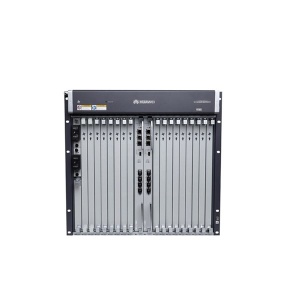
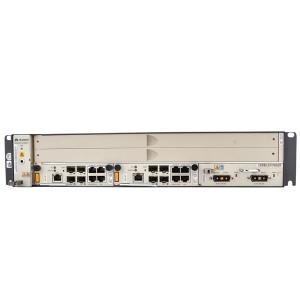
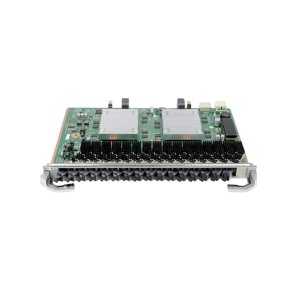
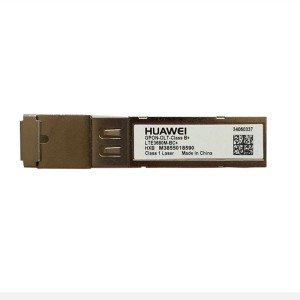
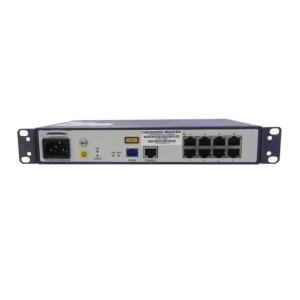
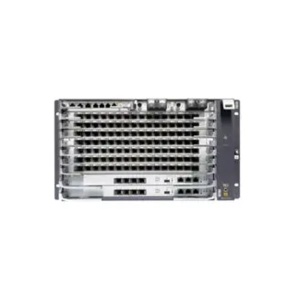
Explore our comprehensive range of high-capacity OLTs, service boards, optical modules, and client-side ONUs to build your end-to-end fiber network.