Wenzhou AIOU Optical Communication Co., Ltd.
Leave Your Message

GPON WiFi ONU for Data Center Optical Interface Switching

Empowering next-generation data center interconnectivity and optical networks with high-speed, low-latency Wi-Fi 6 GPON ONT solutions.

Featured GPON WiFi ONU Solutions

High-performance edge optical network terminals designed for seamless data center interface switching and high-density deployments.

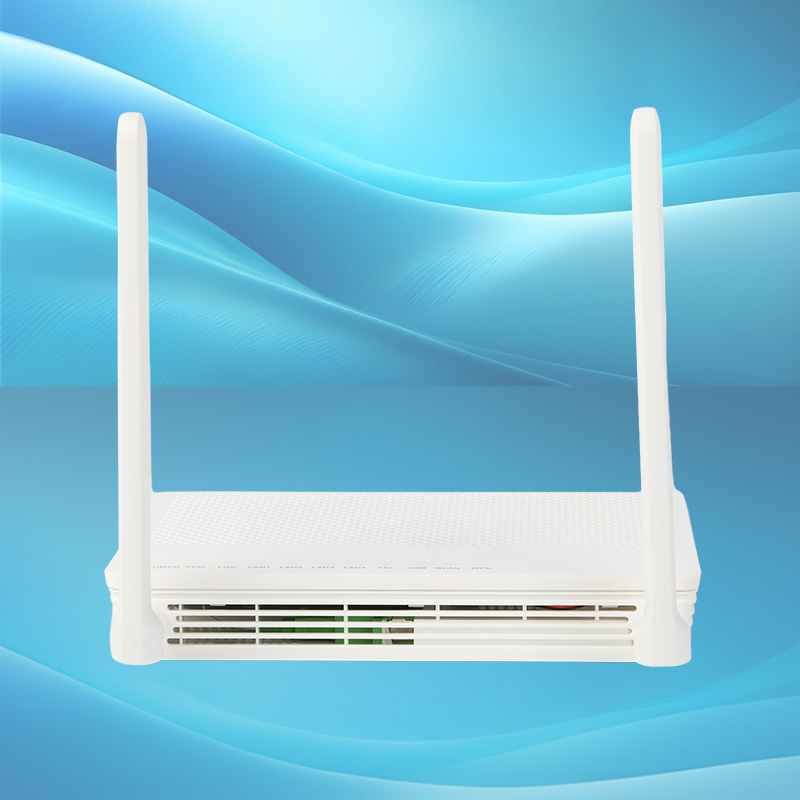
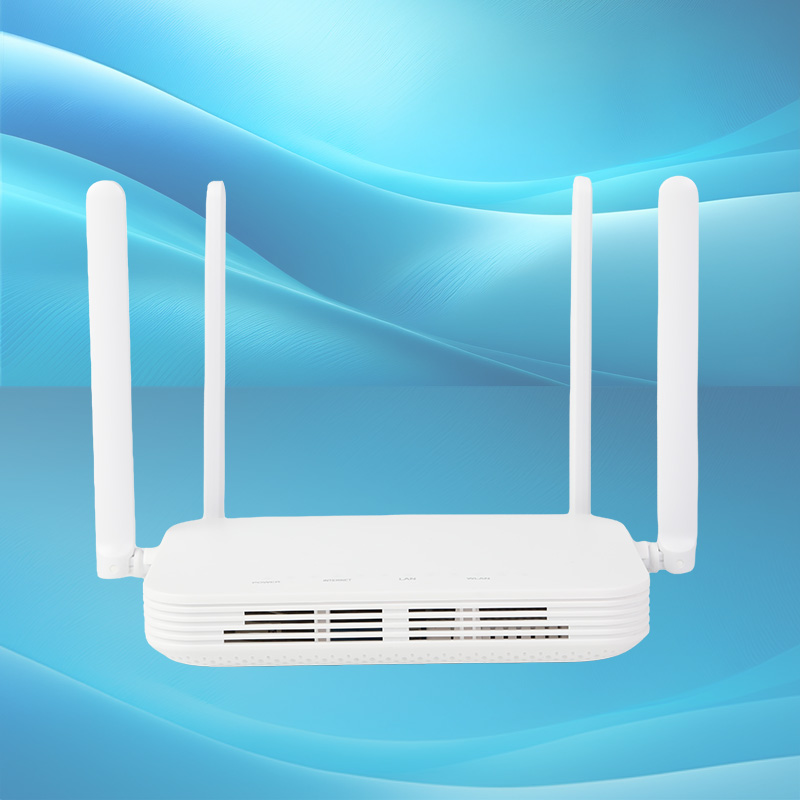
AIK662C AX3000 Wi-Fi 6 Edge ONT

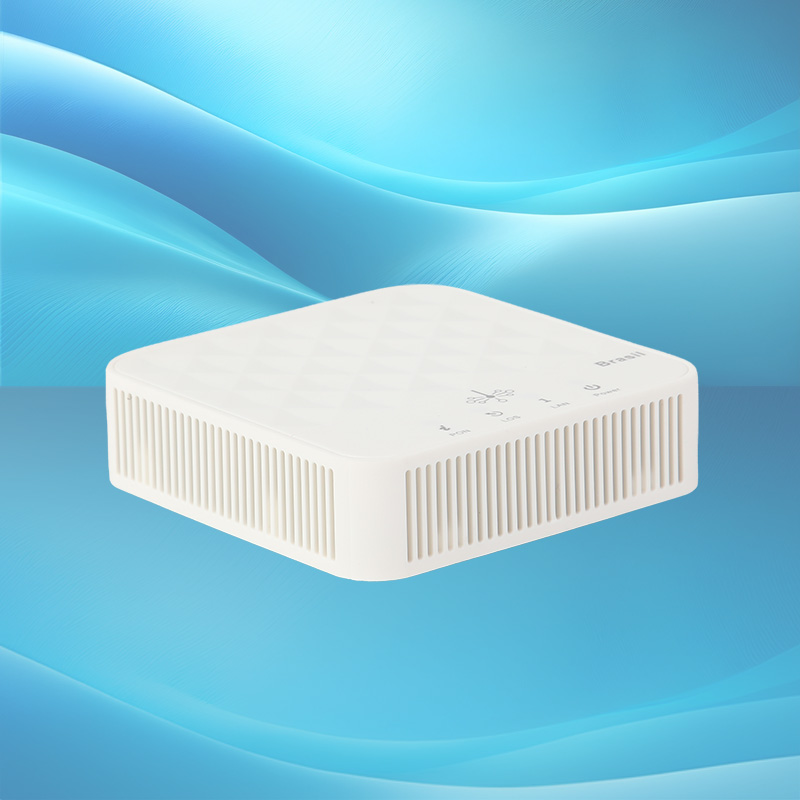
AIK662C AX3000 Wi-Fi 6 Edge ONT for Optical Interface Switching

View Details
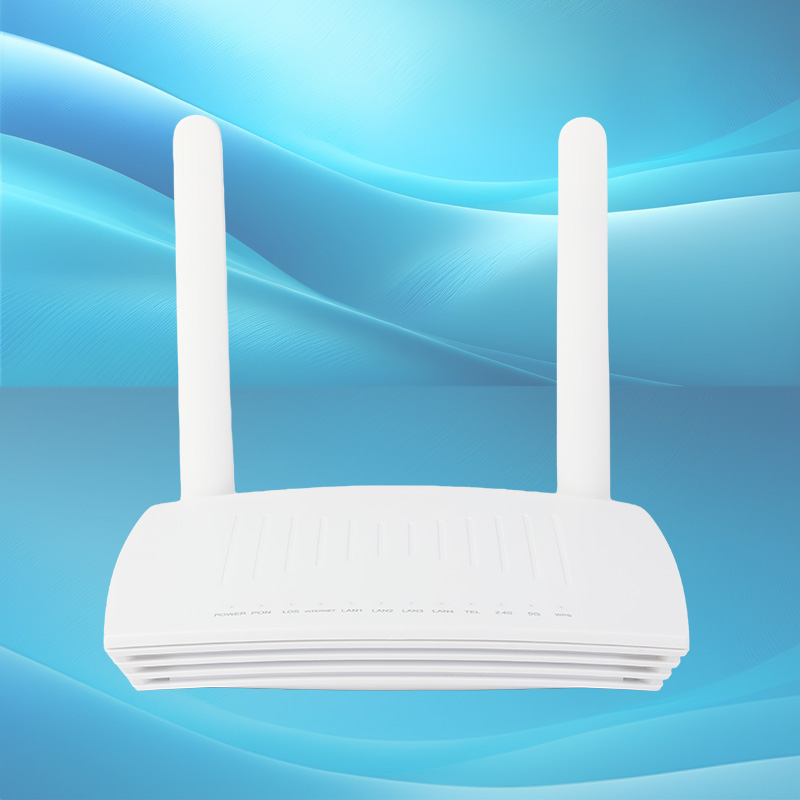
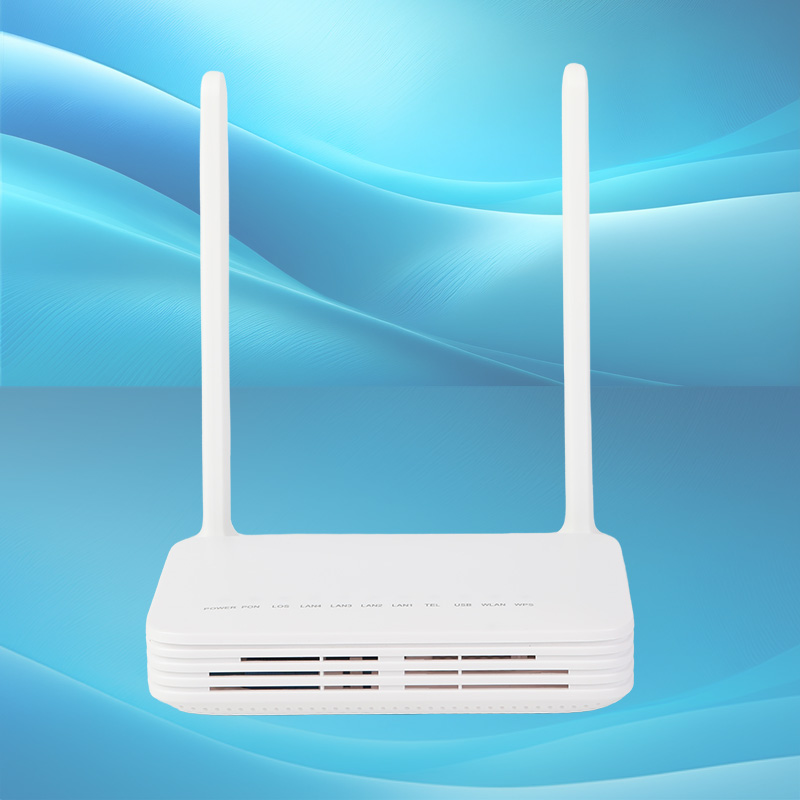
HS8545M5 / AI8545M5 GPON ONT

HS8545M5 / AI8545M5 GPON ONT Data Center Gateway

View Details
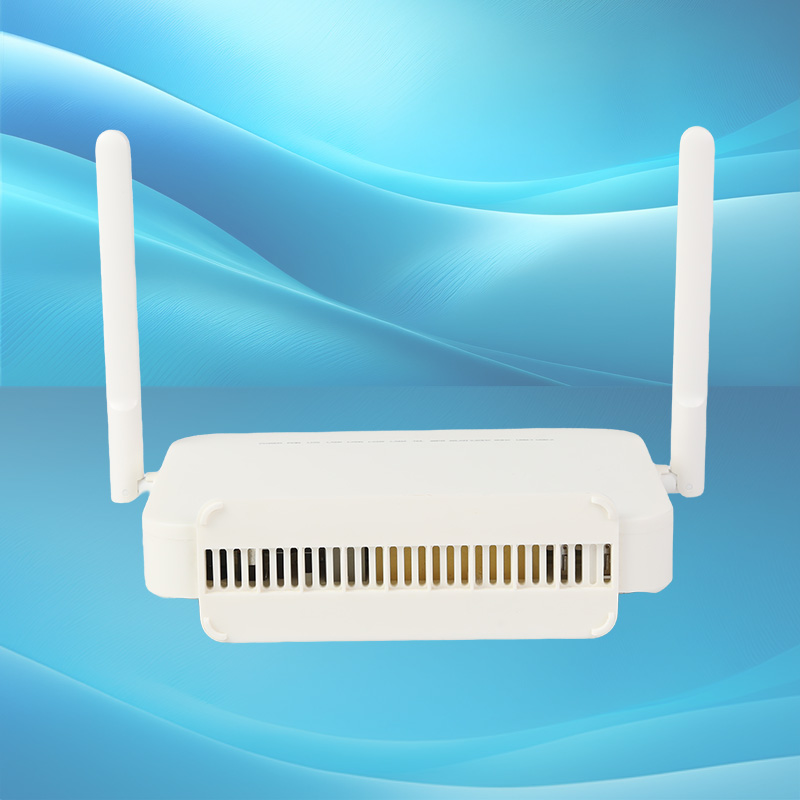
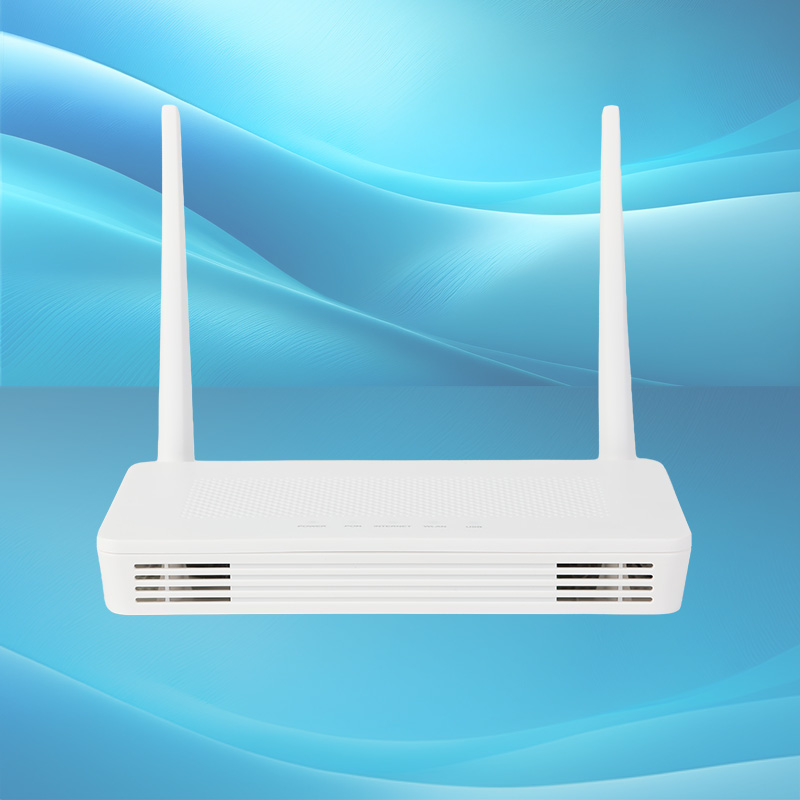
HS8145V / AI8145V GPON ONT

HS8145V / AI8145V GPON ONT Data Center Terminal

View Details
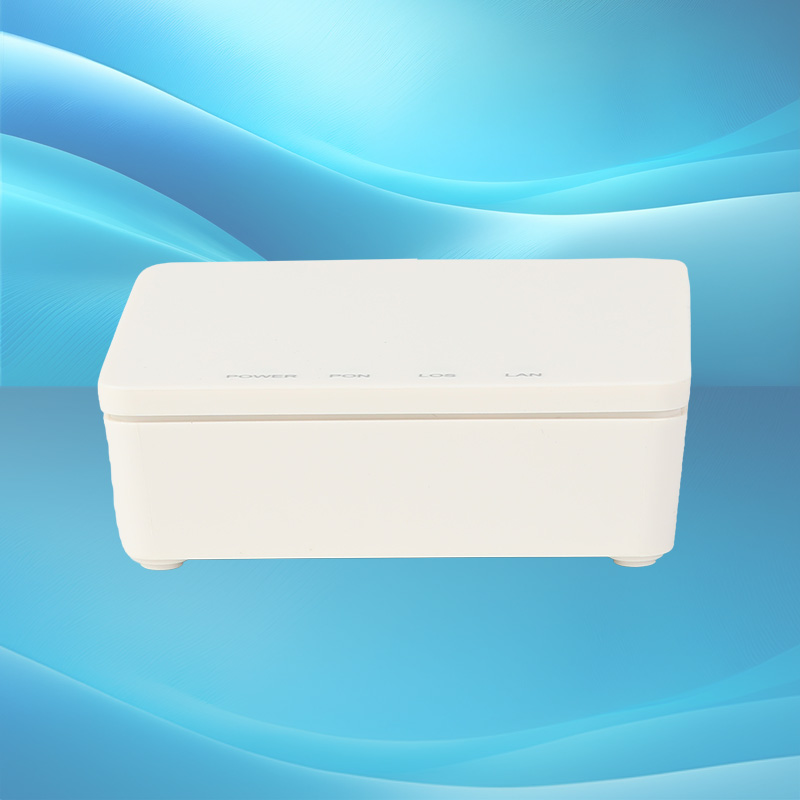
AI8310M Optical Network Terminal

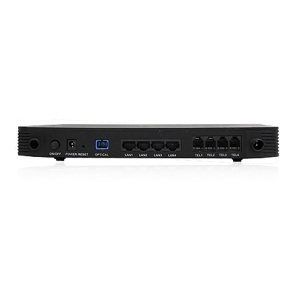
AI8310M Optical Interface Switching Network Terminal

View Details

The Evolution of GPON WiFi ONU in Data Center Optical Interface Switching

As modern data centers transition toward hyper-scale architectures, cloud integration, and microsecond-level latency requirements, the underlying networking infrastructure must evolve. Historically, Gigabit Passive Optical Network (GPON) technology and Wireless Optical Network Units (ONUs) were primarily seen in Fiber-to-the-Home (FTTH) and Fiber-to-the-Building (FTTB) deployments. However, the paradigm is shifting. Today, GPON WiFi ONUs are increasingly utilized for data center optical interface switching, offering a robust, secure, and energy-efficient solution for administrative networks, out-of-band (OOB) management, and edge-level environmental monitoring.

Optical interface switching in data centers refers to the process of dynamically routing and shifting optical data paths at the physical or logical layer. By incorporating GPON ONUs with high-speed Wi-Fi 6 (AX3000) capabilities, operators can establish dedicated wireless and wired optical access loops that operate independently of the primary heavy-traffic data plane. This ensures that even during high-congestion periods or major network maintenance windows, management connectivity remains uninterrupted, secured by optical-layer encryption and multi-frequency wireless protocols.

Key Industry Trend: The global demand for energy-efficient data centers (Green Data Centers) has accelerated the adoption of Passive Optical LAN (POL) architectures. Using GPON ONUs inside data centers reduces the reliance on active, heat-generating copper switches, significantly lowering Power Usage Effectiveness (PUE) ratios.

Why GPON Technology is Migrating into Data Center Networks

Traditional copper-based Ethernet switching in management networks poses challenges in terms of cabling density, electromagnetic interference (EMI), and power consumption. GPON technology addresses these issues directly:

  • Space Efficiency: Single-mode optical fiber cables are vastly thinner than Cat6/Cat7 copper cables. GPON's point-to-multipoint (P2MP) architecture allows a single optical line terminal (OLT) port to serve up to 64 or 128 ONUs through passive optical splitters, reducing rack cabling bulk by up to 80%.
  • Electromagnetic Immunity: Data center server racks generate significant electromagnetic noise. Optical fiber is completely immune to EMI, ensuring error-free transmission for critical management data.
  • Reduced Power and Cooling: Passive splitters require no electricity and generate no heat. By replacing active edge switches with passive optical distribution networks (ODN), data centers drastically cut down cooling overheads.

Deep-Dive Application Scenarios of GPON WiFi ONU in Data Centers

Integrating GPON WiFi ONUs into data center optical interface switching structures opens up several innovative deployment scenarios that streamline operations and enhance system reliability.

1. Secure Out-of-Band (OOB) Management Planes

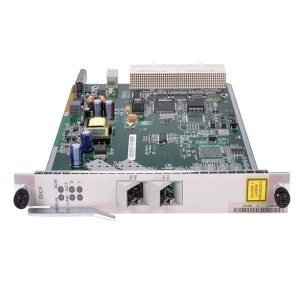
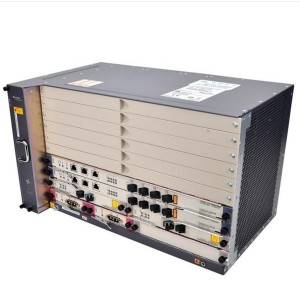
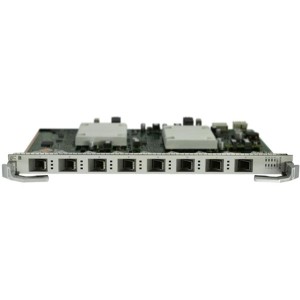
Out-of-band management is vital for configuring servers, switches, and storage arrays without using the primary production network. A GPON network, controlled by high-performance OLT service boards (such as the GICF or OXHD), provides a physically and logically isolated network route. The GPON WiFi ONU sits at the rack level, providing local RJ45 Ethernet ports directly to the IPMI/iDRAC ports of the servers. Simultaneously, the ONU's Wi-Fi 6 interface allows authorized field engineers to securely connect and run diagnostics via mobile devices or tablets without needing physical console cable plug-ins.

2. Optical Interface Switching and Redundancy Loops

In high-availability data centers, optical interface switching boards dynamically manage optical paths to prevent data loss. GPON ONUs act as intelligent endpoints that can detect link degradation. If a primary fiber path is compromised, the ONU, coordinated with the OLT, switches to a backup optical path within milliseconds. This rapid switching capability is essential for preserving the telemetry data flow that monitors data center health.

3. Environmental Sensor Networks and IoT Integration

Modern data centers deploy thousands of IoT sensors to monitor temperature, humidity, airflow, water leakage, and rack door security. Connecting all these sensors via traditional Ethernet switches is cost-prohibitive. GPON WiFi ONUs serve as the perfect aggregation points. Sensors can connect wirelessly via the ONU's Wi-Fi channel or through wired LAN ports, routing all environmental telemetry back to the centralized Data Center Infrastructure Management (DCIM) system over a single optical uplink.

Technical Insight: By leveraging Wi-Fi 6 (802.11ax) features like OFDMA and MU-MIMO, a single GPON WiFi ONU can manage hundreds of local IoT sensor connections simultaneously with minimal latency jitter, ensuring real-time environmental visibility.

Commercial Landscape & Future Trends in Optical Access Technology

The market for optical network terminals is undergoing a massive technological shift. As bandwidth demands grow, the industry is transitioning from standard GPON (2.5 Gbps downstream / 1.25 Gbps upstream) to 10G-PON (XG-PON and XGS-PON) and even 50G-PON. This evolution directly impacts data center optical interface switching architectures.

In commercial colocation facilities, tenant-specific management networks are increasingly virtualized over PON architectures. By using advanced GPON ONUs with VLAN stacking (QinQ) and Quality of Service (QoS) capabilities, data center operators can securely partition network access for different corporate clients, offering "Management-Network-as-a-Service" (MNaaS).

Key Future Trends to Watch:

  • Integration of Wi-Fi 7: While Wi-Fi 6 ONUs are currently the industrial standard for reliability, the upcoming wave of Wi-Fi 7 GPON/XGS-PON ONUs will introduce Multi-Link Operation (MLO), further reducing latency and increasing wireless reliability in high-density data center environments.
  • AI-Driven Optical Path Optimization: Future optical interface switching boards will utilize machine learning algorithms to predict fiber degradation and proactively command ONUs to switch optical wavelengths or paths before a packet drop occurs.
  • Unified PON-Ethernet Orchestration: Network management software is evolving to treat GPON access networks and core Ethernet switching fabrics as a single unified entity, simplifying provisioning through Software-Defined Networking (SDN) controllers.

Why We're Your Best Choice

Focused on the research, development, and manufacturing of cutting-edge optical network access solutions.

Rapid Production

Rapid Production & Delivery

Streamlined manufacturing pipelines ensure rapid turnaround times for both small batch and bulk optical hardware orders.

Independent R&D

Independent R&D Team

Our dedicated engineering team continuously innovates, developing advanced firmware and hardware custom-tailored for optical networks.

OEM/ODM

OEM/ODM Capabilities

Fully customizable hardware, branding, and software configurations to meet specific carrier and enterprise requirements.

Interoperability

Good Interoperability

Our GPON ONUs are rigorously tested for seamless compatibility with major third-party OLT systems worldwide.

After-sales Care

After-Sales Care & Support

Comprehensive technical support, warranty services, and firmware updates to ensure long-term operational stability.

Stable Supply

Stable Supply Capacity

Robust supply chain management guarantees consistent availability of critical components and finished goods.

Industry Applications

Our fiber optic communication equipment is widely deployed across diverse sectors to enable high-speed transmission and smart automation.

5G & Edge Networks

Providing low-latency optical fronthaul and backhaul connections to support high-density 5G microcell deployments.

Data Center Infrastructures

Optimizing rack-level switching, out-of-band management planes, and fiber routing architectures for maximum uptime.

Smart City Systems

Connecting municipal surveillance, traffic control, and public Wi-Fi networks over a unified passive optical backbone.