Wenzhou AIOU Optical Communication Co., Ltd.



Leave Your Message
-
 Get Your Quote
-
 Email
As global data consumption surges, telecommunication operators and internet service providers (ISPs) face continuous pressure to scale network infrastructure. Optical Line Terminal (OLT) expansion projects are at the heart of this digital evolution. By upgrading central office OLTs with higher density service boards and transceivers, operators can significantly increase subscriber capacity. However, the success of any OLT expansion depends heavily on the compatibility, performance, and deployment efficiency of the CPEs (Customer Premises Equipment)—namely, GPON ONUs (Optical Network Units) and ONTs (Optical Network Terminals).
GPON (Gigabit Passive Optical Network) remains the dominant technology for Fiber-to-the-Home (FTTH), Fiber-to-the-Business (FTTB), and Fiber-to-the-Office (FTTO) networks. In expansion projects, selecting the right GPON ONU/ONT is critical for maintaining high Quality of Service (QoS), mitigating operational expenditures (OPEX), and ensuring long-term hardware compatibility. Whether expanding network footprints in rural greenfield areas or upgrading congested urban brownfields, high-performance terminal units bridge the physical fiber infrastructure to the subscriber’s home or enterprise network.
The telecommunications industry is undergoing a massive paradigm shift driven by high-bandwidth applications such as 4K/8K video streaming, cloud computing, online gaming, and the proliferation of smart home devices. Furthermore, the integration of Industrial Internet of Things (IIoT) and smart city infrastructures demands reliable, low-latency communication. To meet these needs, operators are executing OLT expansion projects to transition from legacy GPON networks toward high-speed 10G-PON (XG-PON/XGS-PON) and eventually 25G/50G-PON systems.
During these transition phases, XPON (dual-mode GPON/EPON) ONUs play a vital role. They allow operators to seamlessly scale their networks without forcing premature, costly replacements of user-end hardware. By deploying flexible ONUs that support both GPON and EPON standards, service providers protect their capital investments (CAPEX) while ensuring a clear migration path to next-generation fiber technologies.
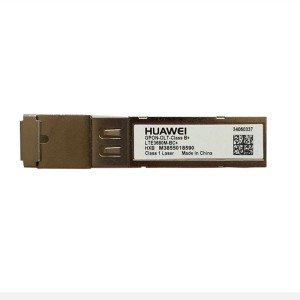
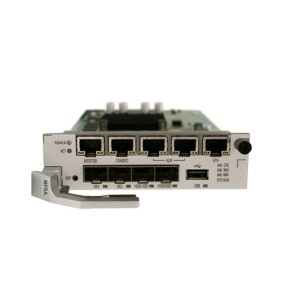
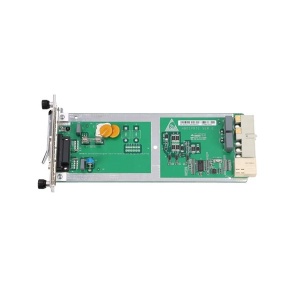
When extending fiber optical networks, engineers must look beyond simple raw speed. A successful expansion project involves a complex interplay of optical power budgets, transceiver classifications, and backplane switching capacities. Key technical domains include:
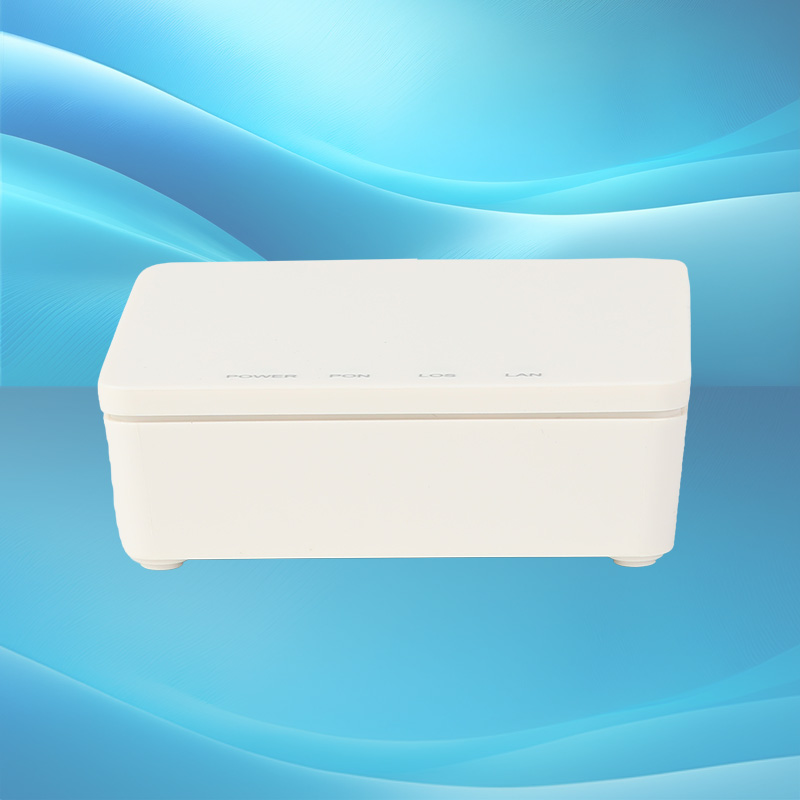
Historically, telecom operators were locked into single-vendor ecosystems. If the central office OLT was manufactured by a specific vendor, all deployed ONUs/ONTs had to be sourced from the same manufacturer. Today, interoperability is a primary requirement for any OLT expansion project. Modern GPON ONUs are designed with advanced OMCI (ONT Management and Control Interface) protocols that conform to ITU-T G.984.4 standards. This ensures that third-party ONTs can seamlessly pair with OLTs from major global vendors (such as Huawei, ZTE, Nokia, and FiberHome), dramatically lowering procurement costs and mitigating supply chain risks.
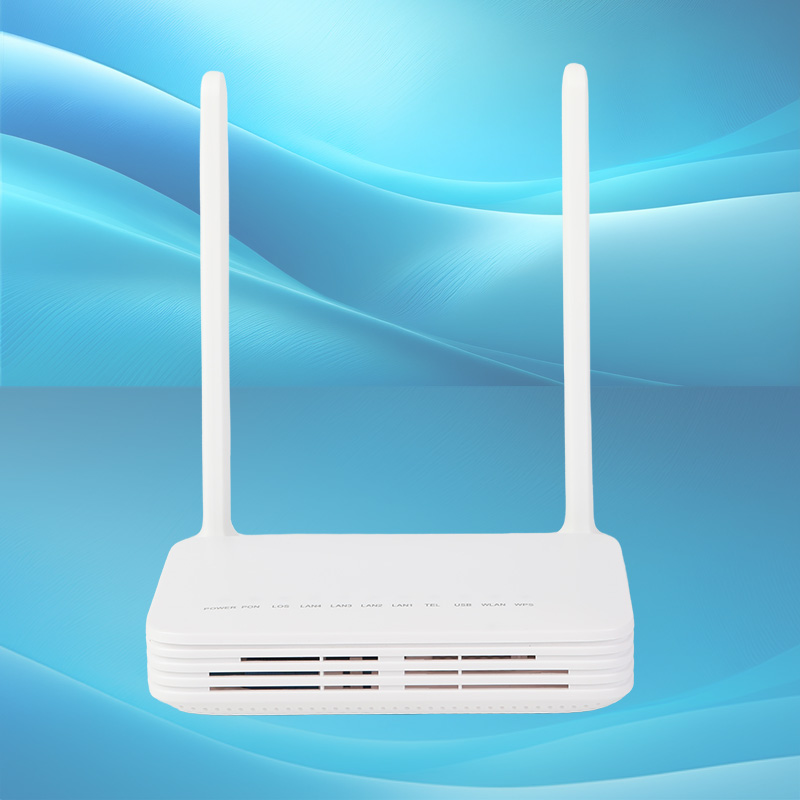
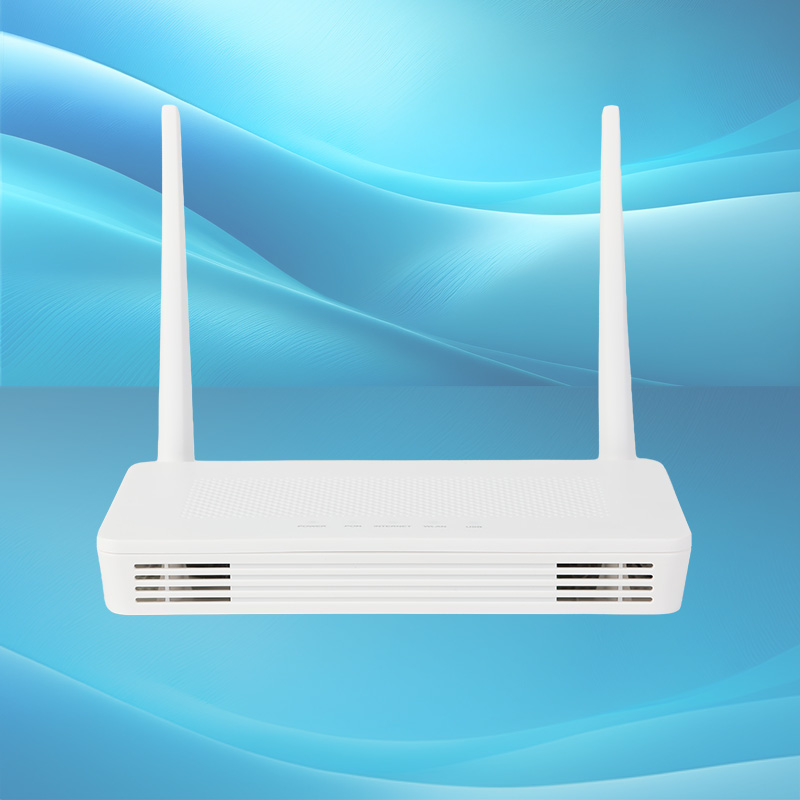
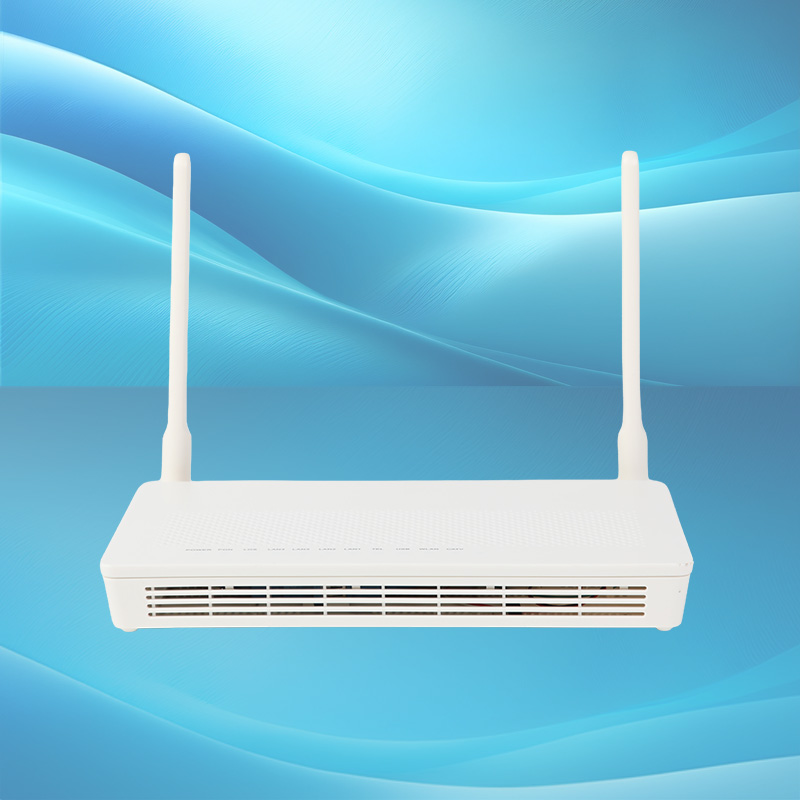
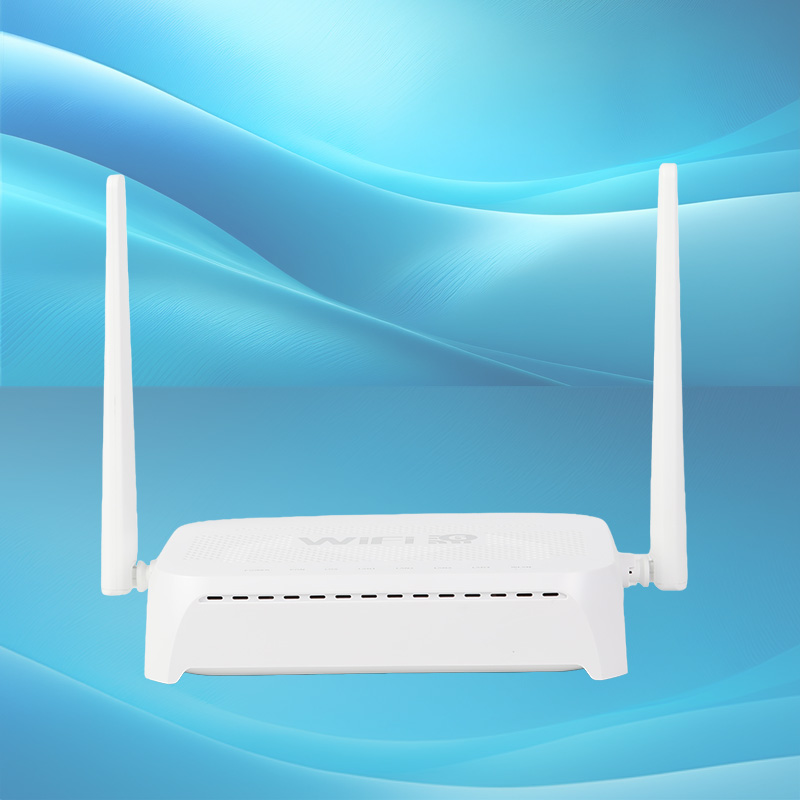
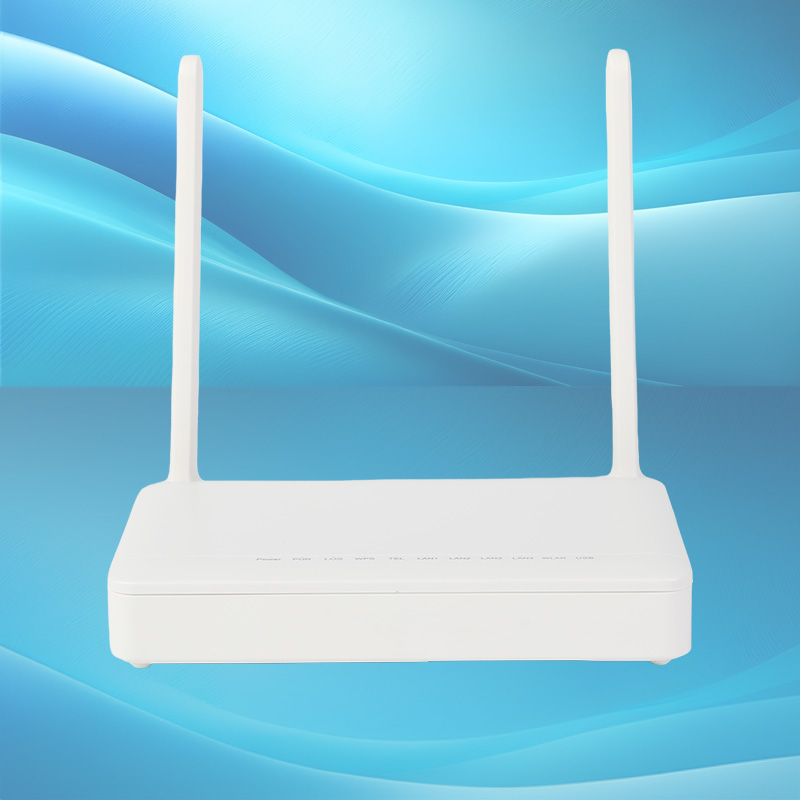
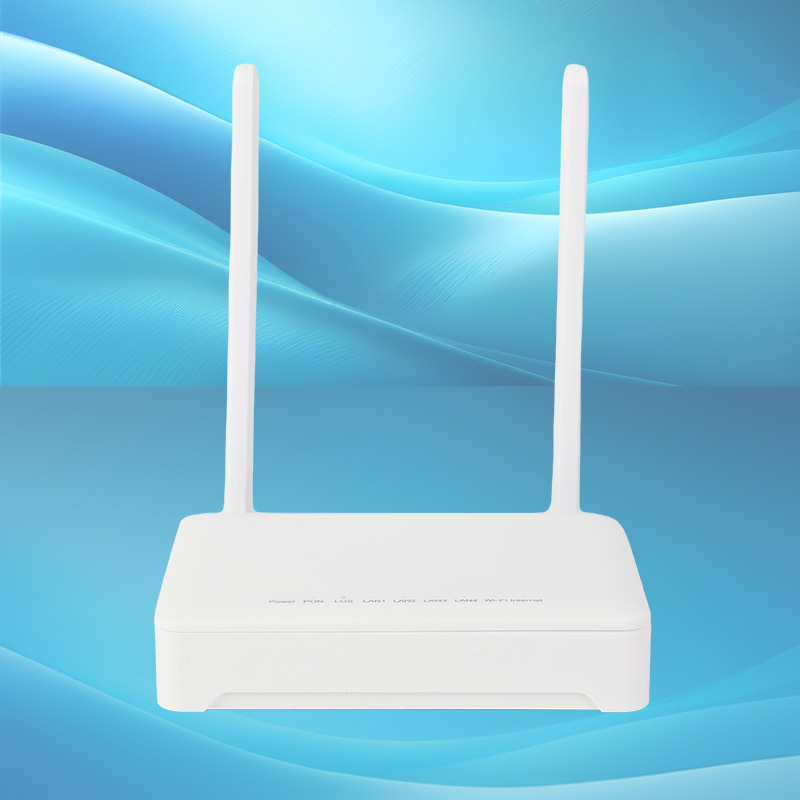
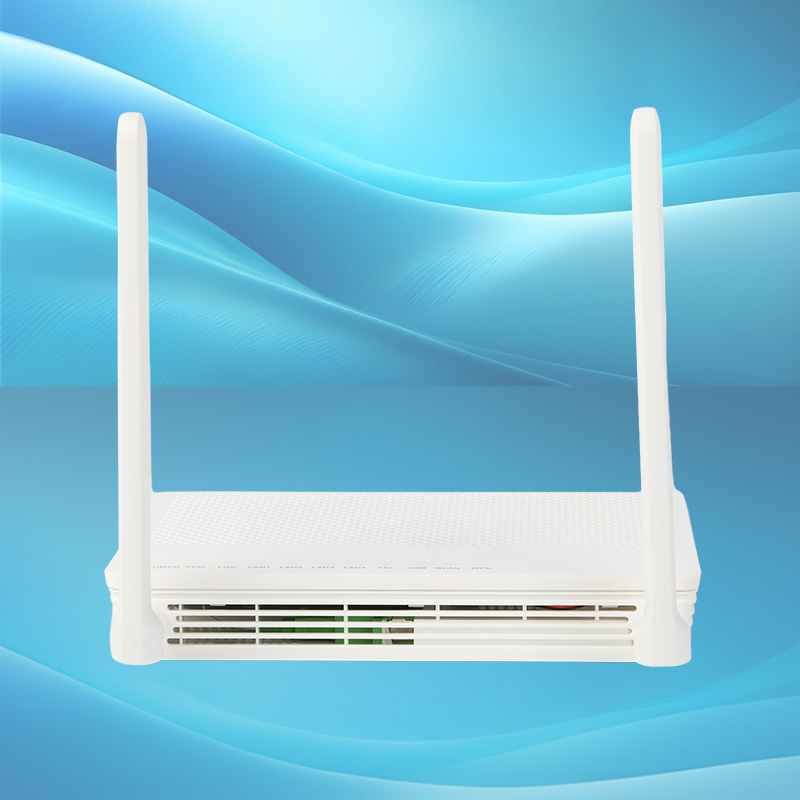
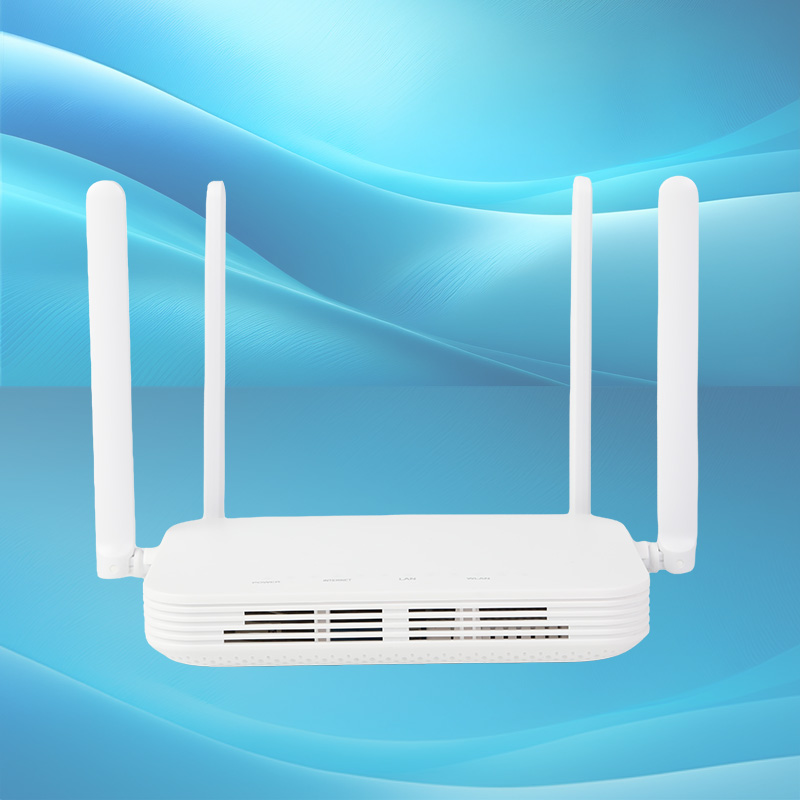
An OLT expansion project is only as good as the user experience it delivers. Modern subscribers demand gigabit-level wireless connectivity throughout their homes and offices. Deploying advanced edge terminals, like the AIK662C AX3000 Wi-Fi 6 Edge ONT or the Ai-1426-MA WiFi 6 GPON ONT, allows service providers to deliver ultra-fast wireless speeds, lower latency, and superior device capacity directly from the optical endpoint. This reduces the need for secondary external routers, simplifies home networking setups, and minimizes customer support inquiries related to local Wi-Fi bottlenecks.


GPON ONU/ONT solutions are not limited to standard residential internet connections. Their high bandwidth, reliability, and long-distance transmission capabilities make them suitable for a wide array of specialized industrial and commercial application scenarios:
In standard residential expansions, ONUs act as the central gateway for "Triple-Play" services—integrating high-speed internet, Voice over IP (VoIP), and IPTV/CATV video services into a single fiber link. Terminal units equipped with RF video ports and POTS (Plain Old Telephone Service) interfaces allow operators to deliver legacy voice and television services alongside modern gigabit broadband, maximizing average revenue per user (ARPU).
Modern enterprises are replacing traditional copper-based Ethernet LANs with Passive Optical LANs (POL). By utilizing GPON OLTs and ONUs within office buildings, schools, and hospitals, organizations can reduce cabling space by up to 90%, lower power consumption, and extend network lifespans. Enterprise-grade ONUs provide secure, high-density Ethernet ports with advanced VLAN tagging and Quality of Service (QoS) features to isolate and prioritize critical corporate traffic.
Smart cities rely on thousands of interconnected sensors, surveillance cameras, and traffic control systems. Outdoor, hardened GPON ONUs are deployed in street cabinets, utility poles, and industrial environments to aggregate data from these edge devices. Because passive optical networks do not require active, powered switches in the field, they offer unparalleled reliability in harsh environmental conditions, making them ideal for municipal and industrial monitoring networks.
As 5G networks deploy high-frequency millimeter-wave small cells to achieve dense coverage, backhauling the massive volume of wireless traffic to the core network becomes a challenge. GPON and next-generation 10G-PON networks offer a cost-effective, pre-existing fiber infrastructure that can be leveraged for mobile backhaul. High-speed ONUs situated at 5G small cell sites provide the low-latency, high-capacity link required to transport cellular traffic back to the OLT and core network.
From providing high-density residential broadband access to facilitating low-latency industrial automation and smart grid monitoring, our GPON ONU/ONT solutions are engineered to support the diverse and demanding scenarios of modern optical communication networks.