Wenzhou AIOU Optical Communication Co., Ltd.



Leave Your Message
-
 Get Your Quote
-
 Email
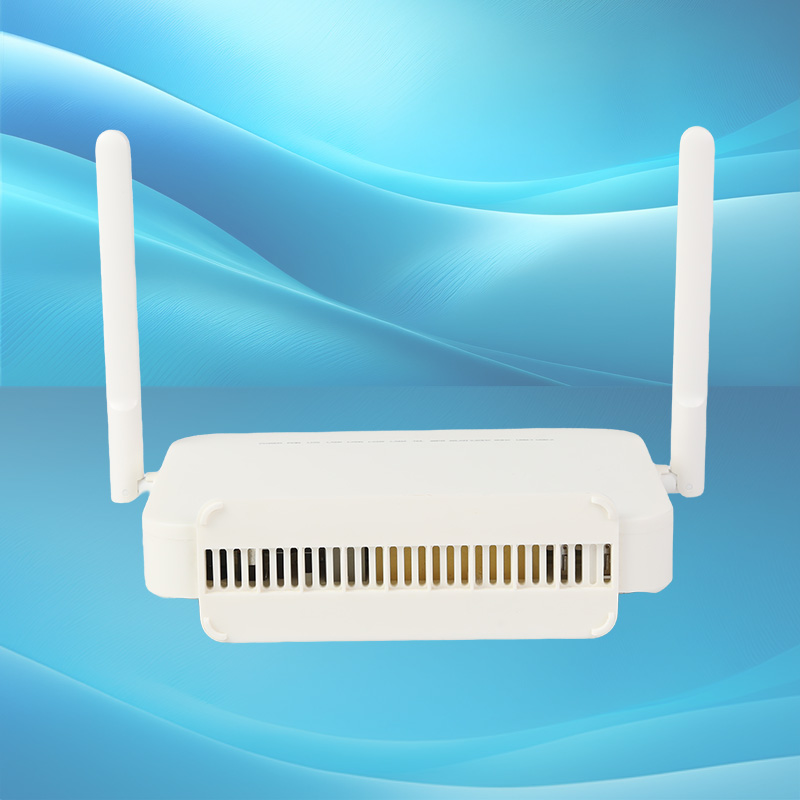
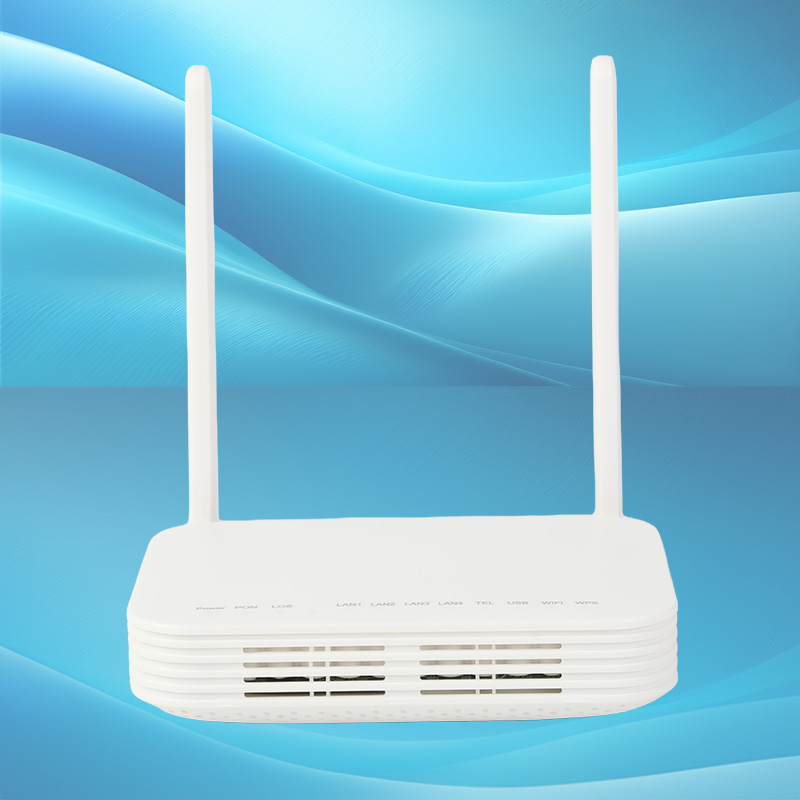
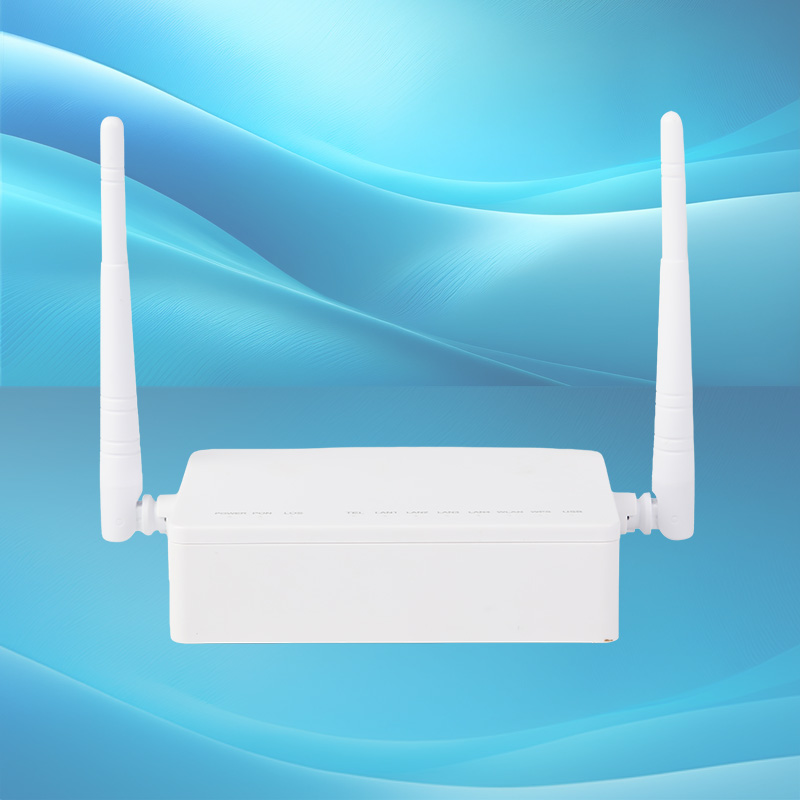
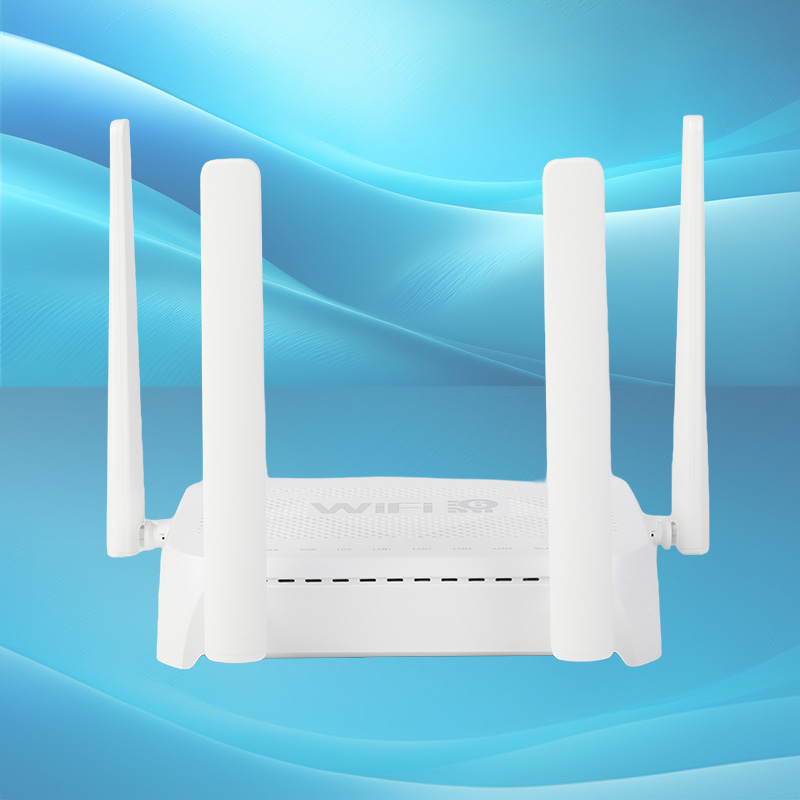
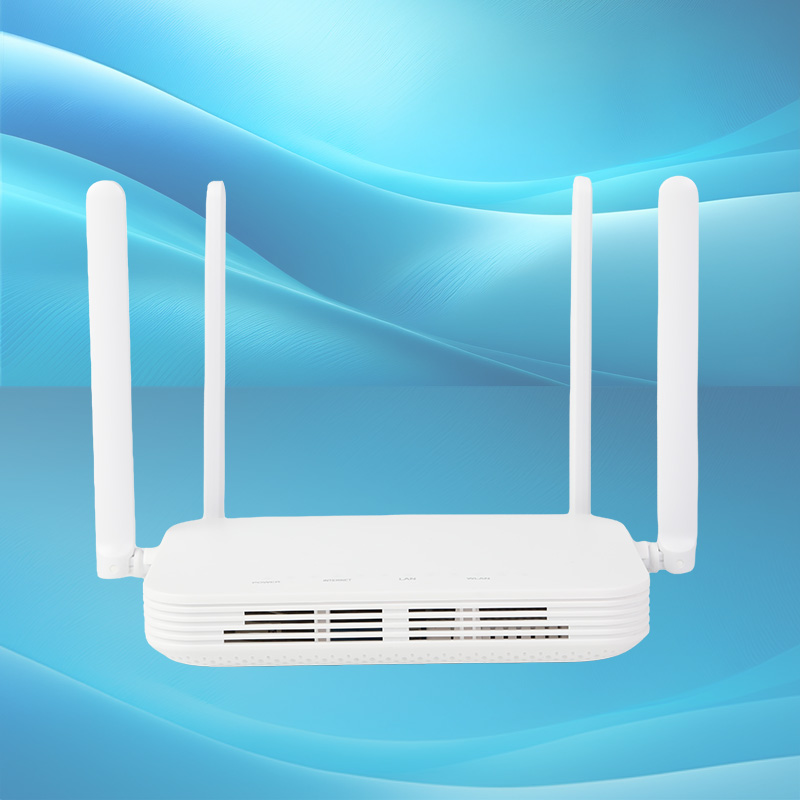
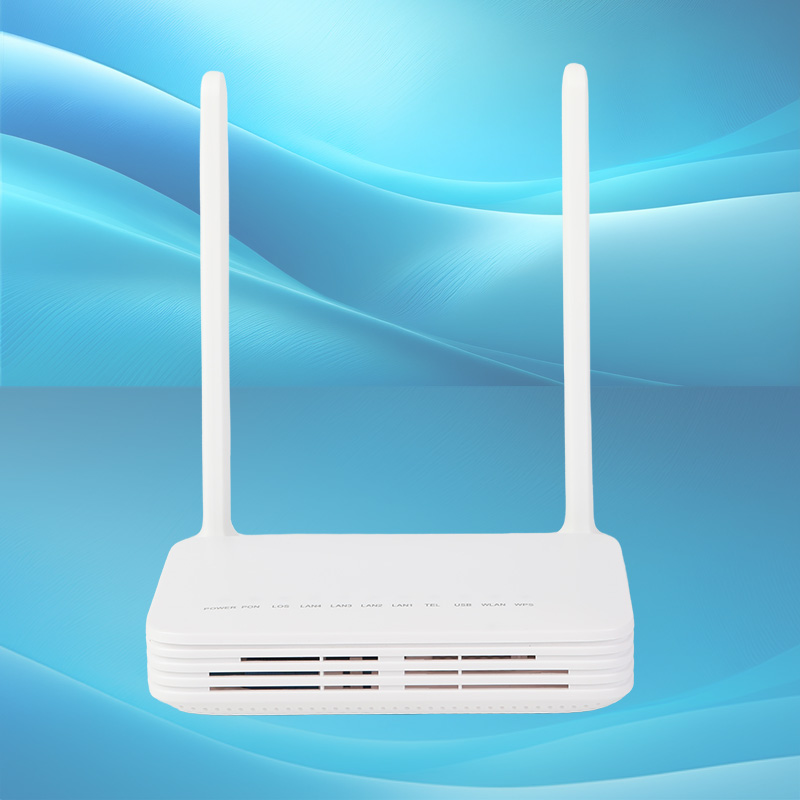
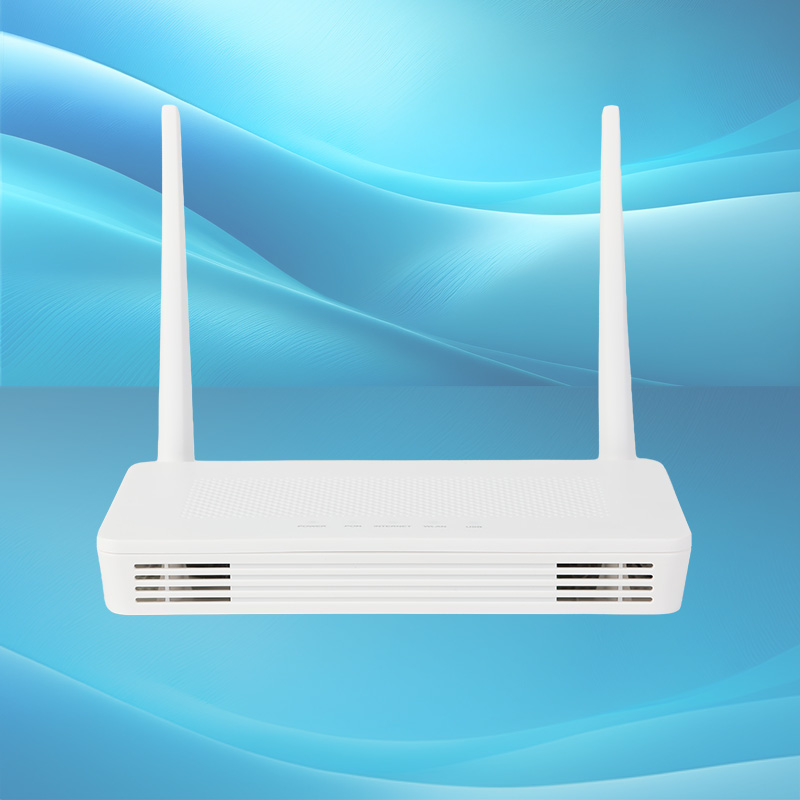
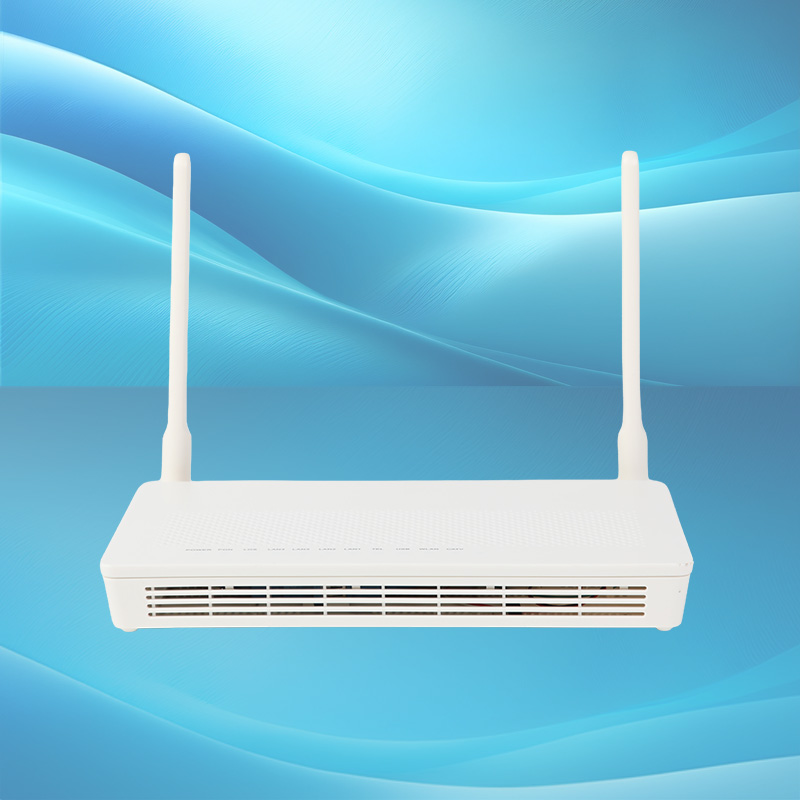
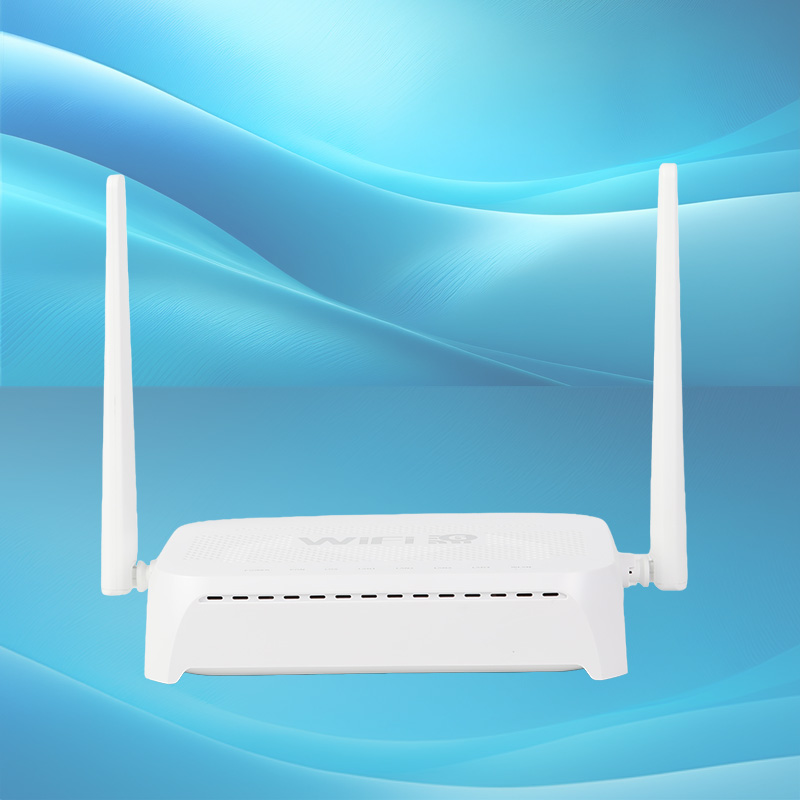
As modern homes and enterprises demand unprecedented bandwidth, traditional networking topologies are pushed to their limits. Fiber-to-the-Home (FTTH) has successfully delivered high-speed fiber pipes to the building entrance. However, the bottleneck has shifted from external WAN speeds to internal local distribution. Copper Ethernet cables and standard Wi-Fi routers frequently fail to maintain gigabit speeds through thick concrete walls and across multi-story buildings. This is where Gepon Onu Wifi For FTTR Gigabit Wi-Fi 6 Networking steps in as the definitive industry solution.
FTTR, or Fiber-to-the-Room, replaces traditional Ethernet and mesh Wi-Fi configurations with micro-optical fiber networks routed directly into individual rooms. By utilizing GEPON (Gigabit Ethernet Passive Optical Network) ONUs equipped with built-in Wi-Fi 6 (802.11ax) capabilities, network operators can deliver full gigabit connectivity to every corner of a property. This dual integration of fiber backhaul and next-generation wireless technology ensures zero latency degradation, ultra-high device density handling, and seamless roaming transitions.
"By routing optical fibers directly to individual rooms, FTTR architecture slashes internal latency by up to 60% and maintains true gigabit wireless throughput, avoiding the signal attenuation common to standard copper-based LANs."
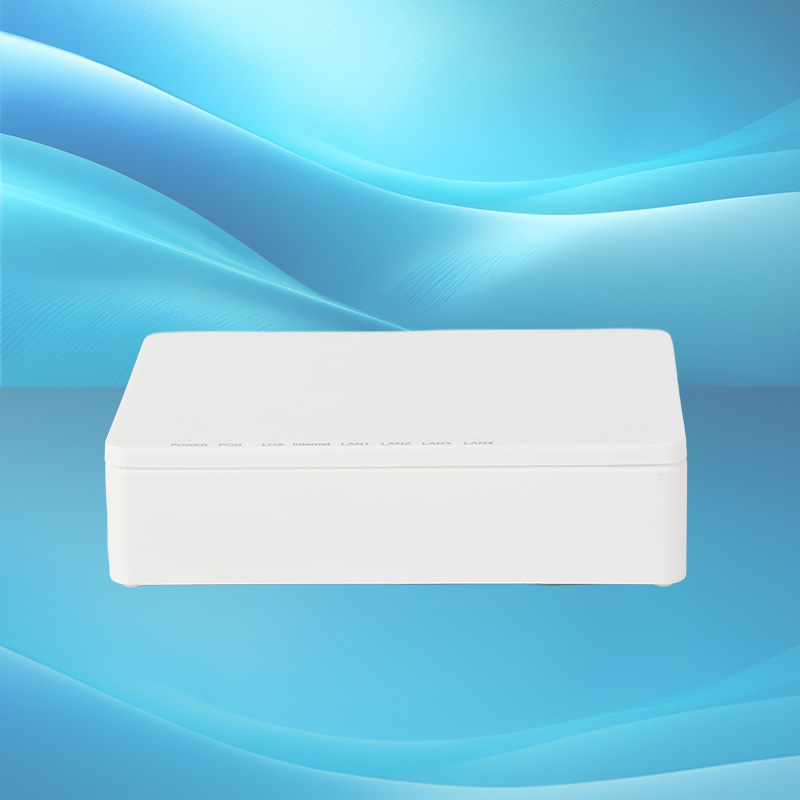
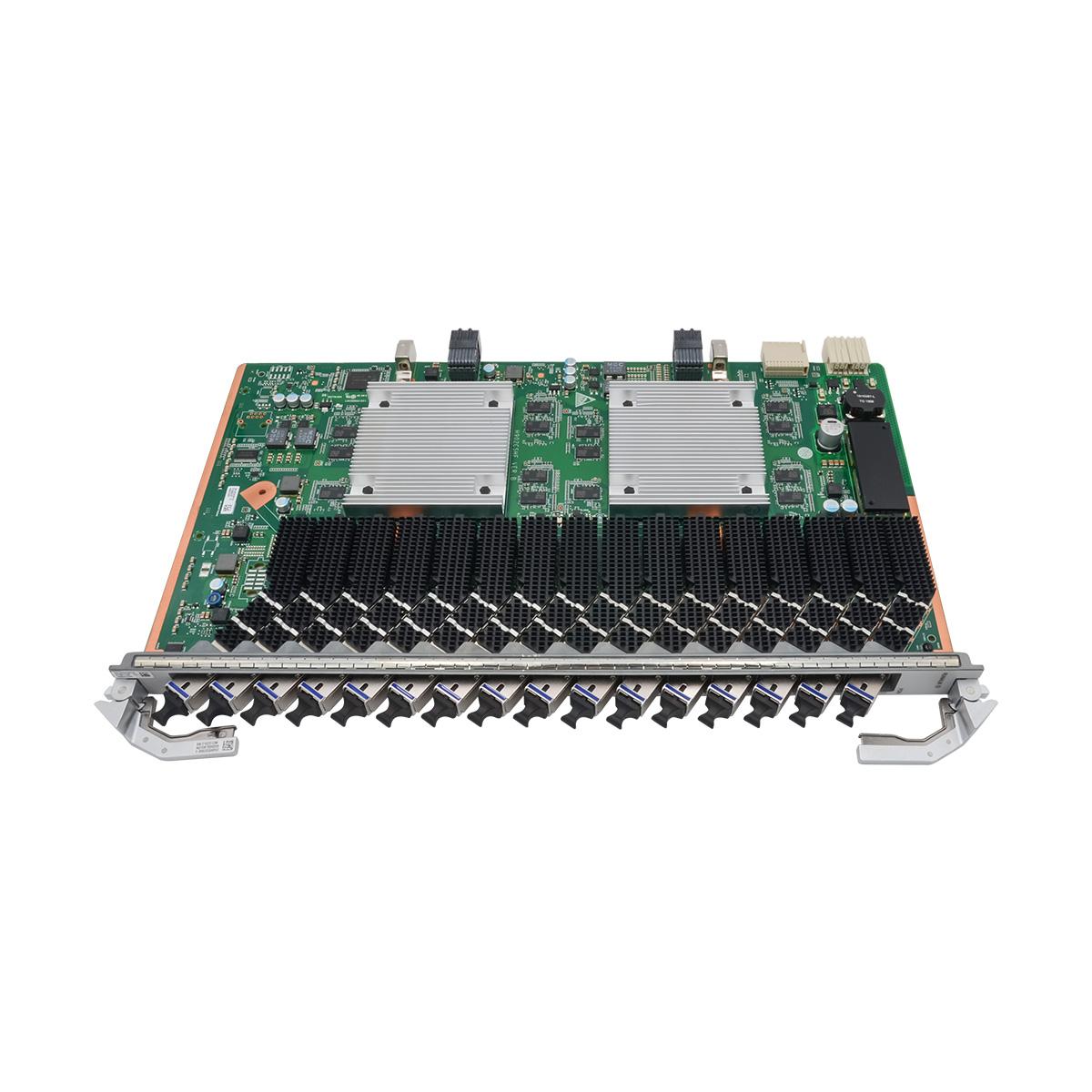
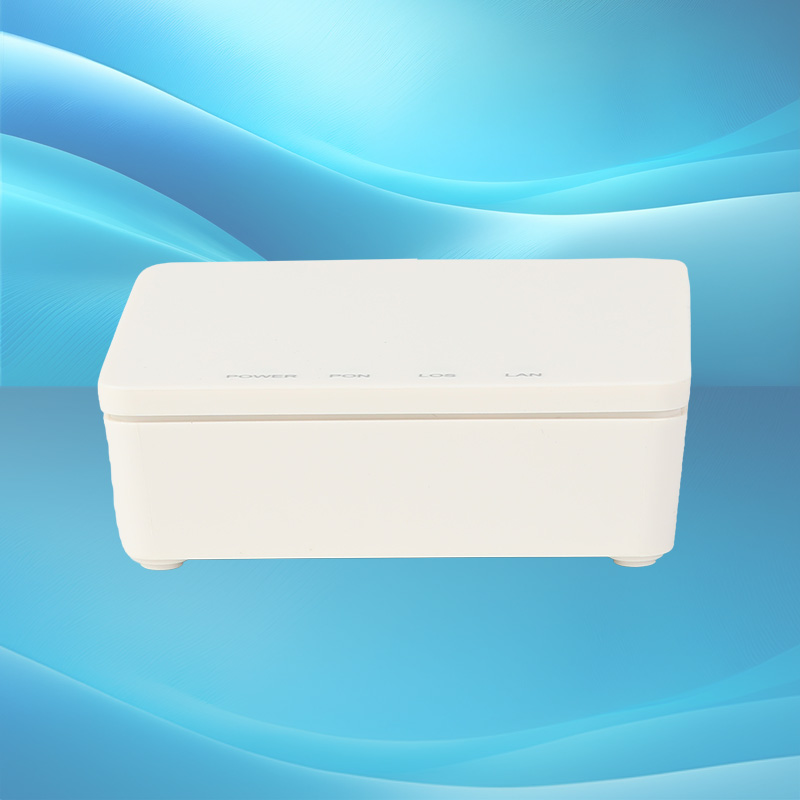
GEPON is a highly efficient point-to-multipoint (P2MP) optical access technology. In an FTTR network, a master ONU (Optical Network Unit) connects to the service provider's OLT (Optical Line Terminal). The master unit then splits the optical signal through a home-run passive optical splitter to multiple slave ONUs positioned in various rooms.
This passive optical infrastructure offers several distinct advantages:
A gigabit optical pipe is only as good as the wireless connection delivering it to the user's device. Wi-Fi 6 (802.11ax) is specifically designed to handle high-density environments and maximize throughput. When integrated into a GEPON ONU, Wi-Fi 6 unlocks features such as:
OFDMA (Orthogonal Frequency Division Multiple Access): This allows the ONU to divide a single wireless channel into smaller sub-channels, transmitting data to multiple devices simultaneously. This dramatically reduces latency for real-time applications like video conferencing and online gaming.
MU-MIMO (Multi-User, Multiple-Input, Multiple-Output): Enables the GEPON ONU to communicate with multiple devices at the same time using dedicated spatial streams, ensuring that high-bandwidth activities do not choke the network.
BSS Coloring: Minimizes co-channel interference in dense apartment complexes or office buildings by "coloring" packets from different networks, allowing devices to ignore background wireless noise.
In high-end residential projects, users expect instantaneous response times from smart home devices while simultaneously streaming 4K/8K videos and engaging in virtual reality (VR) gaming. Standard wireless routers struggle when signal paths cross multiple rooms, causing buffering and dropouts.
By deploying a Gepon Onu Wifi For FTTR Gigabit Wi-Fi 6 Networking setup, a master ONU splits fiber links to slave ONUs in the home theater, bedrooms, and study. The result is a unified, high-speed fiber network with seamless roaming. As a user moves from the living room to the bedroom, their VR headset transitions from one ONU to another without dropping a single packet.
Modern offices are packed with laptops, smartphones, VoIP systems, and IoT sensors. Traditional Wi-Fi networks suffer from high collision rates and bandwidth degradation as the number of active clients rises.
FTTR solves this by running fiber directly to conference rooms, open-plan workspaces, and executive suites. Each room gets its own dedicated GEPON ONU Wifi access point. Working in harmony, these ONUs utilize Wi-Fi 6’s OFDMA and MU-MIMO capabilities to handle hundreds of concurrent client connections without sacrificing speed or security.
On the factory floor, reliability and low latency are non-negotiable. Machines, robotic arms, and automated guided vehicles (AGVs) must communicate with control servers in real time.
Standard copper cabling is highly susceptible to electromagnetic noise generated by heavy machinery. Laying optical fiber directly to localized GEPON ONUs in different assembly zones ensures noise-free, ultra-low latency data transmission. The integrated Wi-Fi 6 module provides robust wireless access for mobile industrial scanners and automated systems, boosting operational efficiency.
Schools and universities increasingly rely on hybrid learning models, where lectures are streamed live in high-definition while students in the classroom use tablets to access cloud resources.
An FTTR deployment ensures that every classroom has a dedicated gigabit fiber connection terminating at a Wi-Fi 6 ONU. This prevents a high-density bottleneck at the campus gateway and ensures that students and teachers experience lag-free access to educational materials, regardless of how many classrooms are online simultaneously.

Streamlined manufacturing processes and a robust supply chain ensure fast turnaround times for bulk orders.

Our engineering experts continuously innovate to integrate the latest FTTR and Wi-Fi 6 technologies.

We offer tailored hardware configurations, custom branding, and specialized firmware integration.

Our ONUs are thoroughly tested to ensure seamless compatibility with major OLT brands globally.

Comprehensive technical support and product warranties provide peace of mind for operators.

Large-scale production facilities guarantee a steady supply of hardware for long-term projects.


While gigabit networks are currently the gold standard, the future lies in 10-Gigabit optical access. As applications like real-time volumetric video, holographic meetings, and localized AI model training gain traction, the backhaul network will need to scale. Future FTTR systems will rely on 10G-EPON and XGS-PON technologies to deliver symmetric 10 Gbps speeds to the home, which will then be divided into multi-gigabit streams to individual rooms.
Even as Wi-Fi 6 continues to roll out globally, Wi-Fi 7 (802.11be) is emerging on the horizon. Offering features like Multi-Link Operation (MLO) and 320 MHz channel widths, Wi-Fi 7 will allow ONUs to transmit data across multiple wireless bands simultaneously. Integrating Wi-Fi 7 into the FTTR master-slave architecture will reduce latency to sub-millisecond levels, making wireless connections indistinguishable from physical fiber links.
Managing a multi-node optical network inside a home or office can be complex. Future GEPON ONUs will feature built-in AI algorithms to automatically optimize channel selection, manage power consumption, and dynamically allocate bandwidth based on real-time application demands. For example, the system will prioritize traffic for an active video conference over a background software download, ensuring a seamless user experience.
Energy efficiency is a key priority for global telecommunications operators. Future GEPON ONUs will incorporate advanced chipsets with intelligent sleep modes, reducing power consumption during periods of low network activity. By utilizing passive optical splitters and energy-efficient ONUs, FTTR networks will help operators and end-users meet strict environmental sustainability targets.
Get in touch with our technical sales team today to discuss custom hardware configurations, OEM/ODM opportunities, or to request a quote for your next project.
Contact Our Experts