Wenzhou AIOU Optical Communication Co., Ltd.



Leave Your Message
-
 Get Your Quote
-
 Email
High-performance optical line terminals and network units optimized for high-bandwidth deployment across North American networks.
The digital infrastructure of the United States is undergoing a massive transformation. Driven by federal initiatives such as the Broadband Equity, Access, and Deployment (BEAD) program and the Rural Digital Opportunity Fund (RDOF), telecommunication companies, municipal governments, and local Wireless Internet Service Providers (WISPs) are racing to deploy high-speed fiber-to-the-home (FTTH) networks. At the heart of this deployment is GPON (Gigabit Passive Optical Network) technology, specifically the Optical Network Unit (ONU) or Optical Network Terminal (ONT). As a leading China ZTE GPON ONU manufacturer and factory serving the United States market, we specialize in delivering carrier-grade, highly interoperable, and cost-effective fiber terminal solutions designed to meet the rigorous demands of US network operators.
In the US, broadband consumption has surged, fueled by remote work, high-definition streaming, cloud computing, and the proliferation of smart home devices. Traditional copper-based DSL and coaxial cable networks are rapidly being replaced by optical fiber. GPON technology remains the most widely deployed fiber access standard due to its excellent balance of cost, bandwidth capacity, and mature ecosystem. For US operators looking to scale their networks, sourcing GPON ONUs from a reliable China ZTE GPON ONU factory ensures access to state-of-the-art hardware, robust supply chains, and significant cost savings without compromising on quality or compliance.
The demand for GPON ONUs in the United States spans several key sectors:
Focused on the research, development, and manufacturing of optical network access solutions.


As the telecommunication landscape evolves, several key technological trends are shaping the procurement and deployment of GPON ONUs in the United States. Understanding these trends is crucial for network architects and purchasing managers who want to future-proof their network investments.
While GPON (2.5 Gbps downstream / 1.25 Gbps upstream) remains the workhorse of FTTH networks, there is a clear migration path toward XGS-PON (10 Gbps symmetrical). US consumers are increasingly demanding symmetrical upload and download speeds to support real-time applications like interactive gaming, cloud storage synchronization, and multi-channel video conferencing. Leading China ZTE GPON ONU manufacturers are designing hybrid XPON ONUs (supporting both GPON and EPON) and developing next-generation XGS-PON ONTs that allow operators to upgrade their bandwidth capacity seamlessly without replacing the underlying fiber distribution network.
Modern subscribers expect their wireless connection to match the raw speed of their fiber hookup. Older ONUs with integrated Wi-Fi 4 or Wi-Fi 5 struggle to deliver gigabit speeds over wireless, leading to bottlenecks and customer complaints. The industry trend is moving toward integrating AX3000 and AX1800 Wi-Fi 6 chipsets directly into the GPON ONU. This eliminates the need for separate standalone routers, reducing customer premises equipment (CPE) costs for the operator and decluttering the subscriber's home.
For US service providers, operational expenditure (OpEx) is a major concern. Sending a technician to a customer's home (a "truck roll") can cost hundreds of dollars. Modern GPON ONUs must support advanced remote management protocols like TR-069 (CWMP) and the newer TR-369 (User Services Platform - USP). These protocols allow ISPs to perform remote diagnostics, push firmware updates, manage Wi-Fi channels, and troubleshoot connectivity issues from a centralized network operations center (NOC).
To illustrate the versatility of our GPON ONU and OLT solutions, here are several real-world application scenarios tailored to the US market:
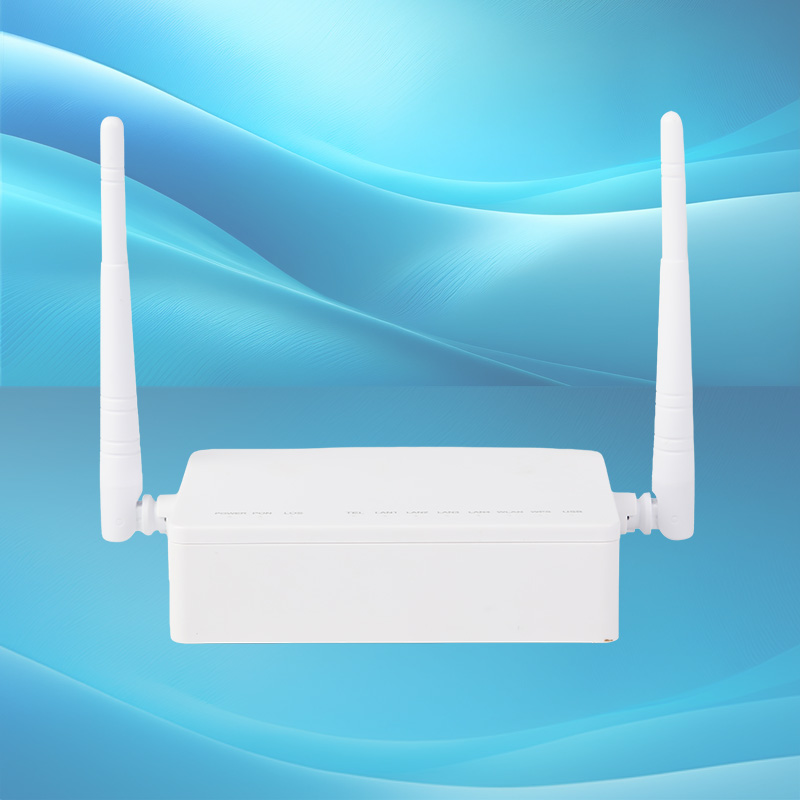
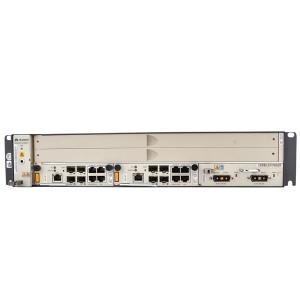
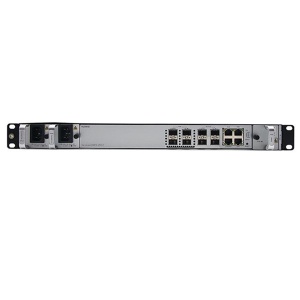
A municipality in Oregon builds a community-owned fiber network to serve 10,000 homes. They deploy the MA5608T Compact OLT at their central office due to its space-saving design and high-density line cards. In the subscribers' homes, they install the AIK662C AX3000 Wi-Fi 6 Edge ONT. This setup provides high-speed, low-latency internet, allowing remote tech workers to connect to their corporate clouds in Seattle and Silicon Valley without interruption.
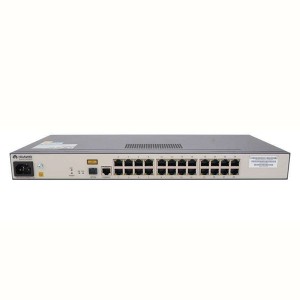
A commercial real estate developer in Manhattan retrofits a historic office building with fiber. They deploy the MA5620-16 OLT, a multi-port unit that allows them to distribute gigabit ethernet connections to multiple corporate tenants on each floor. By using a centralized OLT and passive optical splitters, they save valuable closet space and reduce energy consumption compared to traditional active ethernet switches.
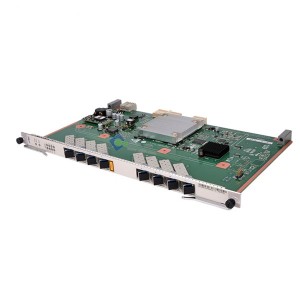
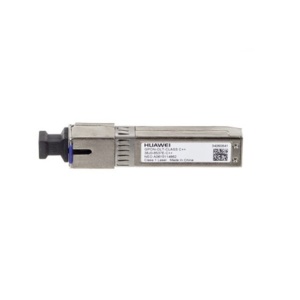
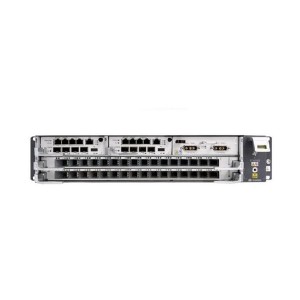
A rural telecommunications cooperative in West Texas utilizes the EA5801E-GP04 GPON OLT combined with High-Power OLT SFP GPON C++ modules to extend fiber coverage to remote ranches and farming operations. The high-power optical modules allow the signal to travel over 20 kilometers without amplification. At the farm sites, ruggedized GPON ONUs are installed in outdoor enclosures to connect smart irrigation systems, weather stations, and IP surveillance cameras, enabling precision farming practices.
Fiber optic communication equipment is widely used in 5G, data centers, and smart cities to enable high-speed transmission.
Providing high-bandwidth, ultra-low latency optical connections to cellular small cells and macro towers across urban and suburban US markets.
Enabling high-density, reliable fiber links between localized edge data centers and cloud hubs to support rapid data replication.
Connecting traffic management systems, public Wi-Fi hotspots, and municipal monitoring networks back to municipal command centers.
AIOU Fiber Communication Technology focuses on providing comprehensive electronic technology products.
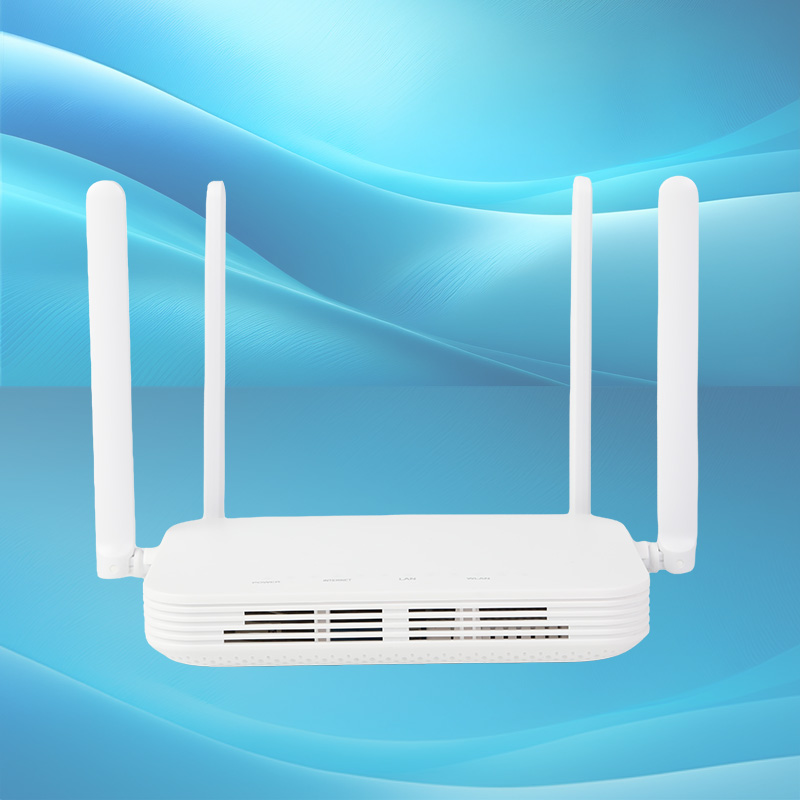
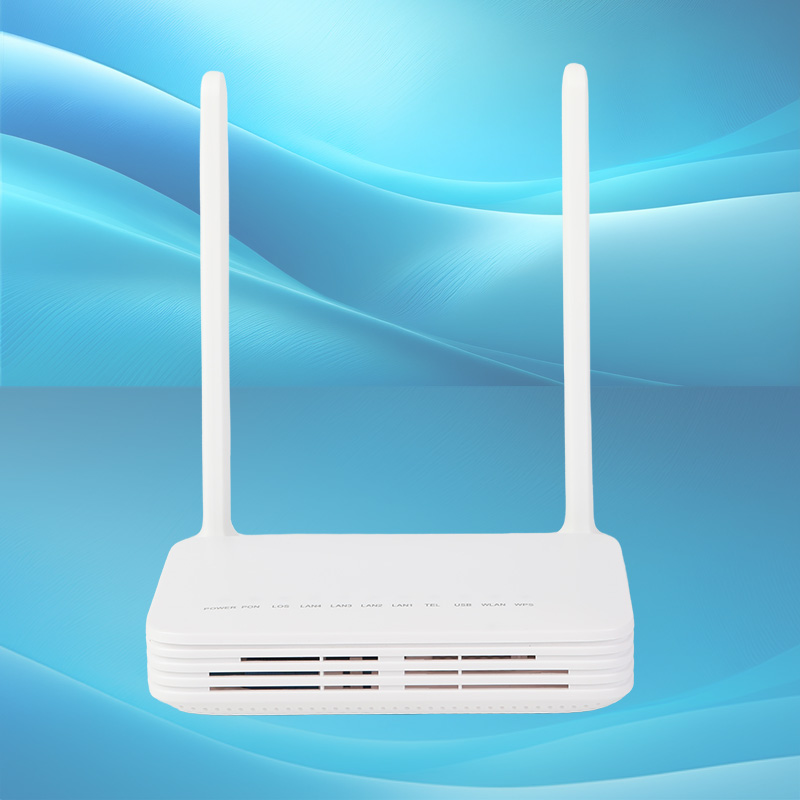
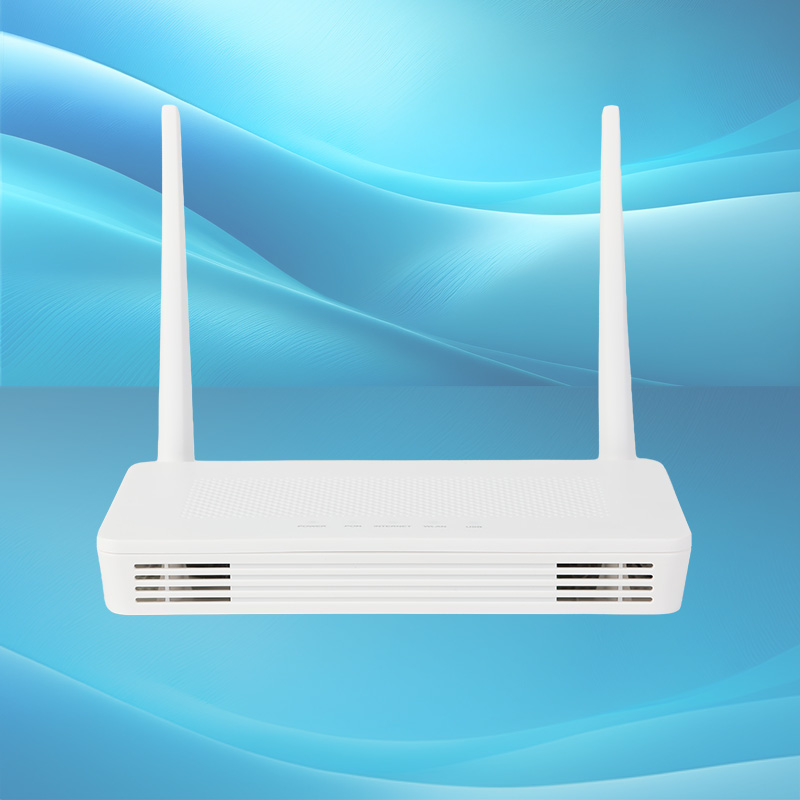
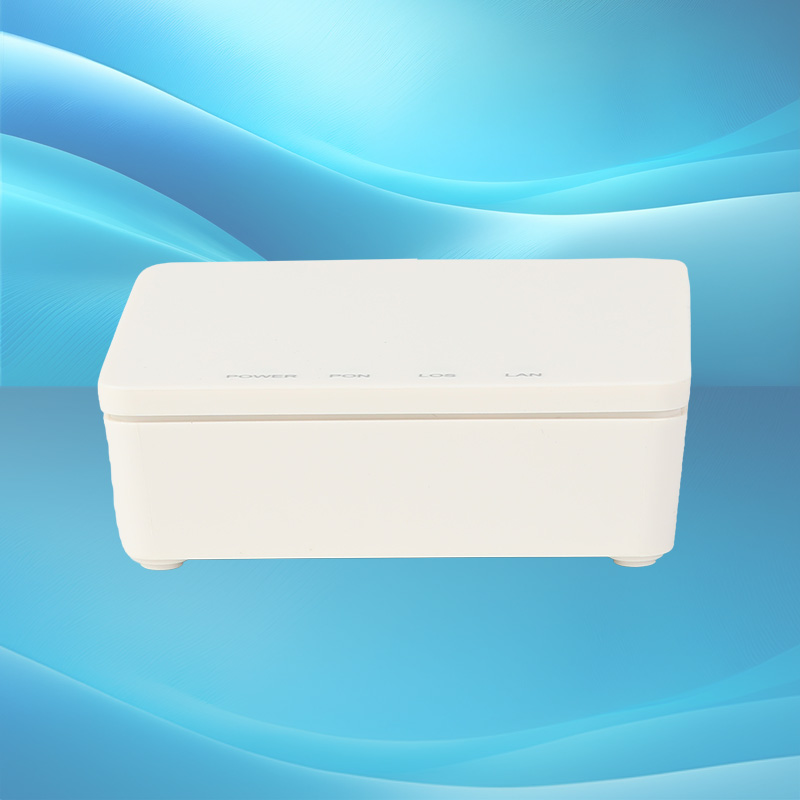
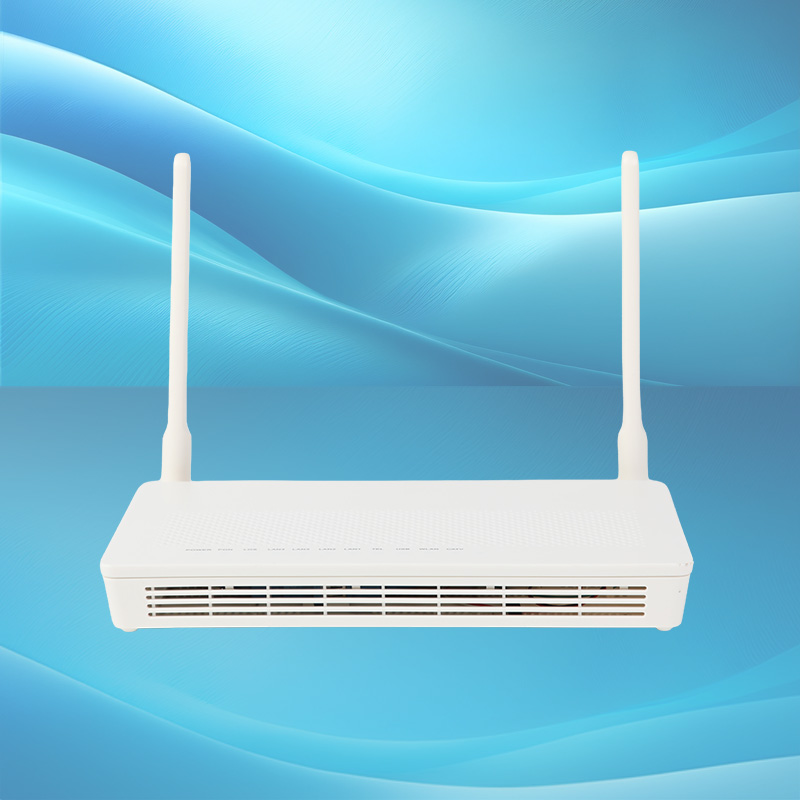

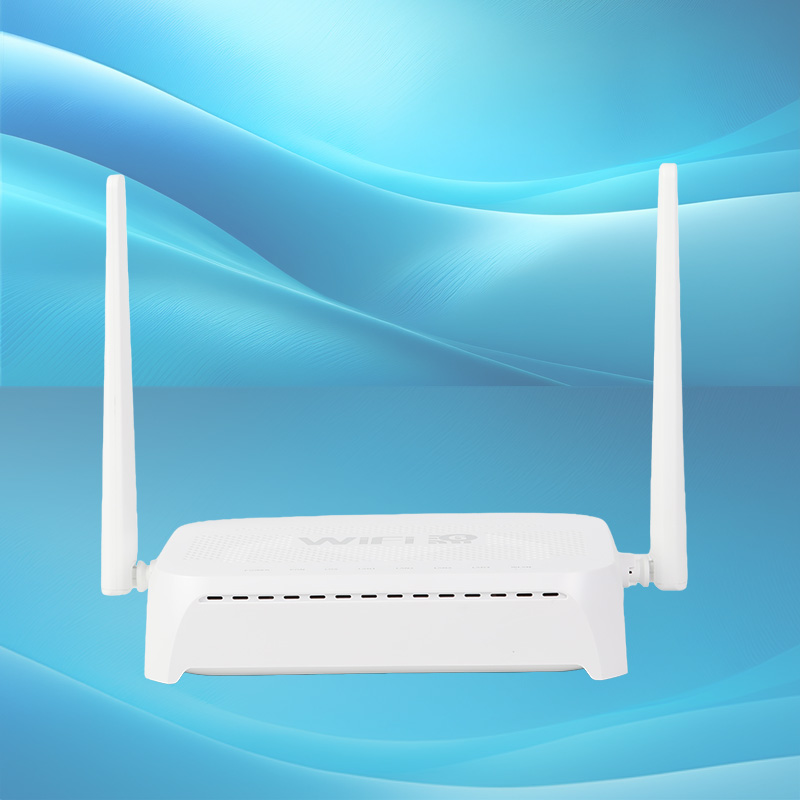

Sourcing optical access equipment directly from an established China ZTE GPON ONU factory offers distinct strategic advantages for US-based telecommunication companies and network integrators:
US network deployments are capital-intensive. Sourcing directly from a Chinese manufacturer reduces the unit cost of CPEs (Customer Premises Equipment), allowing operators to lower their subscriber acquisition costs (SAC). The savings realized from factory-direct sourcing can be reinvested into expanding physical fiber infrastructure (laying down more fiber cables and constructing optical distribution hubs).
One of the primary concerns for network engineers is interoperability. Our ZTE GPON ONUs are engineered to support international standards (ITU-T G.984) and undergo rigorous testing to ensure seamless compatibility with major OLT brands, including Huawei, Nokia, Calix, and Adtran. This prevents vendor lock-in and gives US operators the flexibility to deploy mixed-vendor network environments.
As a professional China ZTE GPON ONU manufacturer, we implement strict quality assurance protocols at every stage of production. From raw material inspection to automated optical testing (AOT) and final burn-in testing, we ensure that every unit shipped to the United States meets carrier-grade reliability standards. Our products are designed to comply with FCC Part 15 regulations, UL safety standards, and RoHS environmental requirements, ensuring smooth customs clearance and safe deployment in American homes and offices.
We understand that brand identity is important for US internet service providers. Our factory offers comprehensive OEM/ODM services, allowing operators to customize the ONU enclosures with their corporate logos, design custom packaging, pre-configure default SSID and Wi-Fi passwords, and flash custom firmware configurations (such as specific TR-069 parameters) prior to shipping. This streamlines the installation process, as the ONUs are plug-and-play straight out of the box.
High-capacity access terminals and expansion boards for regional data hubs and network distribution centers.
Yes. Our GPON ONUs are fully compliant with the ITU-T G.984 standard, which guarantees basic interoperability. In addition, we write and test custom software profiles to ensure compatibility with major OLT brands deployed in the US, such as Nokia, Calix, and Adtran. We recommend contacting our engineering team with your specific OLT model and firmware version to ensure seamless integration.
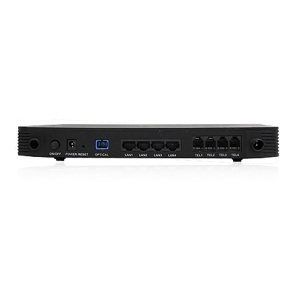
Absolutely. Models such as the AIK662C AX3000 Wi-Fi 6 Edge ONT feature integrated Wi-Fi 6 chipsets, delivering wireless speeds up to 3000 Mbps. This is ideal for supporting high-density smart homes and heavy bandwidth applications like 4K streaming and virtual reality.
Our ONUs support standard TR-069 (CWMP) management, allowing ISPs to remotely configure, monitor, and troubleshoot devices. We also support OMCI (ONT Management and Control Interface) for configuration directly from the OLT, reducing deployment time and operational complexity.
We work with trusted international logistics partners to offer flexible shipping options, including air freight for urgent sample orders and sea freight for mass production shipments. We assist with customs documentation to ensure compliance with US import regulations, minimizing customs delays.
As the United States continues its rapid expansion of fiber optic networks, having a reliable hardware partner is critical for success. As a premier China ZTE GPON ONU manufacturer and factory, we are dedicated to providing high-quality, cost-effective, and fully compliant optical access terminals. Whether you are a local WISP expanding into FTTH, a municipality building a smart city network, or a tier-1 carrier upgrading your subscriber gateways, our comprehensive product portfolio—ranging from high-power OLT SFPs to advanced Wi-Fi 6 ONUs—is engineered to meet your needs. Contact us today to discuss your project requirements and receive a customized quote.