Wenzhou AIOU Optical Communication Co., Ltd.



Leave Your Message
-
 Get Your Quote
-
 Email
Engineered for seamless integration into US fiber infrastructure projects, delivering gigabit speeds and unmatched reliability.
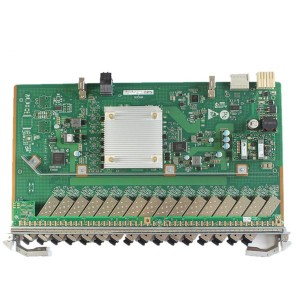
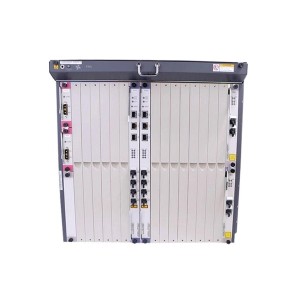
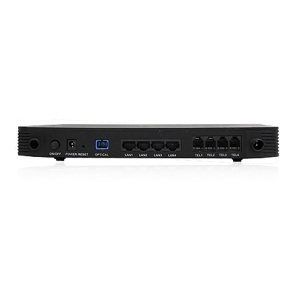
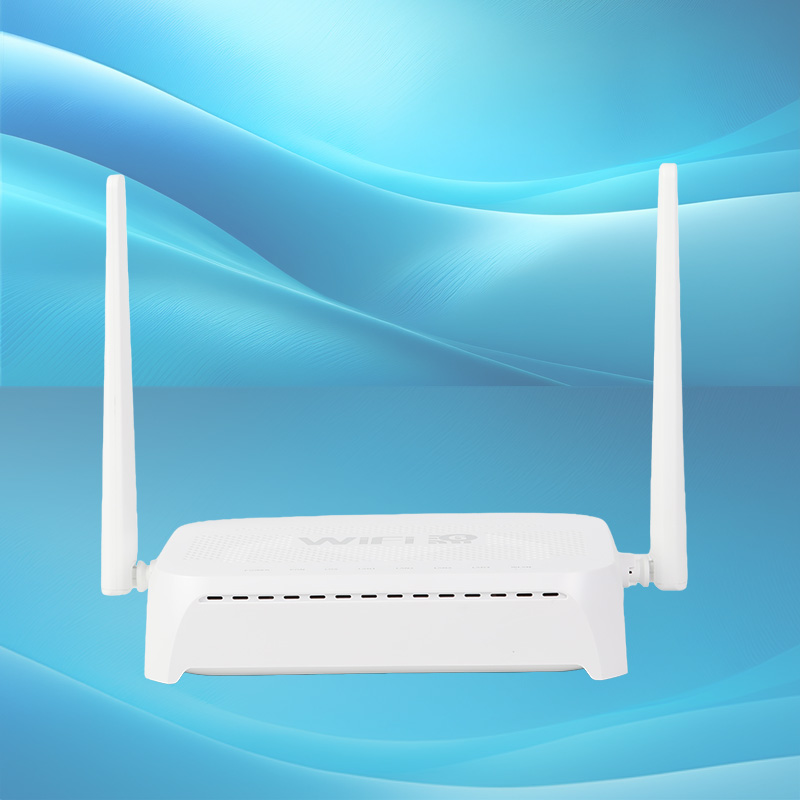
The telecommunications landscape in the United States is undergoing an unprecedented transformation. Driven by federal initiatives like the Broadband Equity, Access, and Deployment (BEAD) Program—a historic $42.45 billion federal investment—states across America are rapidly building out high-speed fiber-to-the-home (FTTH) networks. The goal is clear: to bridge the digital divide and bring gigabit-capable connections to every household, school, and business, particularly in underserved rural and suburban regions.
However, this massive expansion has exposed significant supply chain bottlenecks. Local Internet Service Providers (ISPs), municipal network operators, and utility cooperatives face rising costs and extended lead times for critical network components. This is where China ONU Wi-Fi GPON exporters and factories play a pivotal role. By leveraging advanced manufacturing capabilities, high-volume production efficiencies, and rigorous quality control systems, leading Chinese manufacturers provide the essential hardware necessary to keep US fiber rollouts on schedule and within budget.
From carrier-class Optical Line Terminals (OLTs) to highly integrated Optical Network Units (ONUs) with built-in Wi-Fi 6, these solutions offer the ideal mix of performance, reliability, and cost-effectiveness. By partnering with a dedicated Chinese factory, US network operators can secure a steady supply of FCC-compliant, high-performance CPE (Customer Premises Equipment) designed to meet the rigorous demands of American consumers.
The US broadband market is highly competitive, characterized by a mix of major tier-1 telecom operators, regional tier-2/3 carriers, and hundreds of local Wireless Internet Service Providers (WISPs) transitioning to fiber. In this environment, subscribers expect more than just a basic internet connection; they demand seamless, whole-home wireless coverage capable of supporting dozens of connected devices simultaneously. This market dynamic has accelerated several key technology trends:
Modern US households average over 20 connected devices, including smart TVs, security cameras, work laptops, and gaming consoles. Standard Wi-Fi 5 ONUs are no longer sufficient. Integrated Wi-Fi 6 XPON ONUs, such as the AX1800 and AX3000 series, deliver higher throughput, reduced latency, and superior multi-device handling, eliminating the need for external routers and reducing installation complexity for ISPs.
To maximize network flexibility, US operators are increasingly adopting XPON ONUs. These devices automatically detect and switch between GPON and EPON modes depending on the OLT they are connected to. This interoperability allows ISPs to streamline their inventory, using a single ONU model across diverse network architectures.
While GPON remains the dominant standard for residential fiber, the industry is rapidly laying the groundwork for XGS-PON to support symmetrical 10Gbps services. Forward-thinking factories are now developing hybrid OLTs and service boards that allow US ISPs to upgrade their networks incrementally without replacing existing fiber distribution hubs.
To understand the value of GPON technology in the US, it is essential to look at how these products are deployed in real-world American scenarios:
In rural America, geographic barriers and low population density make traditional copper and coaxial networks economically unviable. Local electrical cooperatives and municipal governments are leveraging GPON technology to deliver high-speed fiber to remote farms and residential communities. Using robust, high-performance OLTs and outdoor-rated ONUs, operators can run fiber over long distances while maintaining signal integrity, providing rural Americans with the same gigabit speeds enjoyed in major metropolitan areas.
In densely populated cities like Chicago, New York, and San Francisco, MDUs present unique deployment challenges. Retrofitting older buildings with individual fiber lines can be cost-prohibitive. Instead, network installers use a centralized GPON OLT in the building's basement, distributing high-speed connections to compact, wall-mounted ONUs in each apartment. This setup ensures dedicated gigabit bandwidth for each tenant while minimizing physical installation disruption.
American homes are filled with IoT devices—from smart thermostats and voice assistants to streaming dongles and high-definition video doorbells. A standard router often struggles with the high device count, leading to dropouts and buffering. Modern Wi-Fi 6 GPON ONUs act as the central gateway for the smart home, utilizing advanced MU-MIMO and OFDMA technologies to manage dozens of active connections simultaneously, ensuring lag-free performance across all devices.
US businesses, schools, and healthcare facilities require high-bandwidth, low-latency, and highly secure networks. GPON technology supports Fiber-to-the-Office (FTTO) deployments, allowing organizations to run fiber directly to desktop ONUs. This eliminates the need for expensive, heat-generating switch rooms on every floor, drastically reducing energy costs and physical space requirements while providing enterprise-grade security and reliability.
Wenzhou AIOU Optical Communication Co., Ltd. — Your Trusted GPON ONU Factory & OEM/ODM Partner
Established in 2006, Wenzhou AIOU Optical Communication Co., Ltd. is a professional high-tech enterprise dedicated to the full industrial chain of optical network access solutions, covering research and development, manufacturing, sales, and after-sales service. We focus on delivering cutting-edge passive optical network (PON) products, including EPON, GPON, and XPON series, which are carefully tailored to meet the diverse needs of global customers in different regions and industries. With a firm commitment to independent innovation, we have built a strong R&D team composed of senior engineers with years of industry experience, holding multiple core technology patents and forming a comprehensive industrial chain, thus effectively serving various sectors such as operator networks, government and enterprise information systems, smart parks, and home broadband access.
Our company leverages state-of-the-art facilities and precise production technologies to manufacture premium components that ensure long-term stability and high transmission speeds. As a key exporter to the United States and other global markets, we understand the importance of strict compliance, offering products that easily adapt to various network environments while maintaining cost efficiency.
Our complete product line covers OLT (Optical Line Terminal), ONU (Optical Network Unit), high-performance optical modules, and network switching equipment, supporting access rates ranging from 10/100M to 10G. These solutions are characterized by high performance, stable reliability, low latency, and easy deployment, perfectly aligning with customers’ demands for secure, stable, and high-speed communication networks. All our products have passed strict CE certification, as well as other international quality certifications, and are exported to more than 20 countries and regions across South America, Africa, Eastern Europe, Southeast Asia, and the Middle East, winning wide recognition from global partners for their superior quality and cost-effectiveness.
We operate a standardized 2,000-square-meter production zone equipped with advanced automated production and testing equipment, where we strictly adhere to ISO9001 quality management systems, CCC, and CE standards to ensure the consistency and reliability of each product. Our core mission is to exceed customer expectations by providing premium quality products, efficient and thoughtful after-sales services, and industry-leading technical support, continuously driving technological innovation and development in the global optical network infrastructure field.
When US-based ISPs and distributors source telecommunications equipment from China, compliance and quality assurance are paramount. To ensure smooth customs clearance and long-term network stability, several critical factors must be evaluated:
Explore our comprehensive portfolio of carrier-class OLTs, high-performance ONUs, and rigid communication PCB boards designed for robust FTTH networks.
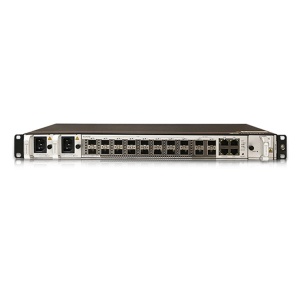
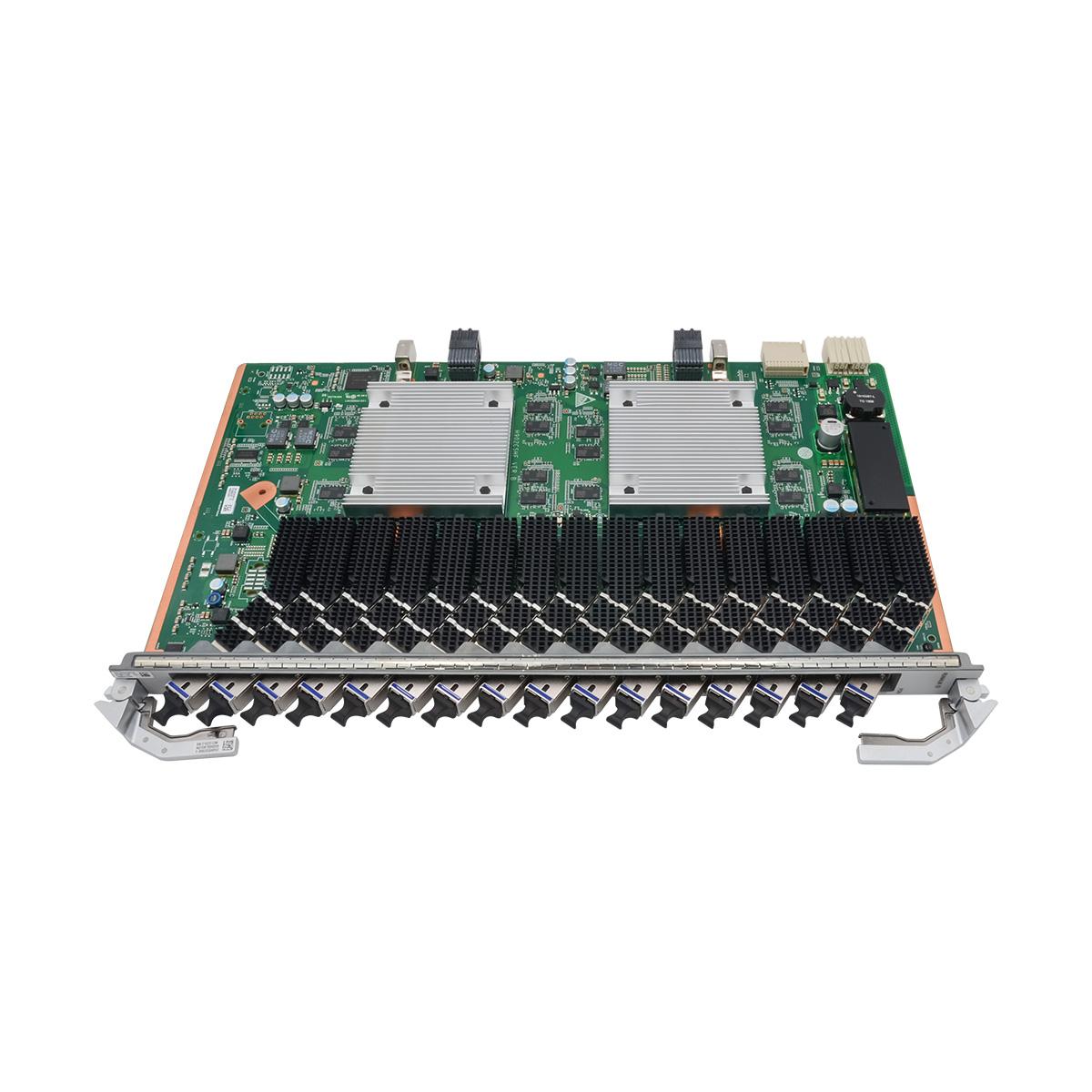

Have questions about our GPON ONU products and exporting services to the United States? Find answers below.
Yes. Our GPON and XPON ONUs are designed with high interoperability in mind. They are extensively tested and compatible with major OLT platforms commonly used in the United States, including Nokia, Calix, Adtran, and Huawei. We also offer customization support to ensure seamless integration into your existing network management systems.
Absolutely. All our active telecommunications products, including OLTs and ONUs, are manufactured to comply with FCC Part 15 regulations for electromagnetic compatibility. They also carry CE and RoHS certifications, ensuring they meet strict safety and environmental standards required for import and deployment in the US.
Yes, we offer comprehensive OEM/ODM services. We can customize the ONU firmware to include your ISP's default configuration settings, TR-069 remote management parameters, specific SSID naming conventions, and custom logos on the GUI. We can also print your brand logo on the physical product casing and packaging.
Lead times depend on the order volume and customization requirements. Standard products usually ship within 2 to 3 weeks, while customized OEM orders take approximately 4 to 6 weeks. We work with leading logistics providers to offer air freight (for urgent needs) and sea freight (to major ports like Los Angeles, Seattle, and New York) to ensure cost-effective and timely delivery.
We provide a standard 12-month warranty on all our hardware products. In addition, our experienced R&D and technical support teams are available to assist with remote debugging, network configuration, and firmware updates, ensuring your operations run smoothly post-deployment.