Wenzhou AIOU Optical Communication Co., Ltd.



Leave Your Message
-
 Get Your Quote
-
 Email
The telecommunications landscape in the United States is undergoing a massive paradigm shift. Driven by federal initiatives such as the Broadband Equity, Access, and Deployment (BEAD) program—a historic $42.45 billion funding effort—and the Federal Communications Commission (FCC) mandate to bridge the digital divide, the rollout of Fiber-to-the-Home (FTTH) networks has reached unprecedented speeds. From rural communities in Texas and the Midwest to high-density multi-dwelling units (MDUs) in major cities like New York and Chicago, high-speed fiber internet is no longer a luxury; it is critical infrastructure.
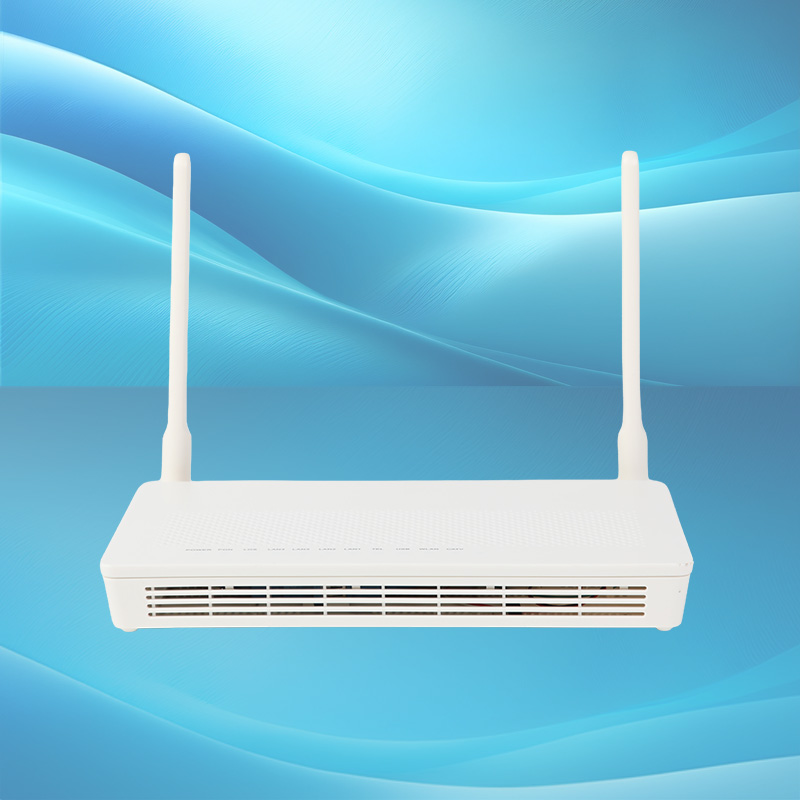
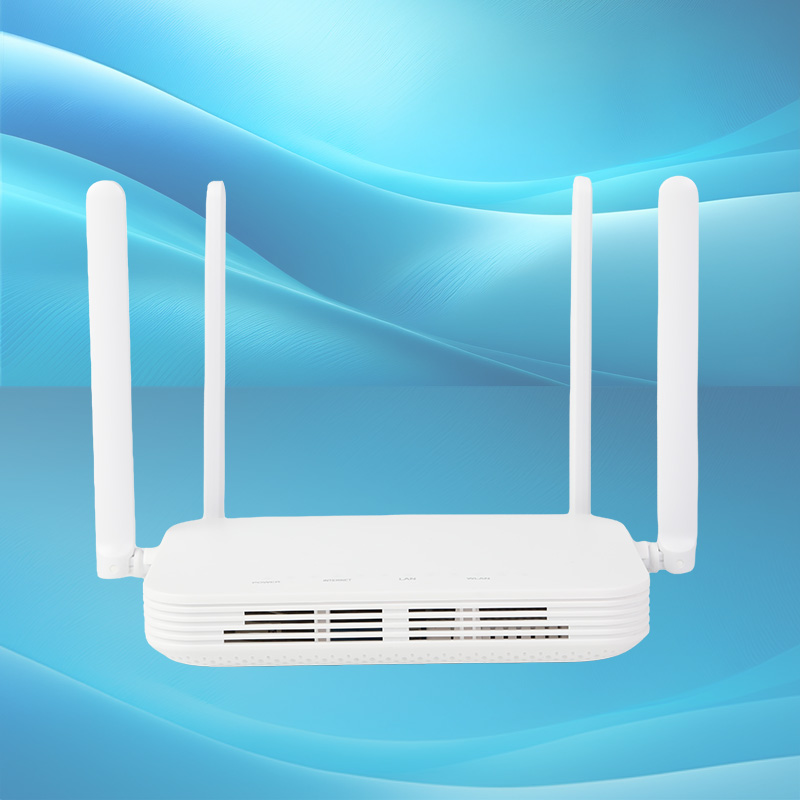
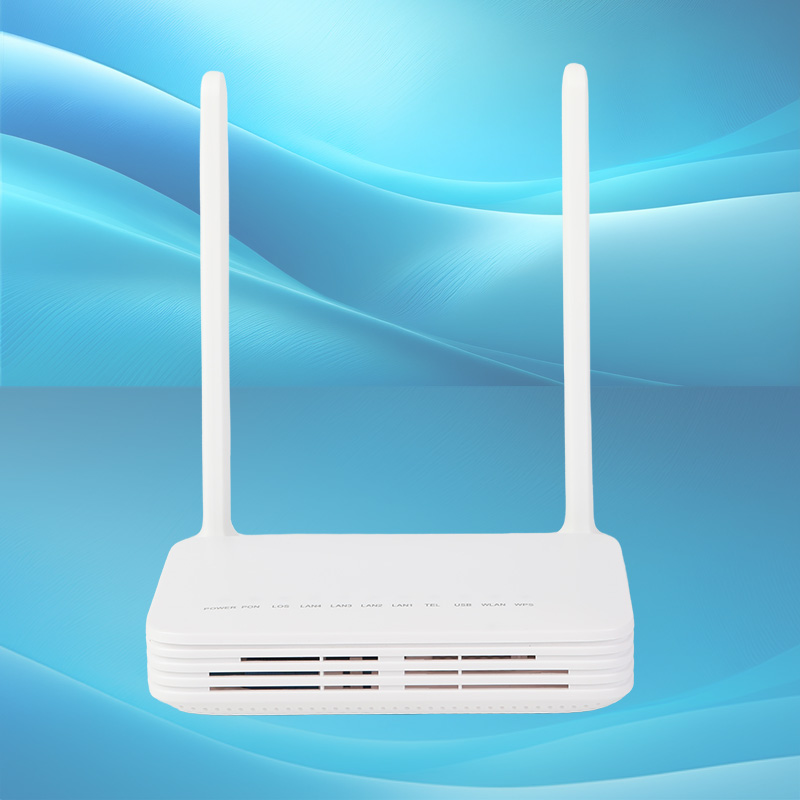
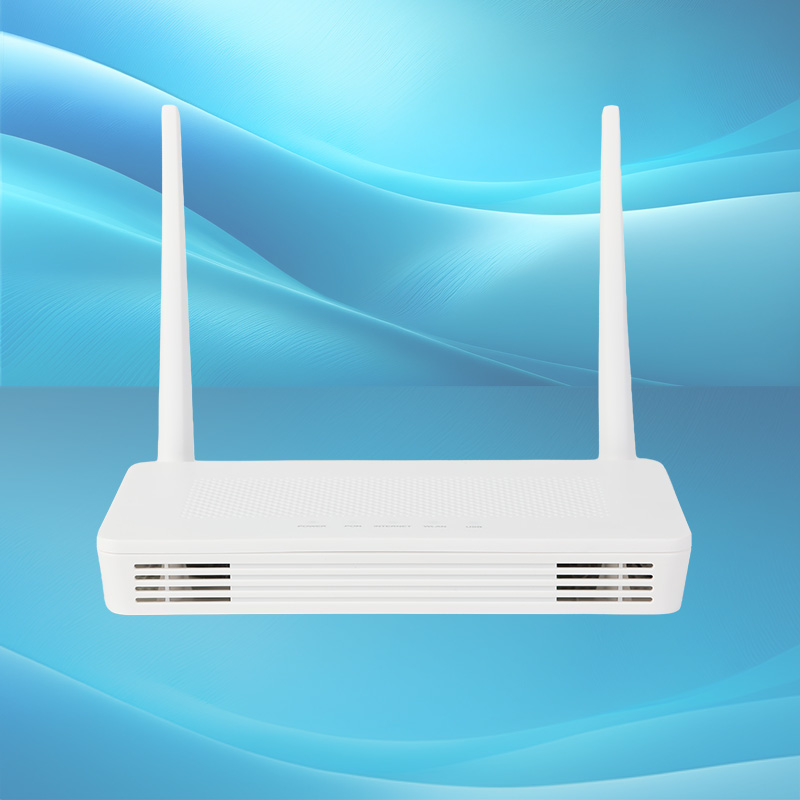
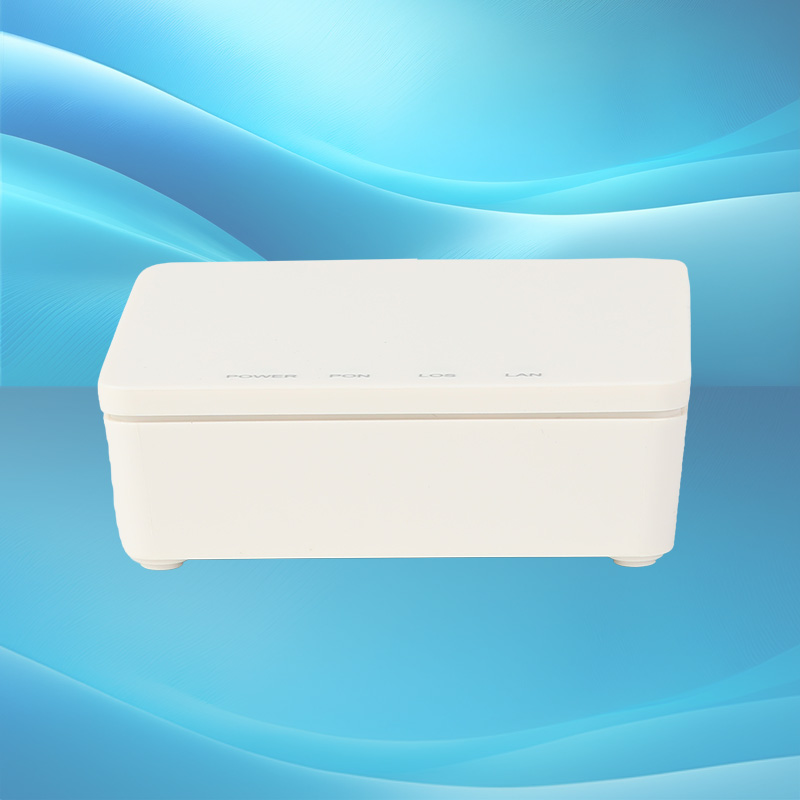
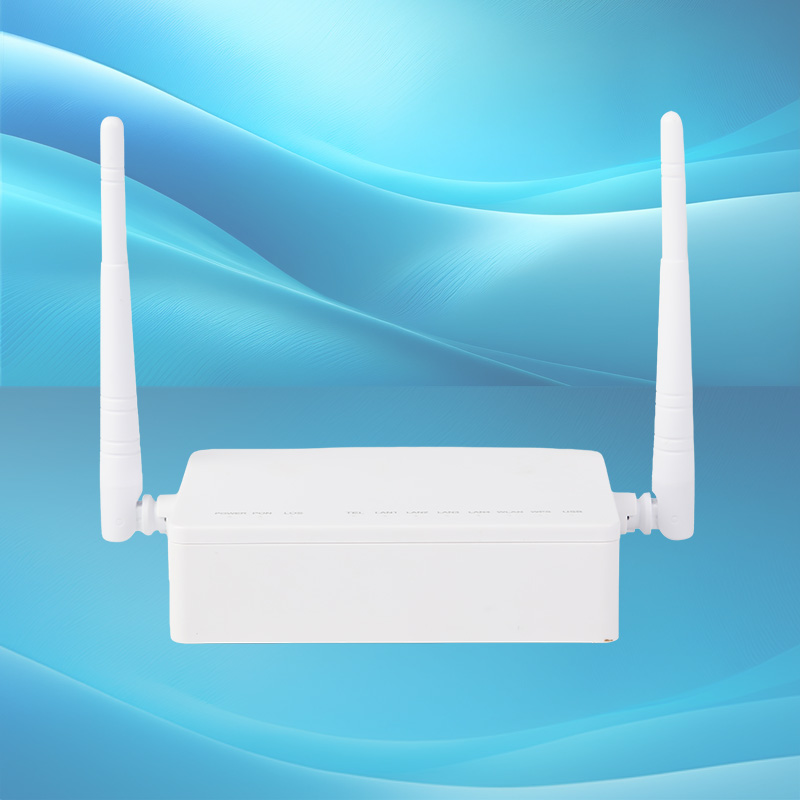
At the center of this fiber revolution are Optical Network Units (ONUs) and Optical Network Terminals (ONTs). These hardware devices act as the bridge between the service provider’s fiber optic lines and the subscriber's home network. However, US-based Internet Service Providers (ISPs), Wireless Internet Service Providers (WISPs) transitioning to fiber, and municipal network operators face a persistent challenge: balancing high equipment standards with tight budget constraints. This is where finding reliable, cheap ONU Fiberhome exporters and manufacturers becomes crucial for the US market.
Fiberhome is globally recognized as a pioneer in optical communication technologies. For the American market, Fiberhome ONUs offer several key advantages that align with local deployment demands:
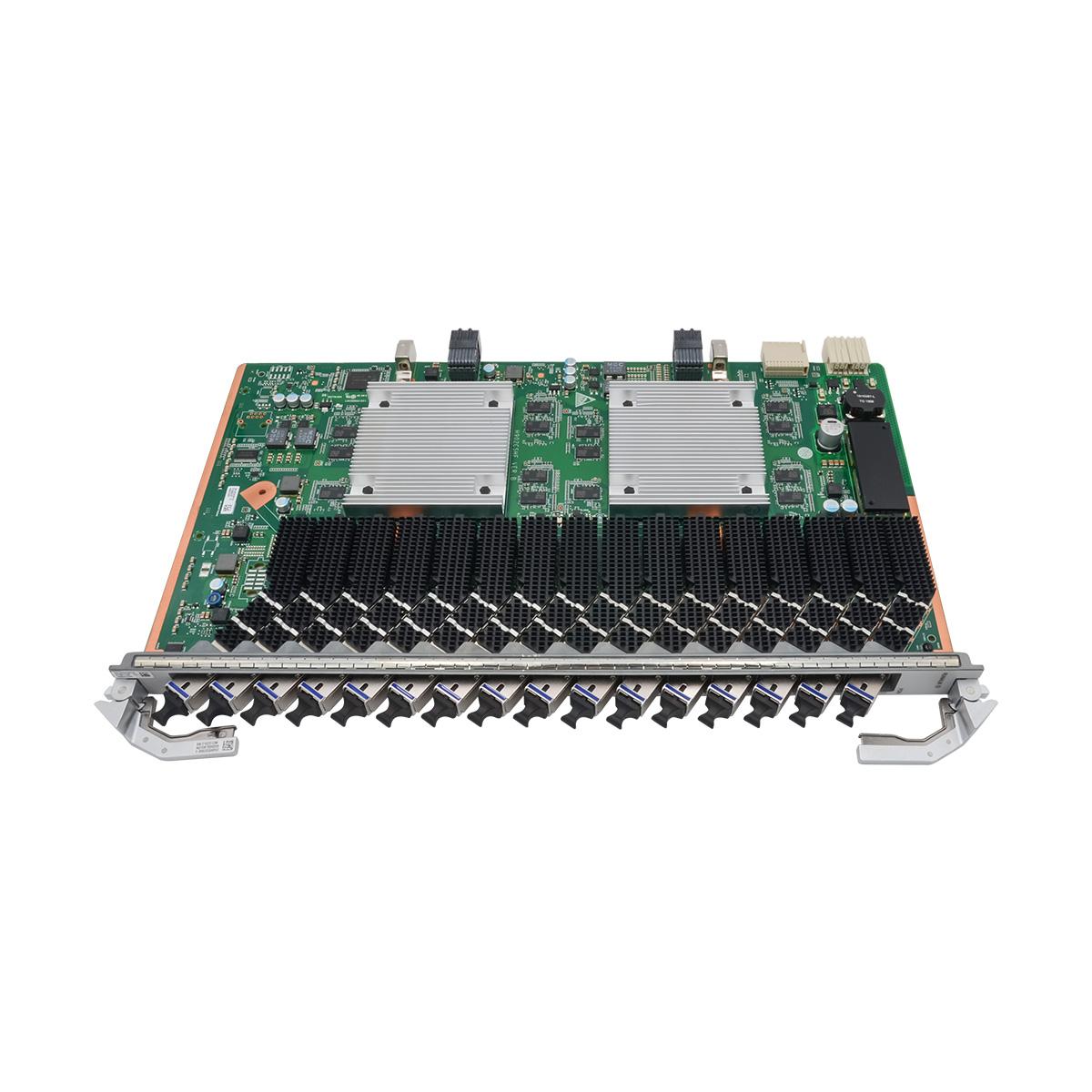
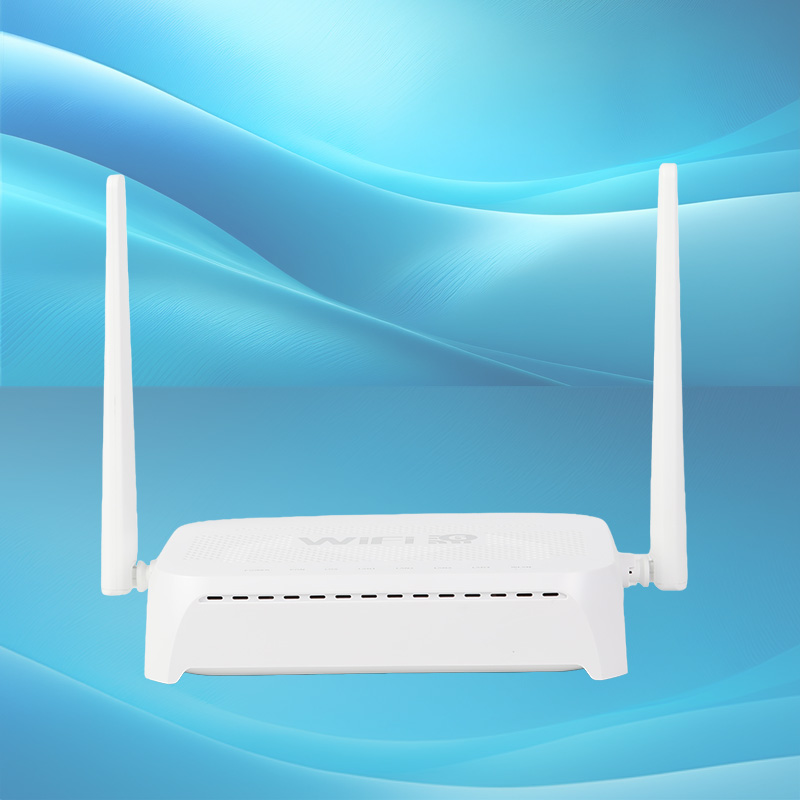
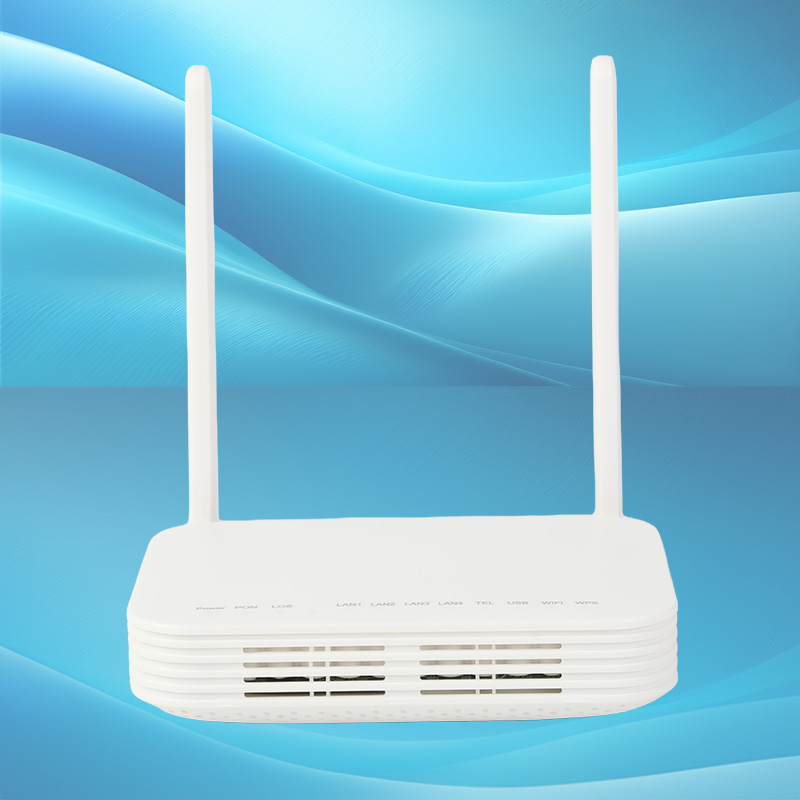
The US telecommunications market is characterized by rapid technological evolution. As fiber optic infrastructure expands, user expectations for bandwidth are skyrocketing. We are currently witnessing a major transition from standard GPON (Gigabit Passive Optical Network) to 10G-PON systems, such as XGS-PON. This transition is essential for supporting future applications like immersive virtual reality, cloud gaming, and high-definition video conferencing.
Simultaneously, the demand for dual-mode XPON ONUs (compatible with both GPON and EPON networks) is rising. Many regional providers are migrating legacy EPON systems to modern GPON networks. Utilizing XPON ONUs allows for a gradual, cost-effective upgrade path without requiring immediate, widespread customer-premises equipment (CPE) replacements.
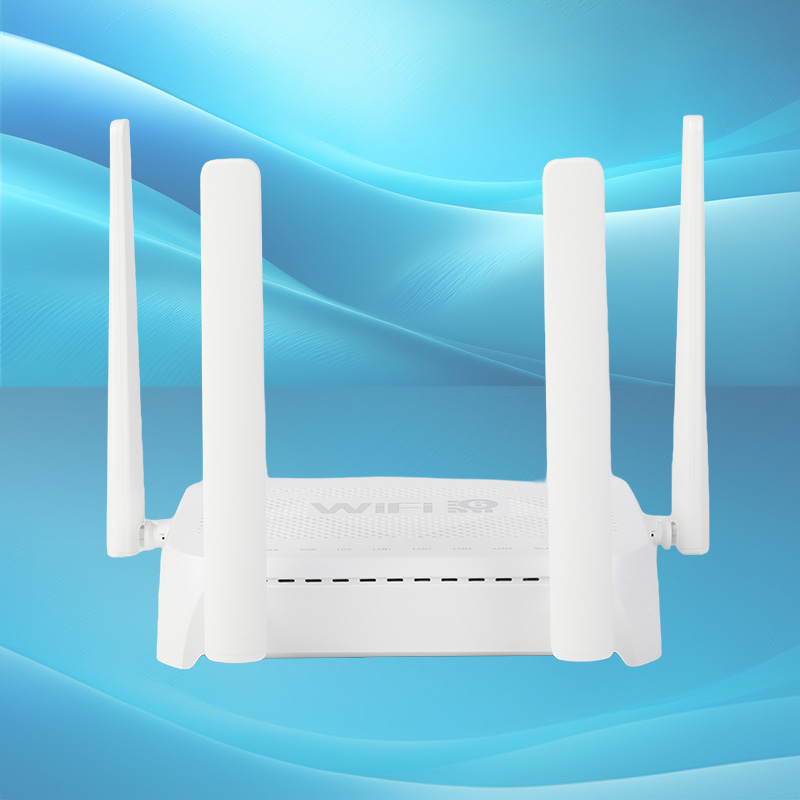
In the United States, the average home now connects over 20 devices to the local network. Legacy Wi-Fi 4 and Wi-Fi 5 standards struggle to handle this density, leading to packet loss and high latency. Modern Fiberhome ONUs integrated with Wi-Fi 6 (802.11ax) deliver enhanced throughput, better spectrum efficiency (via OFDMA), and longer battery life for connected IoT devices. For exporters targeting the US market, offering Wi-Fi 6 enabled ONUs like the AX3000 series is no longer optional—it is a baseline requirement.
Cheap Fiberhome ONUs are being deployed across a wide range of specialized environments in the United States, proving their adaptability and industrial-grade reliability:
Wireless Internet Service Providers (WISPs) in states like Kansas, Nebraska, and Iowa are increasingly deploying fiber to replace or supplement their fixed wireless networks. In these low-density rural environments, the cost of fiber deployment per home is extremely high. By sourcing cheap, high-quality Fiberhome GPON ONUs, these local providers can maintain project viability while delivering reliable gigabit speeds to rural families and agricultural businesses.
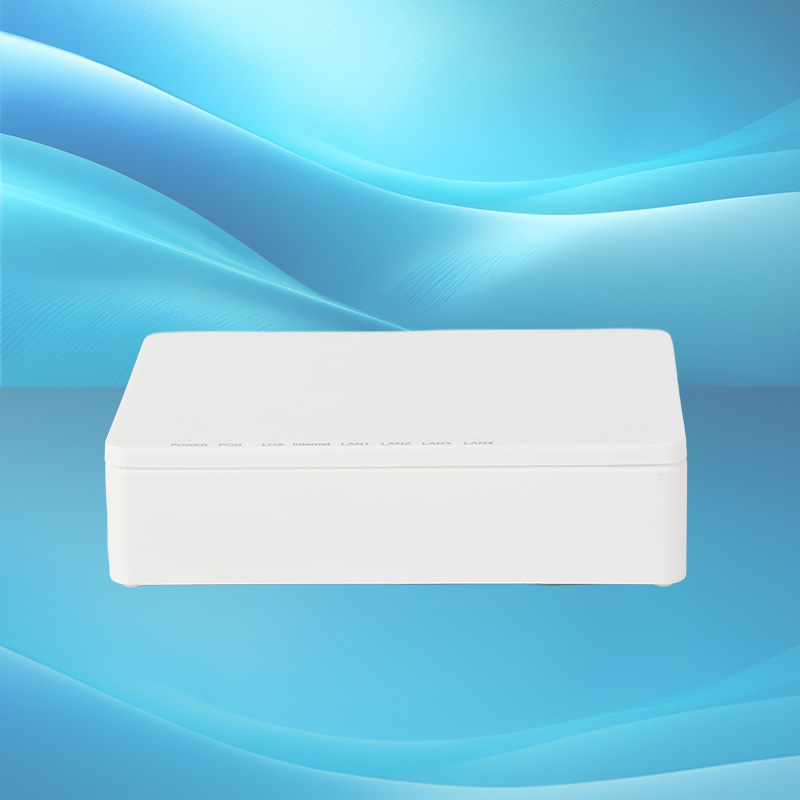
In metropolitan areas, landlords and private ISPs are deploying FTTH networks within apartment buildings and condominiums. Compact ONUs, such as the AI8310M, are perfect for MDU environments where space in utility closets is limited. These ONUs act as reliable bridges, connecting directly to in-wall Ethernet wiring or high-end residential routers.
Dozens of cities across the United States are building municipal fiber networks to provide affordable internet to their residents. These open-access networks require highly compatible, standardized hardware that can support multiple retail ISPs on the same physical infrastructure. Fiberhome ONUs offer the flexibility, remote management capabilities, and low cost required for public-private partnerships and municipal business models.

Streamlined manufacturing processes ensure short lead times and fast shipping to meet tight US deployment schedules.

Continuous innovation in GPON, EPON, and XGS-PON technology to keep your network infrastructure future-proof.

Tailor product branding, firmware configurations, and packaging to align with your company's unique identity.

Extensively tested compatibility with mainstream OLT systems from Calix, Adtran, Nokia, and others.

Dedicated technical support and hardware maintenance services to ensure uninterrupted network uptime.

Strong supply chain management guarantees consistent availability of critical components and devices.
Providing high-capacity, low-latency optical connections back to base stations to support high-density 5G cell networks across urban and suburban areas.
Enabling rapid data transfer, high-density optical routing, and ultra-reliable connectivity for enterprise cloud infrastructure and hosting facilities.
Connecting traffic sensors, municipal cameras, smart grids, and public Wi-Fi access points into a cohesive, high-speed fiber optic backbone.