Wenzhou AIOU Optical Communication Co., Ltd.



Leave Your Message
-
 Get Your Quote
-
 Email
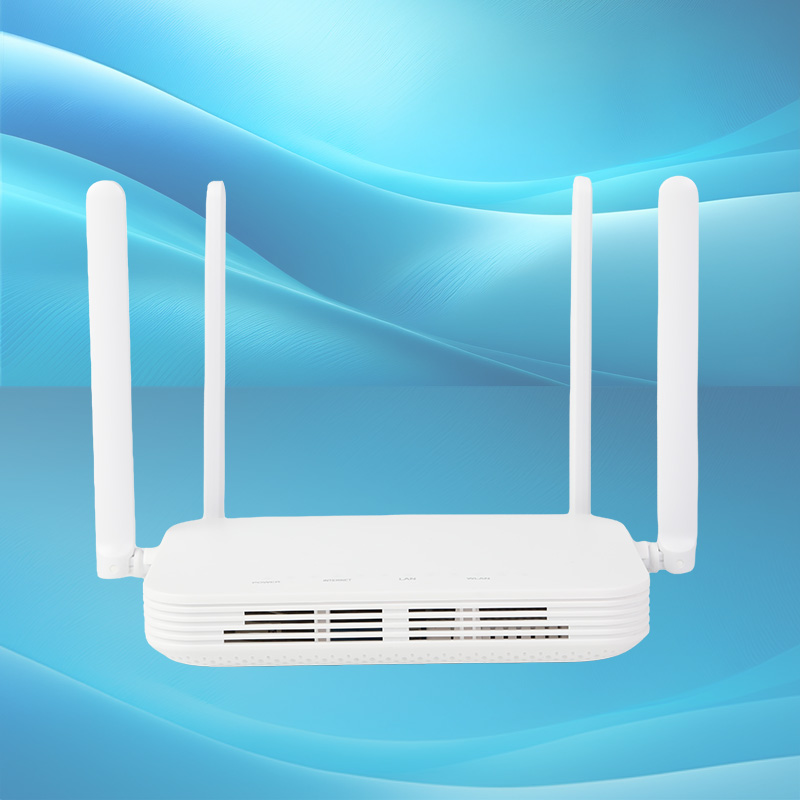
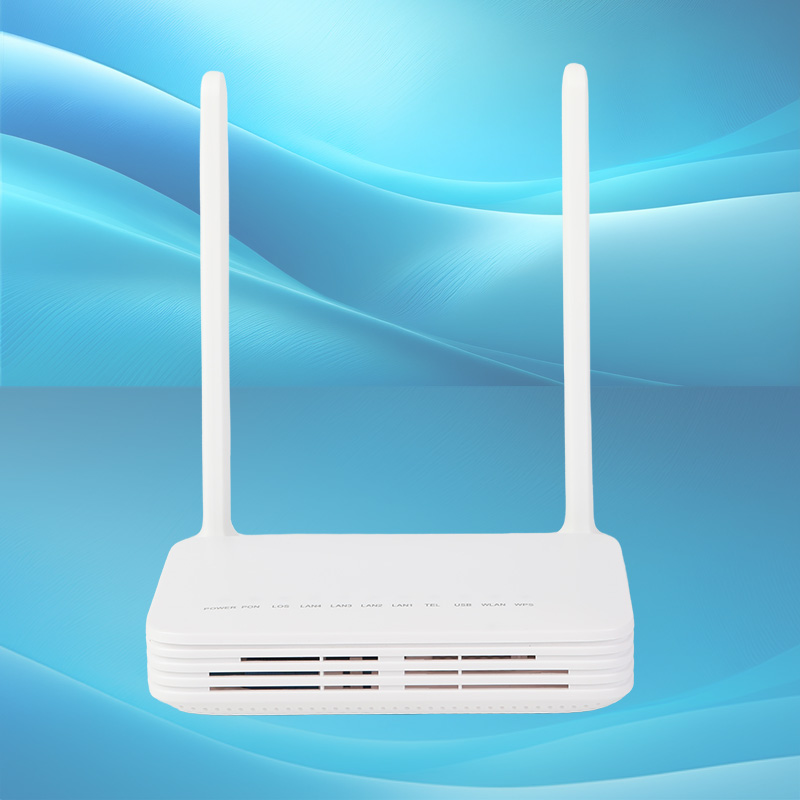
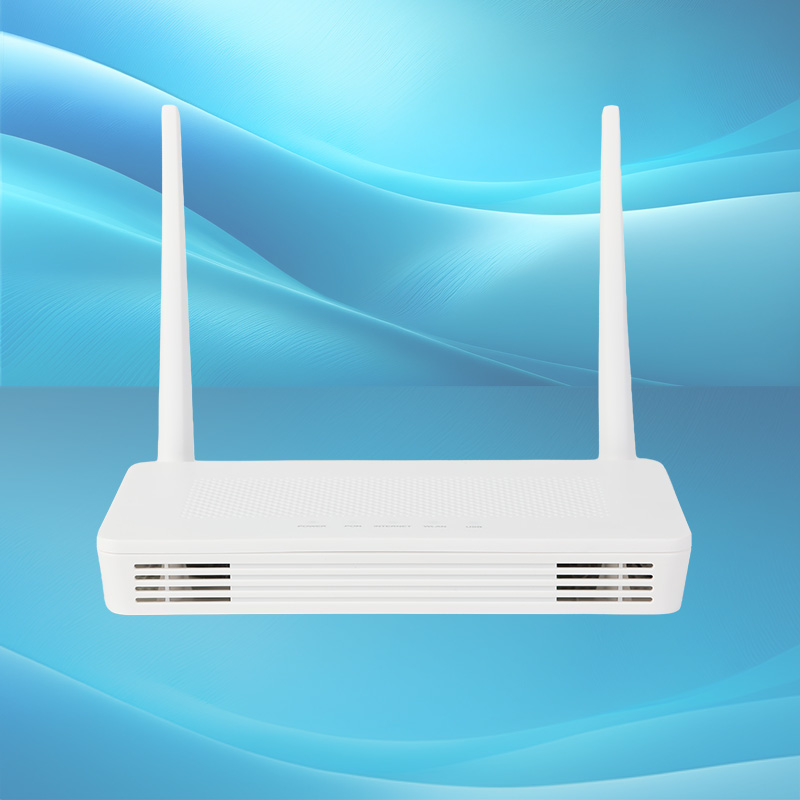
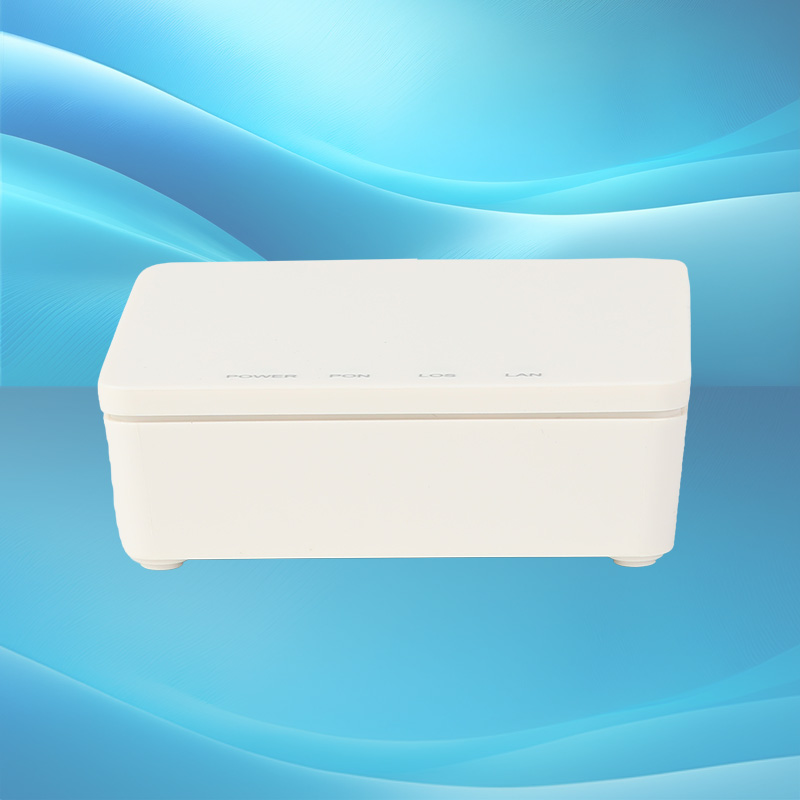
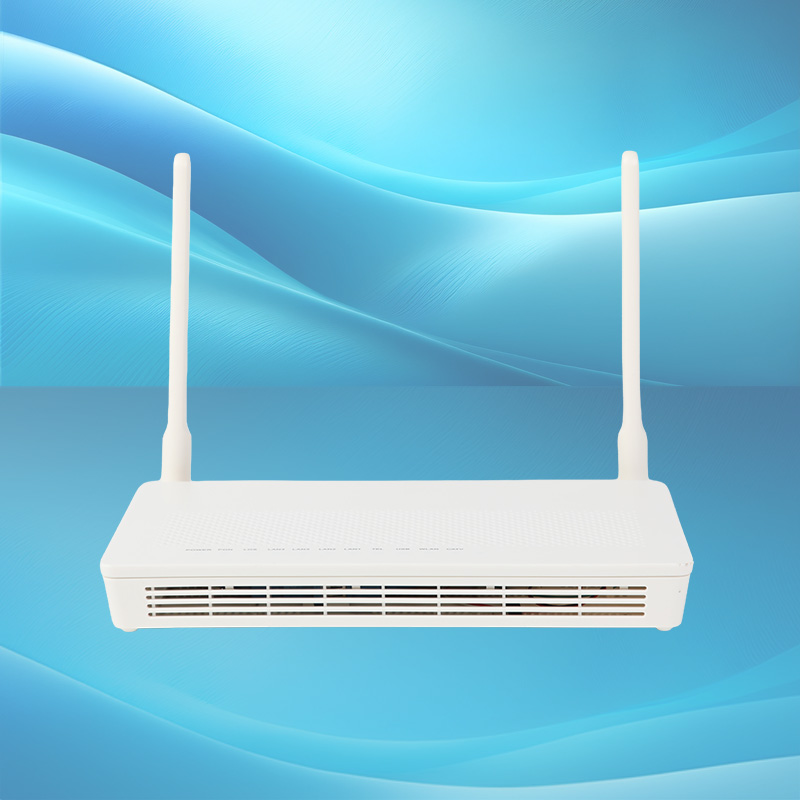
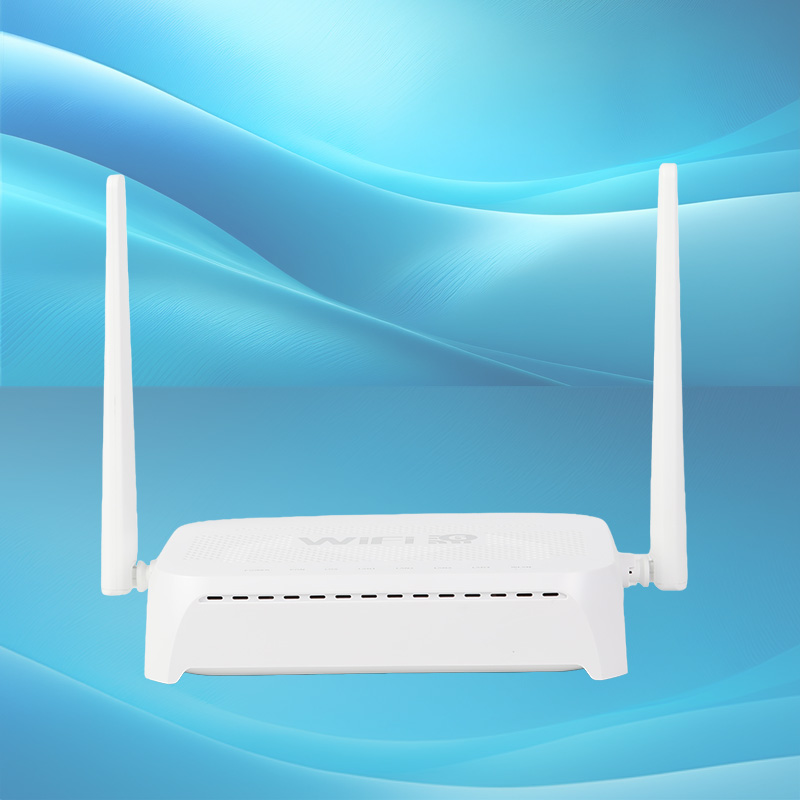
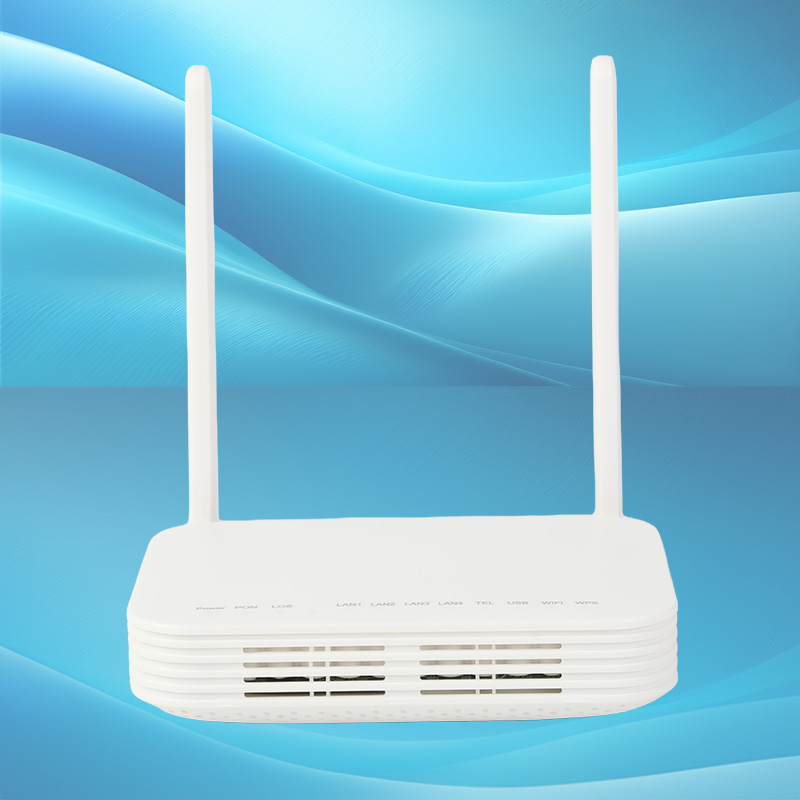
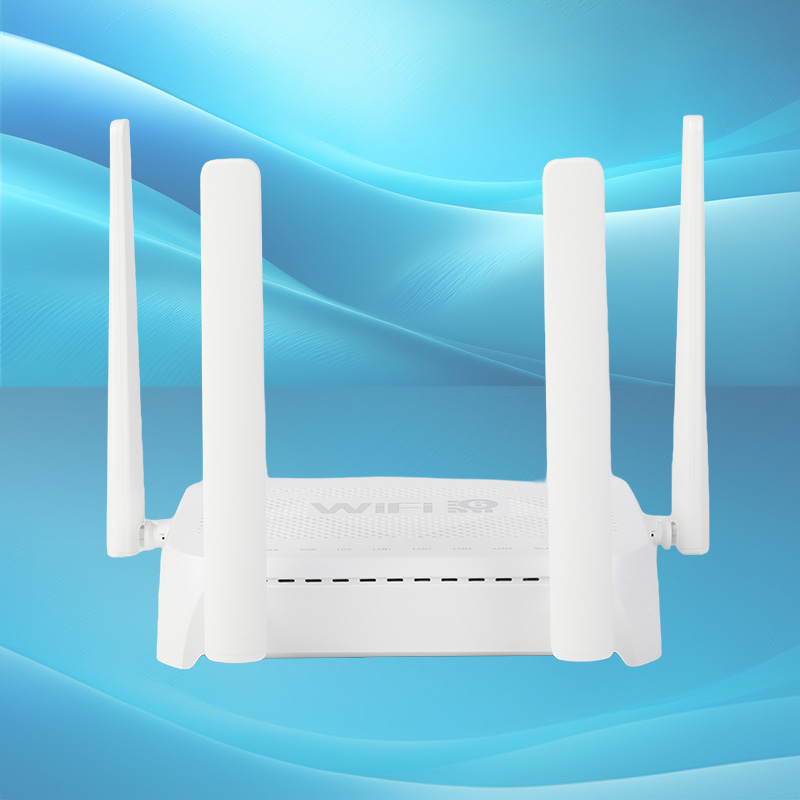
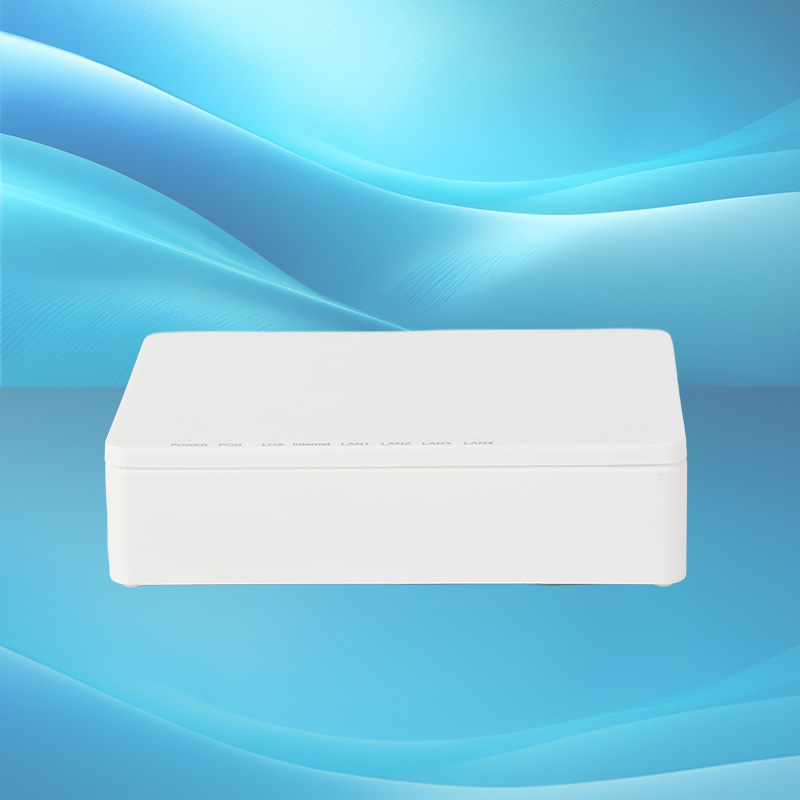
Engineered for triple-play convergence (Data, Voice, CATV RF Video), our optical terminal devices offer carrier-grade stability, ultra-wide optical input sensitivity, and intelligent remote OMCI orchestration.
In the rapidly evolving broadband telecommunications landscape, the migration toward end-to-end passive optical networks (PON) has become the gold standard for global Internet Service Providers (ISPs), Multi-System Operators (MSOs), and regional network operators. While pure fiber-to-the-home (FTTH) architectures historically prioritized symmetrical or asymmetrical high-speed IP data streams, traditional linear broadcast video continues to maintain substantial commercial footprint across residential, hospitality, educational, and multi-dwelling unit (MDU) markets. This persistence has firmly established the CATV ONU (Cable Television Optical Network Unit) as an indispensable bridging gateway in modern passive optical infrastructure.
A CATV-enabled ONU integrates an ultra-sensitive optical receiver (operating predominantly at the 1550nm third optical window) alongside standard GPON/EPON/XPON bidirectional transceivers (1490nm downstream / 1310nm upstream for standard GPON, or 1577nm/1270nm for XGS-PON). Utilizing built-in Wavelength Division Multiplexing (WDM) triplexer filters, the device isolates the high-capacity RF overlay stream from Gigabit IP data without inter-carrier crosstalk. Consequently, telecommunication operators can deliver uncompressed 4K/8K ultra-high-definition television broadcasts, digital cable channels, high-speed Wi-Fi 6 wireless connectivity, and gigabit Ethernet data over a single single-mode optical fiber drop wire.
Combines 1310nm (Data Tx), 1490nm (Data Rx), and 1550nm (RF Video Rx) on a single strand of G.652.D or G.657.A single-mode fiber, maximizing optical line utilization.
Employs automatic gain control circuitry maintaining stable RF coaxial output (typically 76–82 dBuV) across optical input ranges of -15 dBm to -2 dBm.
Full integration with OMCI (ITU-T G.988) and TR-069 ACS platforms, enabling operators to remotely monitor RF power, adjust gain, and toggle RF ports on/off.
Historically, cable operators delivered linear TV and broadband through Hybrid Fiber-Coaxial (HFC) networks utilizing DOCSIS protocols. While DOCSIS 3.1 and DOCSIS 4.0 extend the lifespan of legacy coax architectures, the escalating maintenance costs, high power consumption of cascading RF amplifiers, and vulnerability to electromagnetic interference have driven operators toward full optical FTTH overhauls. However, transitioning millions of legacy coaxial set-top boxes (STBs) directly to all-IP streaming can introduce staggering capital expenditures and customer churn.
Herein lies the commercial triumph of CATV ONUs. By preserving the 1550nm RF broadcast path over passive optical splitters (such as 1:32, 1:64, or 1:128 ODN configurations), MSOs achieve seamless backward compatibility with existing RF TV distributions while concurrently rolling out 1 Gbps to 10 Gbps broadband tiers. This dual-transmission architecture eliminates network congestion during major global broadcast events (e.g., live sports and national news), as broadcast video does not consume IP unicast bandwidth or core routing capacity.
| Deployment Topology | Downstream Data Path | CATV Video Transmission | RF Coaxial Output Range | Primary Use Case |
|---|---|---|---|---|
| RF Overlay FTTH (GPON + CATV) | 1490nm (2.488 Gbps) | 1550nm Optical Overlay (45–1000 MHz) | ≥ 78 dBuV (Constant AGC) | Residential Triple-Play, MDUs, Suburbia |
| Next-Gen XGS-PON + RF Overlay | 1577nm (9.953 Gbps) | 1550nm Filtered WDM Path | ≥ 80 dBuV (Adjustable Gain) | Luxury Hospitality, Smart Campuses, FTTO |
| Commercial Enterprise Optical Gateway | XPON Auto-Adaptive | 1550nm Built-in Optical Receiver | ≥ 76 dBuV (Coax F-Connector) | CCTV Surveillance Networks, Corporate IPTV |
| Passive Optical LAN (POL) Campus | 1490nm Gigabit Eth | Integrated Triplexer Module | ≥ 74 dBuV (Multi-room Split) | Hospitals, University Dormitories, Barracks |
The versatility of CATV ONUs extends beyond standard residential fiber installations into demanding commercial, institutional, and industrial infrastructures:
Modern luxury hotels demand unified fiber infrastructure to replace messy coaxial and copper cabling. A single CATV ONU installed in each guest suite provides high-speed Wi-Fi 6 wireless coverage, low-latency VoIP telephone lines, gigabit LAN connectivity for smart room automation (IoT lighting, climate control), and direct coaxial feeds for in-room 4K broadcast televisions. Centralized OMCI provisioning enables reception desk systems to automatically activate or deactivate TV channels and customize bandwidth allocations in real-time.
In high-density apartment complexes and residential high-rises, delivering stable RF broadcast signals across multiple floors was historically hindered by high RF attenuation over long copper coaxial runs. Utilizing CATV ONUs connected directly to optical splitters in on-floor distribution boxes guarantees pristine signal-to-noise ratios (CNR > 51 dB, CSO < -60 dBc, CTB < -65 dBc), regardless of the building's height or physical scale.
University campuses, research institutes, and military boarding facilities utilize Passive Optical LAN (POL) architectures where CATV ONUs power student dormitories and lecture halls. Academic institutions simultaneously broadcast live video lectures and institutional cable programs while providing robust multi-gigabit IP pipelines for academic research and digital libraries.
Municipal traffic monitoring and perimeter surveillance deployments frequently leverage optical fiber backbones. CATV ONUs provide dual utility: high-speed uplink Ethernet interfaces securely route IP surveillance cameras and edge analytics data back to the municipal command center, while auxiliary RF outputs allow real-time local analog/digital monitoring feeds at security guard stations and traffic control booths.
As passive optical networks transition from legacy GPON/EPON toward 10G symmetric XGS-PON and experimental 50G-PON topologies, the internal design of CATV ONUs is experiencing revolutionary engineering upgrades:
Focused on the research, development, and manufacturing of world-class optical network access solutions, delivering carrier-grade reliability across 100+ global network deployments.

Rapid Production and Delivery

Independent R&D Team

OEM / ODM Customization

Interoperability Certified

After-Sales Care & Support

Stable Supply Capacity
Fiber optic communication equipment is widely used in 5G wireless fronthaul/backhaul, ultra-scale data centers, intelligent residential communities, and smart cities to enable ultra-low latency and ultra-high-speed transmission.
Delivering gigabit broadband, low-jitter voice services, and uncompressed 4K video streams to thousands of suburban and metropolitan homes over passive optical networks.
Utilizing high-speed optical access nodes to provide high-bandwidth, high-reliability backhaul links for urban microcell base stations and wireless edge gateways.
Interconnecting municipal monitoring nodes, intelligent traffic signaling arrays, and public information display networks with optical resilience.
AIOU Fiber Communication Technology focuses on providing comprehensive electronic technology products, industrial-grade optical terminals, and high-performance FTTH gateways.