Wenzhou AIOU Optical Communication Co., Ltd.



Leave Your Message
-
 Get Your Quote
-
 Email
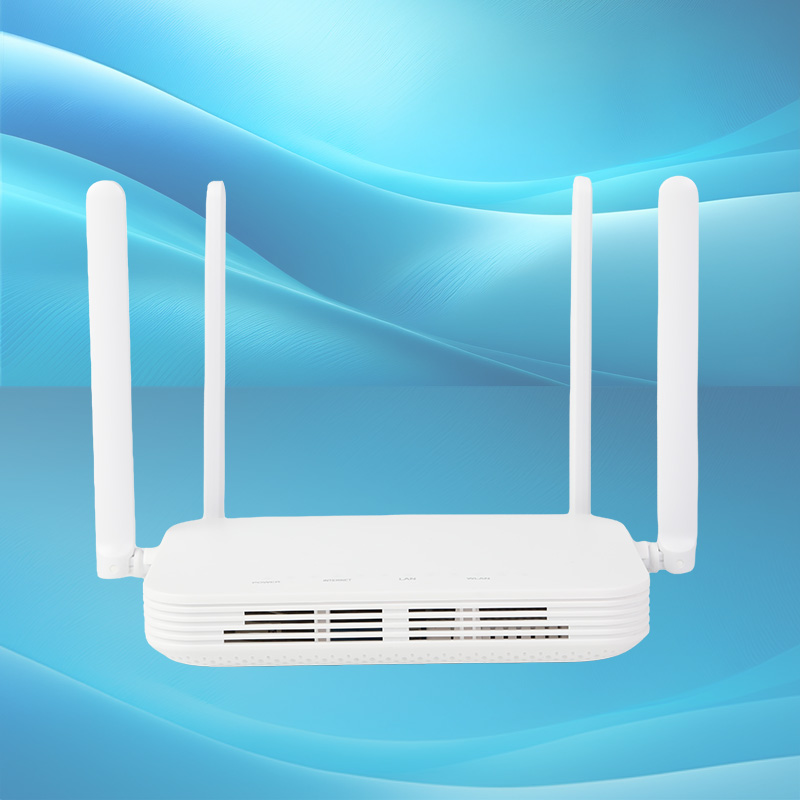
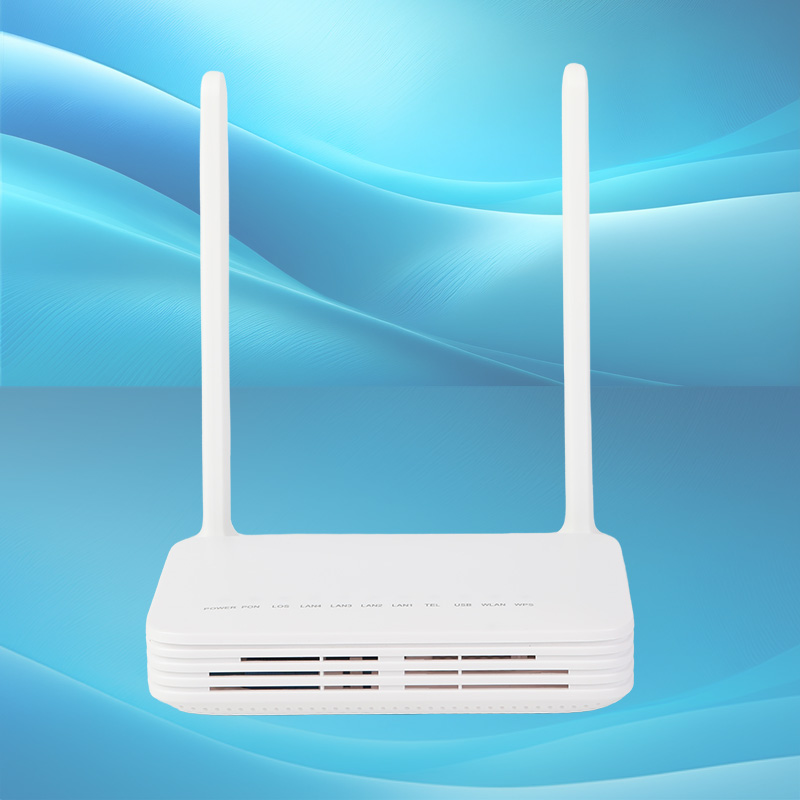
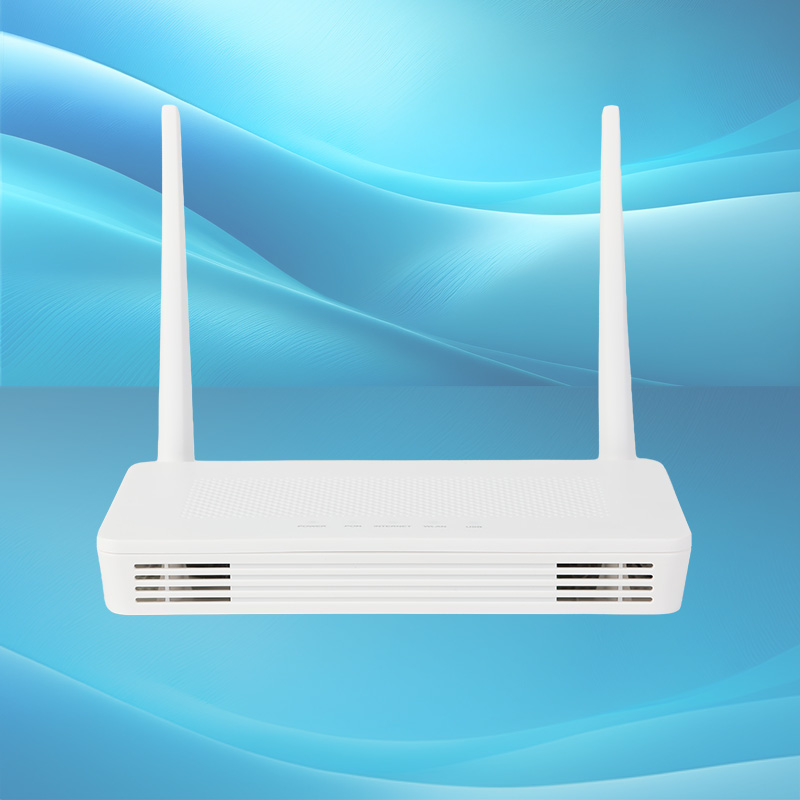
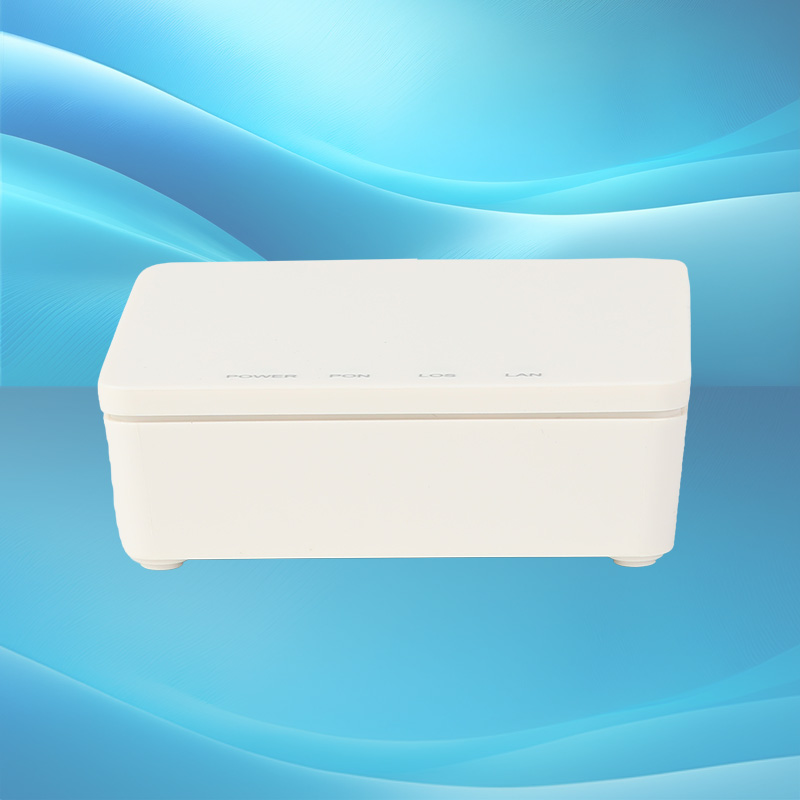
High-performance GPON/XPON ONUs engineered for seamless triple-play convergence and smart FTTR architecture.
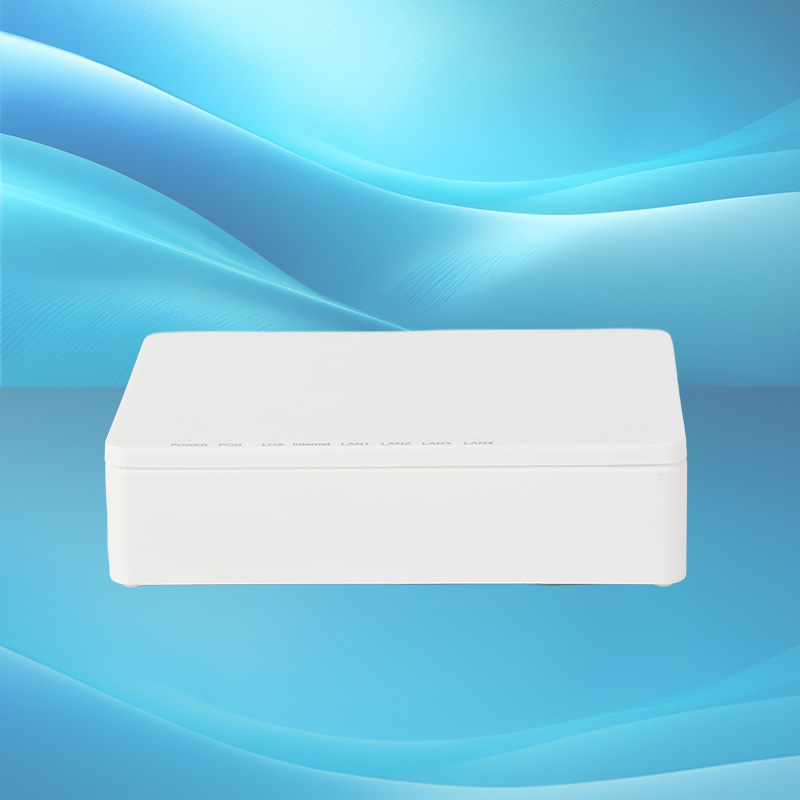
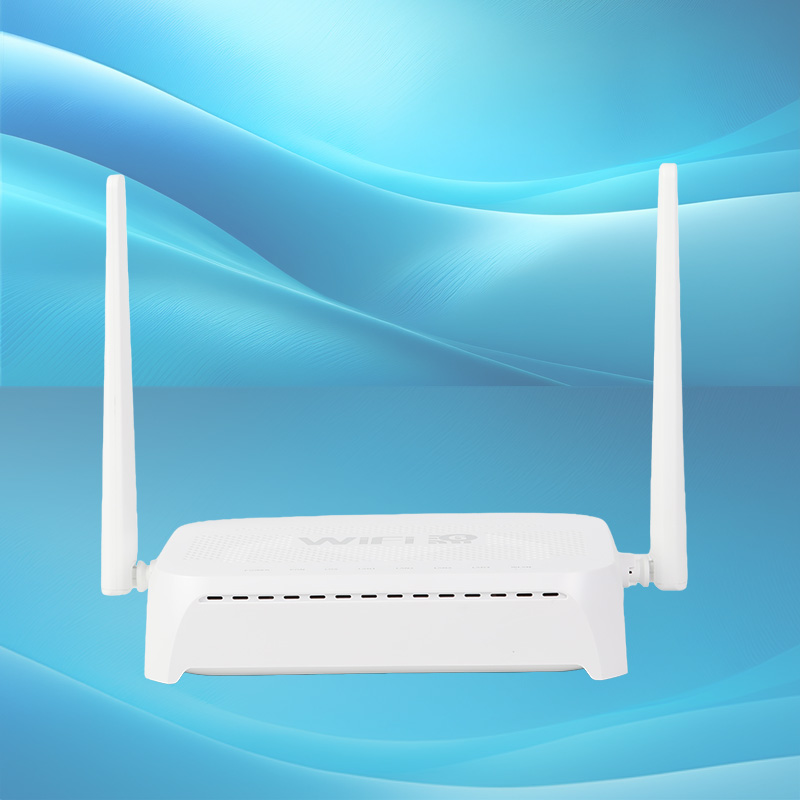
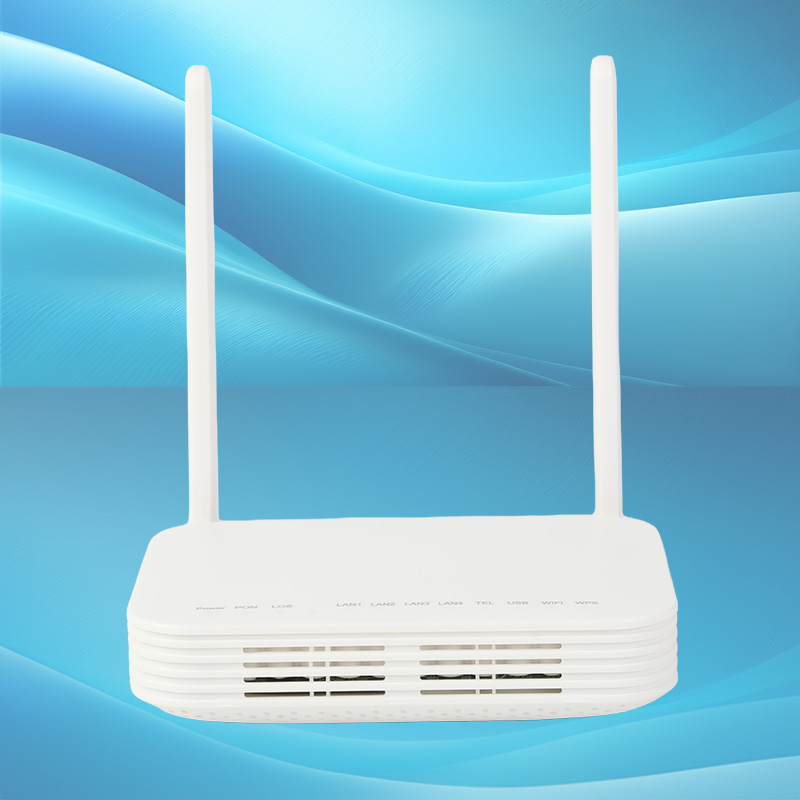
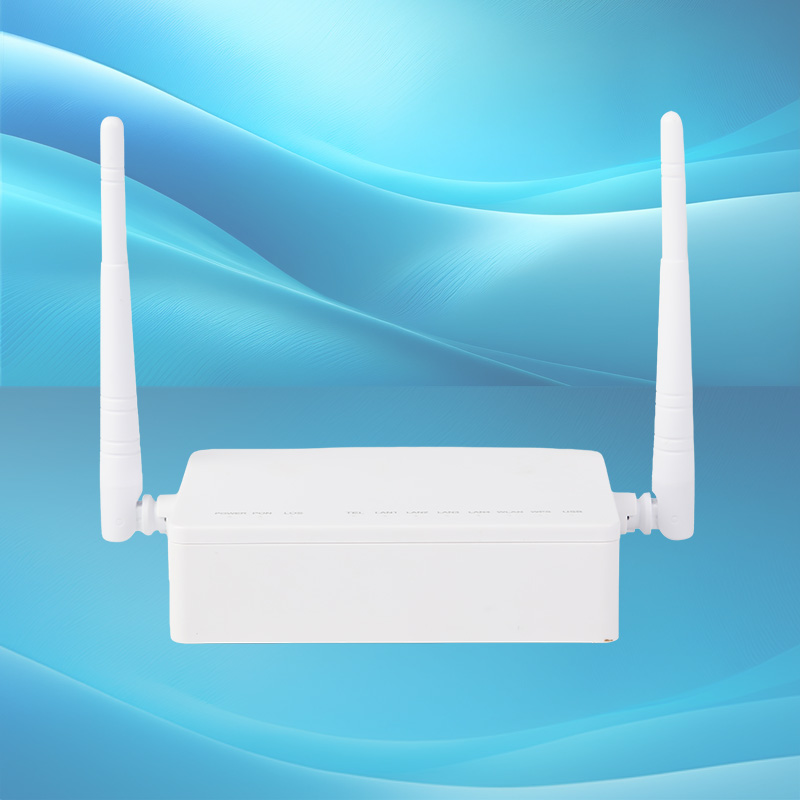
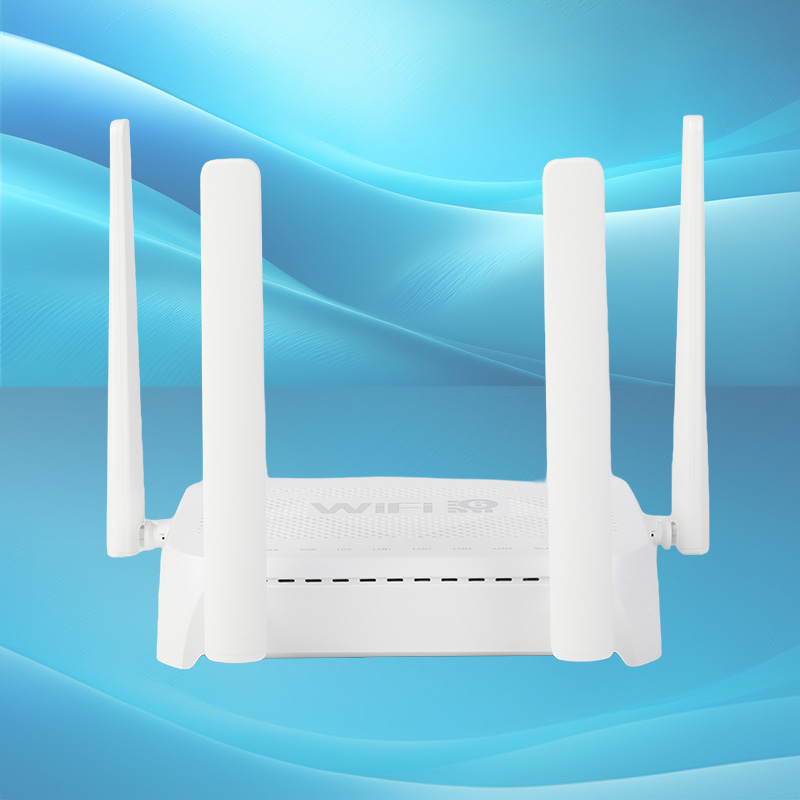
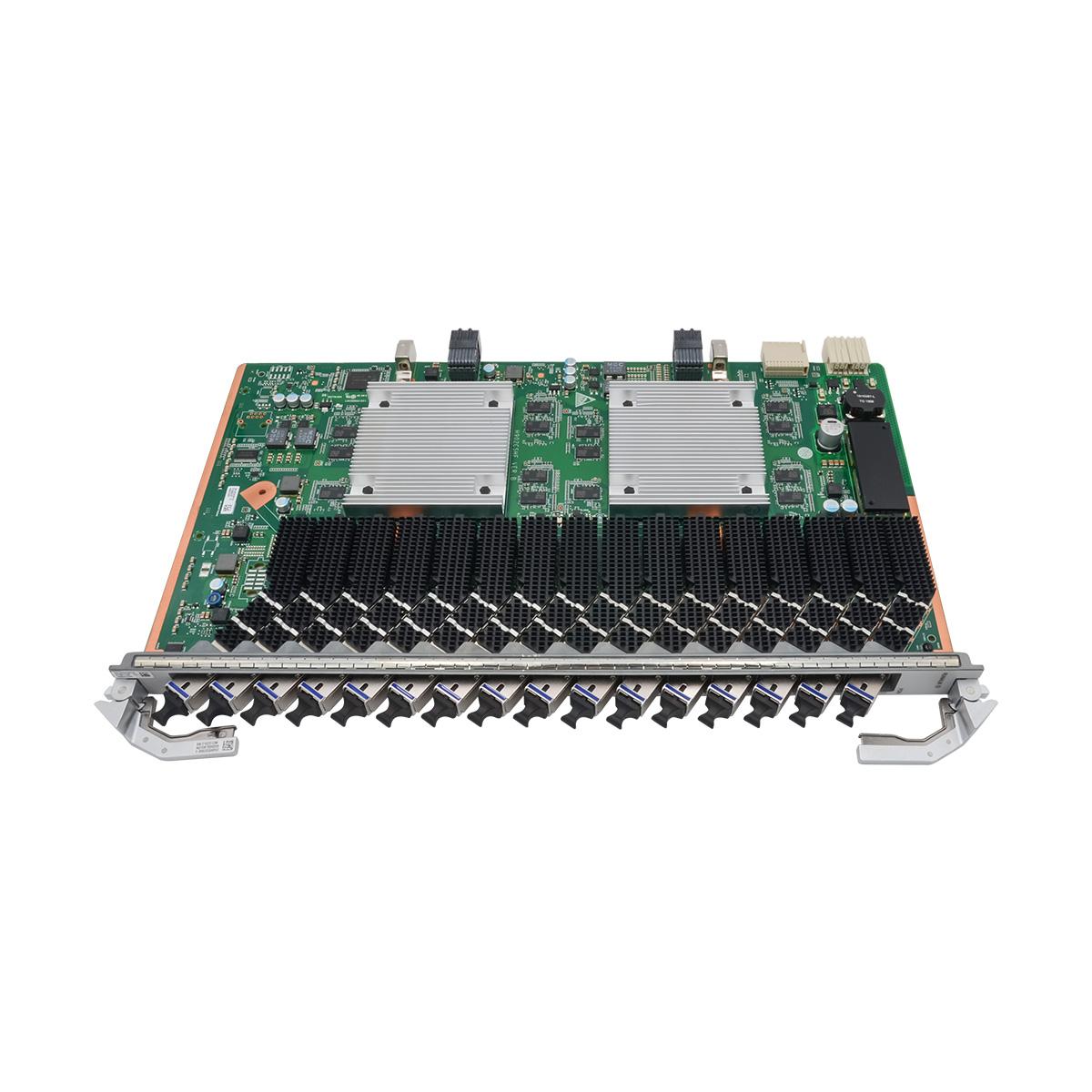
The global telecommunications landscape is undergoing a massive transformation. As traditional Fiber-to-the-Home (FTTH) architectures encounter physical limitations in multi-story houses, high-density apartments, and expansive office buildings, Fiber-to-the-Room (FTTR) has emerged as the definitive solution. By extending fiber optic cables directly to every room, FTTR eliminates the signal loss associated with concrete walls and long-distance copper wiring.
At the center of this revolution is the CATV ONU (Cable Television Optical Network Unit). This specialized device integrates CATV RF overlay technology with high-speed GPON/EPON (XPON) data routing. When combined with the speed, capacity, and latency enhancements of Gigabit Wi-Fi 6, CATV ONUs deliver a unified triple-play system (broadband data, voice, and television) that meets the demands of modern smart infrastructures.
Integrating RF CATV ports with dual-band Wi-Fi 6 allows network operators to deliver high-definition linear TV broadcasting alongside multi-gigabit wireless internet. This reduces hardware clutter, lowers installation costs, and maximizes energy efficiency within home and enterprise environments.
Today's telecom operators face a dual challenge: increasing bandwidth demands for cloud services, 8K streaming, and online gaming, while maintaining legacy TV services that millions of households still rely on. A standard FTTH deployment relies on a single central gateway, which often fails to cover peripheral rooms with high-speed Wi-Fi. The signal degradation through walls drops gigabit speeds down to less than 100 Mbps in far-off rooms.
FTTR solves this by deploying a Master ONU (often equipped with a CATV receiver) connected via thin, invisible optical fibers to multiple Slave/Edge ONTs in different rooms. This architecture guarantees true gigabit wireless coverage across the entire premises. The inclusion of CATV interfaces on these ONUs allows operators to broadcast cable television signals over the same fiber optic infrastructure using wavelength division multiplexing (WDM), typically operating at 1550nm for CATV and 1310/1490nm for XPON data transmission.
Wi-Fi 6 is not just about raw speed; it is built to handle high-density device environments. Key features like OFDMA (Orthogonal Frequency Division Multiple Access) and MU-MIMO (Multi-User, Multiple-Input, Multiple-Output) allow the CATV ONU to communicate with dozens of smart devices simultaneously without latency spikes. For FTTR, this means seamless roaming: as a user moves from the living room (Master ONU) to the bedroom (Edge ONT), their device transitions smoothly without dropping a Zoom call or interrupting an IPTV stream.
In large residential estates, concrete walls, floor heating systems, and multi-floor layouts act as major barriers to wireless signals. A CATV ONU configured for FTTR distributes dedicated fiber links to every floor. High-definition television signals are decoded locally via the CATV RF port, while smart home appliances, security cameras, and gaming consoles connect to the local room's Gigabit Wi-Fi 6 node. This guarantees zero-latency streaming and smart home automation stability.
Modern travelers expect high-speed internet and high-quality television services. Traditionally, hotels had to run separate coaxial cables for TVs and Ethernet cables for internet access. By using integrated CATV ONUs with FTTR, hotels can run a single optical fiber to each guest room. This fiber feeds the ONU, which provides high-speed Wi-Fi 6 for guest devices, an RJ45 port for IP phones, and an RF interface for the room's HDTV. This simplifies maintenance and significantly lowers deployment costs.
For property developers and internet service providers (ISPs), equipping new apartment buildings with pre-installed FTTR networks is a major selling point. Using XPON technology alongside CATV distribution ensures that every apartment has private, gigabit-capable wireless access points and direct cable TV connections, managed easily through centralized OLT (Optical Line Terminal) systems.
As we look to the future, the integration of CATV and FTTR will evolve alongside optical and wireless standards. The transition from GPON/EPON to 10G-PON (XG-PON and XGS-PON) is already underway. This upgrade will provide symmetric 10 Gbps backhaul speeds, ensuring that even as the number of connected devices in homes grows, the optical link remains bottleneck-free.
Furthermore, the upcoming adoption of Wi-Fi 7 (802.11be) will bring wider channel widths (up to 320 MHz) and Multi-Link Operation (MLO), allowing devices to transmit data over multiple bands simultaneously. Future CATV ONUs will incorporate these standards, creating ultra-low latency networks suitable for real-time virtual reality (VR), holographic communication, and industrial automation.
AIOU Fiber Communication Technology focuses on the research, development, and manufacturing of optical network access solutions.

Optimized supply chain management ensuring fast turnaround times for global telecom projects.

Continuous innovation in XPON, FTTR, and CATV hardware and firmware integration.

Tailored hardware design, logo printing, and firmware configuration to match your branding.

Our ONUs are fully compatible with major OLT brands (Huawei, ZTE, Nokia, Fiberhome, etc.).

Comprehensive technical support, firmware updates, and hardware warranties for peace of mind.

Large-scale manufacturing facilities guaranteeing consistent output even during peak demand.
Fiber optic communication equipment is widely used in 5G, data centers and smart cities to enable high-speed transmission.
Providing high-bandwidth, low-latency optical connections to support small cells and macro base station backhauling in dense urban environments.
Interconnecting high-speed optical transceivers and switches to facilitate ultra-fast cloud computing data transfers.
Powering municipal surveillance, smart traffic control, environmental monitoring sensors, and public Wi-Fi networks through reliable fiber backbones.
Explore our top-rated GPON, EPON, and XPON terminal devices optimized for global broadband networks.