Wenzhou AIOU Optical Communication Co., Ltd.



Leave Your Message
-
 Get Your Quote
-
 Email
Optimized for CCTV surveillance systems, offering enterprise-grade fiber optic transmission, high bandwidth, and exceptional stability.

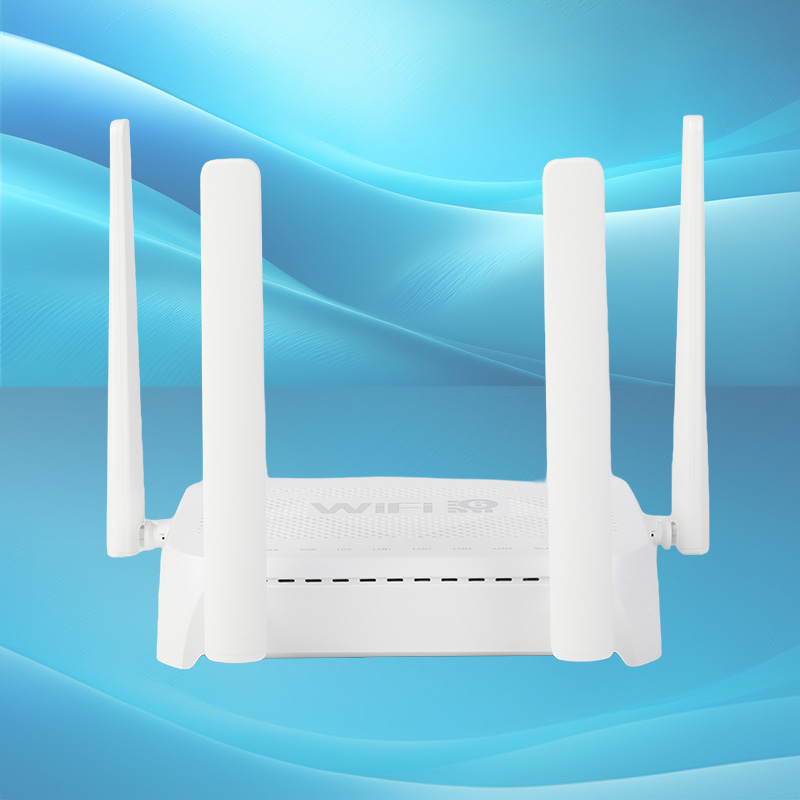
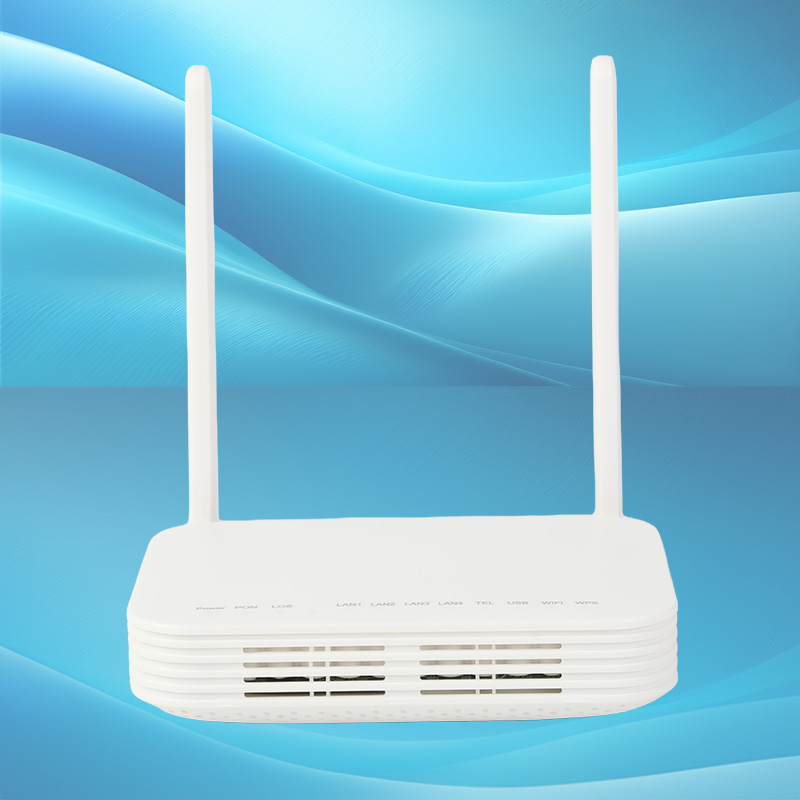
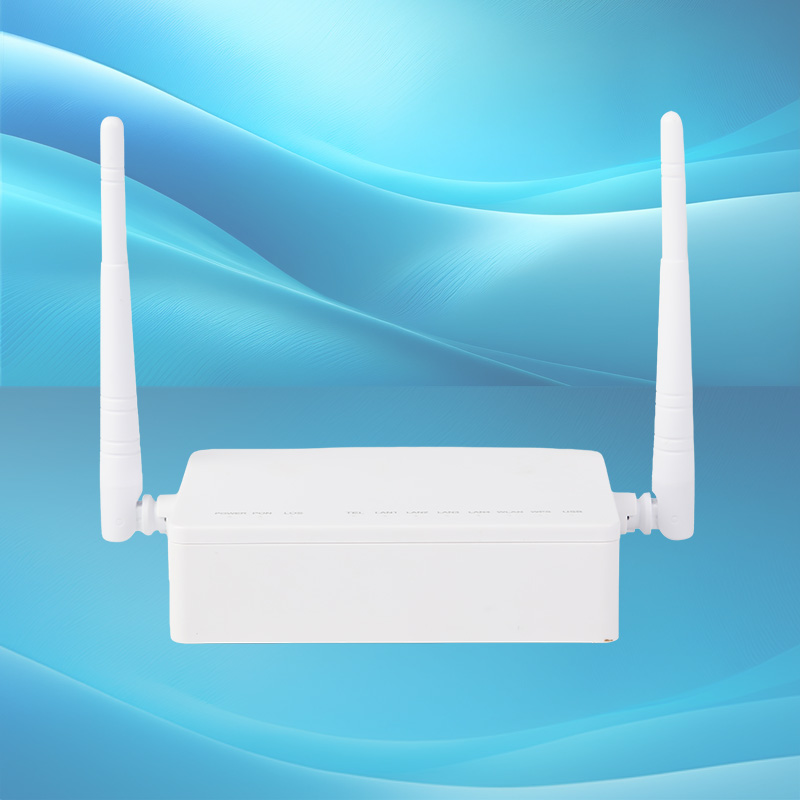
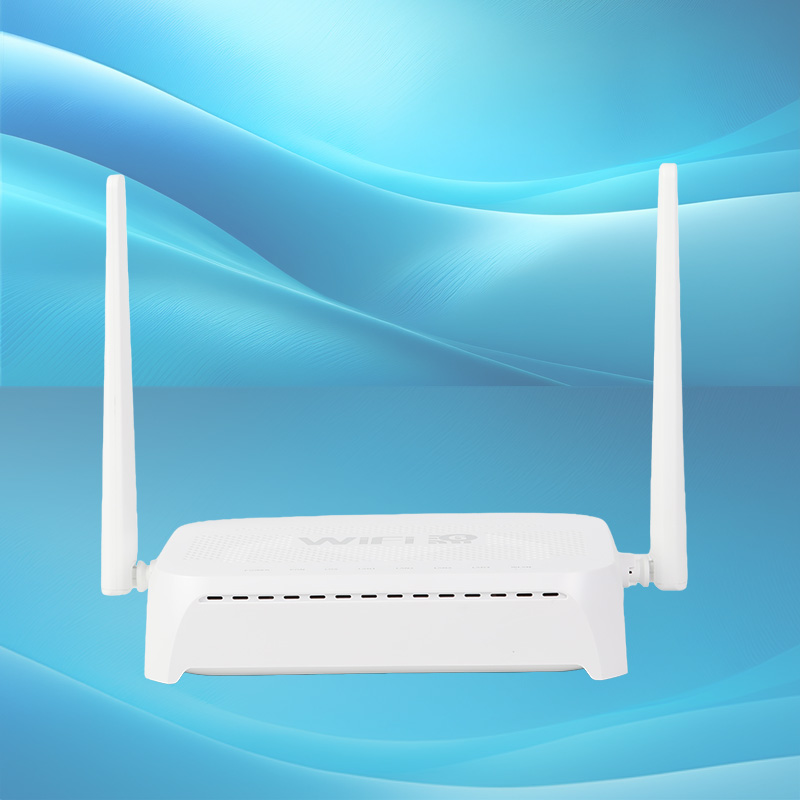
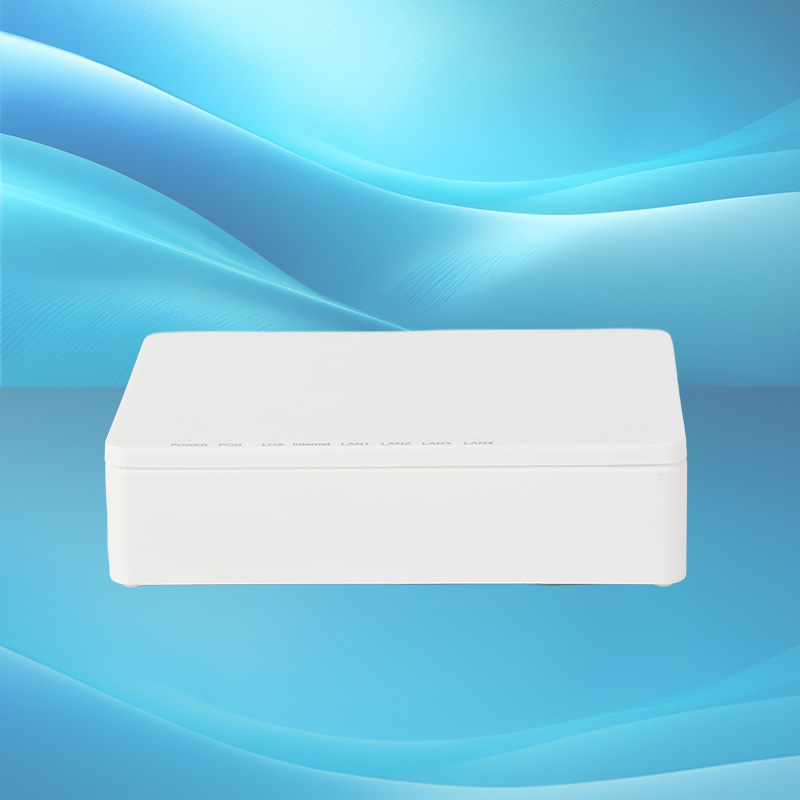
The global demand for high-definition security surveillance has scaled exponentially over the past decade. Traditional copper-based coaxial cabling and standard Ethernet connections are no longer sufficient to handle the bandwidth, distance, and interference challenges of modern security infrastructures. Consequently, fiber-to-the-x (FTTx) architectures—specifically utilizing GPON (Gigabit Passive Optical Network), EPON (Ethernet Passive Optical Network), and XPON (dual-mode) technologies—have become the gold standard.
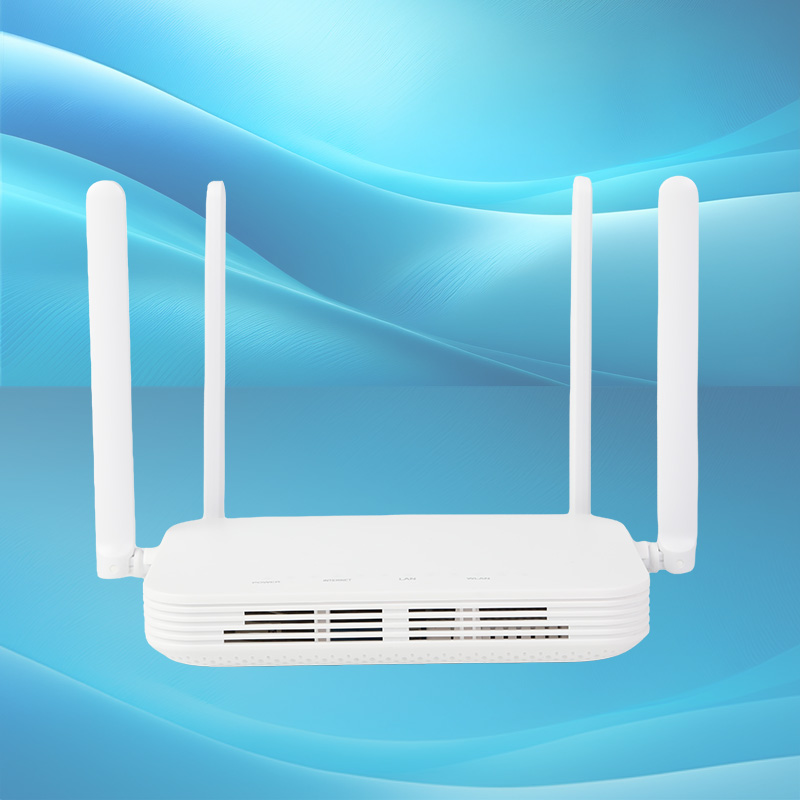
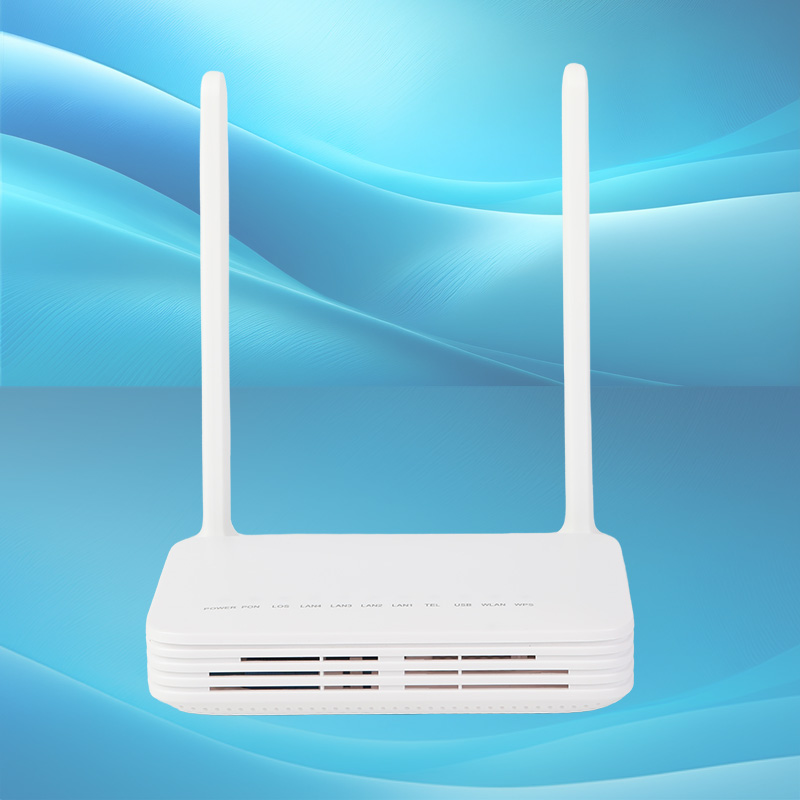
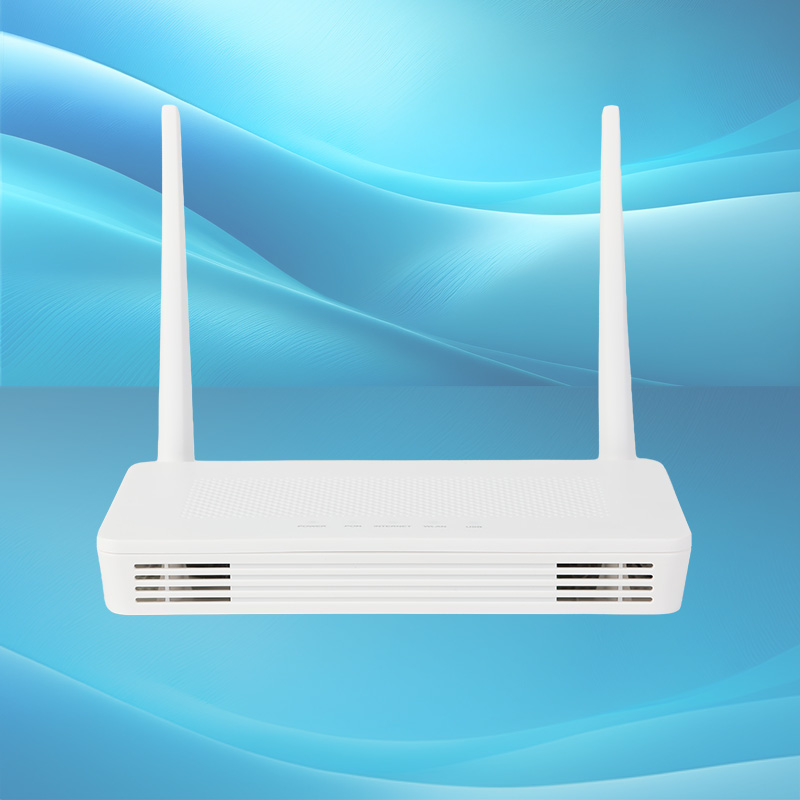
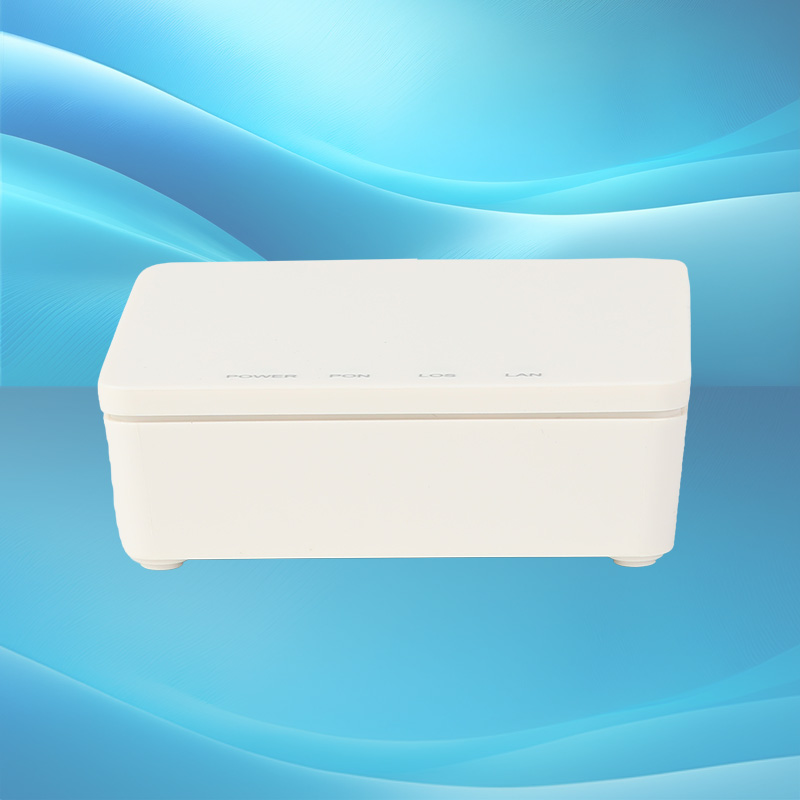
Within this technological landscape, the CATV ONU (Optical Network Unit) has emerged as a vital element for integrated CCTV camera fiber optic transmission. By combining high-speed IP data transmission with a dedicated RF overlay for analog or digital Cable Television (CATV) signals, these devices enable operators to deploy hybrid networks. This dual capability is highly valued in mixed-use residential complexes, commercial towers, smart cities, and municipal monitoring systems where both security video feeds and media broadcast streams must share the same physical fiber infrastructure.
Integrating CATV and IP-based CCTV over a single fiber strand using Wavelength Division Multiplexing (WDM) reduces cabling costs by up to 50% while expanding transmission distances up to 20 kilometers without requiring signal repeaters.
Modern smart cities require thousands of high-definition PTZ (Pan-Tilt-Zoom) cameras, license plate recognition (LPR) systems, and environmental sensors spread across vast urban landscapes. Deploying dedicated fiber links for every single device is economically unfeasible.
By utilizing CATV ONUs, municipalities can deploy a Passive Optical Network (PON) architecture. A single Optical Line Terminal (OLT) at the central office can serve hundreds of edge-mounted ONUs. The ONU interfaces directly with the IP cameras via Gigabit Ethernet ports, transmitting real-time, low-latency video feeds back to the central monitoring station. Simultaneously, the CATV RF port can be utilized to transmit public information broadcasts, emergency alerts, or municipal TV feeds to digital signage displays across the city.
Industrial environments present extreme challenges for data transmission, including severe electromagnetic interference (EMI), high temperatures, and explosive atmospheres. Copper networks are susceptible to electromagnetic noise from heavy machinery, generators, and high-voltage power lines.
Fiber optic transmission is inherently immune to EMI. Hardened industrial CATV ONUs act as secure edge nodes. They collect high-resolution video streams from explosion-proof CCTV cameras positioned in hazardous zones and transmit them over kilometers of noise-free fiber. The optical isolation prevents electrical surges from traveling back to the control room, safeguarding expensive server infrastructure.
In modern residential estates and high-rise commercial buildings, developers require a unified optical network that services multiple utilities. A single fiber drop to each unit or block can deliver high-speed broadband internet, VoIP telephone services, and digital CATV entertainment.
Simultaneously, the same PON infrastructure supports the property's security framework. Security cameras monitoring hallways, parking garages, and perimeter fences are connected to local ONUs. The CATV ONU handles the dual role effortlessly: it receives downstream CATV broadcasting signals on the 1550nm wavelength while uploading upstream security camera footage on the 1310nm wavelength.
Securing borders, pipelines, and railway lines requires monitoring spans over dozens of kilometers. Standard copper Ethernet is limited to 100 meters, and wireless transmission is vulnerable to weather conditions and signal jamming.
Fiber optic transmission utilizing XPON ONUs provides a secure, tamper-proof, and long-range solution. By integrating optical fiber ring topologies with ONUs, security personnel can ensure continuous, redundant video surveillance. Even if the fiber is cut at one point, the network automatically reroutes the video data, maintaining constant situational awareness.
How next-generation optical access terminals are shaping the future of security surveillance and intelligent data transmission.


To understand the efficiency of a CATV ONU in a surveillance network, it is essential to analyze the optical wavelength division multiplexing (WDM) technology it employs. Standard GPON networks operate on two primary wavelengths: 1490nm for downstream data and 1310nm for upstream data.
In a hybrid CATV ONU system, a third wavelength—1550nm—is introduced. This wavelength is dedicated strictly to transmitting downstream RF video/CATV overlay signals. A built-in optical filter inside the ONU separates the 1550nm analog/digital TV signal from the 1490nm/1310nm IP data signals. The IP data is routed to the RJ45 Ethernet ports to connect the CCTV cameras, while the RF signal is directed to a coaxial F-connector for TV or analog monitoring displays.
Focused on the research, development, and manufacturing of optical network access solutions

Rapid Production and Delivery
Independent R&D team

oem/odm
Good interoperability
After-sales care and maintenance

Stable supply capacity
Fiber optic communication equipment is widely used in 5G, data centers and smart cities to enable high-speed transmission.
Beyond residential and commercial surveillance, our fiber optic solutions are integrated into critical global infrastructures. By deploying our GPON and XPON ONUs, telecom operators and private network administrators can support massive 5G small cell backhaul, connect high-density data centers, and power the IoT sensors that drive modern smart city operations. The stability, high-temperature tolerance, and advanced interoperability of our ONUs ensure that no matter the scale of the project, data flows seamlessly and securely.
AIOU Fiber Communication Technology focuses on providing comprehensive electronic technology products