In the fast-changing world of data communication, Fiber Transceivers are pretty much essential components. These little gadgets are what keep data flowing at high speeds over long distances. If you're buying for a business or even just for your network setup, you're probably looking for reliable and efficient options that fit your specific needs. Brands like TP-Link and Cisco definitely stand out with some solid choices—they offer a wide range of products with different specs, supporting all kinds of network setups.
That said, not every Fiber Transceiver is a perfect fit for every environment. Things like compatibility, how far you need the signal to go, and speed requirements all matter a lot. It’s a good idea to really think about what you need before diving into a purchase. The market’s packed with options, but quality can be all over the place. Unfortunately, not all manufacturers stick to high standards, which can lead to performance issues.
Choosing the right Fiber Transceiver can save you a bunch of headaches and money down the road. It’s smart to go for trusted brands, and don’t forget to check out reviews or ask experts—they can really help you navigate this tricky market. Just keep in mind: picking the wrong one might actually slow things down or cause more problems than it’s worth, instead of making your network better.
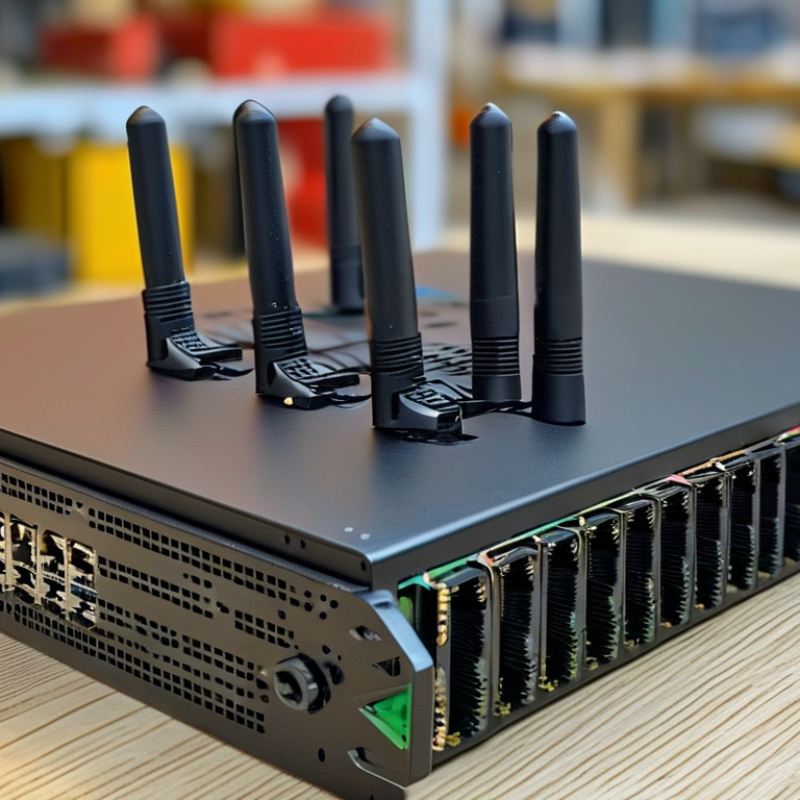
Top Fiber Transceiver Manufacturers in China: A Market Overview
China has become a leading hub for fiber transceiver manufacturing. Various companies are engaged in producing high-quality Fiber Optic Transceivers. The market is diverse, featuring numerous manufacturers offering competitive products. Their innovation and technology have significantly impacted the global market. Buyers recognize the reliability and efficiency of these transceivers.
When selecting a fiber optic transceiver, consider your specific needs. It's essential to assess compatibility with existing equipment. Not all transceivers are universally compatible. Pay attention to specifications like data rate and distance. This detail ensures optimal performance and longevity. Check reviews and case studies from previous users for additional insights.
Engaging with these manufacturers through trade shows or online platforms can be beneficial. You can discover the latest advancements and trends in the fiber optic transceiver sector. Knowledge of potential limitations and requirements of the transceivers can help in making informed choices. The vast array of options reflects both strengths and challenges in the market.
Key Specifications of Fiber Transceivers: Understanding Data Rates and Formats
Understanding the specifications of fiber transceivers is essential for making informed purchasing decisions. Data rates play a crucial role in determining the performance of these devices. Typically, Transceiver Optical Fiber products come with varying data rates suitable for different applications. Higher data rates allow for faster data transmission, which is vital for modern networking demands. Common values include 1G, 10G, 40G, and even 100G options.
In addition to data rates, the format of the transceiver also impacts performance. A variety of formats, such as SFP, SFP+, and QSFP, each have unique applications. For instance, SFP+ supports 10G Ethernet connections while QSFP enables higher density connectivity. Buyers must consider compatibility with existing infrastructure. This can often lead to second-guessing if the chosen format aligns with current and future needs.
Not all transceivers are created equal. Variability in quality can affect long-term reliability. Some may find certain specifications don’t match their expectations, leading to wasted investments. A deeper exploration of key technical details helps buyers avoid regrets. They must ensure the selected transceiver optical fiber meets specific operational requirements without compromise. Engaging with trusted sources for guidance can mitigate potential pitfalls.
Comparative Analysis of Cost-Effectiveness: China's Fiber Transceivers vs. Others
China's emergence as a major player in the Optical Fiber Transceiver market has raised questions about cost-effectiveness. Reports suggest that Chinese fiber transceivers are, on average, 30% cheaper than those from Western manufacturers. This significant price difference appeals to global buyers looking to optimize budgets without sacrificing quality. Research highlights that Chinese optics offer performance reliability, essential for extensive networks. However, inconsistency in quality among manufacturers remains a concern.
Comparatively, while Chinese optical fiber transceivers are cost-effective, the market faces challenges. Some data show that a lack of stringent quality control can impact long-term performance. Buyers must navigate varying standards and ensure they select reliable suppliers. Market analytics indicate that performance benchmarks are improving steadily, yet the gap in trust remains. This ongoing issue prompts a deeper reflection on the importance of due diligence when sourcing from international providers.
Many end-users report satisfaction with performance metrics, especially in high-speed applications. However, real-world implementation issues occasionally arise. Buyers should evaluate whether initial savings translate into greater costs over time. This nuanced approach, focusing on both price and quality, will help global buyers better navigate the complexities of the optical fiber transceiver landscape.
Industry Standards: Compliance and Certifications for Fiber Transceivers
When considering fiber transceivers, adherence to industry standards is crucial. Compliance ensures that your equipment meets international safety and performance guidelines. Various certifications, like ISO and CE, signify that the product has undergone stringent testing. This level of rigor fosters trust among global buyers.
Selecting fiber transceivers that hold these certifications can dramatically improve network reliability. For instance, products that comply with the IEEE 802.3 standard assure proper interoperability. Additionally, look for environmental certifications that guarantee performance under varying conditions. Such details enhance the transceiver's efficiency.
Tips for choosing fiber transceivers: Always check the datasheets for certification details. Engaging with knowledgeable suppliers can clarify compliance information. Expert consultations might reveal insights into potential issues. Keep an eye on emerging standards. They often influence future product development. Recognizing your specific needs can also guide better choices.
Market Trends: How 5G and IoT Influence Fiber Transceiver Demand
As the demand for 5G and IoT technology continues to surge, the need for high-performance fiber transceivers has escalated. These devices play a crucial role in managing data traffic and connectivity in modern networks. With increased data transmission speeds, businesses are seeking efficient solutions to support their expanding infrastructure. The evolution of 5G networks is driving manufacturers to innovate, resulting in fiber transceivers that can effectively handle the rising bandwidth requirements.
Recent market insights indicate that IoT applications are also significant contributors to fiber transceiver demand. Smart devices constantly transmit data, creating a need for robust communication systems. In this context, reliable fiber transceivers ensure seamless connectivity. They must support various protocols and speed standards for optimal functionality. Emerging technologies like edge computing also rely on these devices for low-latency communications.
When selecting fiber transceivers, consider future-proofing your investments. Look for devices that support multiple protocols and can easily integrate with existing infrastructure. Be cautious of overselling features that may not align with your specific use case. Always evaluate the reliability and performance of the transceivers, keeping in mind that not every high-speed solution will meet your organizational needs. Balancing cost, efficiency, and scalability is crucial in today's rapidly evolving tech landscape.
Global Shipping and Distribution: Logistics for Fiber Transceiver Buyers
Global shipping and distribution play a vital role for fiber transceiver buyers worldwide. In recent years, the demand for high-performance networking solutions has surged. According to a report by Mordor Intelligence, the global fiber optic transceiver market is expected to grow at a CAGR of 10.1% from 2021 to 2026. This trend underscores the importance of efficient logistics for timely delivery.
Quality logistics enable seamless procurement of Sfp Fiber Optic Transceivers. However, challenges persist. Global shipping delays, customs regulations, and varying standards make the process complex. Keeping close tabs on freight routes and shipping times is crucial. For instance, port congestion can extend delivery times significantly. Consistent communication between suppliers and buyers is essential to mitigate these issues.
Choosing reliable logistics partners can enhance the distribution experience. Many buyers opt for third-party logistics companies for supply chain management. A recent study revealed that 75% of organizations prioritize partnerships that assure quick turnaround times. Building these relationships can ensure that Sfp Fiber Optic Transceivers arrive efficiently, supporting the growing global connectivity needs. Encouragingly, advancements in logistics technology continue to offer solutions, aiming to address these ongoing challenges.
Top China Best Fiber Transceiver Options for Global Buyers
| Model |
Data Rate (Gbps) |
Wavelength (nm) |
Distance (km) |
Interface Type |
Applications |
| SFP-10G-SR |
10 |
850 |
300 |
SFP+ |
Data Center, LAN |
| SFP-10G-LR |
10 |
1310 |
10 |
SFP+ |
WAN, Telecom |
| SFP-25G-SR |
25 |
850 |
70 |
SFP28 |
Data Center, 5G |
| QSFP-40G-SR4 |
40 |
850 |
150 |
QSFP+ |
Data Center, Cloud Computing |
| QSFP-100G-LR4 |
100 |
1310 |
10 |
QSFP28 |
Long Haul, WAN |
Customer Case Studies: Successful Implementations of Chinese Fiber Transceivers
Fiber transceivers from China have gained traction among global buyers, demonstrating success across various implementations. One compelling case involved a large telecommunications company in Southeast Asia. They reported a 30% increase in data transmission speed after integrating Chinese fiber transceivers into their existing network. This efficiency has fueled their ability to handle growing bandwidth demands.
A study by an industry analyst revealed that Chinese fiber transceivers can often provide comparable performance at a lower cost. This affordability benefits many businesses, especially startups and smaller entities that aim to expand their network capabilities without breaking the bank. In another case, a European data center adopted Chinese transceivers, achieving a remarkable 40% reduction in latency. This improvement led to better service levels and increased customer satisfaction.
However, there are challenges. Some users noted variability in product quality. With rapid innovation, keeping pace with the latest standards can also be a concern. Companies need to assess long-term reliability when selecting transceivers. The balance between cost and quality often requires careful consideration. Despite these issues, the overall trend shows increasing trust in Chinese fiber transceivers.
FAQS
: Assess compatibility with your equipment and consider data rates and distance for optimal performance.
Pay attention to data rates, distances, and relevant certifications to ensure reliable operation.
Compliance with standards ensures safety and performance, fostering trust among users and buyers.
Certifications indicate rigorous testing, improving network reliability and product trustworthiness.
They offer competitive performance and affordability, helping businesses expand their network capabilities.
Yes, some users reported significant increases in speed, enhancing bandwidth handling and efficiency.
Variability in product quality and keeping up with rapid technological advancements can be concerns.
Reviews and case studies from other users provide valuable insights into performance and reliability.
Suppliers can offer clarification on compliance issues and help identify suitable transceivers for your needs.
Overlooking long-term reliability and not balancing cost with quality can lead to future issues.
Conclusion
The article titled "Top China Best Fiber Transceiver Options for Global Buyers" provides a comprehensive overview of the fiber transceiver market in China, shedding light on leading manufacturers and key specifications that define data rates and formats. It emphasizes the cost-effectiveness of Chinese fiber transceivers in comparison to global counterparts while discussing the importance of compliance with industry standards and certifications.
Additionally, the piece explores how emerging technologies, such as 5G and IoT, are shaping the demand for fiber transceivers, highlighting market trends that buyers should note. It also addresses the logistics of global shipping and distribution, ensuring that potential buyers are informed about the practicalities of acquiring these essential components. Customer case studies further illustrate successful implementations of fiber transceivers from China, demonstrating their effectiveness in real-world applications.



 Get Your Quote
 Email