So, picking the right Wifi Onu Router supplier? It's not just about checking prices and looking at product photos. Global buyers really need fiber access that stays stable, decent wireless coverage, secure firmware, and after-sales support they can count on. This guide looks at China-based suppliers that serve different market needs—names like Huawei, ZTE, FiberHome, and other more specialized manufacturers. Their lineups might include GPON, EPON, XG-PON, Wi-Fi 5, and Wi-Fi 6 devices.
But real performance? That starts with hands-on testing. A good Wifi Router Onu should keep a reliable connection through concrete walls, packed apartments, and small business offices. Buyers should look at optical power tolerance, LAN port speed, IPv6 support, remote management, and whether it plays nicely with existing OLT gear. Firmware update procedures matter too—don't skip those. A pretty spec sheet can't beat stable performance in the field.
Supplier reliability is just as important. Experienced manufacturers usually offer samples, technical docs, customization options, and communication that doesn't drag. They should spell out warranty terms clearly and help with regional certification requirements. That said, no supplier is perfect. Delivery delays, fuzzy software policies, or inconsistent samples can still pop up. Careful buyers should ask for test units and review production records before placing big orders. Independent inspections can catch packaging weaknesses, connector issues, or wireless limits you didn't expect. Honestly, these little details often matter more for long-term customer satisfaction than a rock-bottom quote. With balanced research, direct testing, and realistic expectations, global buyers can find a China Wifi Onu Router supplier that supports secure, scalable, and commercially practical network deployments.
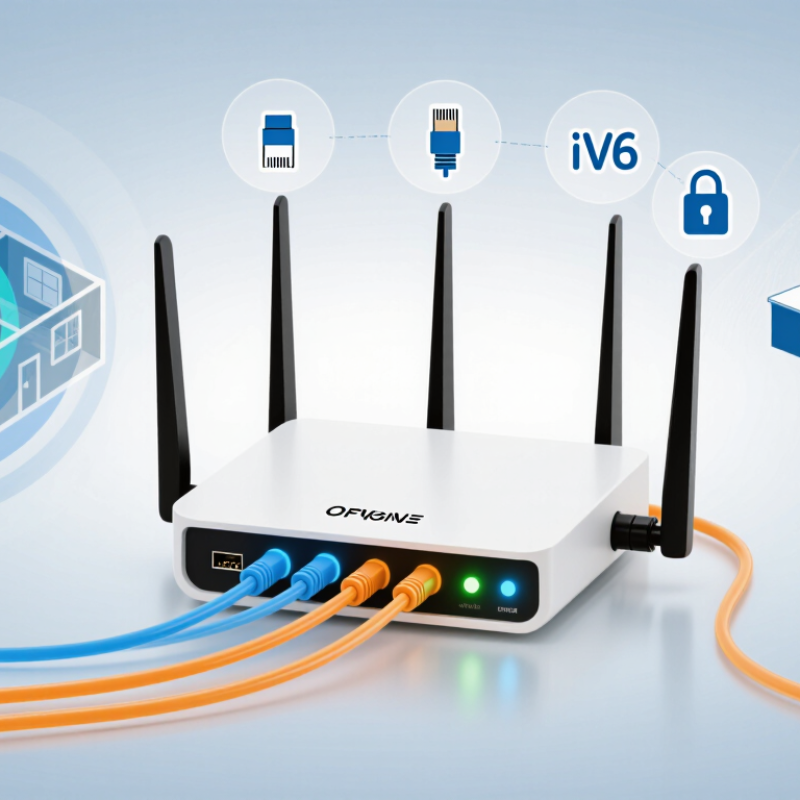
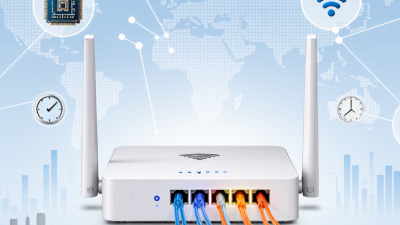
A Wifi Onu Router combines an optical network unit with a wireless router in one enclosure. The ONU receives fiber signals from the passive optical network and converts them into Ethernet data. The router then assigns local IP addresses, manages NAT, and distributes internet access through Wi-Fi and wired ports. A small home gateway can therefore replace separate optical and routing equipment.
Its value becomes clearer as fiber adoption expands. The ITU Facts and Figures 2023 report estimated 5.4 billion people were online, representing 67% of the global population. The FTTH Council Global Alliance reported continued growth in fiber-connected premises across major markets during 2023. These figures increase pressure on home networks, especially where several phones, cameras, televisions, and workstations share one connection.
In a real room, placement matters. A cabinet corner may weaken the 5 GHz signal, while thick concrete can reduce coverage further. Dual-band Wi-Fi, automatic channel selection, and gigabit Ethernet ports are practical features. ITU-T G.984 and G.988 define important GPON and ONU management requirements, but compliance alone does not guarantee smooth performance. The GSMA Mobile Economy 2024 report also noted rising mobile data demand worldwide, which supports stronger household connectivity expectations. Still, advertised wireless speed is theoretical. Actual results depend on optical power, firmware quality, interference, device distance, and the internet plan. That limitation is easy to overlook.
An Onu Wifi Router links a home to a fiber network through a compact optical network unit. The fiber cable carries light signals into the device. The router converts those signals into Ethernet data and wireless connections. Phones, laptops, cameras, and smart televisions then share one broadband line.
In practical installations, the router must support the local fiber standard and the internet provider’s authentication settings. Proper optical power levels matter. Weak signals can cause slow browsing, unstable video calls, or repeated disconnections. A dual-band wireless system usually provides better flexibility, while newer WiFi standards improve performance in busy homes. Placement also changes results. A central shelf often works better than a closed cabinet or metal rack. However, specifications alone do not guarantee stable coverage. Real walls, neighboring networks, and old client devices can reduce performance. That is an important detail buyers sometimes overlook.
Tips: Check fiber compatibility before ordering. Confirm bridge and router modes. Keep the device ventilated. Test every room, not only the room beside the router. Update firmware through secure procedures. Record optical readings during installation. If coverage remains weak, review channel settings before adding equipment. A simple signal map can reveal problems that speed tests miss. Some troubleshooting steps may seem obvious, but skipping them creates expensive rework.
When comparing WiFi ONU router models, check the optical standard before looking at wireless speed. GPON, EPON, and XGS-PON networks are not automatically interchangeable. Confirm the operator’s requirements, optical power range, and authentication method. A router may look capable on paper but fail during installation.
Wireless performance depends on more than a WiFi label. Compare the supported bands, channel width, antenna design, and processor capacity. Dual-band WiFi 6 can handle apartments with many phones, cameras, and smart devices. WiFi 7 may offer lower latency, but only when client devices and network services support it. Test coverage through concrete walls. A signal that is strong beside the router may weaken sharply in a bedroom.
Ports also deserve close attention. Gigabit Ethernet is adequate for many homes, while multi-gigabit ports suit faster fiber plans and local file transfers. Review VLAN, IPv6, guest network, parental controls, and WPA3 support. Remote management should include clear logs and safe firmware updates. Heat matters too. A compact unit placed inside a closed cabinet may throttle after several hours. I have seen advertised wireless rates create unrealistic expectations. They are laboratory figures, not guaranteed room speeds. Ask for independent throughput results, compatibility records, and warranty terms. Small omissions can become expensive service calls.
China’s leading WiFi ONU router suppliers serve several practical product categories. Standard dual-band units support apartments, small offices, and basic fiber installations. They usually combine 2.4GHz coverage with 5GHz speed. During testing, installers often check wall penetration, heat control, and optical signal stability.
A Wifi Router Gpon Onu is designed for GPON-based fiber access networks. It may include multiple Ethernet ports, telephone interfaces, and remote management functions. Suppliers also offer XPON models for networks requiring broader compatibility. These devices can reduce replacement pressure during network upgrades. However, buyers should verify optical class, firmware support, and interoperability before placing large orders.
WiFi 6 ONU routers target crowded homes, hotels, campuses, and shared workspaces. They handle many connected devices more efficiently. Some Chinese suppliers provide customized housings, language settings, packaging, and software interfaces. Industrial categories may include stronger cooling, wider temperature ranges, and reinforced enclosures. I have found that clear testing records matter more than attractive specifications. A few samples can expose unstable wireless coverage or weak connectors. Supplier audits should review component traceability, quality procedures, technical response time, and shipment consistency. No product is perfect. Even a capable router may need better antennas or simpler setup instructions.
| Supplier Category | Optical Access Standard | Typical WiFi Generation | Common Ethernet Configuration | Typical Optical Performance | Common Product Features | Best-Fit Buyer Applications | Key Verification Points |
|---|---|---|---|---|---|---|---|
| Entry-Level GPON WiFi ONU Routers |
GPON ITU-T G.984 series |
WiFi 4 or WiFi 5 2.4 GHz, or dual-band |
1 × Gigabit Ethernet or 4 × 10/100/1000 Mbps ports |
Class B+ is widely used; 1490 nm downstream and 1310 nm upstream |
Router mode, bridge mode, NAT, DHCP, IPv4, basic IPv6, web management | Residential broadband, budget FTTH deployments, small apartments and entry-level projects | Confirm OLT interoperability, OMCI support, firmware language, optical budget and local ISP requirements |
| Dual-Band GPON WiFi ONU Routers |
GPON ITU-T G.984 series |
WiFi 5 2.4 GHz and 5 GHz |
1–4 × Gigabit Ethernet ports; optional telephone or USB interfaces |
Commonly Class B+ or Class C+; receive sensitivity depends on the optical class |
MU-MIMO, beamforming, guest network, parental controls, VLAN, TR-069 or similar remote management | Home broadband, multi-room coverage, small offices and value-focused operator deployments | Check 5 GHz channel support, transmit power limits, remote-management compatibility and wireless throughput testing method |
| XG-PON WiFi ONU Routers |
XG-PON ITU-T G.987 series |
WiFi 5 or WiFi 6 dual-band |
At least 1 × Gigabit Ethernet; some models include 2.5GbE |
Typically uses 1577 nm downstream and 1270 nm upstream; optical class must match the network design |
Higher-capacity broadband, IPv6, VLAN, QoS, remote provisioning and multi-user traffic management | High-speed residential access, premium broadband packages and bandwidth-intensive users | Verify XG-PON OLT compatibility, wavelength plan, optical budget, firmware provisioning and ONU authentication method |
| XGS-PON WiFi ONU Routers |
XGS-PON ITU-T G.9807.1 |
WiFi 6 dual-band, with optional higher-end designs |
1 × 2.5GbE or 1 × 10GbE uplink; additional Gigabit LAN ports may be included |
Symmetrical 10 Gbit/s PON line rate; optical class and reach depend on the selected transceiver |
OFDMA-capable WiFi, VLAN/QoS, IPv6, advanced diagnostics, remote management and high-speed LAN | Premium FTTH, multi-gigabit plans, smart homes, home offices and dense bandwidth usage | Check actual LAN bottleneck, SFP or optical module design, thermal performance, OLT profile and interoperability testing |
| Combo GPON/XG-PON or XGS-PON ONU Routers |
Combo PON Multiple PON modes in one device |
WiFi 6 dual-band |
1 × 2.5GbE or 10GbE uplink; multiple Gigabit LAN ports are common |
Supports coexistence wavelengths according to the applicable PON architecture; optical budget is network-specific |
Automatic or configurable PON mode, future network migration support, VLAN, QoS and remote provisioning | Operators migrating from GPON to XG-PON or XGS-PON without replacing all customer equipment | Confirm supported combinations, coexistence plan, firmware switching logic, OLT vendor interoperability and field-upgrade policy |
| WiFi 6 AX3000-Class ONU Routers |
GPONXG-PONXGS-PON Model-dependent |
WiFi 6 2.4 GHz and 5 GHz |
Gigabit, 2.5GbE or 10GbE options; configuration varies by model |
Optical specifications depend on the integrated PON type and optical class | OFDMA, MU-MIMO, BSS coloring, target wake time, WPA3 support where implemented, mesh compatibility on selected platforms | High-density homes, apartments, small offices and smart-home environments with many connected devices | Do not rely only on the AX class label; verify channel width, spatial streams, actual LAN speed and regional radio regulations |
| Voice-Enabled WiFi ONU Routers |
GPONXG-PON Model-dependent |
WiFi 5 or WiFi 6 | Multiple Gigabit Ethernet ports; one or two POTS ports may be available |
Optical class follows the selected PON interface; voice service is delivered through an integrated VoIP subsystem |
SIP, T.38 fax support on selected models, echo cancellation, voice VLAN, emergency-call configuration and service provisioning | Triple-play services combining broadband, voice and optional IPTV | Verify SIP interoperability, codec support, regional telephone requirements, battery-backup expectations and emergency-service procedures |
| CATV-RF Overlay WiFi ONU Routers |
GPONXG-PON With RF video overlay option |
WiFi 5 or WiFi 6 | Gigabit or multi-gigabit Ethernet; optional RF coaxial output |
Optical PON performance is separate from RF video specifications; RF output must be checked against network levels |
Data, voice and video integration, RF output, VLAN, multicast and IPTV support where configured | Triple-play networks and deployments transitioning from coaxial video distribution | Check RF frequency range, output level, return-path design, optical receiver specifications and local broadcast regulations |
| Industrial- or Business-Focused ONU Routers |
GPONXGS-PON Project-dependent |
WiFi 5 or WiFi 6 optional enterprise features |
Multiple Gigabit ports; 2.5GbE, SFP or 10GbE options on selected designs |
Optical reach and class are selected according to the access network; industrial variants may use enhanced protection |
VLAN stacking, QoS, IPv6, VPN pass-through, SNMP or TR-069, watchdog functions and extended temperature options on selected models | Small and medium businesses, hospitality, education, branch offices and managed network projects | Confirm operating temperature, enclosure design, surge protection, management protocol, MTBF data and long-term firmware support |
| Customized OEM/ODM WiFi ONU Routers | GPON, XG-PON, XGS-PON or combo PON According to project requirements |
WiFi 5, WiFi 6 or project-specific design | Port layout, uplink speed and interfaces can be customized | Optical wavelength, class and connector selected for the target network | Customized enclosure, user interface, firmware, logo-free packaging, regional settings, cloud platform integration and provisioning workflow | Telecom operators, distributors, system integrators and large-volume international projects | Define product requirements, certification scope, sample approval, software ownership, change-control process, spare parts and quality inspection criteria |
| Mesh-Ready WiFi ONU Routers |
GPONXG-PONXGS-PON Model-dependent |
WiFi 5 or WiFi 6 mesh-capable platform |
Gigabit or multi-gigabit Ethernet; dedicated wired backhaul may be supported |
Optical specifications follow the integrated PON technology | EasyMesh or proprietary mesh support, wired or wireless backhaul, band steering, roaming and centralized management on selected platforms | Large homes, villas, hotels, multi-floor buildings and coverage-sensitive broadband installations | Verify standards-based EasyMesh support, node compatibility, backhaul behavior, roaming performance and management-platform integration |
Global buyers evaluating Chinese Router Onu suppliers need more than attractive quotations.
The ITU Facts and Figures 2024 report estimates that 5.5 billion people were online, increasing demand for affordable broadband equipment. This growth also raises quality expectations. Ask suppliers for optical budgets, tested throughput, firmware versions, and supported standards such as ITU-T G.984 and G.988.
Request a complete technical file before discussing volume. It should include test reports, factory quality procedures, component traceability, and cybersecurity controls. Verify whether the reported results come from an independent laboratory. A factory video is useful, but an on-site audit is stronger.
Check production samples under heat, power cycling, and weak optical signals. Small details matter, such as connector alignment and label readability.
Review export experience and after-sales response times. The World Bank’s Worldwide Governance Indicators can help buyers assess country-level business risks, but they cannot replace supplier verification. Compare payment terms, minimum order quantities, warranty coverage, and spare-unit policies.
Ask for three production samples, not one. A single perfect sample may hide process variation. I have seen buyers focus too heavily on price and overlook firmware support. That mistake becomes expensive after deployment.
Global buyers should treat certification as a working requirement, not a decorative file. A suitable WiFi ONU router may need CE for European markets, FCC authorization for the United States, and RoHS evidence for restricted substances. Requirements differ by destination. Ask for current certificates, test reports, and product-model consistency. The model number must match every document. A small mismatch can delay customs clearance. ISO 9001 can indicate controlled processes, but it does not guarantee network performance. That distinction matters.
Compatibility deserves equal attention. Confirm GPON or EPON support before discussing price. Check wavelength, optical budget, VLAN functions, authentication methods, and OLT interoperability. WiFi 5 or WiFi 6 support is not enough. Regional channels, transmit power, encryption options, and power-plug standards also require verification. Request a sample for testing with the buyer’s actual OLT. Lab results may look excellent. Field conditions can be less forgiving. Firmware language and remote-management protocols should be recorded in writing.
Export readiness includes more than a carton and a tracking number. Reliable suppliers should provide a commercial invoice, packing list, certificate of origin when required, correct HS classification, and transport documents. Confirm packaging tests for humid routes and long-distance handling. Ask how serial numbers, MAC addresses, and firmware versions are traced. I have seen promising quotations fail because documentation arrived late. That is not dramatic, but it is expensive. Buyers should also verify warranty terms, spare-unit ratios, and response times. Some checks feel repetitive. They prevent avoidable surprises. A careful supplier will welcome these questions, although no audit is perfect.
Reliable ordering starts with evidence, not attractive catalogs. China’s experienced WiFi ONU router suppliers should provide chipset details, optical budgets, firmware versions, and production capacity.
The ITU reported 5.4 billion people online in 2023, representing 67% of the global population. That scale increases pressure on stable home connectivity. Buyers should request pre-production samples, serial-number traceability, and test records for throughput, roaming, heat, and power consumption.
5.4 billion people online in 2023
Ask for factory inspection reports, incoming-material records, and final sampling results. Confirm compliance with destination-market requirements, including radio, safety, electromagnetic compatibility, and data-security rules. A supplier should explain its defect rate and corrective-action process clearly. Vague promises are warning signs.
My practical experience suggests that a perfect factory presentation proves little. A small pilot order often reveals packaging weaknesses, inconsistent firmware, or delayed engineering replies. That is uncomfortable, but useful.
Put every requirement in the purchase contract. Define acceptable failure rates, inspection stages, spare-unit ratios, and response times.
Request remote troubleshooting, firmware-update procedures, and replacement-part availability before payment.
After-sales support should include an assigned technician and a ticket system.
Measure response performance during the first ninety days. Fast replies matter, but accurate solutions matter more.
Mistakes can still happen; suppliers that document them usually recover faster.
It combines an optical network unit and a wireless router in one enclosure. The device receives fiber signals and converts them into Ethernet data. It also provides WiFi and wired connections. One compact gateway.
A fiber cable carries light signals into the device. The optical unit converts them into network data. The router assigns local IP addresses and shares internet access. Phones, cameras, laptops, and televisions can connect together.
Confirm whether the network uses GPON, EPON, or XGS-PON. These standards are not automatically interchangeable. Also check authentication settings and optical power requirements. Compatibility comes first.
Advertised speed is usually theoretical. Concrete walls, neighboring networks, distance, firmware, and old devices can reduce performance. Your internet plan matters too. Not always predictable.
Use an open, central shelf when possible. Avoid closed cabinets, metal racks, and crowded corners. Keep the unit ventilated. Test every room.
Dual-band WiFi can improve flexibility in busy homes. Gigabit ports suit many households, while multi-gigabit ports support faster plans. Useful software features include VLAN, IPv6, guest networks, parental controls, and WPA3. More features are not always better.
No. WiFi 7 may reduce latency when connected devices and network services support it. Walls, interference, and weak client hardware can still limit results. The label alone proves little.
Confirm fiber compatibility, bridge mode, router mode, and authentication details. Record optical readings during setup. Update firmware through secure procedures. A simple signal map can expose coverage problems that speed tests miss.
Yes, especially inside a closed cabinet. Heat may cause slower performance after several hours. Check ventilation and observe long-term stability. I might trust specifications too quickly.
Ask for independent throughput results, compatibility records, warranty terms, and thermal information. Test performance through real walls, not only beside the router. Small omissions can create expensive rework. Paper figures are not room results.
A Wifi Onu Router combines optical network access and wireless connectivity in one device, allowing homes and small businesses to connect directly to fiber networks while sharing internet access through WiFi and wired ports. This article explains how the device converts optical signals, manages local connections, and supports common network functions. It also reviews key comparison points, including wireless standards, coverage, fiber interface types, routing performance, security features, management options, and compatibility with different network systems.
For global buyers, the article outlines major supplier categories in China, such as manufacturers, specialized networking companies, and export-oriented solution providers. It also presents practical methods for evaluating suppliers, including certifications, production capability, testing procedures, firmware support, customization, and communication efficiency. In addition, buyers will learn about export documentation, regional compatibility, sample testing, quality control, packaging, order terms, warranty policies, and after-sales service. These considerations can help importers select reliable products and build stable long-term supply relationships.