Picking a reliable SFP LC module supplier from China isn’t just about scanning prices or flipping through product catalogs. Honestly, buyers from around the world really need assurance that the optical performance stays stable, the specs are spot-on, and responses are quick when they reach out. And let's not forget about dependable delivery—that’s a biggie. So, in this guide, I’m diving into ten Chinese suppliers that serve international networking markets. I’ll be looking at their manufacturing experience, how consistent their products are, their testing routines, support for custom orders, and what kind of after-sales service they offer.
When you’re evaluating these suppliers, keep an eye on key details—like the quality of the LC connectors, how far the signals can go, available wavelengths, temperature tolerances, and whether their gear plays nicely with major switches. A good idea is to dig into datasheets, test reports, sample results, and certifications before you place a big order. Sure, some suppliers might offer tempting prices, but if their traceability isn’t solid, that could spell trouble down the line—and nobody wants that. Doing factory audits or starting with small pilot orders can help you avoid nasty surprises.
Not every supplier is a perfect fit for every network, and honestly, that’s pretty important to remember.
This overview also makes a clear distinction between optical SFP modules and the copper-based ones, like the SFP Rj45 SFP Module. Fiber modules are great if you need longer links or if your environment is sensitive to electromagnetic noise. On the other hand, the RJ45 versions are typically more convenient for copper connections. We’ve tried to evaluate these companies from a buyer’s perspective, blending technical info with real-world purchase considerations. Just a heads-up: some info might change as suppliers update their factories, firmware, or product lines. That’s something to watch out for.
While I can’t claim this is a perfect ranking, I do hope it gives you a clear, honest comparison to help you make a smarter choice. Always double-check current specs, compatibility, lead times, warranty details, and export docs directly with each supplier before sealing the deal. It’s all about doing your homework to avoid headaches later on.
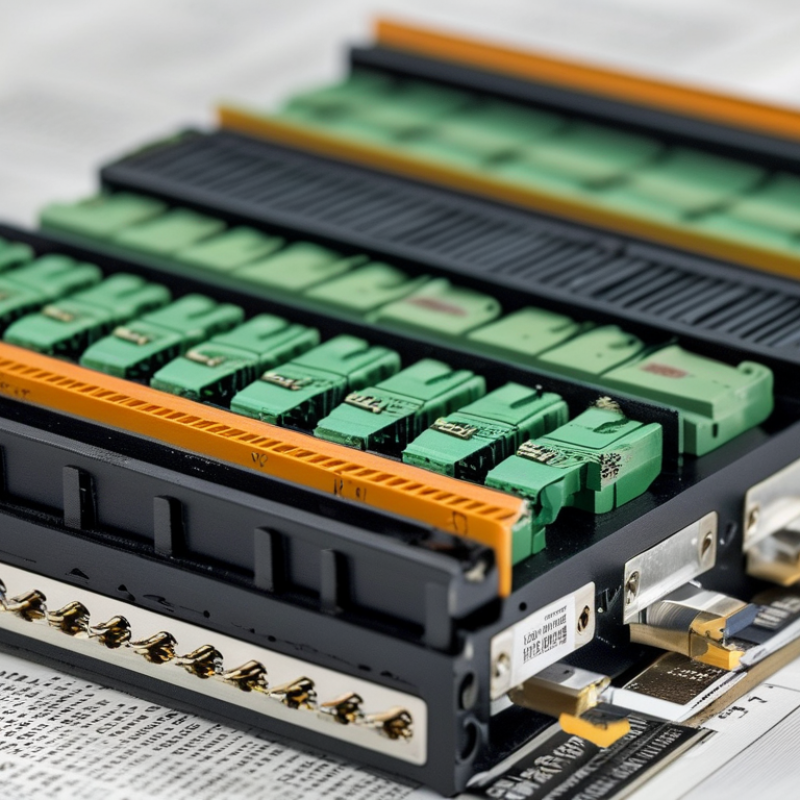
What SFP LC Modules Are and Why Global Buyers Use Them
SFP LC modules are compact optical transceivers used in switches, routers, servers, and storage networks. They convert electrical signals into light and transmit data through fiber cables. The LC connector is small, secure, and easy to install in crowded equipment racks. It is practical.
Global buyers use these modules because they support different distances, fiber types, and network speeds. A single-mode module may connect sites across several kilometers, while a multimode version suits shorter links inside buildings. Buyers should verify wavelength, transmission distance, data rate, operating temperature, and equipment compatibility. Digital optical monitoring can also report temperature, voltage, and signal strength during operation.
In real installations, careful testing matters more than a low purchase price. I have seen a module pass a basic link test but fail after temperature changes. That experience makes supplier documentation and sample testing essential. Buyers should request clear compatibility data, quality records, and warranty terms before placing large orders. Standards compliance improves reliability, but it does not remove every risk. A perfect match on paper can still perform poorly when fiber cleanliness, polarity, or power budgets are overlooked. These small details often decide whether an SFP LC link remains stable for years.
Key Specifications for Evaluating SFP LC Module Suppliers
China Top 10 SFP LC Module Suppliers for Global Buyers
Key Specifications for Evaluating SFP LC Module Suppliers
A reliable Sfp Transceiver Module Sfp begins with a clear application match. Check data rate, wavelength, fiber type, transmission distance, and operating temperature. For example, a 1310 nm single-mode module may support 10 km, but actual reach depends on link loss and connector quality. IEC 61754-20 defines the LC connector interface. IEEE 802.3 defines Ethernet transmission requirements. These standards should appear in the supplier’s technical documentation.
Cisco’s Annual Internet Report projected 29.3 billion networked devices by 2023. That growth increases pressure on dense, stable optical links. Supplier evaluation should therefore include interoperability testing, digital monitoring, and batch-level traceability. Ask for measured insertion loss, return loss, extinction ratio, receiver sensitivity, and bit-error-rate results. DOM support is useful for checking temperature, voltage, and optical power during operation. A professional supplier should also provide test procedures, calibration records, and controlled firmware information.
Do not trust a polished datasheet alone. Practical audits often reveal missing temperature data or vague distance claims. Request samples from different production batches. Test them with your own switches, patch panels, and fiber routes. Pay attention to LC latch strength and cleaning discipline; small contamination can create major instability. Supplier lead time, packaging, warranty terms, and failure analysis capability also matter. Some specifications look excellent on paper, yet field performance can vary. That gap deserves careful questioning.
China’s Role in the Global SFP LC Module Manufacturing Market
China has become a major manufacturing base for SFP LC modules used in data centers, telecom networks, and industrial systems. Its advantage comes from a dense supply chain covering optical chips, laser assemblies, LC connectors, housings, and testing equipment. This structure helps qualified suppliers support 1G, 10G, and 25G applications with flexible production volumes.
In practice, reliable manufacturing depends on more than competitive pricing. Experienced suppliers test optical power, insertion loss, return loss, temperature stability, and digital monitoring functions. They also check compatibility with different network devices before shipment. I have found that careful suppliers keep production records for each batch. That detail makes troubleshooting faster when a module performs poorly in the field. Custom wavelengths and extended-temperature versions are also available for demanding environments.
The market is not flawless. Some datasheets appear complete, yet test conditions remain unclear. Buyers should request sample reports, aging results, coding details, and warranty procedures. Factory audits can reveal whether testing is performed consistently or only demonstrated during inspections. China’s manufacturing capacity is strong, but quality still varies between suppliers. A careful comparison of materials, calibration methods, technical support, and delivery history is necessary. Low cost alone can hide compatibility problems. That lesson deserves more attention.
Top 10 China-Based SFP LC Module Suppliers for International Buyers
International buyers often need more than a low unit price when sourcing an Sfp Module from China. The strongest ten suppliers are usually distinguished by application coverage, testing discipline, and export readiness. Their portfolios may include 1G, 10G, single-mode, multimode, and industrial-temperature LC modules. Ask for optical budgets, connector polish details, coding options, and measured DOM data before approval. Details matter.
Reliable factories should provide batch traceability, incoming-component checks, burn-in records, and calibrated test reports. A practical audit can examine laser alignment, LC latch strength, EEPROM programming, and packaging protection. Request samples from different production lots, not only hand-picked units. This reveals consistency. For international deployment, confirm customs documents, lead times, warranty handling, and technical support hours. Clear English documentation reduces delays between engineering and purchasing teams.
The top ten China-based options should also explain compatibility limits instead of promising universal operation. Network switches may reject incorrect vendor coding, unstable firmware data, or poorly matched optical specifications. Buyers should compare return rates, field feedback, and corrective-action records alongside price. One weakness remains common: some suppliers share polished samples but limited long-term evidence. A cautious trial order, written acceptance criteria, and independent verification can reduce that risk. Leave room for review.
China Top 10 SFP LC Module Suppliers for Global Buyers
Technical reference: common LC-interface optical module profiles available from China-based suppliers
The chart compares standardized Ethernet optical profiles commonly used with LC connectors. Maximum reach depends on fiber type, link budget, transceiver class, and deployment conditions. These figures are technical benchmarks rather than rankings or company-specific claims.
How to Compare Supplier Quality, Compatibility, and Certifications
When comparing China’s top ten SFP LC module suppliers, start with evidence, not polished product photos. Ask for test reports showing wavelength, transmission distance, power consumption, and operating temperature. A reliable supplier should explain its testing process clearly. Request samples from the same production batch. Check the label, connector polish, housing fit, and optical readings with your own equipment. Small details matter.
Compatibility requires more than matching an LC connector. Confirm the module’s data rate, fiber type, reach, wavelength, temperature range, and equipment coding. Your network switch may reject an otherwise functional Module Sfp because of firmware restrictions or unsupported identification data. Ask for a compatibility list and written confirmation before placing a large order. Test hot-plugging, link stability, and performance over several hours. Test it twice.
Certifications need careful checking. Request current documents for ISO 9001, RoHS, CE, FCC, or other standards required in your destination market. Verify that each certificate matches the supplier’s legal entity, factory, and product category. A certificate alone does not prove consistent quality. Review inspection records, traceability labels, warranty terms, and failure-analysis procedures. I have seen excellent samples followed by uneven bulk shipments. That risk deserves direct questions about process control, aging tests, and replacement handling. A spreadsheet can still mislead. Keep independent test results with every purchase record.
Ordering, Testing, and Importing SFP LC Modules from China
Ordering SFP LC modules from China starts with a precise technical sheet, not a catalog screenshot. State wavelength, fiber type, reach, data rate, temperature range, and connector polish. Confirm compatibility with your switch, firmware, and optical budget. An Sc Sfp Module may fit another cabinet, but verify its interface before treating it as an LC substitute. Ask for a sample before placing a larger order. Small details matter.
Request serial-number records, coding details, and a batch test report. A reliable supplier should measure transmit power, receiver sensitivity, wavelength, and digital diagnostics. Test samples in your own switch and fiber link. Use a power meter and optical loss tester. Inspect the LC end face under magnification. Test at temperature limits when the network is sensitive. Cheap testing can become expensive downtime. I would also repeat tests after transport, because vibration and dust can expose weak packaging. No test is perfect.
Before payment, align the proforma invoice with the packing list and commercial invoice. Confirm carton labels, origin data, warranty terms, lead time, and replacement procedures. Agree on shipping terms and appoint a qualified customs broker in your destination country. Keep product descriptions accurate across every document. Request protective caps, moisture protection, and suitable shock indicators. A pre-shipment inspection may catch incorrect reach or connector types. I have found that rushed approvals create avoidable errors. Leave time for rechecking.
FAQS
: China has a dense supply chain for optical chips, laser assemblies, LC connectors, housings, and testing equipment. This supports flexible production for 1G, 10G, and 25G applications. Scale helps. However, manufacturing quality still varies between suppliers.
These modules support data centers, telecom networks, and industrial systems. Options may include single-mode, multimode, and industrial-temperature versions. The correct choice depends on distance, temperature, and network equipment compatibility.
Ask for optical power, insertion loss, return loss, and temperature stability results. Digital monitoring functions should also be tested when required. Request measured reports, not only standard datasheets.
Request sample reports, aging results, coding details, and warranty procedures. A factory audit can review incoming-component checks and calibrated equipment. Inspect laser alignment, LC latch strength, EEPROM programming, and packaging protection.
Production records connect each module to its manufacturing batch. They help engineers investigate poor field performance more quickly. Ask for records from different lots, not just selected samples. One sample can mislead.
Confirm optical budgets, connector polish details, coding options, firmware data, and DOM measurements. Network equipment may reject incorrect coding or poorly matched specifications. Suppliers should explain compatibility limits clearly.
Compare materials, calibration methods, technical support, delivery history, return rates, and field feedback. Price matters, but it should not control the entire decision. A low-cost module may create compatibility problems later.
Begin with a cautious trial order and written acceptance criteria. Use independent verification when the application is important. Confirm lead times, customs documents, warranty handling, and support hours. Long-term evidence is sometimes limited.
Conclusion
This guide introduces the Sfp Lc Module and explains why global network buyers use it for reliable fiber connectivity, efficient data transmission, and flexible equipment upgrades. It outlines the main specifications to evaluate, including transmission speed, operating distance, wavelength, connector design, fiber type, temperature range, power consumption, and equipment compatibility. The article also examines China’s important role in the global SFP LC module manufacturing market, highlighting its broad production capacity, engineering resources, customization options, and export experience.
Readers will find a structured overview of ten China-based supplier types suitable for international sourcing, without focusing on specific brands. It also explains how to compare product quality, testing procedures, certifications, warranty policies, and technical support. Finally, the guide provides practical considerations for requesting samples, confirming compatibility, conducting acceptance tests, preparing documentation, arranging secure shipping, and managing import requirements when ordering Sfp Lc Module products from China.



 Get Your Quote
 Email