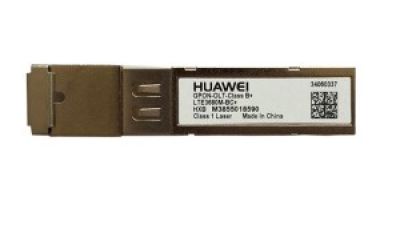
Picking the right SFP LC module really matters when you're trying to get your network running smoothly. These tiny, plug-and-play modules offer a lot of flexibility and room to grow. But here’s the thing—not all SFP LC modules are the same. Some might not fit your specific network needs, which can cause headaches down the line. That's why, before making a decision, you’ve gotta look closely at the specs — it’s key to avoiding any future issues.
When you're choosing an SFP LC module, it's a good idea to double-check if it plays nicely with your existing hardware. Compatibility makes all the difference, helping everything run smoothly and efficiently. Also, don’t forget to consider how far the signal needs to go and the speed you’re aiming for — all of that matters. Honestly, a lot of folks tend to focus just on the price and skip over the quality part, but cutting corners here can really backfire — unreliable connections are a pain.
And here’s my tip: talk to some experts or trusted vendors. They don’t just sell you products—they can actually help you understand the differences between options. This way, you save time and maybe even some money in the long run. For example, that Sfp Rj45 Sfp Module might be just what your setup needs. Every choice you make affects how well your network performs, so keep these factors in mind, and you’ll be on the right track to making the best decision.
Understanding SFP LC Modules and Their Applications
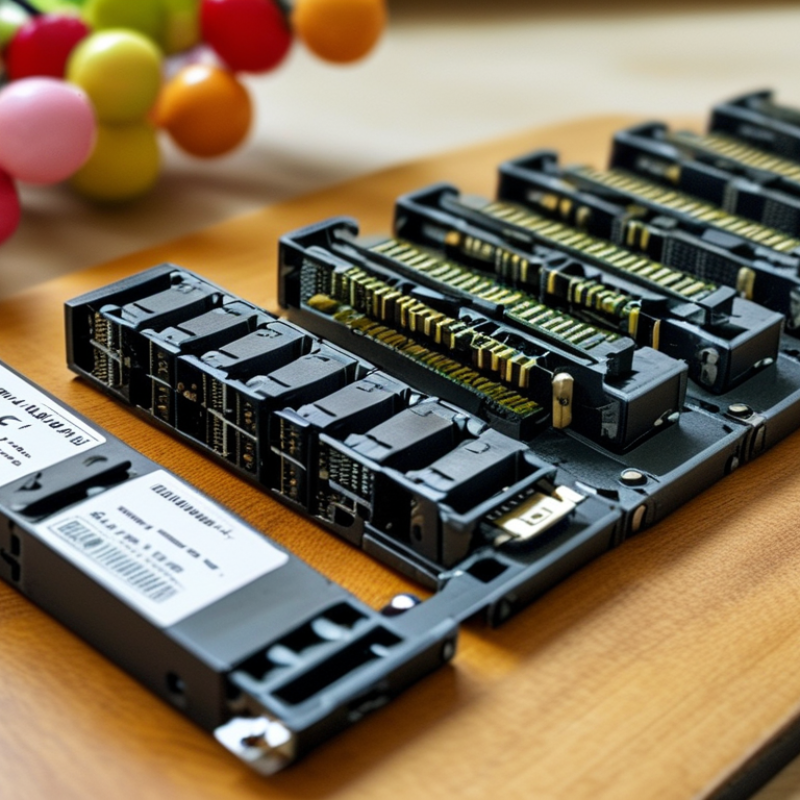
Understanding SFP LC modules is crucial for modern network infrastructures. These modules play a key role in data centers and telecom systems. They help facilitate high-speed data transmission. According to a recent industry report, by 2025, the global SFP module market is expected to exceed USD 5 billion. This growth reflects the increasing demand for reliable networking solutions.
SFP LC modules are versatile. They support various applications, including Ethernet, Fibre Channel, and SONET. The compatibility of these modules with different fiber cables is vital. Depending on the type of connection, the choice of multimode or single-mode fibers can significantly affect performance. Reports indicate that networks using Sfp Transceiver Module Sfp components see a reduction in latency and increased bandwidth utilization.
When selecting SFP LC modules, understanding your specific needs is essential. Factors to consider include distance, data rate, and environmental conditions. Many users may overlook the importance of these details. A mismatch could lead to network inefficiency. The need for reflective decision-making is apparent in choosing the right components. Hence, evaluating your requirements thoroughly is critical to ensure optimal performance.
Key Specifications to Consider When Choosing SFP LC Modules
When selecting SFP LC modules, understanding key specifications is crucial. One primary aspect to consider is the data transfer rate. Most Sfp Modules support rates from 100 Mbps to 100 Gbps. High-speed options are essential for data centers requiring rapid transfers. According to a recent report, 80% of enterprises now prioritize bandwidth when choosing SFP modules.
Another significant specification is the distance range. Standard SFP LC modules can transmit data up to 500 meters over multimode fibers. However, single-mode options can reach distances of up to 80 kilometers. This varied range allows adaptability in different network setups. A survey indicated that nearly 65% of businesses experienced challenges in ensuring optimal distances across their networks.
Additionally, compatibility should never be overlooked. It's vital that selected SFP modules work seamlessly with existing network equipment. Outdated or incompatible modules can lead to performance bottlenecks. Assessing the optical budget is also necessary. This highlights how much signal loss can occur in fiber optic cables. Advanced modules with better optical budgets often provide more reliable connections. Investing in the right SFP module is essential for maintaining efficient network operations.
Different Types of SFP LC Modules and Their Features
When selecting SFP LC modules, understanding their various types is crucial. Common types include multi-mode and single-mode modules. Multi-mode modules are suitable for short distances, typically up to 300 meters. They use a larger core to transmit multiple light modes, which can lead to higher bandwidth over shorter distances.
Single-mode modules, in contrast, are designed for long-range applications. They can transmit data over 10 kilometers or more. Utilizing a smaller core, they transmit a single light mode. This results in less dispersion, allowing for faster and more reliable data transfer. Industry reports suggest that the demand for single-mode SFP LC modules is rising, with growth projected at 8% annually.
Additionally, consider the data rates offered. Common rates for SFP LC modules are 1G, 10G, and 25G. Each rate supports different applications and bandwidth requirements. A Module Sfp with a 10G speed offers a good balance for many organizations. However, it's essential to match the module's specifications with the requirements of your existing infrastructure. Balancing cost and performance is a critical reflection point in the selection process.
Assessing Compatibility with Your Networking Equipment
When choosing SFP LC modules, assessing compatibility with your networking equipment is crucial. Different devices have unique specifications. Always check the data sheets for your hardware. This will ensure a proper fit.
Consider your network's speed requirements. SFP LC modules come in various speeds, typically from 1 Gbps to 10 Gbps. Devices must support the same speeds. Mismatches can lead to performance issues. Sometimes, a module may fit physically but not operate correctly. It’s important to confirm compatibility thoroughly.
Pay attention to the distance specifications. Some modules are designed for short-range; others can cover long distances. Knowing your network’s layout is essential here. Testing can also reveal unexpected compatibility issues. Evaluating all aspects can seem tedious, but it saves time and resources.
Importance of Data Rate and Distance in Module Selection
When selecting SFP LC modules, two critical factors must take center stage: data rate and distance. These elements significantly impact network performance and reliability. Understanding the required data rate ensures that the module can handle the necessary bandwidth. For example, if your network demands 10 Gbps, an appropriate module must be chosen to match this speed.
Distance plays an equally important role. It’s essential to assess your network’s reach. Modules are designed for various ranges, from short to long distances. An incorrect selection may result in latency or data loss. For instance, using a module meant for short distances in a long-range setup can degrade performance significantly.
Here are some tips for choosing the right SFP LC module: Always check compatibility with your switches. This can save time and avoid integration issues. Also, consider future scalability. If you anticipate growth, selecting a module with higher specifications is wise. Lastly, assess your environment. High temperatures or interference might require specialized modules for optimal function.
Data Rate and Distance Impact on SFP LC Module Selection
Evaluating Cost vs. Performance for SFP LC Modules
When selecting SFP LC modules, cost versus performance often determines the right choice. Industry reports suggest that around 70% of network failures can be traced back to misalignment in this balance. A low-cost module may save money upfront but could lead to performance bottlenecks later. In contrast, high-performance modules might provide the reliability you need, yet at a premium price. Consider your specific requirements carefully.
Evaluate your network's traffic patterns. If your environment involves heavy data loads, investment in higher-end modules may be justified. Conversely, for lighter loads, more budget-friendly options may suffice. Be mindful that the cheapest option isn't always the best. Performance and longevity should take precedence.
Tip: Always compare specifications before purchasing. Look for compatibility with your existing hardware. Also, look for reviews and industry benchmarks. This data can guide your decision. Failure to conduct thorough research may result in wasted resources and decreased productivity. Stay updated on market trends, as they influence both performance and pricing dynamics in the module landscape.
Best Practices for Installation and Maintenance of SFP LC Modules
When installing SFP LC modules, ensure proper alignment. Misalignment can lead to signal loss. Use an optical power meter to check connection integrity. This tool helps confirm that your installation is performing optimally. Regularly inspect fibers for dirt or damage. A simple visual check can prevent bigger issues later.
Maintenance is key for reliability. Keep modules in a dry, dust-free environment. Store them properly when not in use. Regular cleaning of connectors is crucial. Dust and dirt can cause performance issues. Use high-quality cleaning tools designed for fiber optics.
Monitor the performance of your network regularly. Look for fluctuations that could indicate faults. Adjustments may be needed based on usage patterns. Don't overlook the importance of firmware updates for connected devices. This helps maintain compatibility and functionality over time.
Consider these aspects carefully. They can save you from costly downtime.
The Essential Guide to OLT SFP GPON B+ Optical Modules for Enhanced FTTH Fiber Optic Networks
In the realm of Fiber to the Home (FTTH) solutions, the OLT SFP GPON B+ Optical Module stands out as a pivotal component for enhancing broadband access networks. These high-performance transceivers are specifically engineered to facilitate efficient optical transmission, providing telecom operators and Internet Service Providers (ISPs) with the necessary infrastructure to meet the demands of modern internet connectivity. With increasing consumer expectations for high-speed internet, the reliability and efficiency of optical modules have become paramount.
The OLT SFP GPON B+ Optical Module offers significant benefits, including stable high-speed data transmission that is crucial for seamless communication within enterprise optical access systems. This module's design ensures that it can handle the heavy data loads typically required in urban settings while maintaining an uninterrupted connection. Additionally, its robust performance under diverse operational conditions makes it ideal for both residential and commercial implementations, maximizing the user experience for end customers looking for reliable and fast internet services. The integration of such advanced optical modules into FTTH networks not only enhances overall capacity but also supports the growing demand for bandwidth, enabling service providers to scale their offerings efficiently.
FAQS
: SFP LC modules typically support rates ranging from 100 Mbps to 100 Gbps, depending on needs.
Standard SFP LC modules can transmit data up to 500 meters over multimode fibers and 80 kilometers for single-mode.
Compatibility ensures that SFP modules work with existing equipment, preventing performance bottlenecks and operational issues.
Always review data sheets for your devices and ensure speed and distance specifications match with SFP modules.
Proper installation prevents misalignment, which can lead to signal loss and overall network performance degradation.
Store modules in a dry, dust-free place and regularly clean connectors to avoid performance issues caused by dirt.
An optical power meter can help check connection integrity during installation for optimal performance.
Regular monitoring is essential. Look for fluctuations indicating potential faults requiring immediate attention and adjustments.
Firmware updates help maintain compatibility and functionality with connected devices over time, preventing unexpected issues.
Some may overlook the optical budget, which indicates potential signal loss in fibers, impacting reliability.
Conclusion
Choosing the right SFP LC module is crucial for optimizing your networking needs. Understanding the fundamentals of SFP LC modules, including their various applications, can help you make informed decisions. Key specifications such as data rate, distance, and compatibility with existing networking equipment must be evaluated. Different types of SFP LC modules offer unique features that cater to specific requirements.
Additionally, it is essential to weigh the cost against performance to ensure you get the best value for your investment. Implementing best practices for installation and maintenance will prolong the lifespan of the SFP LC modules and enhance overall network performance. By considering these factors, you can effectively select the most suitable SFP LC module for your organization’s infrastructure.



 Get Your Quote
 Email