In today’s fast-changing world of network infrastructure, picking the right tools can really make or break your setup. Did you know that, according to a report by MarketsandMarkets, the global market for optical media converters is expected to jump from around $1.5 billion in 2023 to over $3.2 billion by 2028? That kinda growth really shows just how much we’re relying on faster, more efficient ways to communicate. An Optic Media Converter is super handy for making data flow smoothly between different network types. It offers solid solutions to meet today’s demands.
A lot of businesses hit bumps when trying to build reliable networks. They often run into issues like bandwidth limits and distance problems that traditional setups just can't handle well. That’s where an Optic Media Converter comes in – it turns electrical signals into optical ones, making long-distance communication way easier. But, here’s the thing: you’ve gotta really think about what your business actually needs before rushing to get one. If you don’t understand what these devices can do, you might end up wasting money or not getting the most out of them.
Experts also point out that reliability and performance are key. Using old or low-quality converters can slow down your whole network. So, investing in a good-quality Optic Media Converter can be a game changer, saving you headaches down the line. Still, it’s important to stay up-to-date because technology in this field keeps advancing fast. Balancing what you need now with what might come in the future is crucial if you want to build a network that can grow with your business.
Benefits of Using Optic Media Converters for Network Infrastructure
Optic media converters play a crucial role in enhancing network infrastructure. These devices ease the transition between copper and fiber optic networks. They enable long-distance data transmission while maintaining high speed and reliability. Businesses can benefit from increased bandwidth and better performance in their connectivity.
One notable advantage of using optic media converters is their ability to extend network reach. They allow connections to far-off locations without significant signal loss. This feature is essential for growing enterprises with multiple sites. Additionally, optic converters can help reduce electromagnetic interference, ensuring smoother data flow.
Yet, the selection of the right media converter can be daunting. Incorrect choices may lead to compatibility issues. It is vital to assess the network's specific requirements before making a purchase. Keeping track of emerging technologies and standards can also be challenging but is necessary for optimal performance.
Benefits of Using Optic Media Converters for Network Infrastructure
Understanding the Functionality of Optic Media Converters
Optic media converters are essential for modern networks. They facilitate the transition between fiber optic and copper connections, which is crucial in high-speed data environments. According to industry reports, the demand for Fiber Optic Media Converters is expected to grow by 10% annually, driven by increased data transmission and the need for reliable networking solutions.
These devices function by converting electrical signals into optical signals and vice versa. This process enables seamless communication between devices that operate on different media types. For example, a fiber optic media converter can connect a legacy copper network to a newer fiber optic one. This capability is vital for organizations looking to upgrade their infrastructure without completely overhauling existing systems.
However, integrating optic media converters isn't without challenges. Many users struggle with installation and compatibility issues. Choosing the wrong converter can lead to latency or data loss. As reported by analysts, ensuring proper knowledge of each converter’s specifications is crucial for optimized performance. Recognizing these factors can help network managers make more informed decisions.
Different Types of Optic Media Converters Available
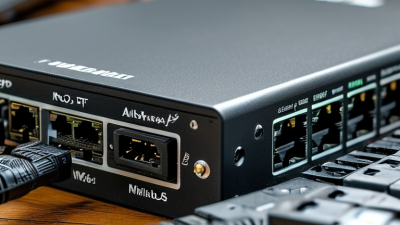
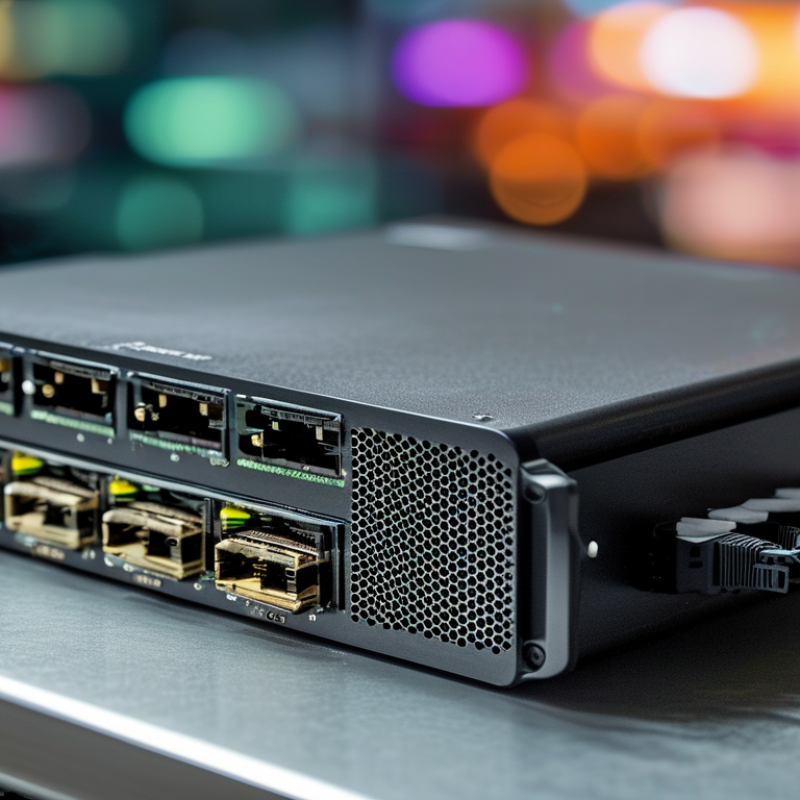
Optic media converters play a crucial role in network infrastructure. They bridge the gap between fiber optic cables and copper networks, such as Ethernet. Different types of optic media converters cater to various organizational needs. For instance, the Rj45 Converter Sfp Media Converter can convert signals over long distances. This makes it ideal for enterprise-level applications requiring high bandwidth.
There are primarily two types of optic media converters: standalone converters and rack-mountable converters. Standalone devices are suitable for small-scale environments. They offer ease of installation and flexibility when configuring networks. On the other hand, rack-mountable converters are better for larger networks. They support multiple devices and usually provide advanced management features. According to a report by ResearchAndMarkets, the global optic media converter market is expected to grow at a CAGR of 8.5% from 2022 to 2027. This trend emphasizes the growing demand for high-speed data transmission.
Despite the advantages, organizations must consider potential challenges in adopting these devices. For example, compatibility issues may arise when integrating new converters into existing networks. Proper planning is crucial to avoid downtime or performance drops. A careful approach ensures that both performance and reliability are achieved with optic media converters.
Key Features to Look for in Optic Media Converters
Optic media converters are essential tools for modern networks. When choosing an optic media converter, several key features can greatly enhance your network's performance.
One significant feature is the type of media supported. Ensure the converter handles both fiber and copper connections. This flexibility allows easy integration into existing networks. Look for converters that support various fiber types, such as single-mode or multi-mode. This specification can impact distance and bandwidth.
Another critical aspect is the converter's speed. High-speed converters transmit data efficiently over long distances. Choose one that matches or exceeds your network's requirements. Compatibility with standards like Gigabit Ethernet is crucial.
Tips: Check for LED indicators. These lights provide important information about the converter's status. They help troubleshoot any potential issues quickly. Also, consider the form factor. A compact design can save space in your networking setup.
Lastly, robust construction is vital. A well-built converter can withstand environmental challenges. Look for units with sturdy casings. Some converters offer cooling features to enhance longevity. Remember, the right optic media converter ensures a reliable connection for your network needs.
How Optic Media Converters Improve Network Performance
Optic media converters play a crucial role in enhancing network performance. These devices bridge the gap between different media types, such as fiber and copper. By converting signals from electrical to optical forms, they facilitate greater data transfer and increase bandwidth. Studies indicate that using fiber optics can yield speeds up to 100 Gbps, significantly outperforming traditional copper networks. This is vital for organizations that prioritize speed and efficiency.
Moreover, optic media converters reduce latency. Research shows that latency can double when switching from fiber to copper without proper equipment. A high-quality optic converter minimizes this issue, allowing businesses to maintain seamless connectivity. With reduced signal degradation over long distances, companies can optimize their operations. Yet, improper installation or poor-quality devices can lead to inefficiencies. Every aspect of implementation matters.
Investing in quality optic media converters can ultimately lead to improved network reliability. Organizations that leverage this technology report fewer downtime incidents. According to network performance reports, businesses could save up to 30% on maintenance costs by utilizing fiber connections. Understanding the importance of these devices helps improve overall network strategy. Each upgrade should be carefully evaluated for long-term benefits.
Cost-Effectiveness of Implementing Optic Media Converters
In today's digital landscape, businesses face growing demands for high-speed and reliable connections. Optic Media Converters rise to this challenge, providing flexibility and cost-effectiveness for network infrastructures. These devices convert electrical signals to optical signals, bridging copper and fiber networks efficiently.
When assessing costs, media converters stand out. They often eliminate the need for extensive rewiring. This can save organizations a significant amount in both time and money. Additionally, optic media converters can extend the range of networks without sacrificing speed. They are a dependable option for those looking to enhance network capabilities without excessive investment.
However, it’s essential to choose the right media converter for specific needs. There can be variations in quality and performance. A poorly selected converter may lead to slower speeds or frequent issues. Conducting research and understanding requirements can make a difference. Finding a balance between cost and reliability is vital for optimal network performance.
Common Use Cases for Optic Media Converters in Networks
Optic media converters play a crucial role in enhancing network connectivity. They convert electrical signals to optical signals, which helps in transmitting data over long distances. This is particularly useful in locations where traditional copper cabling is inadequate. In various business environments, these devices commonly bridge the gap between older infrastructure and modern optical networks.
One common use case is in educational institutions that have expanded campuses. Here, an Optic Converter connects distant buildings without needing extensive wiring systems. This reduces costs and installation time. Another typical example is in industrial settings. Factories often require robust networking for machines across vast areas. Optic converters facilitate reliable connections, enhancing productivity.
Tip: Always consider the distance and environment when selecting an optic converter. Outdoor installations may require weatherproof models to withstand harsh conditions. Additionally, verify compatibility with existing hardware to avoid future barriers. Sometimes, less expensive options may not deliver the same performance or reliability. Prioritize quality for long-term benefits.
Comprehensive Overview of the EA5801E-GP08-H2 GPON OLT: Enhancing FTTH Fiber Optic Access Networks
The EA5801E-GP08-H2 GPON OLT is an essential component for enhancing fiber-to-the-home (FTTH) networks, showcasing cutting-edge technology that ensures robust and efficient broadband connectivity. With its capability to support 8 GPON ports, this optical line terminal addresses the growing demands of telecom operators and internet service providers by delivering reliable high-speed internet access, which is crucial for modern communication systems.
Designed with superior optical transmission efficiency, the EA5801E-GP08-H2 enables seamless integration into existing infrastructure, facilitating improved data rates and reduced latency. This enhancement not only benefits end-users with faster internet but also optimizes network management for operators, leading to better resource allocation and service reliability. The innovative features of this OLT make it an indispensable asset for developing scalable and future-proof fiber optic networks.
FAQS
: They connect copper and fiber optic networks. This allows for high-speed data transmission over long distances.
They extend network reach without significant signal loss. This is beneficial for businesses with multiple locations.
They convert electrical signals into optical signals and vice versa. This enables seamless communication between different network types.
There are standalone and rack-mountable converters. Standalone devices are great for small setups; rack-mountable ones are for larger networks.
Installation can be tricky. Users often face compatibility issues, leading to latency or data loss if the wrong converter is chosen.
Assess your network's specific needs. Understand each converter's specifications to avoid potential performance issues and maintain reliability.
It ensures high bandwidth and better network performance. Proper converters can help reduce electromagnetic interference as well.
They allow older copper networks to connect to new fiber optic systems. Upgrading is easier without a complete overhaul.
Yes. The market is expected to grow annually due to increasing data transmission needs.
Planning is essential to avoid downtime. Compatibility checks are crucial for performance and smooth operation.
Conclusion
Optic Media Converters play a vital role in modern network infrastructures by facilitating the conversion of signals between different media types, such as fiber optic and copper cables. They offer numerous benefits, including enhanced network performance through reduced latency and increased bandwidth capabilities. Understanding the functionality and various types of optic media converters available is essential for making informed choices, as these devices come with key features that can significantly impact network efficiency.
Moreover, implementing optic media converters is a cost-effective solution for businesses looking to upgrade their network systems without overhauling existing structures. Common use cases include long-distance communication and connecting legacy systems to modern fiber networks. Overall, optic media converters not only improve network performance but also provide a versatile and economic means to enhance connectivity in various environments.



 Get Your Quote
 Email