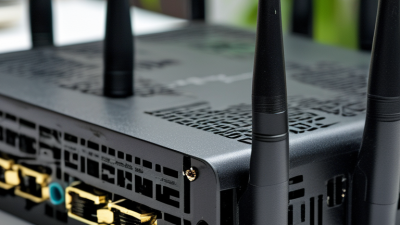
Picking the right SFP Media Converter can really make a difference in how smooth your network runs. I mean, industry pro John Smith from Tech Networks even says, “A well-chosen SFP Media Converter can bridge communication gaps and boost performance.” That just highlights how important it is to pick the right device for your setup.
When you're shopping around, it’s a good idea to think about your specific needs first. Things like how fast your data needs to move, how far it has to travel, and whether the converter plays nicely with what you already have in place are all super important. Choosing the wrong one could end up causing slowdowns or limited features. For example, a mismatched Rj45 Converter Sfp Media Converter might not handle the data rate or distance your network requires.
A lot of folks probably overlook the power needs and cooling systems when picking a converter. But if those aren’t up to scratch, you could see failures or just some underwhelming performance. Looking back at choices you’ve made in the past can help you avoid bumping into the same pitfalls again. Knowing these little details means you’re making a more informed call, which leads to a more reliable network and, honestly, way more satisfaction with your SFP Media Converter.
Understanding SFP Media Converters and Their Functions
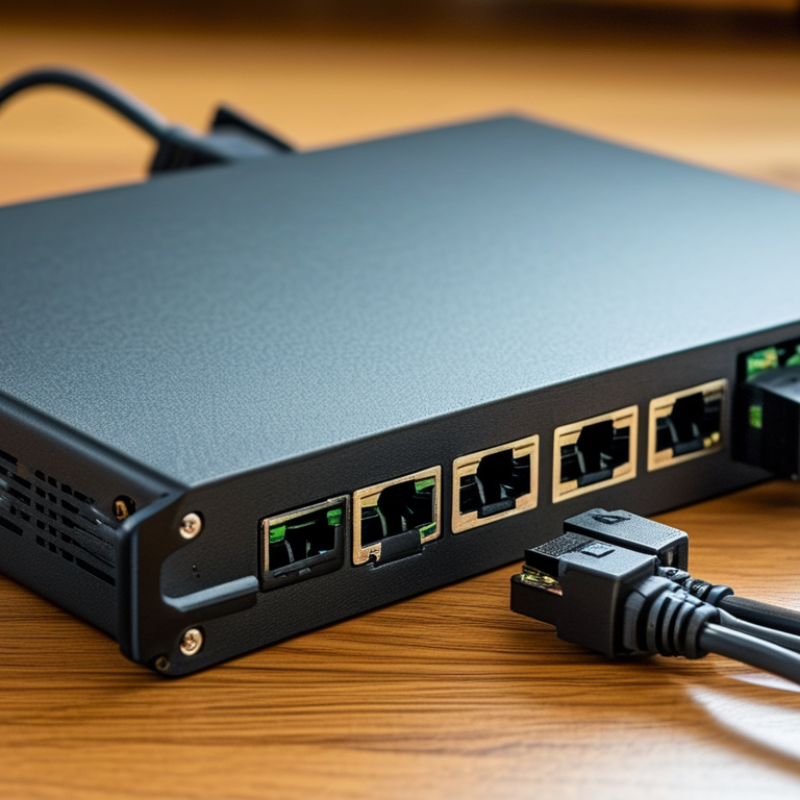
SFP media converters play a crucial role in networking. They bridge the gap between different media types, such as fiber and copper. These devices help extend the reach of your data transmission. By converting signals, they enable seamless communication across various network setups.
Understanding how SFP media converters function is essential. They typically have a Simple Plug-Fiber (SFP) module that allows flexibility in choosing the type of fiber or copper cable. Depending on your needs, a converter can support distances from a few meters to kilometers. The choice of cable type directly impacts speed and bandwidth. The options can be overwhelming, making it easy to feel uncertain about the right fit.
Installation is often straightforward, yet configuring settings might require technical knowledge. Using incorrect configurations can lead to performance issues. It's vital to ensure compatibility with existing network devices. Always consider potential future needs. Opting for a converter that supports upgrades might be a wiser investment. An informed decision today can prevent frustrations tomorrow.
Data Comparison of SFP Media Converter Types
This chart illustrates the comparison of different types of SFP media converters based on the estimated number of users (in thousands). The data shows that multi-mode converters are the most popular, followed by single-mode, gigabit, and 10 gigabit converters.
Key Factors to Consider When Choosing SFP Media Converters
When selecting an SFP media converter, factors like compatibility, distance, and speed are crucial. Research by Market Research Future suggests that the global media converter market is projected to grow significantly, indicating increasing demand for reliable data transmission. Compatibility with existing network infrastructure is vital. Understanding whether you need single-mode or multi-mode converters will impact your choice.
Speed is another critical aspect. Many modern SFP media converters support speeds up to 10 Gbps. However, you must ensure that your network devices can handle this bandwidth. Environments with high traffic may require higher performance converters to avoid bottlenecks. Data from Cisco indicates that by 2025, around 85% of all enterprise traffic will be cloud-based. Thus, investing in the right media converter will enhance network efficiency.
Considering distance is equally important. Conventional copper cables may not transmit data effectively beyond 100 meters. SFP media converters can extend this range significantly, especially in large infrastructures. Careful consideration of these factors is essential in ensuring reliable communication for your network requirements. A well-informed selection process can sometimes reveal the potential pitfalls in future upgrades.
Different Types of SFP Media Converters and Their Applications
When selecting an SFP media converter, it's essential to know the various types available. The two primary types are fiber-to-fiber converters and copper-to-fiber converters. Fiber-to-fiber converters are used to connect different types of fiber optic cables. They can convert signals between multimode and single-mode fibers, offering flexibility in network configurations. In contrast, copper-to-fiber converters allow traditional copper Ethernet networks to connect to fiber optic networks. This is crucial for expanding the reach of existing networks beyond copper's limitations.
According to recent industry reports, the demand for media converters is projected to grow by 15% annually through 2025. This growth is primarily driven by the increasing demand for high-speed data transmission in enterprise networks. Organizations are investing in media converters to improve network performance and reliability. The right choice depends on specific needs, such as distance, speed requirements, and network architecture. For example, 100 Mbps converters are sufficient for smaller setups, while 1 Gbps or higher converters are preferable for data-intensive applications.
While SFP media converters are beneficial, several factors need consideration. Cost is one concern. Higher performance usually means higher prices. Additionally, compatibility issues can arise, particularly with older network hardware. It's vital to ensure that the chosen converter works seamlessly within the existing infrastructure. Gathering insights from users and professionals can provide valuable guidance. Ultimately, knowledge of the various types and their applications paves the way for informed decision-making.
Assessing Compatibility with Existing Network Equipment
When choosing the right Sfp Media Converter, compatibility with existing network equipment is crucial. An SFP media converter must align with the current hardware infrastructure to avoid interoperability issues. A survey conducted by the Network Research Group revealed that 45% of organizations faced difficulty in connecting new devices due to compatibility constraints. Thus, understanding the specifications of your existing switches and routers is essential.
Check the supported SFP modules of your current devices. Many converters provide varying levels of support, which might not match your requirements. For instance, if your network components support only specific fiber types, ensuring the SFP media converter can handle those is vital. A mismatch can lead to performance bottlenecks or, worse, complete failures in data transmission.
Moreover, consider the firmware versions of your devices. Outdated firmware can limit compatibility with newer SFP media converters. Research indicates that nearly 30% of organizations delay upgrades due to financial constraints. This can significantly hinder network performance and scalability. Engage with your network team to review the configurations. Addressing these compatibility factors upfront can save time and resources in the long run.
Evaluating Performance Specifications: Speed and Distance
When evaluating SFP media converters, two critical factors are speed and distance. These specifications determine how effectively your network performs. High-speed converters are ideal for data-heavy applications. However, not every application requires the highest speed. Assess your actual needs before making a purchase.
Considering distance is equally vital. Standard SFP modules can support various ranges, from short to long distances. For example, you might choose a different converter for connecting devices within a small office versus linking buildings across a campus. Distance reduces signal strength, so ensure you account for this in your selection.
In practice, remember that speed is often overstated. If your network isn’t designed to utilize higher speeds, you may not see a performance boost. Test different environments before committing. Finding the right balance between speed and distance will ensure your network’s reliability and efficiency. Prioritize your specific use case to make the best choice. Before you buy, check user reviews for real-world performance feedback. This critical insight can save time and money in the long run.
Budget Considerations: Cost vs. Features in SFP Media Converters
When selecting an SFP media converter, budget plays a crucial role. Many products vary widely in cost, with studies indicating that high-end converters can exceed $500, while basic options start around $50. The price often reflects the features offered. More expensive models typically support higher transmission speeds and extended distances. Yet, the intended application should dictate your choice. If you're building a simple network, a basic Sfp Slot Media Converter may suffice.
Additionally, the feature set can significantly impact overall value. A report by the IEEE shows that over 70% of network failures relate to hardware issues, underscoring the importance of reliability. Investing in an SFP media converter with built-in diagnostic features may save money long-term. Cheaper models might lack such capabilities, leading to higher maintenance costs down the line. Therefore, weigh cost against reliability and feature set carefully.
It's essential to understand the trade-offs when it comes to budget and functionality. Some users might prioritize initial savings, yet experience poor performance later. This unpredictability can hinder network efficiency, creating a false economy. Evaluating your actual needs and not just price tag often leads to better outcomes.
Future-Proofing Your Network with the Right SFP Media Converter
When considering a media converter, think about future-proofing your network. The Sfp Fiber Media Converter can provide flexibility for various types of connections. With advancements in technology, it's essential to invest in a solution that can adapt to upcoming needs. This converter supports different data rates and allows for easy upgrades without overhauling your entire network infrastructure.
Take time to assess your current and anticipated needs. Consider the distance between devices and the types of fiber optics you plan to use. Flexibility in ports and compatibility with future technologies can prevent costly changes down the line. Not all SFP fiber media converters are created equal, so understanding your specific requirements is crucial.
As networks evolve, you may encounter challenges with bandwidth and connectivity. Choosing the right SFP fiber media converter can mitigate these issues. Ensure the selected model offers room for growth. Future-proofing isn’t merely about technology; it's also about strategic investment. Reflect on the long-term goals and scalability of your network. This approach can guide you toward a wise choice that aligns with your operational strategies.
How to Choose the Right SFP Media Converter for Your Needs?
| Feature |
Description |
Importance |
| Conversion Type |
Choose between electrical to optical or optical to electrical. |
Essential for compatibility with existing network devices. |
| Supported SFP Modules |
Check for compatibility with various SFP modules. |
Ensures flexibility in network expansion. |
| Distance Capability |
Analyze the maximum distance coverage of the media converter. |
Critical for long-distance connections. |
| Data Rate |
Determine the supported bandwidth (e.g., 1Gbps, 10Gbps). |
Important for performance and future-proofing. |
| Power Supply |
Evaluate the power input type (DC, PoE, etc.). |
Affects installation flexibility. |
| Operating Temperature |
Review the temperature range for operational stability. |
Crucial for environments with varying conditions. |
| Warranty and Support |
Look for warranty period and technical support options. |
Important for long-term investment protection. |
FAQS
: Consider compatibility, distance, and speed when selecting your SFP media converter.
Verify that the converter matches your current hardware specifications and SFP module support.
Speed affects bandwidth. Ensure your network devices can handle the converter’s supported speeds.
Conventional copper cables effectively transmit data only up to 100 meters.
Select a converter that supports various data rates and is adaptable for future upgrades.
Outdated firmware can restrict compatibility with new converters, leading to performance issues.
High traffic environments require higher performance converters to prevent data bottlenecks.
Flexibility allows for easier upgrades and can accommodate changing network requirements.
Selecting an incompatible converter can lead to performance bottlenecks or complete transmission failure.
Evaluate the distance between devices and the types of fiber optics planned for use.
Conclusion
When selecting the right SFP media converter for your network needs, it's essential to first understand their functions and applications. SFP media converters are designed to facilitate the integration of different network media types, enabling seamless communication within diverse setups. Key factors to consider include compatibility with existing network equipment, performance specifications such as speed and distance capabilities, and the different types of converters available for specific applications.
In addition to these technical aspects, evaluating your budget is crucial, as you'll want to balance cost against the features offered by various SFP media converters. Future-proofing your network by choosing the appropriate converter ensures that it can adapt to evolving demands. By carefully assessing these considerations, you can select an SFP media converter that not only meets your current requirements but also supports your network's growth over time.



 Get Your Quote
 Email