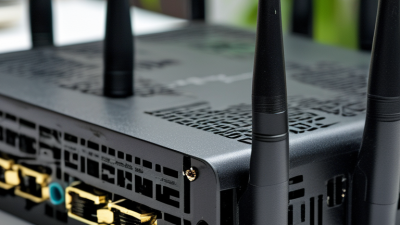
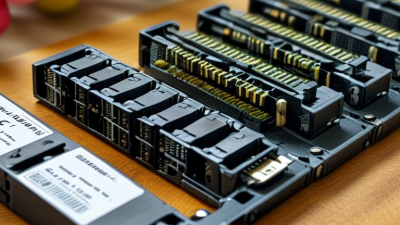
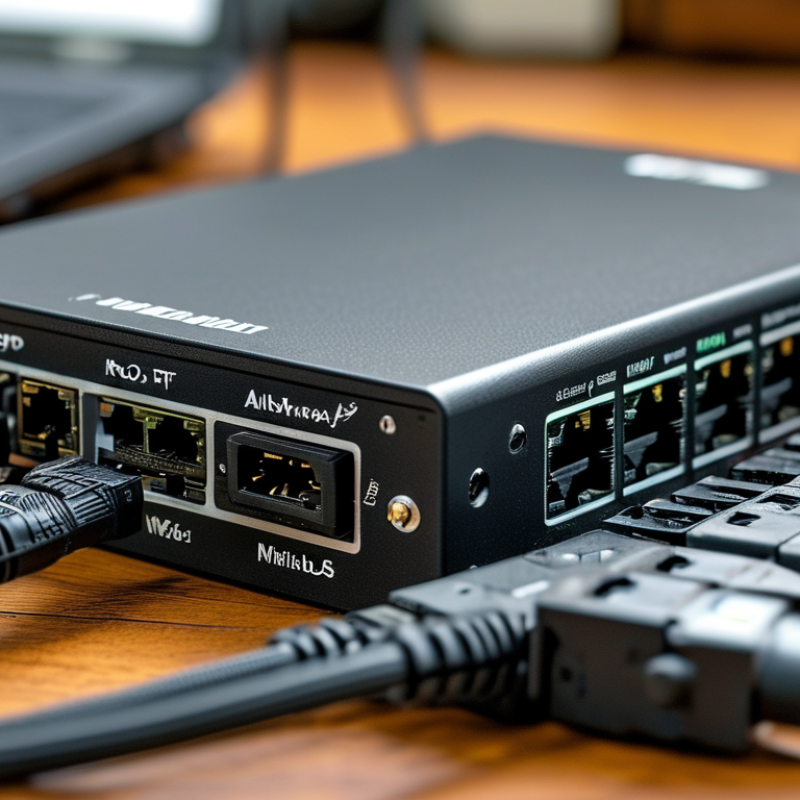
Picking the right media converter can really make a difference in how smoothly your network runs. For example, a device like the Rj45 Converter Sfp Media Converter acts as a bridge between different types of media, making sure your devices stay connected without a hitch. It’s pretty much the backbone for seamless communication.
Honestly, understanding what you need is super important here. Different converters are built for different purposes. Sure, you can find some high-quality options out there, but they come at different price points and levels of performance. Without a bit of research, you might end up with something that doesn’t quite fit your setup. Think about where you’ll be using it and which devices need to connect. That’ll help you narrow down your options.
Experience also plays a big role in making the right choice. Stick with trusted brands—they usually offer reliable solutions made for specific scenarios. It’s worth taking some time to read reviews from other users, too. Sometimes, problems pop up when your devices just don’t play nicely together. And don’t forget, it’s smart to choose a media converter that’s flexible enough to support future upgrades—no one wants to buy a new one every time things change.
Understanding Different Types of Media Converters and Their Applications
When selecting a media converter, understanding the different types available is crucial. Media converters are vital for networking and telecommunications. They enable seamless communication between devices that use different media types, such as fiber optics and copper cables. Common types include Ethernet to Fiber converters, Fiber to Coax converters, and HDMI to SDI converters. Each type serves specific applications and environments.
Tips: Consider your existing infrastructure. Compatibility is key when integrating new technology. Evaluate the data rates the converter can handle. If your needs may grow, choose converters with higher capacities.
Choosing the right converter involves assessing your specific requirements. Think about distance, transmission speed, and type of connection. Some converters are designed for short runs, while others excel over long distances. Reflect on the potential future needs of your network. Will it expand? Will the technology evolve?
Tips: Always review technical specifications. Understand what each feature means for your scenario. Investing time in research saves future headaches. A well-informed decision will enhance your setup's efficiency and reliability.
Media Converter Types and Their Applications
This chart illustrates the various types of media converters and their respective applications based on common usage scenarios.
Key Factors to Consider When Choosing a Media Converter
Choosing the right Media Converter can be a daunting task. Understanding your specific needs is crucial. Are you transferring audio, video, or both? Know the formats you plan to use. Different media converters support various file types. This knowledge can save you time and frustration.
One essential factor is compatibility. Ensure the media converter works smoothly with your devices. It should handle resolution and quality settings for your content. Research potential limits before making a decision. Some converters might not support higher resolutions. This could impact your work quality.
Consider ease of use. A straightforward interface can make the conversion process much simpler. Look for converters with clear instructions or customer support. Learning curves can be frustrating and might slow you down. Choose wisely to enhance your experience.
Tips: Compare several options before buying. Look for user reviews to gauge reliability. Test the converter with sample files if possible. This helps identify any quirks. Don't settle for the first choice; weigh your options carefully before committing.
Comparing the Performance Metrics of Popular Media Converter Brands
When selecting a media converter, performance metrics are crucial. Look for key features such as conversion speed and format support. An efficient converter should handle a variety of formats without compromising quality. Speed is essential, especially for large files. A slower converter can disrupt workflow and cause frustration.
Tips: Always read user reviews. They provide insights about real-world performance. Pay attention to case studies or comparative analyses that cite specific performance metrics. This can reveal strengths and weaknesses not shown in advertisements.
Furthermore, consider the user interface. A complex design can hinder quick conversions. A reliable tool should be user-friendly. Don’t overlook customer support as a metric. Poor support can make troubleshooting difficult. A responsive support team adds to the experience.
Remember, your specific needs matter. Reflect on the types of media you often work with. Maybe you need frequent updates for new formats. Assessing these factors will guide you to the best choice for your situation.
Evaluating Cost-Effectiveness of Media Converters in Your Workflow
When evaluating the cost-effectiveness of media converters in your workflow, several factors should be considered. Media converters bridge different formats, making them essential for various projects. The technology landscape is projected to grow at a CAGR of 9.5% from 2023 to 2030, highlighting the increasing demand for these tools. Understanding your specific needs is crucial.
An analysis from industry experts shows that investing in high-quality Converter Media can yield significant long-term savings. Lower-quality converters can lead to unexpected downtimes, costing your team productivity. A survey revealed that 70% of users experienced issues with inferior media converters, which negatively impacted their workflow. These statistics underline the importance of thorough research before making a purchase.
Tips: Always assess the compatibility of the Converter Media with your existing systems. Conduct pilot tests to see how well the converter integrates with your workflow. Document any challenges you encounter; reflecting on these issues will guide future decisions. Moreover, consult peer reviews for insight into others’ experiences. Making informed choices can lead to greater efficiency.
Assessing Compatibility with Existing Equipment and Formats
When choosing a media converter, compatibility is crucial. You need to evaluate your existing equipment carefully. Check the formats your devices support. This ensures seamless integration and avoids issues down the road. Are you using HDMI, VGA, or a different connection? Matching the input and output formats is essential.
Consider the types of media files you'll be working with, too. Will you convert video, audio, or both? Different converters handle various formats. A converter good for video might not work well with audio. This could cause frustration during use.
Don't overlook the adaptability of the converter. Some devices adapt to multiple formats. They can be more useful in the long run. Be wary of “universal” claims. Not all converters perform equally well with all formats. Experimenting with different setups can reveal limitations often missed in product descriptions.
The Importance of Technical Support and Warranty in Media Converters
When selecting a media converter, technical support and warranty are crucial factors. Quality support can save users from future headaches. A responsive tech team can guide you through installation and troubleshooting. If something goes wrong, quick assistance is vital. Without it, even the best 10g Media Converter can become a source of frustration.
Warranties are equally important. A solid warranty reflects a company’s confidence in their product. It protects your investment from unexpected issues. A short warranty period may indicate potential concerns about reliability. Look for longer terms that show commitment to quality. Review the conditions carefully; certain exclusions may leave you vulnerable.
Having dependable support and a strong warranty speaks to the reliability of your media converter choice. Don't overlook these aspects when making your decision. Users often regret neglecting these essentials. When you invest in a 10g media converter, ensure you’re also investing in peace of mind.
Future-Proofing Your Investment: Upgradable Features to Look For
When selecting a media converter, future-proofing is vital. Look for models that support upgradable features. This ensures your investment remains relevant as technology evolves. For instance, consider options that allow easy firmware upgrades. This feature extends your device's lifespan and adaptability to new standards.
Also, check for compatibility with various transmission formats. A versatile Media Converter Sfp can handle different signals. This adaptability can save you from premature replacements. Think about potential future needs. You might not require certain features now, but they could become essential later.
Another crucial factor is the performance specifications. Look for converters with a proven track record in stability and speed. Reliability is often overlooked. Unstable solutions can lead to frustrations down the line. Research user experiences. A little regret can pave the way for a wiser choice in future purchases.
FAQS
: Look for conversion speed and format support. Efficient converters handle various formats without losing quality.
Speed matters, especially for large files. A slow converter disrupts workflow and can lead to frustration.
User reviews provide insights into real-world performance. They reveal strengths and weaknesses not shown in ads.
A complex design can slow down conversions. A user-friendly interface is vital for quick and efficient use.
Quality support helps troubleshoot issues. Responsive support makes the experience smoother and less stressful.
A solid warranty shows a company’s confidence. It safeguards your investment against unexpected issues.
Look for longer warranty terms. Review conditions carefully; exclusions can leave you vulnerable to issues.
Many neglect to consider support and warranty. This oversight can lead to regret down the line.
Reflect on the media types you work with often. Assessing your specific needs will guide your choice.
A poor converter can cause headaches. Without good support, problem-solving can be frustrating and time-consuming.
Conclusion
When selecting the best media converter for your needs, it’s essential to understand the various types available and their applications. Key factors include performance metrics, compatibility with existing equipment, and cost-effectiveness within your workflow. Evaluating these aspects helps ensure that the media converter you choose will meet your current requirements while also planning for future needs.
Another critical consideration is the importance of reliable technical support and warranty services, which can provide peace of mind and protect your investment. Additionally, looking for upgradable features allows for future-proofing, ensuring that your media converter can adapt to technological advancements and shifts in media formats. By focusing on these elements, you can make a well-informed decision tailored to your specific media conversion needs.



 Get Your Quote
 Email