In today’s global market, the need for reliable SFP modules is exploding. According to Dr. Emily Chen, a well-known expert in optical communications, “The future of connectivity really depends on advanced SFP modules.” Companies all around the world are on the lookout for high-quality solutions to upgrade their networks.
China is definitely standing out as a key player in the SFP module supply chain. Many manufacturers there are focusing heavily on innovation and strict quality control. Brands like Fiberstore and Axiom, for example, offer a variety of Sfp Rj45 Sfp Modules. These products not only meet international standards but also help keep everything running smoothly.
That said, navigating this market can be tricky. Some suppliers might prioritize saving a few bucks over delivering quality, so it’s super important for buyers to work with partners who have a solid reputation. With the competition getting fiercer, trust and expertise really matter. Finding the right balance between price and performance is key if you’re in it for the long haul.

Overview of SFP Modules and Their Importance in Networking
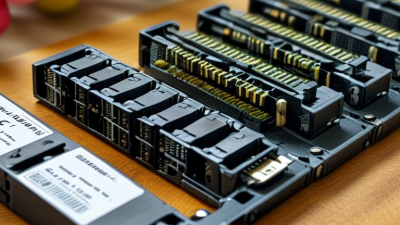
SFP modules, or small form-factor pluggable modules, play a vital role in modern networking. They facilitate the transfer of data across different media types. Each SFP module acts as a bridge, converting electrical signals to optical signals. This conversion is essential for high-speed communications. With the rise of data centers and cloud services, the demand for reliable SFP modules has surged.
In networking, choosing the right SFP transceiver module is crucial for optimal performance. These modules come in various types, supporting different speeds and distances. The connectivity options range from fiber optic to copper cables. Engineers must consider factors like bandwidth and compatibility. Improper choices can lead to data loss or network failures. Thus, a careful selection process is necessary.
While many suppliers offer SFP modules, reliability varies. Factors such as quality control and material sourcing are significant. Some suppliers may compromise on quality for lower prices. This poses risks for businesses relying on these critical components. It's essential to research and vet suppliers thoroughly. Transparency in sourcing and manufacturing creates trust.
China Top SFP Module Suppliers for Global Procurement Needs
| Supplier |
Product Type |
Wavelength |
Max Distance |
Price Range (USD) |
| Supplier A |
SFP-1G-SX |
850 nm |
550 m |
50 - 70 |
| Supplier B |
SFP-1G-LX |
1310 nm |
10 km |
80 - 100 |
| Supplier C |
SFP-10G-SR |
850 nm |
300 m |
150 - 200 |
| Supplier D |
SFP-10G-LR |
1310 nm |
10 km |
200 - 250 |
| Supplier E |
SFP-25G-SR |
850 nm |
70 m |
300 - 350 |
Key Factors Driving Global Demand for SFP Modules
The global demand for SFP modules has surged recently, driven by several key factors. As businesses shift towards higher-speed data transmission, the need for reliable connectivity solutions becomes paramount. SFP modules play a critical role in network infrastructure. Their versatility supports various applications, from data centers to enterprise networks.
Technological advancements fuel this demand. Emerging trends such as 5G and cloud computing require robust communication solutions. SFP modules enable seamless data transfer and enhance network performance. This is crucial for businesses aiming to stay competitive in a rapidly evolving digital landscape.
However, challenges exist in the supply chain. Fluctuations in raw material availability can disrupt production. Moreover, rapid technological changes may lead to mismatched inventory. Companies must assess their procurement strategies regularly. A well-informed approach is essential to navigate these complexities and ensure a steady supply of SFP modules.
Leading SFP Module Suppliers in China: An Industry Snapshot
China has emerged as a pivotal player in the global SFP (Small Form-factor Pluggable) module market. These compact devices are essential for data transmission in modern networking hardware. Companies in China have refined production processes, enabling them to meet varied international procurement needs. Their advanced manufacturing capabilities offer high-quality modules at competitive prices.
Networking professionals often overlook certain aspects when selecting SFP suppliers. Quality assurance is a critical factor. Verify the supplier's certifications to ensure product reliability. It's also wise to understand their testing protocols. This can prevent potential issues in your network setup.
Another element to consider is customer support. Suppliers should provide adequate technical assistance post-purchase. Engaging with support teams can save time and enhance user experience. A proactive approach to supplier relationships can foster better collaboration. Research indicates that this can lead to improved performance and product satisfaction. While many suppliers in China excel, identifying the right fit for specific needs might require a deeper evaluation.
Comparative Analysis of China's SFP Module Manufacturers
China has emerged as a key player in the global Sfp Module market. Many manufacturers are competing to meet the increasing demand for high-speed data transmission. A comparative analysis reveals a mix of established companies and emerging ones, each bringing unique strengths to the table.
Quality varies significantly among manufacturers. Some prioritize cost reduction, potentially compromising performance. It's essential to evaluate product specifications and user reviews thoroughly. Don't rush into purchasing based on price alone.
When assessing China's SFP module suppliers, consider their production capacity and innovations. Some manufacturers are investing in advanced technologies. They aim to enhance efficiency and sustainability. However, not all manufacturers keep pace with these developments. Regular audits of the supply chain are critical to ensuring reliability.
Engaging with manufacturers can clarify their capabilities and commitment to quality. Establishing a relationship may lead to better service and support. A proactive approach can help buyers navigate this competitive landscape.
Comparative Analysis of SFP Module Manufacturers in China
Innovation Trends Among Chinese SFP Module Suppliers
Innovation is at the forefront of development among Chinese SFP module suppliers. These companies are increasingly focusing on next-generation technologies to enhance performance and reliability. They are investing in new materials and manufacturing processes. This shift aims to meet the diverse needs of global customers in data centers and telecommunications.
Some suppliers are exploring advanced designs for SFP modules. They are integrating higher bandwidth capabilities and lower power consumption. However, challenges remain. The industry grapples with supply chain issues and fluctuating demand. Suppliers must continually adapt to market changes. This ongoing journey calls for reflection on what works and what doesn’t.
Moreover, sustainability is becoming a key concern. Many suppliers are incorporating eco-friendly practices. This includes reducing waste during production and using recyclable materials. It's crucial to balance innovation with environmental responsibility. Suppliers must consider their impact and strive for improvement in their practices.
Challenges Facing Chinese Suppliers in the Global Market
Chinese suppliers of SFP modules face significant challenges in the global market. Quality control remains a pressing issue. Many manufacturers struggle to meet international standards consistently. This inconsistency can lead to distrust among potential buyers. Uncertainties about product reliability often hinder large-scale procurement.
Market saturation intensifies the competition. Numerous suppliers compete for attention, but not all can ensure quality or timely delivery. Pricing strategies also pose difficulties. While lower prices attract customers, they often squeeze profit margins. Some companies invest heavily in marketing yet find it difficult to differentiate themselves effectively.
Political tensions add another layer of complexity. Regulations may restrict market access or create trade barriers. Suppliers must navigate these issues while maintaining operational efficiency. Balancing quality and cost remains an ongoing challenge, and many companies must reflect on how to adapt. The dynamic nature of supply chains within technology sectors requires constant vigilance and improvement.
Future Outlook for China's SFP Module Industry and Global Impact
The future looks promising for China's SFP module industry. With rapid technological advancements, many suppliers are stepping up. Innovation is essential, especially as global demand rises. However, the industry faces challenges. Quality control remains a significant issue. Some manufacturers struggle to meet the high standards expected globally.
Investment in research and development is crucial. Many Chinese firms recognize this need and are collaborating with international partners. This helps enhance expertise and build a reputation in the global market. The trend shows an increasing focus on sustainability in production methods. This shift might help improve overall industry reliability.
Navigating the competitive landscape can be difficult. Many companies are rushing to expand their market presence. This may lead to overselling capabilities, resulting in delayed deliveries. Striking the right balance between growth and quality is essential. For the Sc Sfp Module sector, achieving consistency will be key to long-term success. Adaptation and foresight will significantly shape the future of China's contribution to the global supply chain.
Enhancing FTTH Networks with OLT SFP GPON Optical Modules: A Comprehensive Guide to the B+ Transceiver Advantages
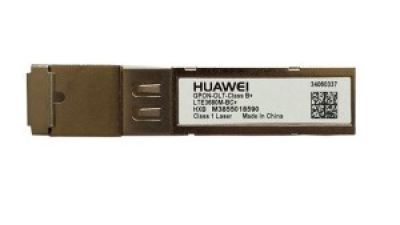
The demand for high-speed internet continues to surge as more businesses and residential areas transition to fiber-optic networks. In this landscape, the OLT SFP GPON B+ Optical Module emerges as a key element for enhancing Fiber to the Home (FTTH) networks. Designed specifically for Gigabit Passive Optical Networks (GPON), this high-performance transceiver offers robust solutions tailored for telecom operators, Internet Service Providers (ISPs), and enterprise optical access systems.
With a focus on delivering stable high-speed optical transmission, the OLT SFP GPON B+ module significantly improves communication performance. According to a report by the International Telecommunication Union (ITU), the adoption of fiber-optic technology can increase broadband speeds to upwards of 1 Gbps, effectively supporting the growing needs of users for reliable and swift data access. Furthermore, the inherent low latency characteristics of this technology enhance user experience, positioning the B+ Optical Module as a vital component in meeting these demands.
The advantages of using OLT SFP GPON B+ modules extend beyond just speed. They also contribute to greater network efficiency and reduced operational costs. As the market moves toward more integrated and scalable solutions, leveraging advanced optical modules like the B+ series can help service providers optimize their FTTH deployments. Industry analysts predict that investments in fiber-optic technologies will lead to a market growth projected to reach billions in the coming years, underlining the critical role of such advanced transceivers in accommodating the future of broadband connectivity.
FAQS
: An SFP module is a compact device for data transmission in networking hardware.
Quality assurance ensures product reliability, preventing network issues caused by faulty modules.
Check the supplier’s certifications and their testing protocols. This can provide assurance of their products.
Good customer support enhances user experience and assists with technical issues after purchase.
They struggle with quality control, market saturation, pricing strategies, and political tensions impacting trade.
Inconsistency in production processes and lack of proper quality checks lead to distrust among buyers.
Lower prices can attract customers but may reduce profit margins for suppliers trying to stand out.
Regulations can create barriers, complicating market access and operational efficiency for suppliers.
They should reflect on strategies to balance quality and cost while adapting to changing market dynamics.
Many suppliers excel, but finding the best fit for specific needs requires careful evaluation and consideration.
Conclusion
SFP modules, or Small Form-factor Pluggable modules, play a crucial role in modern networking by enabling high-speed data transmission and enhancing network flexibility. The global demand for SFP modules has been driven by the increasing need for efficient connectivity solutions across various industries, particularly with the rise of data centers and telecommunications.
China stands out as a key player in the SFP module market, with numerous suppliers showcasing their capabilities in innovation and production. A comparative analysis of these manufacturers reveals their strengths and the ongoing trends toward technological advancements. However, challenges such as international competition and quality standards remain significant hurdles. Looking ahead, the future of China's SFP module industry appears promising, with the potential for increased global impact as suppliers adapt to evolving market needs and consumer demands.



 Get Your Quote
 Email