You know, as more and more businesses are leaning on high-speed networks, the need for reliable connection solutions just keeps growing. I came across a recent report from MarketsandMarkets, and get this—by 2025, the global market for media converters is expected to hit around $1.45 billion, with a steady annual growth rate of about 10.5%. A big part of this boom comes from SFP media converters—they’re pretty much the unsung heroes in connecting different types of networks.
These SFP media converters make it super easy to get different media formats talking to each other. For example, they let you connect fiber optic cables to traditional copper ones—talk about flexibility! Companies like TP-Link and StarTech are pretty well-known for making reliable SFP media converters. But honestly, some folks have mentioned that installing them or making sure they work smoothly with their existing gear can be a bit tricky. It kinda shows that having clearer user guides and better support could really help.
Choosing the right SFP media converter can make all the difference in how well your network runs. Picking the wrong one might cause slowdowns or poorer signal quality, which nobody wants. So, it’s really important to understand the specs and potential pitfalls before buying. I’d say, take some time to do your homework—you’ll thank yourself later when everything runs smoothly and your network stays reliable.
Best SFP Media Converters: An Overview of Key Features
In today's digital landscape, seamless network connectivity is vital for organizations. SFP media converters play a crucial role in establishing reliable connections between different media types. The right media converter ensures high-speed data transmission while accommodating various distances, which is essential for efficient network performance.
Key features of SFP media converters include support for multiple protocols such as Ethernet, Fast Ethernet, and Gigabit Ethernet. According to industry reports, nearly 90% of businesses rely on fiber-optic solutions for improved bandwidth and reduced latency. An SFP media converter can effortlessly transition between copper and fiber connections, providing flexibility in network design.
Power consumption is another significant consideration. Efficient models consume less energy, helping companies manage operational costs. Some converters offer advanced systems for monitoring performance, enabling prompt troubleshooting. Yet, buyers often overlook the importance of compatibility. Ensuring that converters support existing equipment is crucial for maintaining network integrity. Inadequate research might lead to suboptimal setups that hinder potential growth.
Understanding the Importance of Fiber Optic Connectivity in Networks
In today's digital landscape, fiber optic connectivity plays a crucial role in ensuring high-speed and reliable network performance. With the rise of data-heavy applications and cloud services, the need for robust connectivity has never been more pressing. Fiber optics offer faster data transmission and greater bandwidth compared to traditional copper cables. This has transformed how businesses operate, enabling seamless communication and efficient data exchange.
Yet, despite these advantages, transitioning to fiber optic technologies can be challenging. Not every organization has the infrastructure to support such upgrades. Many face hurdles in understanding the technical aspects of fiber connections. Training and awareness become essential to bridge this knowledge gap. Network professionals must stay informed about the latest developments in fiber optics to make effective decisions.
Moreover, the installation of fiber optic systems requires careful planning. Even minor miscalculations can lead to significant setbacks. Connectivity might not always be seamless; issues like compatibility with existing systems and environmental factors come into play. It’s important to evaluate these challenges critically. Each network setup is unique, and what works for one may not work for another. Adaptability and continuous improvement are key in navigating the complexities of fiber optic connectivity.
Best SFP Media Converter for Seamless Network Connectivity
| Model |
Supported Media Types |
Max Distance |
Data Rate |
Form Factor |
| Model A |
Single-mode Fiber |
10 km |
1 Gbps |
Standalone |
| Model B |
Multi-mode Fiber |
550 m |
1 Gbps |
Rack-mounted |
| Model C |
Single-mode Fiber |
40 km |
10 Gbps |
Standalone |
| Model D |
Multi-mode Fiber |
300 m |
10 Gbps |
Compact |
Comparison of Popular SFP Media Converter Models and Their Specifications
When considering SFP media converters, it's essential to examine various models. Many options exist, each boasting unique specifications. Some emphasize speed, while others prioritize distance. Assessment of these features can clarify which model best meets your needs.
Port count is a crucial factor in selection. Some models come with one or two ports. Others support up to four. The right choice depends on your network’s complexity. Distance and speed capacity also deserve attention. Some devices excel in short-range connections, while others accommodate longer distances.
Network protocols matter too. Certain converters support a range of standards. Compatibility guarantees seamless integration into existing systems. An often overlooked feature is power consumption. Efficient devices save energy, which benefits both your budget and the environment. Balancing these factors is key, though refinements may be needed during real-world application.
Performance Metrics: Speed, Distance, and Compatibility in SFP Converters
When choosing an SFP media converter, performance metrics are crucial. Speed is often the first consideration. Most converters support data rates of up to 1 Gbps, but some can handle 10 Gbps. This can greatly impact network efficiency, especially in data-heavy environments. However, achieving these speeds also depends on the quality of the fiber and the distance covered.
Distance is another important factor. SFP converters generally work effectively over distances ranging from a few meters to several kilometers. For example, single-mode fiber can extend up to 80 kilometers, while multimode fiber supports shorter distances. It's essential to verify the converter specifications against your network requirements to ensure optimal performance. If distances exceed recommendations, signal degradation may occur, leading to unreliable connections.
Compatibility with different standards is vital too. SFP converters often support various protocols like Gigabit Ethernet and Fiber Channel. Nevertheless, not all converters are equal. Some may lack interoperability with specific equipment, hindering network integration. This can lead to unexpected downtime and increased frustration. An awareness of these compatibility issues can save time and resources during deployment.
Real-World Applications: Where and How to Use SFP Media Converters
SFP media converters are essential for various network setups. They bridge different types of media, often copper to fiber. In large organizations, connecting legacy systems to modern fiber networks can be challenging. According to a report by TechNavio, the global media converter market is expected to grow by 5% annually.
In real-world applications, these converters frequently appear in data centers. They enhance connectivity by allowing high-speed data transmission over longer distances. A deployment example includes linking remote branches to headquarters. This setup reduces latency and improves bandwidth. Surveys indicate that companies often experience a
30% improvement in data transfer rates post-implementation.
Another area is the integration of IoT devices. Many businesses use SFP converters to connect various sensors and automation tools. This strategy ensures reliable communication between devices. However, some organizations may struggle.
Misconfigurations or improper installations can lead to network outages. Understanding these issues can help minimize downtime and enhance performance.
Cost Analysis: Budgeting for SFP Media Converters in Business Networks
In modern business networks, budgeting for SFP media converters is essential. These devices bridge different media types, ensuring seamless connectivity. When considering costs, factor in both upfront and operational expenses. Initial costs can vary widely. Look for options that fit your infrastructure needs without overspending.
Tips: Evaluate your network's requirements carefully. Conduct a thorough analysis, choosing converters that align with your existing hardware. This approach can prevent expensive upgrades shortly after purchase. Don't forget about scalability; opt for solutions that can adapt as your network grows.
Ongoing costs often include power consumption and maintenance. Analyze the total cost of ownership over time. Sometimes, lower-priced options lead to higher long-term expenses. Investing in quality can prevent future disruptions. Consider warranty and support as part of the overall cost analysis.
Tips: Always revisit your options periodically. Technology evolves quickly, and prices can drop. Stay informed about the latest developments. Balancing cost with performance and reliability is vital for your network’s success. Take a moment to reflect on past purchases. Were they the right choices? Evaluate your strategy regularly.
Future Trends: Innovations in SFP Media Converter Technology and Usage
The landscape of SFP media converters is evolving rapidly. Innovations in technology are driving significant changes in network connectivity. According to a recent report by MarketsandMarkets, the global media converter market is expected to grow at a CAGR of 9.6% from 2023 to 2028, indicating a robust shift towards more efficient solutions.
One notable trend is the integration of AI and machine learning in SFP media converters. These advancements aim to enhance data transmission speeds and improve network reliability. Real-time monitoring features are becoming standard, allowing for swift troubleshooting. For instance, Cisco reported that networks equipped with AI-driven tools can reduce downtime by up to 30%. This could significantly impact large enterprises that rely heavily on uninterrupted connectivity.
Despite the promise of these advancements, challenges remain. Not all organizations have the resources to implement the latest technologies. Many businesses still utilize outdated converters that limit performance. Additionally, compatibility issues can arise with varying vendor technologies. The industry must focus on creating universal standards to address these concerns. As such, ongoing research and development will be critical to overcoming barriers and ensuring seamless network integration.
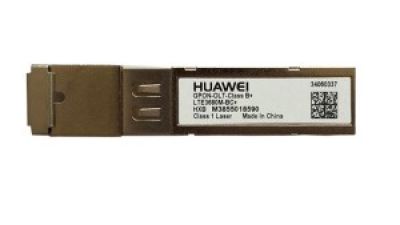
Harnessing the Future of Fiber Optic Networks: An In-Depth Analysis of the OLT SFP GPON Optical Module in FTTH Deployments
The landscape of fiber optic networks is rapidly evolving, particularly with the increasing demand for faster and more reliable broadband access. At the heart of this transformation is the OLT SFP GPON Optical Module, a critical component that powers Fiber to the Home (FTTH) deployments. This high-performance GPON OLT transceiver serves as the gateway for telecommunication operators and Internet Service Providers (ISPs) to deliver superior internet connectivity directly to users' doorsteps.
The OLT SFP GPON OLT B+ Optical Module is engineered to provide stable, high-speed optical transmission, ensuring that data flows seamlessly through the network. Its ability to support robust communication performance makes it an invaluable asset for enterprises looking to enhance their optical access systems. As fiber optic technology becomes more ubiquitous, the reliability and efficiency provided by these modules will play a pivotal role in meeting the growing consumer expectations for bandwidth and service quality.
In an age where digital connectivity is synonymous with progress, harnessing advanced technologies like the OLT SFP GPON Optical Module will help bridge the digital divide. As telecom operators and ISPs continue to invest in FTTH infrastructure, the integration of these high-performance transceivers will enable them to not only keep pace with demand but also to position themselves as leaders in the global broadband market.
FAQS
: Focus on speed, distance, port count, and network protocols first. These factors affect performance and integration.
Port count determines how many devices can connect. Models vary from one to four ports, impacting network complexity.
Speed affects network efficiency. Most converters offer up to 1 Gbps, but some can manage 10 Gbps for data-heavy tasks.
They typically work from a few meters to several kilometers. Check specifications to ensure they meet your requirements.
Compatibility ensures converters work with existing systems. Some may lack interoperability, causing potential network issues.
Yes, energy-efficient devices lower costs and environmental impact. It's a factor that’s easily overlooked but significant.
Yes, if distances exceed specifications, signal quality may worsen. This can lead to unreliable connections and frustrations.
Commonly supported protocols include Gigabit Ethernet and Fiber Channel. Check for specific compatibility with your equipment.
Real-world applications can reveal limitations. You may discover adjustments needed for optimal performance in your specific setup.
Metrics like speed and distance are crucial. They directly influence how well your network will function based on your needs.
Conclusion
SFP Media Converters play a crucial role in ensuring seamless network connectivity by facilitating the integration of fiber optic technology into existing infrastructure. This article provides an overview of key features of SFP media converters, highlighting the importance of fiber optic connectivity for enhancing network performance. A comparison of popular models outlines their specifications, focusing on essential performance metrics such as speed, distance, and compatibility.
Additionally, the article explores real-world applications of SFP media converters, demonstrating their utility in various networking scenarios. A cost analysis is presented to aid businesses in budgeting for these devices, emphasizing the value they bring to enterprise networks. Finally, the discussion delves into emerging trends and innovations in SFP media converter technology, outlining potential future developments that could further optimize network connectivity.



 Get Your Quote
 Email